To adopt a pet in NZ, you must navigate a structured process involving application vetting, property checks, and meet-and-greets with ethical rescue organizations. This ensures the animal is desexed, microchipped, and vaccinated before rehoming, providing a safe, permanent solution to New Zealand’s stray animal overpopulation while matching you with a companion that fits your lifestyle.
The Landscape of Ethical Pet Adoption in New Zealand
New Zealand is a nation of animal lovers, with one of the highest rates of pet ownership in the world. However, this love for companion animals is juxtaposed against a significant challenge: overpopulation. Every year, thousands of healthy, adoptable animals enter shelters like the SPCA, HUHA (Helping You Help Animals), and various breed-specific rescues across the country. Choosing to adopt a pet in NZ is not merely a transaction; it is a direct intervention in this cycle.
Ethical adoption differs significantly from purchasing an animal online or from a backyard breeder. It prioritizes the welfare of the animal above profit. When you choose to adopt, you are supporting a system that rehabilitates animals, assesses their behavior, and ensures they are medically sound before they ever set foot in your home. This guide serves as your comprehensive roadmap to navigating the adoption landscape in Aotearoa, ensuring that your journey to pet ownership is responsible, rewarding, and legally compliant.
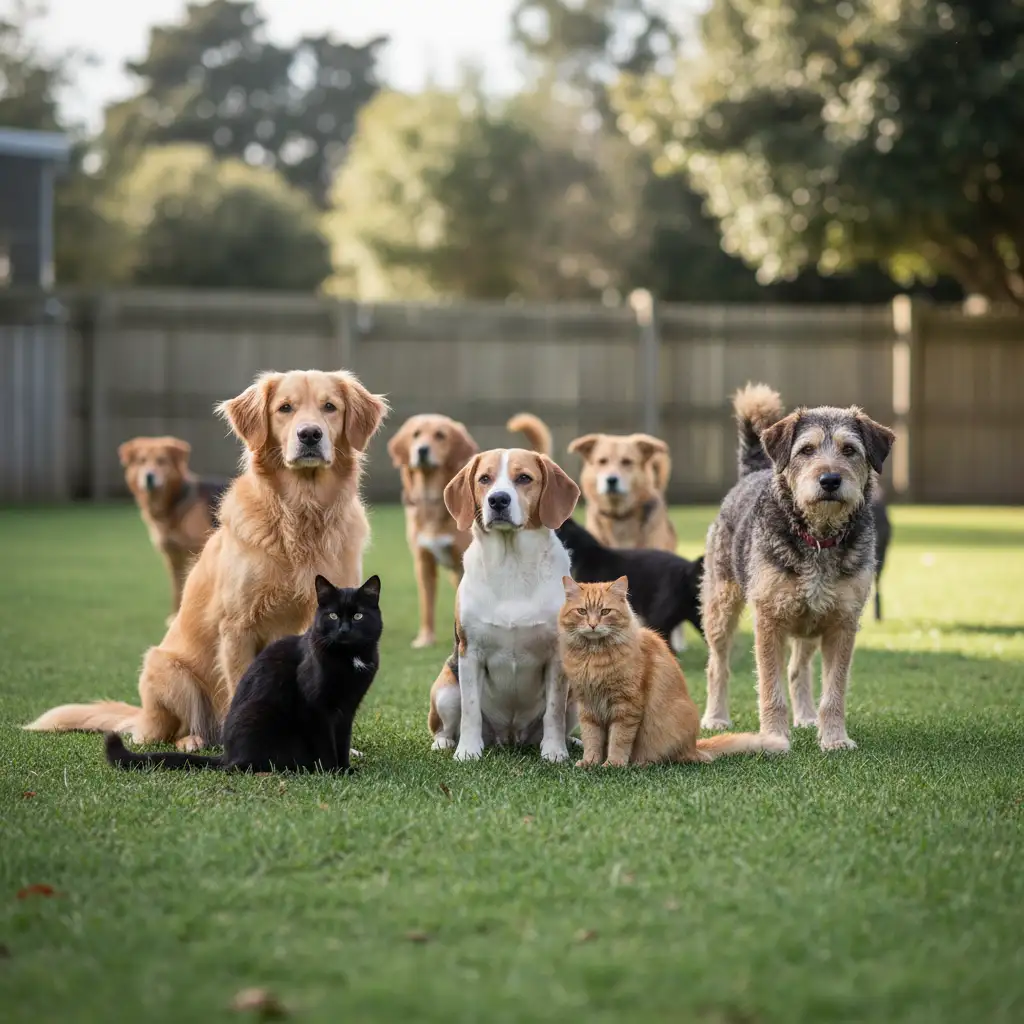
The Benefits of Adopting a Rehomed Pet
While puppies and kittens are undeniably cute, the benefits of adopting a rehomed pet—often an adult or adolescent—are extensive. These advantages span financial, practical, and emotional spectrums.
1. Saving a Life
The most profound benefit is the knowledge that you have saved a life. By adopting, you free up space in a shelter or foster home, allowing that organization to rescue another animal in need. You are essentially saving two lives: the one you adopt, and the one that takes its place.
2. Cost-Effectiveness
Adoption is significantly more cost-effective than buying from a breeder. An adoption fee in New Zealand typically ranges from $150 to $400 for cats and $300 to $600 for dogs. While this might seem like an upfront cost, it is a bargain when you consider what is included. Almost all ethical rescues cover:
- Desexing (Spay/Neuter surgery)
- First round of vaccinations
- Microchipping and NZCAR registration
- Flea and worm treatments
- Behavioral assessments
Purchasing these services independently for a “free” or store-bought pet could easily cost upwards of $1,000.
3. Known Temperament
When you adopt an adult animal, what you see is often what you get. Their size, coat type, and personality are already established. Foster-based rescue networks are particularly valuable here, as foster carers can tell you exactly how the animal behaves in a home environment—whether they are toilet trained, how they react to vacuum cleaners, and if they get along with children or other pets.
What to Expect from Ethical Adoption
Ethical adoption is rigorous for a reason. Rescue organizations are tasked with ensuring that the animal does not end up back in the shelter system. Consequently, the process is more involved than simply walking into a pet store.
The Vetting Process
Expect to complete a detailed application form. You will be asked about your work hours, your property boundaries (fencing is a major factor for dogs), your family composition, and your history with pets. This isn’t an interrogation; it is a matchmaking process designed to ensure the placement is permanent.
Medical Standards
A hallmark of ethical adoption in New Zealand is the medical standard. No ethical rescue will rehome an animal that has not been desexed (unless there is a specific medical reason to delay, in which case a contract is usually signed). This is to prevent accidental litters that contribute to the very problem the rescue is trying to solve.
Navigating the Adoption Process
Whether you are using a specific platform like PetRescue.org.nz, the SPCA, or a local community rescue, the workflow generally follows a standard trajectory. Understanding these steps will help you manage your expectations.
Step 1: The Search
Utilize online filters to narrow down your search based on species, age, size, and location. Read the bios carefully. Look for keywords that match your lifestyle. If you are an active hiker, a high-energy working breed mix might be perfect. If you live in an apartment, a senior cat or a greyhound might be more appropriate.
Step 2: The Application
Submit your enquiry. Be honest. If you don’t have a fully fenced section, state that. Some dogs don’t require off-leash running space if they get adequate walks, but lying about your property will lead to a failed home check later.
Step 3: The Meet and Greet
If your application is shortlisted, you will be invited to meet the animal. This often happens at the shelter or the foster carer’s home. Bring all family members, including existing dogs (if the rescue permits), to see how everyone interacts. Watch for body language—is the animal curious and approaching you, or terrified? A shy animal isn’t a bad choice, but it requires a patient owner.
Step 4: The Property Check
For dog adoptions, a property check is standard. A volunteer may visit your home to check fence heights and look for escape routes. They are ensuring the dog will be safe. For cats, they may ask about your location relative to busy roads.
Preparing Your Home for a New Pet
Preparation is the key to a smooth transition. Before you bring your new family member home, you need to set up their environment.
Dog Proofing vs. Cat Proofing
For Dogs: Secure your perimeter. Check for gaps in fences. Remove toxic plants from the garden. Secure electrical cords and remove small objects that could be swallowed. Set up a designated “safe space” with a crate or bed where the dog can retreat.
For Cats: If you are adopting an indoor cat, ensure window screens are secure. If the cat will eventually go outside, you must keep them indoors for at least 3-4 weeks to reset their internal GPS. Prepare a litter box in a quiet area, away from their food bowls.
Essential Supplies Checklist
- High-quality food: Ask the rescue what the animal is currently eating to avoid stomach upsets.
- Identification: A collar with a tag containing your phone number is immediate protection.
- Bedding: Comfortable and washable.
- Transport: A secure crate for the car ride home.

Legal Obligations: Registration and Microchipping
In New Zealand, pet ownership comes with specific legal responsibilities. Ignoring these can result in hefty fines and, in tragic cases, the seizure of your animal.
Microchipping and the NZCAR
While the rescue organization will likely implant the microchip, it is your responsibility to ensure the details are updated. In New Zealand, the primary database is the New Zealand Companion Animal Register (NZCAR). A microchip is useless if it is registered to the previous owner or the rescue organization forever. You must transfer the registration to your name immediately upon adoption.
Council Registration (Dogs Only)
Microchipping is not the same as Council Registration. All dogs over the age of 3 months must be registered with their local city or district council every year (usually by July 1st). You will receive a tag that must be worn by the dog at all times. This registration funds animal control services and dog parks. Failure to register your dog is an offence under the Dog Control Act 1996.
For more information on the legalities of dog ownership, you can refer to the Department of Internal Affairs Dog Control page.
Settling In: The First Few Weeks
The first few weeks with a rescue pet are critical. The animal is likely experiencing high levels of stress due to the change in environment.
The 3-3-3 Rule
When adopting, keep the “3-3-3 Rule” in mind to manage your expectations:
- 3 Days to Decompress: The animal may be overwhelmed, scared, and unwilling to eat. They may hide. Do not force interaction. Let them observe you.
- 3 Weeks to Learn Routine: They start to settle in, learning when walks happen and where food comes from. Their true personality starts to emerge, and behavioral issues may crop up as they test boundaries.
- 3 Months to Feel at Home: By this point, they should feel secure. They have built trust and a bond with you. This is when they truly become part of the family.
Patience is your most valuable tool. If you encounter behavioral issues, reach out to the rescue organization. Many offer post-adoption support or can refer you to a force-free animal trainer.
Frequently Asked Questions
How much does it cost to adopt a dog in NZ?
Adopting a dog in New Zealand typically costs between $300 and $600. This fee generally includes desexing, microchipping, registration with NZCAR, first vaccinations, and flea/worm treatments.
Can I adopt a specific breed in NZ?
Yes, breed-specific rescues exist for Greyhounds, Labradors, Spaniels, and more. However, mixed breeds are most common in shelters. You can use filters on adoption websites to search for specific breeds or mixes.
Do I need a fenced property to adopt a dog?
Most ethical rescues in NZ require a fully fenced property to ensure the dog’s safety. However, exceptions are sometimes made for older dogs or apartment-appropriate breeds, provided you have a solid exercise plan.
What is the difference between the SPCA and private rescues?
The SPCA is a nationwide organization with statutory powers to enforce animal welfare laws. Private rescues are independent charities, often run by volunteers and funded by donations, that focus on rehoming specific types of animals or serving specific regions.
How do I register my adopted dog in NZ?
You must register your dog with your local council (e.g., Auckland Council, Wellington City Council). This is separate from microchip registration and must be renewed annually.
Is it difficult to adopt if I rent my home?
It can be challenging, but changes to the Residential Tenancies Act have made it slightly easier. You must obtain written permission from your landlord. Rescues will require proof of this permission before finalizing an adoption.
Adopting a pet is a journey that transforms your house into a home. By choosing to adopt ethically in New Zealand, you become a vital part of a community dedicated to compassion and animal welfare. For more details on animal welfare standards, visit the SPCA New Zealand website.
