Ragdoll Rescue & Adoption Guide
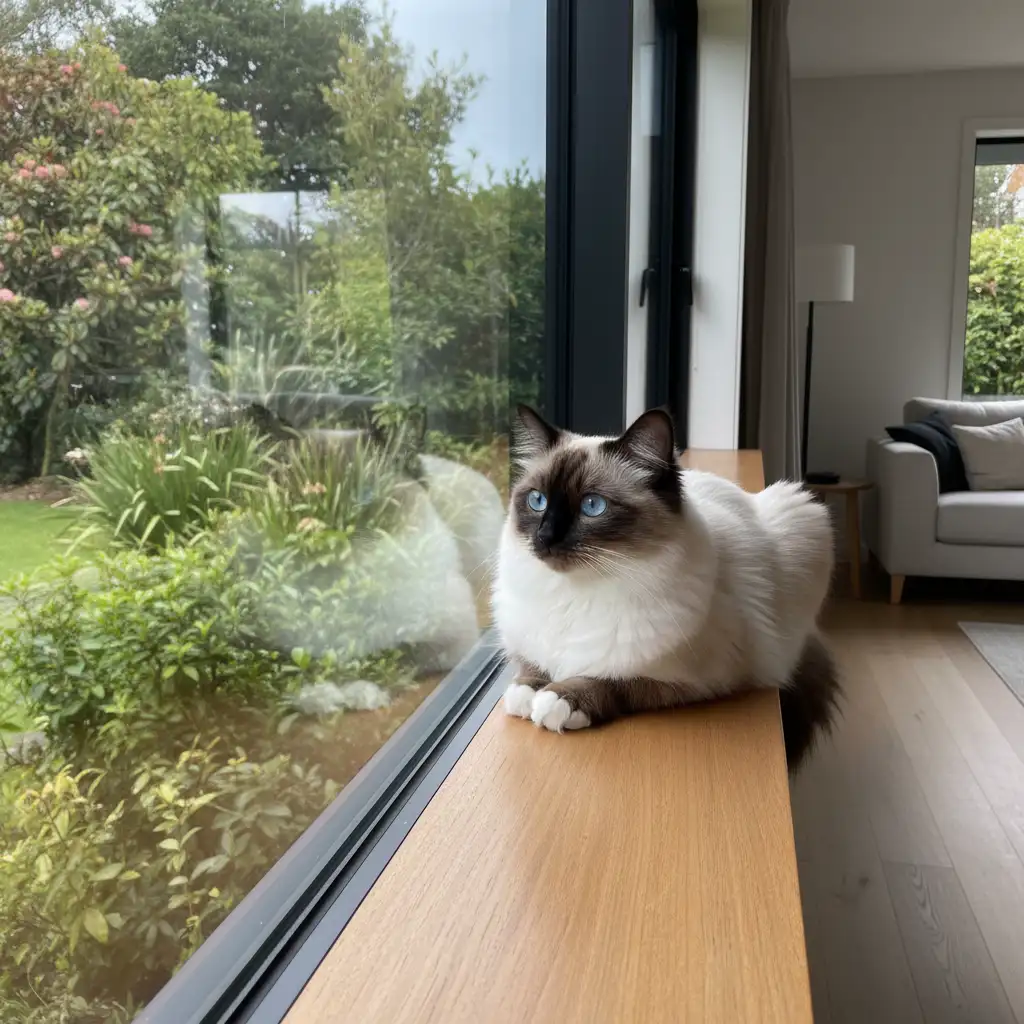
The Ragdoll is widely regarded as one of the most affectionate and docile cat breeds in the world. Known for their striking blue eyes, semi-longhair colorpoint coats, and tendency to go limp when picked up, they are a highly coveted breed in New Zealand. However, the popularity of the breed has led to an increase in displaced cats needing new homes. This guide serves as the definitive resource for navigating ragdoll cats NZ rescue, ensuring you can find, adopt, and care for these magnificent animals ethically.
Ragdoll cats NZ rescue involves adopting displaced purebred Ragdolls through ethical organizations like the SPCA, NZ Cat Fancy affiliated breeders, or specific breed welfare groups. These rescues focus on rehoming adult cats or kittens that have been surrendered due to owner lifestyle changes, providing full veterinary checks, desexing, and temperament assessments prior to adoption.
Understanding the Ragdoll’s Popularity in NZ
In New Zealand, the Ragdoll has surged in popularity, often rivaling the Domestic Shorthair and the Maine Coon as a family favorite. Their temperament is the primary driver of this demand. Often described as “puppy-like,” Ragdolls are known to follow their owners from room to room, greet them at the door, and generally seek out human companionship more than many other breeds.
For New Zealanders, particularly those living in urban centers like Auckland or Wellington, the Ragdoll is the ideal indoor companion. With the increasing emphasis on protecting New Zealand’s native birdlife, there is a strong cultural and environmental push to keep cats contained indoors or in “catios.” Ragdolls, by their nature, are not street-savvy. They lack the aggressive territorial instincts of some other breeds and are generally too trusting to be allowed to roam freely near busy roads or predator-free sanctuaries. This makes them perfectly suited for the responsible indoor lifestyle advocated by conservationists and animal welfare groups alike.
The Reality of Ragdoll Rescue: Why They Need Homes
There is a common misconception that rescue cats are always “problem” animals. When it comes to ragdoll cats NZ rescue, this is rarely the case. Purebred cats end up in rescue situations for a variety of reasons, most of which have nothing to do with the cat’s behavior.
Common Reasons for Surrender
- Owner Lifestyle Changes: The most common reason for surrender in New Zealand is a change in the owner’s circumstances. This includes moving into a rental property that does not allow pets, moving overseas, or the owner passing away or entering aged care.
- Financial Constraints: While Ragdolls are robust, they are large cats that require high-quality nutrition and regular veterinary care. Economic shifts can force loving owners to make the heartbreaking decision to rehome their pets.
- Family Dynamics: The arrival of a new baby or the development of severe allergies within the household can lead to rehoming.
- Breeder Retirees: Ethical breeders often rehome their breeding queens and studs after they have been retired and desexed. These cats are usually well-socialized, health-tested, and looking for a quiet retirement home.
It is important to manage expectations when looking for a rescue Ragdoll. You are far more likely to find an adult cat (aged 2 to 8 years) than a kitten. Kittens are in high demand and are rarely found in rescue centers unless they have been seized from a hoarding situation or an unethical breeder.
Recognized Ragdoll Rescue Networks in New Zealand
Unlike some countries with massive populations, New Zealand does not have many large-scale, brick-and-mortar rescue centers dedicated solely to Ragdolls. Instead, rescue efforts are decentralized. To find a Ragdoll, you must tap into a network of general rescues and breed-specific contacts.
1. The SPCA and General Shelters
The SPCA New Zealand is the country’s largest animal welfare organization. While they deal with all breeds, purebred Ragdolls do occasionally come through their doors. It is advisable to monitor their “Adopt” pages for your specific region regularly. Other reputable shelters include the Lonely Miaow (Auckland) and Cats Protection League (Wellington and Christchurch).
2. New Zealand Cat Fancy (NZCF) Breeders
Many ethical breeders in New Zealand will take back cats they have bred if the owner can no longer keep them. If they cannot keep the cat themselves, they will facilitate rehoming.
3. Social Media Rehoming Groups
In NZ, Facebook groups dedicated to Ragdoll lovers often serve as informal rescue networks. Groups such as “Ragdoll Lovers NZ” often have posts regarding cats needing new homes. However, extreme caution is required here to distinguish between a genuine rehoming situation (often free or for a nominal donation) and a backyard breeder trying to sell an older cat for profit.
Spotting Backyard Breeders vs. Ethical Adoption
The high market value of Ragdoll kittens in New Zealand (often ranging from $1,200 to $2,500 NZD) has attracted “backyard breeders.” These are unethical sellers who breed cats without regard for health testing, genetic diversity, or the welfare of the animals. When looking for a rescue, you may encounter advertisements on platforms like TradeMe that blur the line between rescue and sale.
Red Flags to Watch For
- “Rare” Colors or Minks: Traditional Ragdoll standards are strict. Breeders marketing “rare” variants at high prices without registration papers are often prioritizing profit over breed health.
- No Health History: A legitimate rescue or ethical rehome will come with veterinary records. If a seller cannot tell you when the cat was last vaccinated or if it has been tested for HCM (Hypertrophic Cardiomyopathy), walk away.
- Kittens Available Immediately: True rescues rarely have litters of purebred kittens available on demand. If someone claims to be a “rescue” but always has kittens for a high fee, they are likely a backyard breeder in disguise.
- Lack of Desexing: Ethical rescues in NZ will never rehome a cat that has not been desexed. This is to prevent further unwanted litters. If you are offered an intact cat as a “rescue,” it is a major red flag.
Adopting through a recognized organization ensures you are not inadvertently funding the cycle of irresponsible breeding.
Specific Care Needs for Rescued Ragdolls
Rescuing a Ragdoll requires a commitment to their specific physical and emotional needs. While they are generally healthy, they are not low-maintenance cats.
Coat Maintenance and Grooming
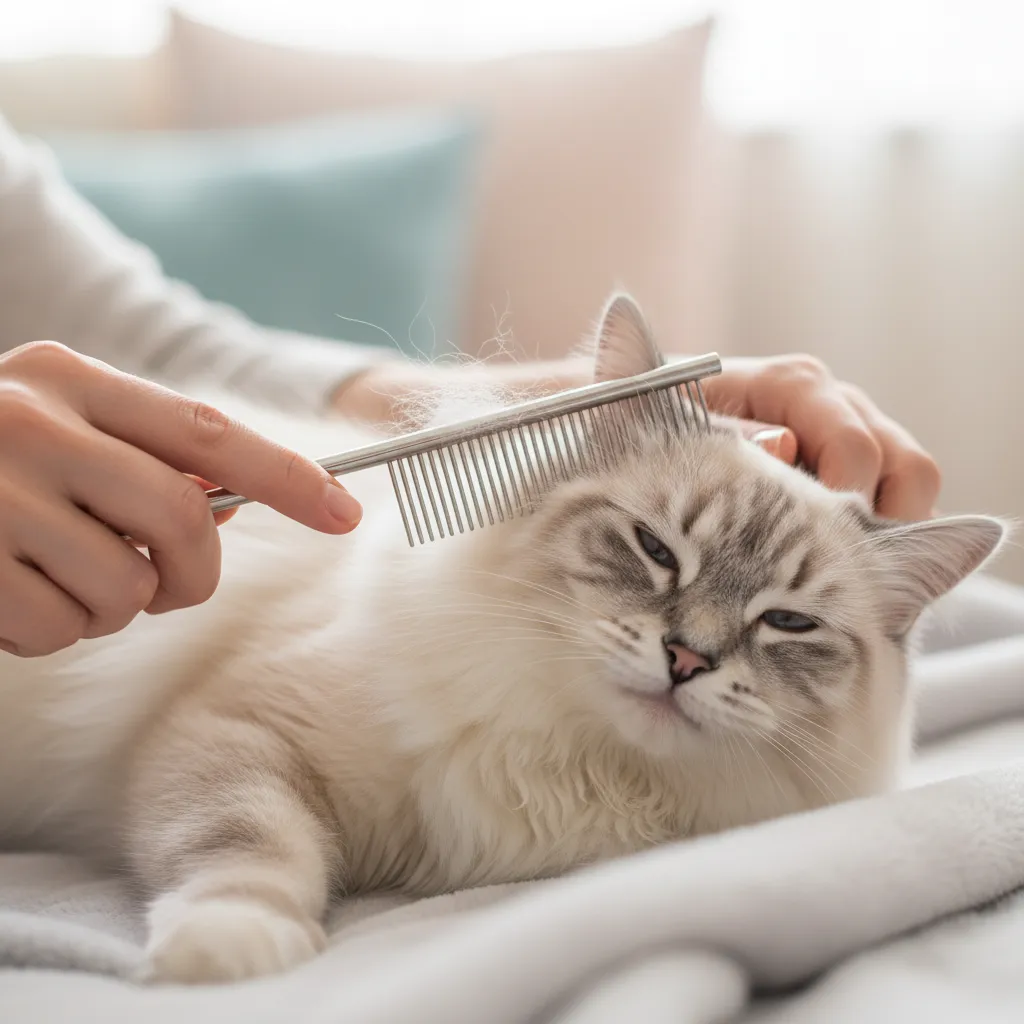
The Ragdoll has a semi-longhair coat that is incredibly soft, similar to rabbit fur. While they have little undercoat (which reduces matting compared to Persians), they still require regular grooming. A rescued Ragdoll may arrive with some matting if their previous owner neglected this.
You should invest in a steel greyhound comb and a slicker brush. Grooming should occur at least twice a week, focusing on the “armpits” and behind the ears where friction causes knots. This is also a bonding activity that reinforces the trust between a rescue cat and their new owner.
Health Monitoring
Ragdolls are predisposed to certain genetic conditions. Ethical breeding aims to eliminate these, but rescue cats may have unknown lineages. The two primary concerns are:
- Hypertrophic Cardiomyopathy (HCM): A heart condition that can lead to heart failure. Ask if the rescue has performed any heart checks.
- Polycystic Kidney Disease (PKD): Cysts form in the kidneys, which can lead to renal failure.
Furthermore, Ragdolls can be prone to obesity. Their docile nature means they burn fewer calories than active breeds. Portion control and interactive play are essential to keep a rescue Ragdoll at a healthy weight.
Tenant Advocacy: Renting with Ragdolls in NZ
One of the biggest hurdles for adoption in New Zealand is the rental market. Landlords are often hesitant to allow pets due to fears of damage. However, Ragdolls are arguably the best breed for tenants to advocate for.
Creating a Pet CV
To secure a rental with a rescue Ragdoll, create a “Pet CV.” This document should include:
- Breed Traits: Highlight that Ragdolls are indoor-only, low energy, and generally do not scratch furniture if provided with scratching posts.
- References: A reference from a previous landlord or a veterinarian attesting to the cat’s behavior and health.
- Desexing/Microchipping Certificate: Proof that the animal is responsible and tracked.
Because Ragdolls are indoor cats, they pose zero risk to neighboring wildlife or livestock, which is a significant selling point for landlords in semi-rural areas. Emphasize that your Ragdoll is an “indoor companion” rather than a roaming pet.
The Adoption Process and Requirements
Adopting a Ragdoll is not as simple as walking into a shop and buying one. Rescue organizations have strict criteria to ensure the placement is permanent.
The Application
You will be required to fill out a detailed application form. Expect questions about your working hours, the ages of children in the home, and your living situation (own vs. rent). Be honest. If you work 12 hours a day, a Ragdoll (which craves company) might not be the right fit unless you adopt a pair.
The Home Check
Many rescues conduct home checks. They are looking for secure windows and doors to prevent the cat from escaping. Since Ragdolls are not road-savvy, a secure indoor environment or a cat-proofed outdoor enclosure is often a non-negotiable requirement.
Adoption Fees
Adoption fees for Ragdolls in NZ typically range from $150 to $400. This fee contributes toward the cost of desexing, microchipping, vaccination, flea/worm treatment, and food while in foster care. This is significantly cheaper than buying a kitten, yet provides you with a fully vetted companion.
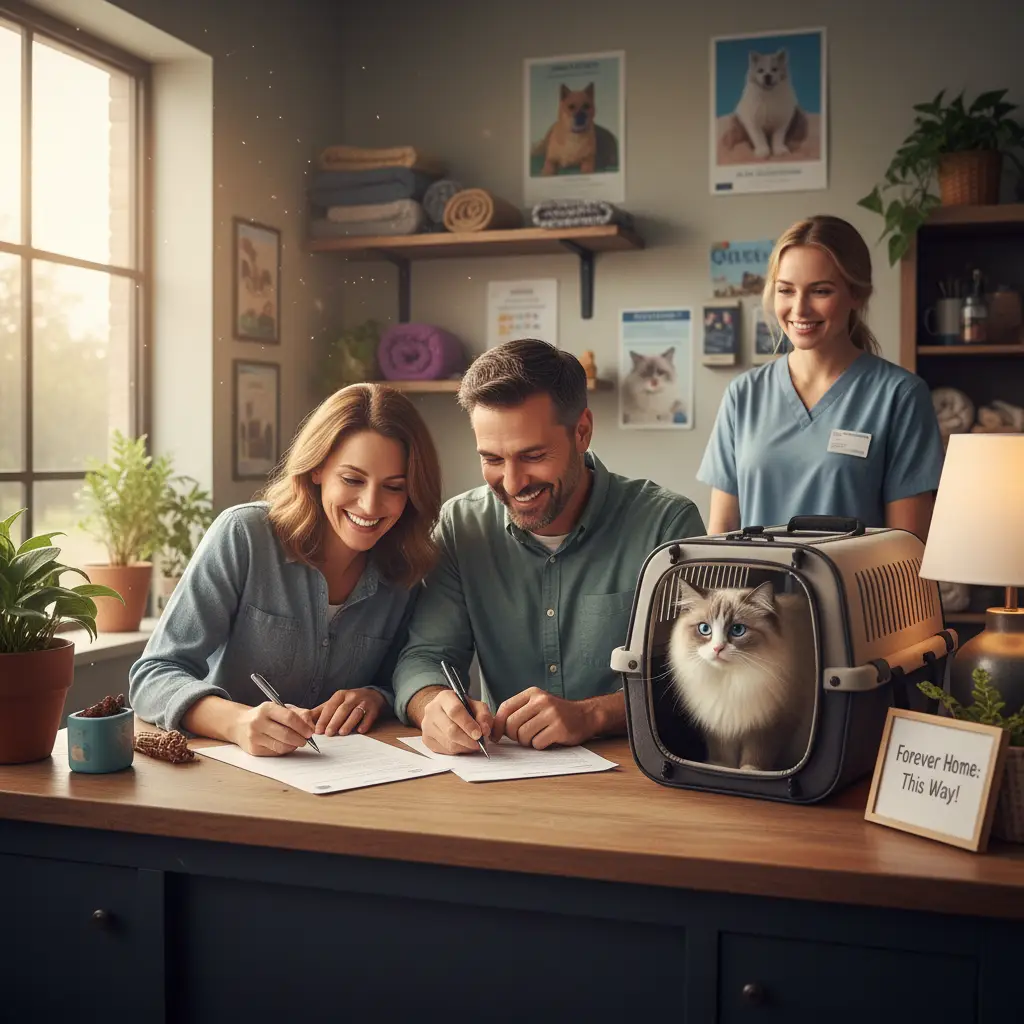
By choosing to rescue, you are saving a life and opening up a space for another cat in need. Whether through the SPCA, a dedicated breed group, or a retired breeding cat, a rescue Ragdoll can provide years of gentle, affectionate companionship.
People Also Ask
How much does it cost to adopt a Ragdoll in NZ?
Adoption fees for Ragdolls in NZ typically range between $150 and $400. This fee generally covers desexing, microchipping, the first vaccination, and a vet check. This is significantly lower than purchasing a kitten from a breeder, which can cost upwards of $1,500.
Are Ragdoll cats strictly indoor cats?
Yes, Ragdolls are strongly recommended to be indoor-only cats. They lack the defensive instincts and road sense of other breeds, making them vulnerable to traffic and other animals. In New Zealand, keeping them indoors also helps protect native wildlife.
Do Ragdoll cats shed a lot?
Ragdolls have a semi-longhair coat and do shed, particularly during seasonal changes (spring and autumn). However, because they lack a thick undercoat, they shed less than some other long-haired breeds and are less prone to severe matting if brushed regularly.
How can I tell if a Ragdoll breeder is ethical?
An ethical breeder in NZ should be registered with the New Zealand Cat Fancy (NZCF) or Catz Inc. They will health test parents for HCM and PKD, never sell kittens before 12 weeks of age, and will always desex kittens before they leave or have a strict contract ensuring it is done.
Can Ragdolls live in apartments?
Absolutely. Ragdolls are one of the best breeds for apartment living due to their moderate energy levels and quiet nature. As long as they have vertical space (cat trees) and enrichment toys, they thrive in smaller indoor spaces.
What is the life expectancy of a Ragdoll cat?
A healthy indoor Ragdoll cat typically lives between 12 to 15 years, though many reach their late teens with proper veterinary care, a high-quality diet, and a safe indoor environment.