Cost of Owning a Cat in NZ
The cost of cat ownership NZ typically ranges from $800 to $1,500 for initial setup costs, followed by an annual recurring budget of approximately $1,000 to $2,500 per year. These figures fluctuate based on the choice between adoption or breeders, the quality of nutrition provided, insurance coverage levels, and the specific health needs of the animal over its lifetime.
The Real Cost of Cat Ownership in NZ: An Overview
Bringing a cat into your home is one of the most rewarding experiences a person can have, offering companionship, comfort, and entertainment. However, in New Zealand, the decision to adopt a pet is often made with the heart rather than the calculator. While the emotional return on investment is immeasurable, the financial reality is significant.
Many prospective owners look at the adoption fee and assume that is the bulk of the expense. In reality, the purchase price is merely the tip of the iceberg. From rising veterinary costs to premium nutrition and the intricacies of renting with pets in the current Kiwi housing market, understanding the full financial scope is essential for responsible ownership. This guide aims to provide a transparent, line-by-line breakdown of what it truly costs to own a cat in New Zealand in 2024, ensuring you are prepared for the lifetime commitment of your new feline friend.
Initial Setup Costs: Bringing Your Feline Home
The first year of ownership is invariably the most expensive due to one-off setup costs. How you choose to acquire your cat—whether through a registered breeder, a pet store, or a rescue organisation—will dictate your starting baseline.
Adoption vs. Buying from a Breeder
Adoption (SPCA or Local Rescue): This is generally the most cost-effective and ethically sound route. Adoption fees in New Zealand typically range from $100 to $250. Crucially, this fee almost always includes desexing, microchipping, the first round of vaccinations, and flea/worm treatments. If you were to pay for these procedures individually at a private vet, the cost would easily exceed $500.
Private Breeders: If you are looking for a specific breed, such as a Maine Coon, Ragdoll, or Bengal, the costs skyrocket. A pedigree kitten in NZ can cost anywhere from $1,000 to $2,500+. Furthermore, while reputable breeders will include vaccinations and microchipping, desexing is sometimes left to the new owner to arrange and pay for later.
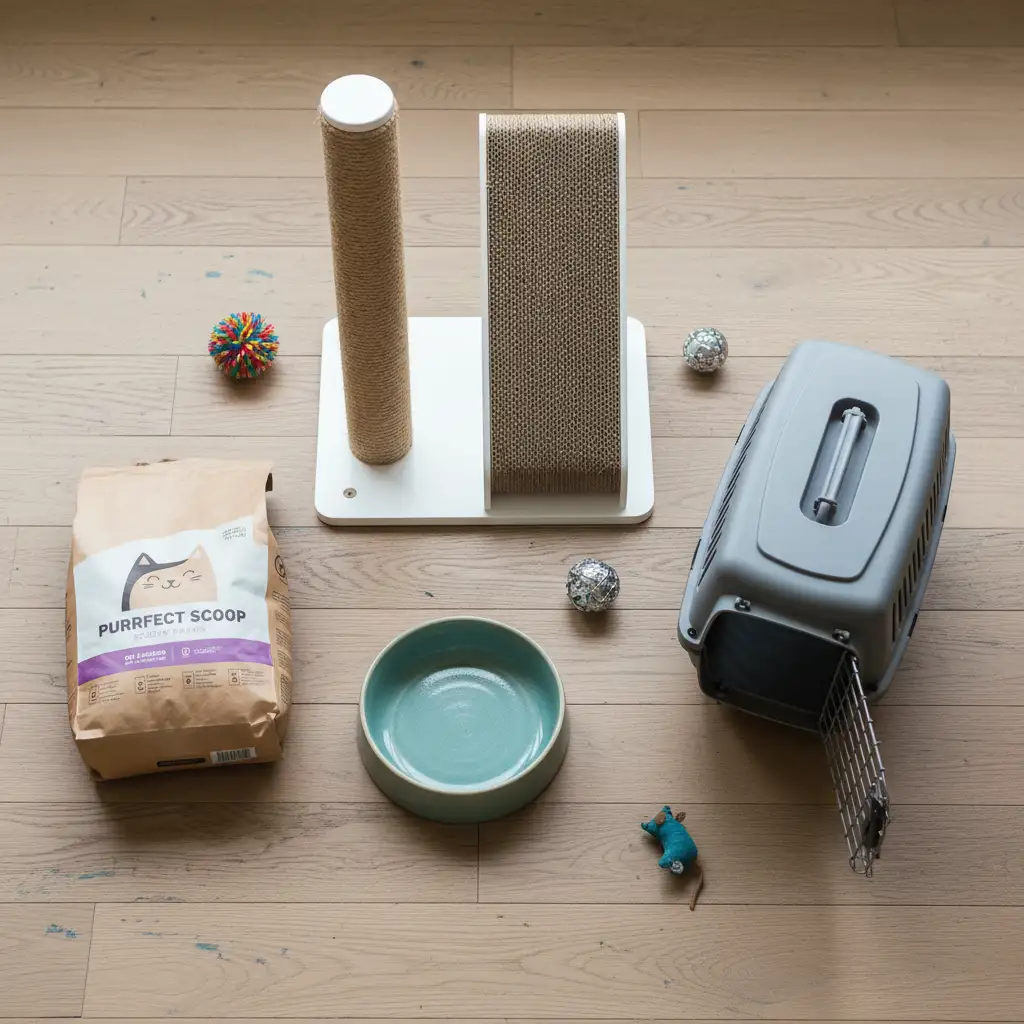
Essential Equipment Checklist
Before the cat arrives, you need to “cat-proof” your home and purchase essential gear. Prices below are estimates based on major NZ retailers like Animates, Pet.co.nz, and The Warehouse:
- Secure Carrier ($40 – $100): Necessary for transport and vet visits. Hard plastic carriers are recommended for safety.
- Litter Tray and Scoop ($20 – $80): Options range from basic plastic trays to covered “privacy” domes.
- Scratching Post ($50 – $200): This is non-negotiable, especially for renters trying to protect carpets and furniture. A sturdy, tall post is vital.
- Food and Water Bowls ($20 – $60): Stainless steel or ceramic is preferred over plastic to prevent feline acne.
- Bedding ($30 – $80): While cats often sleep where they please, a dedicated bed is required.
- Toys and Enrichment ($30 – $50): Wand toys, laser pointers, and puzzle feeders.
Annual Recurring Expenses: Food, Litter, and Hygiene
Once the initial setup is complete, you enter the phase of maintenance costs. This is where budget planning is critical, as these are costs that will hit your bank account every week or month for the next 15 to 20 years.
Nutrition: Supermarket vs. Premium Brands
Diet is the single biggest factor in your cat’s long-term health. While supermarket brands are cheaper, they often contain fillers (grains and cereals) that cats, as obligate carnivores, struggle to digest. This can lead to higher vet bills later due to obesity or urinary crystals.
- Economy Diet: $10 – $15 per week ($520 – $780 annually). Generally lower protein content.
- Premium/Science Diet: $20 – $35 per week ($1,040 – $1,820 annually). Brands like Royal Canin, Hills Science Diet, or Orijen. These are nutrient-dense, meaning you often feed less volume for better nutrition.
Cat Litter
If your cat is strictly indoors, litter costs will be significant. Outdoor cats may use the garden, reducing this cost, though most owners still keep a tray for bad weather or nighttime.
- Clay/Clumping Litter: $15 – $25 per month.
- Crystal/Silica Litter: $20 – $30 per month.
- Wood/Paper Pellets: $10 – $20 per month (often the cheapest and eco-friendly option).
Flea and Worm Treatments
In New Zealand’s temperate climate, fleas are a year-round problem. Supermarket flea collars are rarely effective. Veterinary-grade spot-on treatments (like Revolution, Broadline, or Advocate) are highly recommended.
Estimated Cost: $15 – $25 per month ($180 – $300 annually). Skipping this can lead to flea infestations in your home, which are incredibly expensive and difficult to eradicate.
Veterinary Care and Pet Insurance in New Zealand
Veterinary costs in New Zealand have risen due to global shortages of vet staff and increased costs of medical supplies. Budgeting for health is not optional.
Routine Checks and Vaccinations
Every cat should see a vet annually for a general health check and vaccinations (Feline Panleukopenia, Herpesvirus, and Calicivirus). An annual consultation plus vaccination generally costs between $80 and $150.
Is Pet Insurance Worth It?
Unexpected surgeries (e.g., for a broken leg, foreign object ingestion, or urinary blockages) can cost between $2,000 and $5,000 immediately. Pet insurance provides a safety net.
- Accident Only: Covers injuries but not illness. Approx. $15 – $25 per month.
- Comprehensive (Accident & Illness): Covers sickness, ongoing conditions, and injuries. Approx. $30 – $70 per month depending on the cat’s age and breed.
If you choose not to insure, it is highly advisable to create a “self-insurance” savings account, depositing $20-$40 weekly for emergencies.
The Tenant’s Guide: Renting with Cats in NZ
For the 30%+ of New Zealanders who rent, owning a cat adds a layer of complexity and potential cost. While regulations are slowly shifting, finding pet-friendly rentals remains a challenge.
The Myth of the “Pet Bond”
It is crucial to understand your legal rights. Under the Residential Tenancies Act, landlords in New Zealand cannot charge a specific “pet bond” (an extra bond specifically for the pet). The maximum bond is legally capped at four weeks’ rent. However, landlords can legally ask for higher weekly rent to mitigate the perceived risk of allowing a pet.
For authoritative information on tenant responsibilities, refer to Tenancy Services NZ.
Commercial Cleaning Clauses
While a pet bond is illegal, a landlord can include a clause in the tenancy agreement requiring professional carpet cleaning upon vacating the property to remove allergens and flea risks. This is a standard cost to anticipate if you rent with a cat.
Estimated Cost: $150 – $300 for a professional carpet clean at the end of a tenancy.
Hidden and Unexpected Costs
Even the most meticulous budget can be derailed by hidden costs. These are the expenses that new owners often forget to factor in.
Boarding and Catteries
If you travel for holidays or return to the office frequently, you may need pet care. Asking neighbours is free, but professional care costs money.
- Cattery Fees: $15 – $30 per day.
- House Sitters/Feeders: $20 – $40 per visit.
Dental Health
Dental disease is common in cats over three years old. A scale and polish under general anaesthetic is a significant expense, often excluded from basic insurance policies unless extra dental cover is purchased.
Estimated Cost: $400 – $800 for cleaning; $1,000+ if extractions are required.
Microchip Registration
While the microchip itself is often included in adoption, registering that chip with the New Zealand Companion Animal Register (NZCAR) incurs a small one-off fee (usually $15). This is vital for reuniting lost pets with owners. You can learn more about registration at the NZCAR website.
The Lifetime Financial Commitment
To truly understand the cost of cat ownership in NZ, we must look at the lifetime value. Assuming a cat lives for 15 years, here is a conservative breakdown:
- Initial Year (Setup + Desexing + Vets): ~$1,200
- Annual Recurring (Food, Litter, Flea, Vets): ~$1,500 x 14 years = $21,000
- Emergency/Misc Buffer: ~$3,000
Total Lifetime Cost: Approximately $25,200 NZD.
This figure demonstrates that a cat is a luxury and a responsibility, not a short-term accessory. Financial stability is a key component of animal welfare.
Money-Saving Tips for Responsible Owners
While the costs are high, there are ways to manage them without compromising your cat’s health:
- Adopt, Don’t Shop: As mentioned, SPCA adoption packages offer incredible value compared to private vet rates for the same procedures.
- Preventative Care: Spending $200 a year on flea meds and vaccines prevents thousands in treatment for anaemia, flea infestations, or cat flu.
- High-Quality Food: It seems counter-intuitive, but expensive food is more digestible. You feed less, the cat poops less (saving litter), and they have fewer health issues long-term.
- Keep Them Indoors: Indoor cats have significantly lower vet bills. They are not hit by cars, do not get into fights (abscesses), and are less likely to contract FIV (Feline Immunodeficiency Virus).
Frequently Asked Questions
How much does a vet visit cost in NZ?
A standard veterinary consultation in New Zealand typically costs between $60 and $90. This fee covers the examination only; medications, vaccinations, tests, or treatments are charged in addition to this base fee.
Is pet insurance worth it for a cat in NZ?
Yes, pet insurance is highly recommended. While routine care is manageable, emergency surgeries for accidents or illnesses can cost between $2,000 and $5,000. Insurance premiums usually range from $25 to $60 per month, providing a safety net against large unexpected bills.
What is the average monthly cost of cat food in NZ?
The average monthly cost for cat food varies by quality. Supermarket brands may cost around $40-$60 per month, while premium vet-recommended brands (like Royal Canin or Hills) typically cost between $80 and $120 per month.
Can landlords in NZ charge a pet bond?
No, landlords in New Zealand cannot legally charge a ‘pet bond’ over and above the standard bond limit (which is four weeks’ rent). However, they can negotiate specific clauses regarding carpet cleaning or pest control upon vacating.
How much does it cost to adopt a cat from the SPCA?
Adoption fees at the SPCA or similar rescues generally range from $100 to $250. This fee offers excellent value as it usually includes desexing, microchipping, initial vaccinations, and flea/worm treatment.
How much does microchipping a cat cost in NZ?
If done privately at a vet, microchipping costs between $50 and $80. You will also need to pay a small one-off fee (approx $15) to register the chip with the NZ Companion Animal Register (NZCAR).