Adopting a senior pet in New Zealand offers a profoundly rewarding experience, providing a loving home to an animal often overlooked. These older companions, typically aged seven years or more, frequently come from rescue shelters, seeking a peaceful retirement with a compassionate family. Opting to adopt a senior pet means giving a deserving animal a second chance at comfort and happiness in their golden years.
Benefits of Adopting an Older Pet
Choosing to open your home to an older animal is a decision that comes with a myriad of unique and heartwarming benefits, often surpassing the initial expectations of prospective pet owners. While puppies and kittens certainly have their undeniable charm, senior pets offer a different, often more settled, kind of joy and companionship.
Instant Companionship and Less Training
One of the most significant advantages of adopting a senior pet is the immediate companionship they offer. Unlike young animals who require extensive training, including house-training, leash manners, and basic obedience, most senior pets come to their new homes with these fundamental life skills already mastered. They’ve typically lived in a home environment before, understanding routines and expectations. This means less time spent on initial training challenges and more time enjoying their presence. For individuals or families with busy schedules, or those who prefer a calmer household, an already well-behaved senior animal can be an ideal match. They often fit seamlessly into a new routine, bringing a sense of calm and predictability that can be incredibly comforting.
Calm Demeanor and Established Personalities
Senior pets possess a settled temperament. The boisterous energy of youth has usually mellowed into a more relaxed and predictable disposition. Their personalities are fully formed, meaning you know exactly what you’re getting. There are no surprises regarding their energy levels, their social tendencies, or their general likes and dislikes. This makes it easier to find a pet whose personality genuinely aligns with your lifestyle and family dynamics. If you seek a quiet companion for relaxed evenings, or a gentle friend for children or other pets, a senior animal is often a perfect fit, providing a steady, comforting presence without the unpredictable exuberance of a younger pet.
Saving a Life (Often Overlooked)
Tragically, senior pets are among the most vulnerable animals in shelters. They are often overlooked in favour of younger, more energetic animals, despite having so much love left to give. Adopting a senior pet is an act of profound compassion, giving an animal a second chance at life and a comfortable, loving home for their remaining years. It’s a powerful statement against ageism in the pet world and a direct contribution to reducing the number of animals living out their final days in a kennel environment. The gratitude a senior pet displays for being rescued and loved is often palpable and incredibly moving, creating a deep bond that is unique and immensely rewarding.
Affection and Gratitude
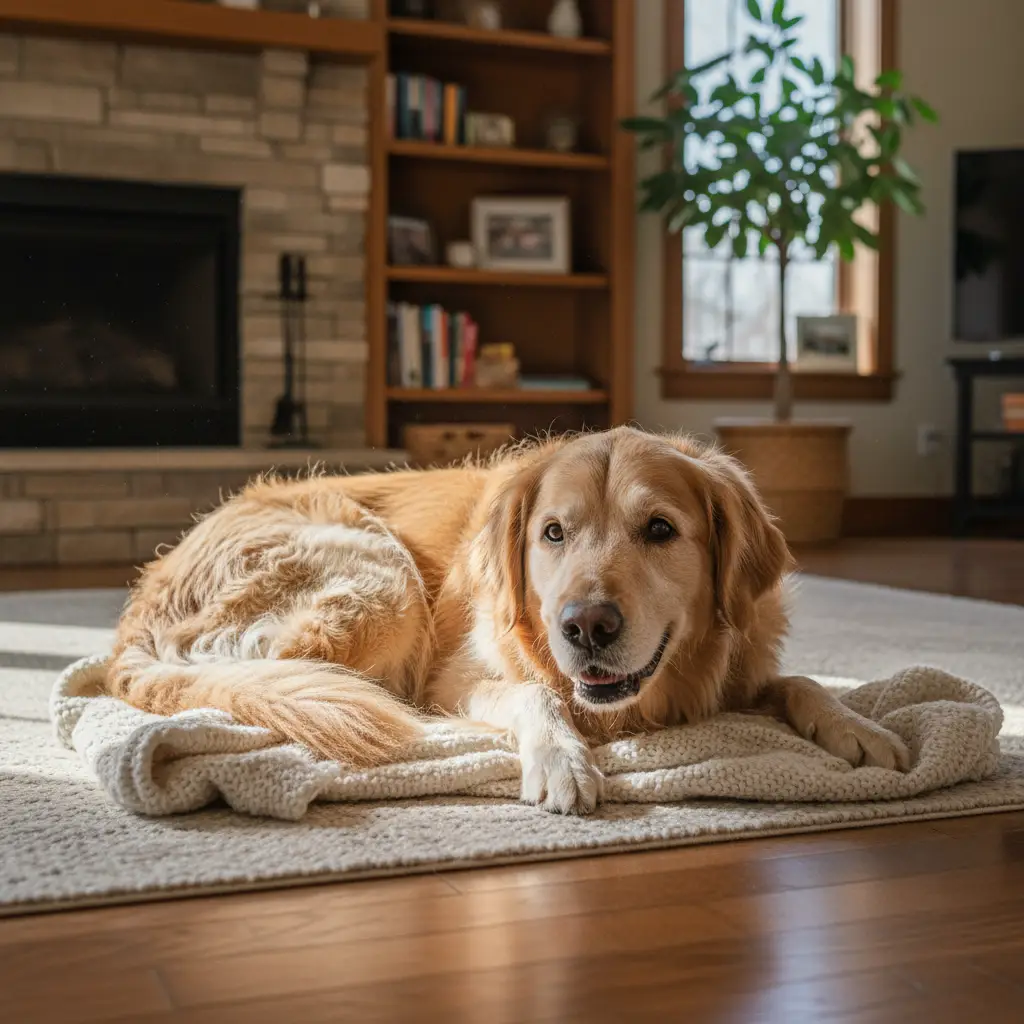
Perhaps one of the most heartwarming aspects of senior pet adoption is the immense affection and gratitude they bestow upon their new families. Having often experienced loss or neglect, these animals seem to genuinely appreciate the comfort, safety, and love they receive in their forever homes. Their affection is often deep, unwavering, and freely given. They bond strongly with their rescuers, becoming incredibly loyal and devoted companions. The quiet joy of a senior dog resting their head on your lap or a senior cat purring contentedly beside you is an unparalleled reward, enriching your life in ways you might not have anticipated.
Special Care Needs of Senior Animals
While senior pets bring immense joy, it’s crucial for prospective adopters in New Zealand to understand that they often come with specific care requirements tailored to their age. Proactive management of their health and environment can ensure their golden years are as comfortable and happy as possible.
Regular Veterinary Check-ups and Health Management
As pets age, they become more susceptible to a range of health issues. Regular veterinary check-ups are paramount, ideally twice a year, to catch any potential problems early. These check-ups typically include blood tests, urine analysis, and a thorough physical examination to monitor organ function, detect arthritis, dental disease, thyroid imbalances, or emerging conditions like kidney disease or diabetes. Early detection often allows for more effective treatment and better management of chronic conditions, significantly improving their quality of life and potentially extending it. Be prepared for potential ongoing medication or specialist referrals, which are common for senior animals.
Dietary Considerations for Older Pets
The nutritional needs of senior pets differ from younger animals. Their metabolism slows, they may be less active, and their digestive systems can become more sensitive. A diet specifically formulated for senior pets is often recommended. These diets are typically lower in calories to prevent obesity, higher in fibre for digestive health, and fortified with supplements like glucosamine and chondroitin for joint support. Your vet can provide tailored dietary advice, recommend specific brands, or suggest adjustments for pets with conditions like kidney disease or diabetes. Ensuring they have fresh water available at all times is also crucial, especially for kidney health.
Joint Care and Mobility Support
Arthritis and other degenerative joint diseases are common in older pets, leading to pain and reduced mobility. Symptoms can include limping, difficulty standing up, reluctance to jump or climb stairs, and general stiffness. Your vet may recommend supplements, anti-inflammatory medications, or even physiotherapy. At home, you can make significant improvements to their comfort by providing orthopaedic beds, ensuring easy access to food and water bowls, and using ramps or pet stairs to help them navigate furniture or vehicles. Keeping them at a healthy weight is also vital to reduce strain on their joints.
Mental Stimulation and Comfort
Mental stimulation remains important for senior pets to keep their minds sharp and prevent cognitive decline. Gentle games, puzzle toys, and short, regular walks (if mobility allows) can provide enrichment. Creating a calm, safe, and comfortable environment is also key. This includes warm bedding in draft-free areas, easy access to their favourite resting spots, and a consistent routine. Avoid sudden changes to their environment or schedule, as this can cause stress. For more information on pet care in New Zealand, the SPCA New Zealand website offers valuable resources.

Finding Senior Pets for Adoption in NZ
Embarking on the journey to adopt a senior pet in New Zealand is a fulfilling endeavour, and there are numerous avenues available to connect you with your future companion. Knowing where to look and what questions to ask will help ensure a smooth and successful adoption process.
Local Shelters and Rescue Organisations
The most common and impactful way to find a senior pet is through local animal shelters and dedicated rescue organisations across New Zealand. Organisations like the SPCA, HUHA (Helping Us Help Animals), Animal Welfare League, and numerous smaller, regional rescues often have senior animals in their care. These organisations typically provide extensive support, including veterinary checks, vaccinations, microchipping, and often initial behavioural assessments before adoption. Visiting their facilities in person, attending adoption events, or regularly checking their websites are excellent ways to discover available senior pets. Many rescues also have foster networks, meaning some senior pets are already in home environments, allowing for more insight into their daily behaviour.
Online Adoption Platforms
Beyond individual shelter websites, several online platforms consolidate listings from various rescues, making it easier to search for senior pets across a wider geographical area. Websites like Trade Me (under their ‘Pets and Animals’ section, filtering for age), Petrescue.org.nz, or the ‘Adopt a Pet’ sections of larger organisations, allow you to filter by age, species, and location. These platforms often include detailed descriptions, photos, and information about the pet’s history and personality, helping you narrow down your search from the comfort of your home. Always ensure that the organisation listing the pet is reputable and transparent about their adoption process.
What to Ask Before Adopting
Before committing to adopting a senior pet, it’s essential to ask thorough questions to ensure you’re fully prepared for their specific needs. Inquire about their known medical history, including any chronic conditions, current medications, and their last vet check-up. Ask about their temperament, whether they get along with children, other pets (cats, dogs), and strangers. Understanding their house-training status, leash manners, and any known anxieties or fears (e.g., thunderstorms, loud noises) will help you prepare your home and routine. A reputable rescue will be happy to provide detailed answers and often offer a trial period or ongoing support post-adoption.
Preparing Your Home for a Senior Pet
Once you’ve found your senior companion, preparing your home environment is a crucial step to ensure their transition is as stress-free and comfortable as possible. Thoughtful adjustments can make a significant difference to their quality of life, accommodating any age-related limitations they may have.
Creating a Safe and Accessible Environment
Senior pets may have reduced mobility, vision, or hearing, requiring some modifications to your home. Ensure their sleeping area is easily accessible, perhaps on the ground floor, and in a quiet, draft-free spot. Use non-slip mats on slippery floors (like tiles or polished wood) to prevent falls, especially in high-traffic areas or where they eat and drink. Ramps can be invaluable for helping them access furniture, cars, or even a few stairs if they struggle. Keep essential items like food, water, and litter trays (for cats) within easy reach, and consider raised bowls for dogs with joint pain. Ensure pathways are clear of clutter to prevent tripping hazards, especially if their vision is impaired. For outdoor access, secure fencing and clear steps are important.
Essential Supplies and Comfort Items
Stocking up on the right supplies before your senior pet arrives will ease their adjustment. An orthopaedic bed is a must-have, providing superior support for aching joints. Soft blankets, accessible food and water bowls, and appropriate senior-specific food should be on hand. If they are on medication, ensure you have a plan for administration. Toys suitable for older pets, often softer and easier to manipulate, can provide gentle mental stimulation. A comfortable, well-fitting harness (rather than just a collar) can be beneficial for older dogs, providing better support and reducing strain on their neck. Don’t forget a grooming brush, as older pets may struggle to groom themselves thoroughly, and regular brushing can help maintain their coat health and circulation.
Making Their Golden Years Comfortable
Beyond the initial adoption and home preparation, ensuring a senior pet’s comfort and happiness throughout their golden years requires ongoing dedication, patience, and love. Your role transitions into that of a devoted caregiver, focused on maintaining their well-being and cherishing every moment.
Routine and Patience
Senior pets thrive on routine. A predictable schedule for feeding, walks, potty breaks, and playtime provides a sense of security and reduces anxiety. Consistency helps them adapt and feel safe in their new environment. Patience is also paramount. They may take longer to learn new things, or they might have occasional accidents due to age-related incontinence or confusion. React with understanding and gentle reassurance rather than frustration. Give them space when they need it, and respect their limitations. Remember that their world might be shrinking, and your consistent, loving presence is their anchor.
Love, Affection, and Quality Time
Despite their age, senior pets still crave and deeply benefit from love and affection. Spend quality time with them, whether it’s gentle petting, quiet cuddles on the sofa, or short, leisurely strolls. Engage them in activities they enjoy and can still manage, adapting to their pace. Your presence and attention reinforce their sense of belonging and well-being. Regular gentle grooming sessions not only help maintain their hygiene but also serve as a bonding experience. Showering them with love and making them feel cherished is the most profound gift you can give them.
End-of-Life Planning and Support
One of the hardest aspects of senior pet ownership is facing their eventual decline and end-of-life decisions. It’s a reality that responsible pet owners must consider. Discussing quality of life with your veterinarian, understanding signs of pain or distress, and exploring options like palliative care or humane euthanasia when necessary, are vital steps. Many vets in New Zealand offer home euthanasia services, allowing your pet to pass peacefully in a familiar and comforting environment. Support groups and resources are available to help you cope with pet loss. While heartbreaking, making these difficult decisions with compassion is the final act of love and ensures your beloved senior pet’s comfort until their very last moment.
For further information on responsible pet ownership in New Zealand, including legal responsibilities and care guidelines, consider resources from reputable organisations like the New Zealand Government’s Ministry for Primary Industries (MPI) or local council animal management services.
Conclusion
Adopting a senior pet in New Zealand is a truly compassionate and enriching experience, offering a deserving animal a loving home for their golden years. While they may require specific care and attention, the benefits of their calm demeanor, established personalities, and profound gratitude far outweigh any challenges. By understanding their unique needs, preparing your home, and providing unwavering love, you can offer a senior companion a comfortable, joyful, and dignified retirement. The bond you form with an older pet is deep and unique, a testament to the power of a second chance and the enduring love between humans and animals. Open your heart and home to a senior pet, and you’ll discover a world of quiet affection and unwavering companionship.
People Also Ask
What is the average lifespan of a senior pet adopted in NZ?
The average lifespan of a senior pet adopted in New Zealand varies greatly depending on the species, breed, and their previous health history. Generally, ‘senior’ starts around 7 years for dogs and cats. Many adopted senior pets can live for several more years, often 2-5 years or even longer, with proper care and attention. Some smaller dogs and cats can live well into their late teens or early twenties.
Are senior pets harder to care for than younger pets?
Senior pets often have different care needs rather than ‘harder’ ones. They typically require more regular vet check-ups, potentially specialised diets, and sometimes medication for age-related conditions. However, they are usually calmer, already house-trained, and require less intense physical exercise than younger pets, which can make their daily care less demanding in some aspects.
How much does it cost to adopt a senior pet in NZ?
The adoption fee for a senior pet in New Zealand typically ranges from NZD $100 to $400, depending on the rescue organisation and the animal. This fee usually covers initial veterinary checks, vaccinations, microchipping, and de-sexing. Be prepared for potential ongoing vet expenses related to age-related health conditions.
Can senior pets bond with new owners?
Absolutely! Senior pets are highly capable of forming strong bonds with new owners. In fact, many senior pets show immense gratitude and affection towards their rescuers. They often adapt well to new environments when given patience, routine, and consistent love, quickly becoming devoted and loyal companions.
What are common health issues for senior pets in New Zealand?
Common health issues for senior pets in New Zealand include arthritis and joint pain, dental disease, kidney disease, heart conditions, diabetes, thyroid imbalances, and cognitive dysfunction (similar to dementia in humans). Regular veterinary check-ups are crucial for early detection and management of these conditions.
Where can I find reputable senior pet rescues in NZ?
Reputable senior pet rescues in New Zealand can be found through organisations like the SPCA New Zealand, HUHA (Helping Us Help Animals), Animal Welfare League, and various smaller, regional shelters and rescue groups. Online platforms like Petrescue.org.nz and Trade Me’s pets section (with appropriate filters) also list senior pets from various rescues.
