Choosing the best pet for your NZ lifestyle involves a thoughtful assessment of your living situation, time, and personal preferences, ensuring a harmonious and fulfilling relationship for both you and your new companion. It’s about finding a pet whose needs align perfectly with what you can genuinely provide, fostering responsible ownership from day one.
Assessing Your Lifestyle & Home
Embarking on the journey of pet ownership in New Zealand is an exciting prospect, but the initial step must always be a candid assessment of your current lifestyle and home environment. A pet is a living being with unique needs, and understanding your capacity to meet these needs is paramount for a happy, healthy future together. Rushing into a decision can lead to challenges and, unfortunately, can sometimes result in pets needing rehoming. By thoroughly evaluating these factors, you lay the groundwork for a successful and enduring companionship.
Time Commitment and Daily Routines
Every pet, regardless of its size or species, demands a significant time commitment. This isn’t just about feeding them; it encompasses daily exercise, grooming, playtime, training, and simple companionship. Dogs, particularly active breeds, require multiple walks a day, dedicated training sessions, and mental stimulation. Cats, while often perceived as more independent, still thrive on interactive play and regular attention. Smaller pets like rabbits or guinea pigs need daily cage cleaning, feeding, and supervised out-of-cage time.
Consider your daily schedule. Do you work long hours away from home? Is your lifestyle unpredictable with frequent travel? A pet that thrives on constant human interaction might struggle in a household where it’s left alone for extended periods. Conversely, if your schedule is routine and allows for consistent interaction, a more demanding companion might be a perfect fit. Be honest about how much quality time you can realistically dedicate each day and week, factoring in unexpected events or changes to your routine.
Living Space & Environment
Your living space plays a crucial role in determining the suitability of certain pets. An apartment in a bustling city centre will present different challenges and opportunities than a rural property with acres of land. Dogs, especially large or high-energy breeds, often require secure outdoor space for exercise and exploration. A small city apartment might be suitable for a calm, smaller dog breed or a cat, provided they receive adequate mental and physical stimulation indoors and through regular outings.
Beyond the size of your home, think about its specific features. Do you have a fenced yard? Are there safe areas for a pet to explore? Consider potential hazards, noise levels, and the presence of other pets or young children. Some pets, like certain bird species, require quiet environments, while others, like social dogs, might thrive in a busy household. If you rent, ensure your tenancy agreement allows pets and understand any specific rules or limitations your landlord might have.
Financial Readiness
Pet ownership is a significant financial undertaking, extending far beyond the initial adoption fee. Prospective owners must budget for ongoing expenses such as quality food, routine veterinary check-ups, vaccinations, parasite prevention (flea, worm, tick treatments), and grooming. Factor in the cost of toys, bedding, leashes, collars, litter, and potentially training classes.
Crucially, be prepared for unexpected veterinary emergencies. These can be costly, and pet insurance is a wise investment that can help mitigate financial stress during difficult times. Different breeds or species can also have varying health predispositions that might incur higher vet bills over their lifetime. Research these potential costs thoroughly and ensure you have a financial plan in place to provide your pet with the best possible care for their entire life.
Future Planning
A pet’s lifespan can range from a few years for small rodents to over a decade for cats and dogs, and even longer for some birds or reptiles. This means pet ownership is a long-term commitment that often spans significant life changes. Consider how a pet might fit into your life five, ten, or even fifteen years down the line. Are you planning to move? Will your family grow? Do you anticipate changes in your career or living situation?
Responsible pet owners plan for these eventualities. This might involve identifying pet-friendly housing options, establishing a network of pet sitters or boarding facilities for travel, and having a contingency plan in case you become unable to care for your pet temporarily or permanently. Understanding this lifelong commitment helps ensure stability and security for your animal companion.
Considering Different Pet Personalities
Pets, much like people, have distinct personalities and temperaments. Matching a pet’s innate characteristics with your own lifestyle and expectations is crucial for a fulfilling relationship. This section explores the general traits of common pet types in NZ, helping you narrow down your choices based on inherent behaviours and needs.

Canine Companions: The Loyal Dog
Dogs are renowned for their loyalty, companionship, and boundless energy. However, the spectrum of dog breeds means there’s incredible variety in their needs and temperaments. Some breeds are high-energy, requiring extensive daily exercise and mental stimulation to prevent boredom and destructive behaviours. Think about Border Collies, Jack Russell Terriers, or many working dog types. Others are more content with moderate activity and enjoy lounging, such as Greyhounds (often surprisingly couch potatoes), or some bulldog breeds.
Training is fundamental for dogs, irrespective of breed. Early socialisation and consistent positive reinforcement training are key to raising a well-adjusted dog that integrates seamlessly into your household and community. New Zealand has specific dog control laws, including requirements for registration, microchipping, and often desexing, which vary by local council. Always research these obligations before bringing a dog home. Consider whether you prefer a playful puppy, which requires intensive training, or an older, calmer dog from a rescue, which may already be house-trained and settled.
Feline Friends: The Independent Cat
Cats are often celebrated for their independence, making them a popular choice for those with busier lifestyles. While they don’t typically require daily walks like dogs, cats still need significant interaction, playtime, and mental enrichment to thrive. Their grooming needs vary greatly by coat length, with long-haired breeds requiring daily brushing to prevent mats.
A significant consideration in New Zealand is the choice between an indoor or outdoor cat. While outdoor cats enjoy exploration and hunting, they can pose a threat to native wildlife. Many responsible cat owners opt for indoor-only cats or provide secure outdoor enclosures (“catios”) to protect wildlife and keep their pets safe from traffic and other hazards. Regardless of whether they are indoor or outdoor, cats need regular veterinary care, including vaccinations, parasite control, and desexing.
Small & Exotic Pets: Beyond Cats and Dogs
For those unable to commit to a cat or dog, or seeking something different, a variety of small and exotic pets are available in NZ. Rabbits and guinea pigs are popular choices, offering delightful companionship. They require spacious, clean enclosures, a specific diet (high-fibre hay is crucial), and opportunities for daily exercise outside their cage. They are social animals and often thrive in pairs or small groups.
Birds, fish, and reptiles also offer unique pet experiences. Each has highly specific environmental, dietary, and enclosure requirements. For instance, many parrot species are intelligent and require significant mental stimulation and social interaction, while fish tanks need meticulous water quality management. Before considering an exotic pet, thoroughly research their needs, lifespan, and any legal restrictions or permits required in New Zealand, as some species are protected or regulated under biosecurity laws.
Matching Pet Temperament to Your Own
Understanding your own personality and energy levels is just as important as understanding your pet’s. Are you a high-energy individual who loves outdoor adventures? A robust, active dog breed might be your ideal companion. Do you prefer quiet evenings at home, enjoying a good book? A calm cat or a small, self-contained pet might be a better fit. Consider your patience levels for training, your tolerance for noise, and your willingness to manage potential pet-related messes.
When adopting from a rescue organisation like Pet Rescue NZ, staff can be invaluable in helping you find a pet whose temperament aligns with your lifestyle. They often have detailed knowledge of individual animals’ personalities and can guide you towards a suitable match, whether it’s a shy cat, an energetic puppy, or an older, gentle dog looking for a quiet home.
Breeds & Their Needs in NZ Climate
New Zealand’s diverse climate, ranging from temperate coastal regions to colder alpine areas and everything in between, means that a pet’s breed-specific needs, particularly regarding their physical traits, can significantly impact their well-being. Understanding how a breed’s characteristics interact with the local environment is crucial for responsible pet ownership.
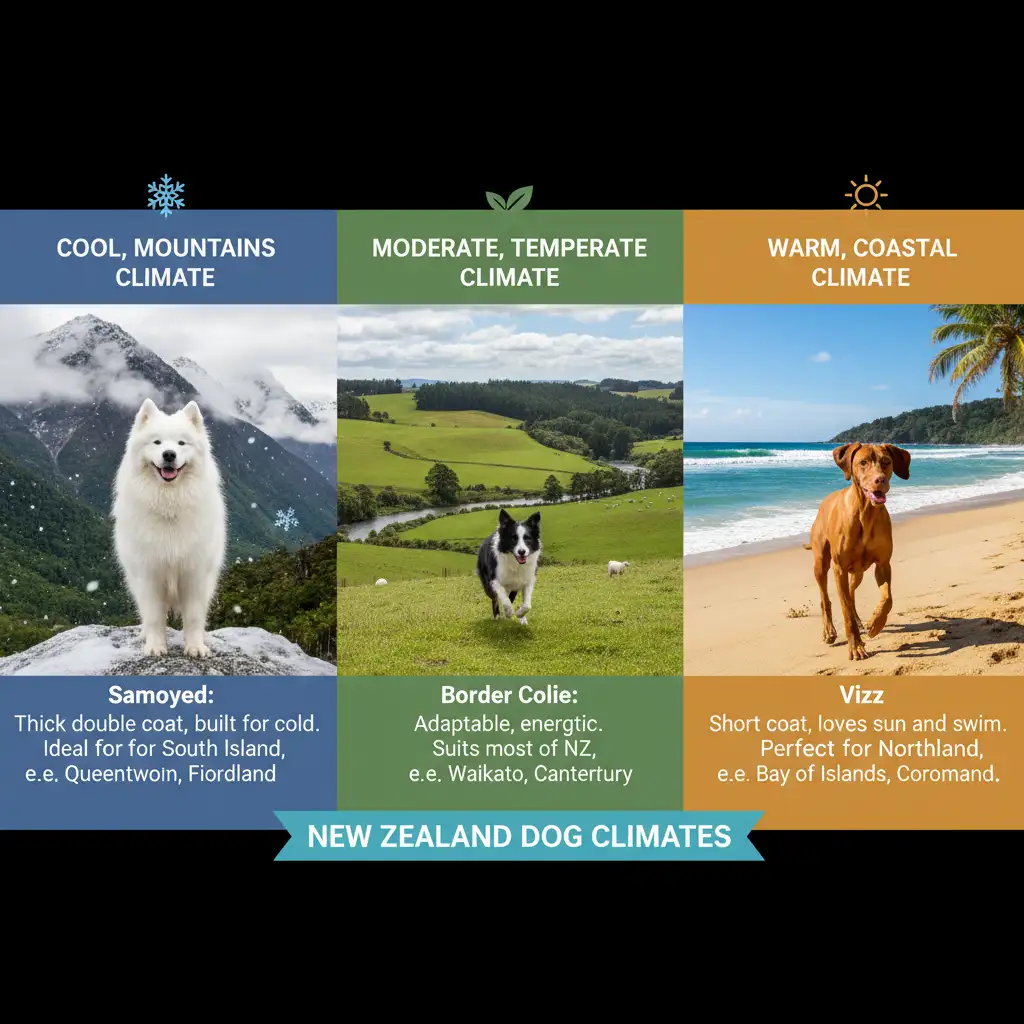
Adapting to New Zealand’s Diverse Climate
New Zealand experiences a range of weather patterns. The North Island generally enjoys warmer temperatures, while the South Island can have colder winters and more extreme weather events. Dogs with thick double coats, like Siberian Huskies or Bernese Mountain Dogs, are well-equipped for colder climates but can struggle significantly in hot, humid conditions without proper cooling measures. Conversely, short-haired breeds with minimal undercoats, such as Greyhounds or Whippets, may need coats or sweaters during cooler months.
Brachycephalic (flat-faced) breeds like Pugs, Bulldogs, and some Persian cats are particularly susceptible to heat stroke due to their compromised airways and require extra vigilance in warmer weather. Their inability to cool themselves efficiently makes them unsuitable for active lifestyles in hot climates. Always consider the local climate where you live in NZ and how it will impact your chosen pet’s comfort and health year-round.
Grooming for NZ Conditions
The New Zealand environment can pose specific grooming challenges. Muddy conditions, especially during wetter seasons, can quickly turn long-haired dogs into matted messes, requiring frequent baths and brushing. Coastal living might mean exposure to sand and saltwater, which can irritate skin or tangle fur. Certain plants and grasses, while beautiful, can also shed seeds (e.g., grass seeds) that burrow into paws or ears, leading to infections.
Regular grooming, tailored to your pet’s coat type and your local conditions, is essential. This includes brushing, bathing, ear cleaning, and nail trims. Investing in professional grooming can also be beneficial, especially for breeds with complex coats. Researching a breed’s specific grooming requirements and ensuring you’re prepared for the time and cost involved is a key part of responsible pet ownership in NZ.
Common Health Considerations for Specific Breeds in NZ
Just as certain breeds are prone to specific health issues globally, some conditions might be exacerbated by or particularly relevant to the New Zealand context. For example, joint problems common in larger breeds (like hip or elbow dysplasia in German Shepherds or Labradors) might be more painful if the dog is regularly navigating uneven terrain or suffering from arthritis in colder, damp conditions.
Awareness of breed-specific predispositions, combined with local environmental factors, allows for proactive health management. Discuss potential health concerns with a veterinarian knowledgeable about your chosen breed and the local environment. Regular vet check-ups are vital for early detection and management of any health issues. Choosing a pet from a reputable breeder or rescue organisation that screens for genetic conditions can also mitigate risks.
The Benefits of Adopting a Mixed Breed
While purebred dogs and cats offer predictable traits, mixed-breed animals often boast what is known as ‘hybrid vigour.’ This refers to the increased genetic diversity that can make them less susceptible to the breed-specific genetic health problems sometimes seen in purebreds. Mixed breeds come in an incredible variety of shapes, sizes, and temperaments, making them a fantastic option for those seeking a unique companion.
Adopting a mixed-breed animal from a rescue organisation like Pet Rescue NZ not only gives a deserving animal a second chance but also often means you’re getting a pet whose temperament has been assessed by experienced staff. They can provide insights into the animal’s personality, energy levels, and known history, helping you find a ‘best fit’ without the specific breed-related predispositions. This aligns perfectly with the ethos of responsible pet ownership and contributing positively to animal welfare in New Zealand.
Long-term Commitment Considerations
Bringing a pet into your life is a profound commitment, promising years of joy, companionship, and unconditional love. However, it also entails ongoing responsibilities that evolve as your pet ages. Understanding and preparing for these long-term aspects of pet ownership are crucial for providing a stable, happy, and healthy life for your animal companion in New Zealand.
Training and Socialization
Effective training and socialization are cornerstones of responsible pet ownership, particularly for dogs, but also beneficial for cats and other animals. Early socialization exposes pets to various sights, sounds, people, and other animals in a positive manner, helping them develop into well-adjusted, confident companions. This is vital for preventing behavioural issues such as fear, aggression, or excessive shyness.
For dogs, consistent training, whether through formal classes or at home, establishes clear communication and boundaries, making them better citizens in your home and the wider community. New Zealand offers numerous dog training clubs and professional trainers who can guide you. Remember that training is an ongoing process, not a one-time event, and should adapt as your pet learns and ages. A well-trained and socialised pet is a happier pet and a more welcome member of the community.

Healthcare and Wellness
Throughout your pet’s life, regular veterinary care is non-negotiable. This includes annual check-ups, necessary vaccinations (e.g., for parvovirus, distemper in dogs; feline flu, enteritis in cats), and consistent parasite prevention (fleas, ticks, worms). As pets age, their healthcare needs often increase, potentially requiring more frequent vet visits, specialized diets, or medication for age-related conditions.
Beyond routine care, it’s wise to have a plan for emergency situations. Knowing the location of your nearest after-hours veterinary clinic and having funds set aside (or pet insurance) for unexpected illnesses or injuries can be a lifesaver. Good nutrition, appropriate exercise, and a stimulating environment are also key components of long-term wellness, preventing many health issues before they arise.
Ageing Pets and End-of-Life Care
Just like humans, pets age, and with age come unique needs and challenges. Senior pets may experience decreased mobility, vision or hearing loss, cognitive decline, and increased susceptibility to chronic diseases. Providing comfort, adjusting their environment, and adapting their care routine become increasingly important. This might involve softer bedding, ramps, special diets, or regular pain management.
The most difficult aspect of pet ownership is often facing their eventual decline and making end-of-life decisions. Planning for this difficult time involves considering palliative care options, understanding when it might be time to say goodbye, and making arrangements for euthanasia and remembrance. Open communication with your veterinarian and emotional support networks can help navigate this incredibly challenging but ultimately loving part of responsible pet ownership.
Responsible Pet Ownership in NZ
New Zealand has a strong framework for responsible pet ownership, primarily governed by local council bylaws and the Animal Welfare Act 1999. Key aspects include microchipping and registration for dogs (and recommended for cats), ensuring pets are desexed (often a requirement for registration discounts and preventing unwanted litters), and providing adequate shelter, food, water, and veterinary care.
Understanding and adhering to these regulations is not just about compliance; it’s about contributing to a community where animals are valued and protected. Responsible ownership also extends to public behaviour, such as picking up after your dog, keeping them on a leash where required, and preventing nuisance barking. Organisations like the SPCA New Zealand and your local council offer valuable resources and guidance on best practices for pet ownership in Aotearoa.
Conclusion
Choosing the right pet for your New Zealand lifestyle is a deeply personal and significant decision, one that promises immense rewards when approached thoughtfully. By carefully assessing your lifestyle, home environment, financial readiness, and long-term commitment, you set the foundation for a harmonious relationship. Understanding the unique personalities and breed-specific needs, especially in the context of NZ’s diverse climate, ensures you can provide the best possible care.
Ultimately, responsible pet ownership is about more than just providing food and shelter; it’s about committing to a lifetime of care, training, health, and companionship. We encourage you to consider adopting from a reputable rescue organisation like Pet Rescue NZ. They offer invaluable support in matching you with a pet whose needs and temperament align perfectly with yours, ensuring a loving forever home for an animal in need and a cherished companion for you.
People Also Ask
What is the most low-maintenance pet for an apartment in New Zealand?
For an apartment in New Zealand, a low-maintenance pet might include certain cat breeds (especially older, calmer rescues), fish, or small caged pets like guinea pigs. These generally require less outdoor exercise than dogs and can adapt well to smaller spaces, provided their specific indoor enrichment and care needs are met.
Are there any specific pet ownership laws in New Zealand I need to know?
Yes, New Zealand has specific pet ownership laws. All dogs must be microchipped and registered with their local council annually. There are also laws regarding dog control, nuisance, and breed restrictions. While cats don’t require registration, microchipping and desexing are highly recommended. The Animal Welfare Act 1999 sets out general responsibilities for all pet owners.
What should I consider before adopting a rescue pet in NZ?
When adopting a rescue pet in NZ, consider their background, any known behavioural issues, and their temperament. Reputable rescue organisations like Pet Rescue NZ will provide thorough assessments and often match you with a pet suited to your lifestyle. Be prepared for a potential adjustment period and understand that rescue pets may come with unique needs or fears.
How much does it cost to own a pet in New Zealand annually?
The annual cost of pet ownership in New Zealand varies significantly by animal. For a dog, expect costs ranging from NZ$1,000 to NZ$3,000+ per year, covering food, vet care, registration, and incidentals. Cats might cost NZ$500 to NZ$1,500 annually. These figures exclude initial adoption fees and potential emergency vet bills, making pet insurance a wise investment.
Which dog breeds handle New Zealand’s varied climate best?
New Zealand’s varied climate means different breeds suit different regions. Generally, adaptable breeds like mixed breeds (mutts), Labradors, or Collies can fare well across various conditions with proper care. Breeds with thick coats need extra cooling in summer, while short-haired breeds need warmth in winter. Flat-faced breeds struggle with heat and should be avoided in very warm climates.
Can I travel with my pet within New Zealand?
Yes, you can travel with your pet within New Zealand, but rules vary by transport provider and accommodation. Many airlines allow small pets in the cabin or as cargo, while Interislander ferries have specific pet zones. Always check policies in advance. When planning trips, ensure pet-friendly accommodation is booked and consider your pet’s comfort and safety during transit.
