Evaluating pet sitters and boarding services in NZ is crucial for ensuring your beloved companion receives exceptional care while you’re away. By diligently researching providers, asking pertinent questions, and understanding industry standards, pet owners can confidently choose a service that aligns with their pet’s unique needs and their personal peace of mind, transforming an anxious wait into a worry-free experience.
When to Use a Pet Sitter vs. Boarding
The decision between a professional pet sitter and a dedicated boarding facility is often the first and most critical choice New Zealand pet owners face. Both options offer distinct advantages and potential drawbacks, making a tailored approach essential for your pet’s well-being. Understanding your pet’s personality, health, and your travel duration will guide you toward the most suitable solution.
Pet Sitting: The Comfort of Home
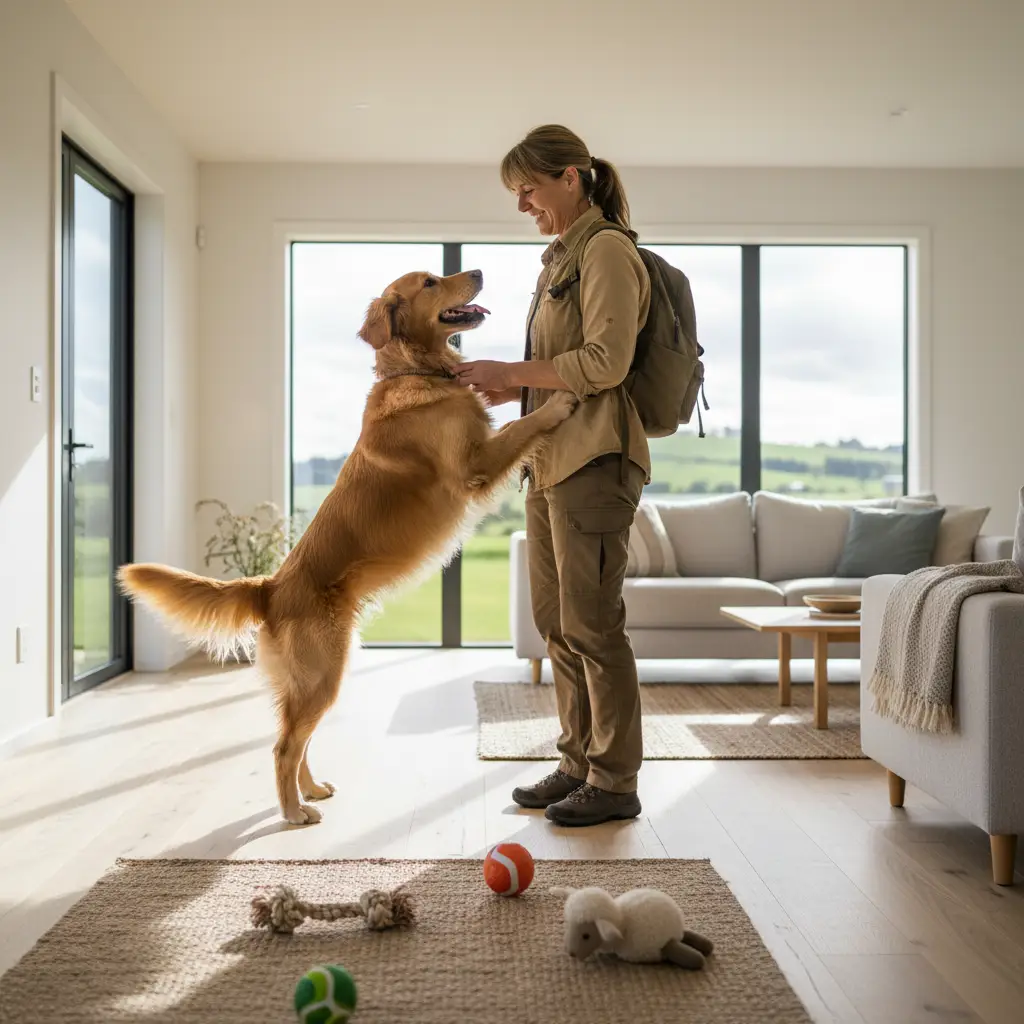
Pet sitting typically involves a professional carer visiting your home, or in some cases, staying overnight. This option is often preferred for pets who thrive in their familiar environment and may experience stress or anxiety when their routine is disrupted. For cats, exotic pets, or dogs with specific territorial needs, in-home pet sitting can significantly reduce stress, allowing them to maintain their established routines, eating habits, and access to their usual comforts. A sitter can also handle mail, water plants, and ensure your home looks occupied, adding an extra layer of security.
- Pros: Reduced stress for pets in their own environment, maintenance of routine, personalized attention, home security benefits, ideal for multi-pet households.
- Cons: Can be more expensive for extended stays, less direct supervision for pets requiring constant monitoring (unless overnight stays are arranged), reliance on one individual.
Boarding Facilities: Structured Care and Socialization
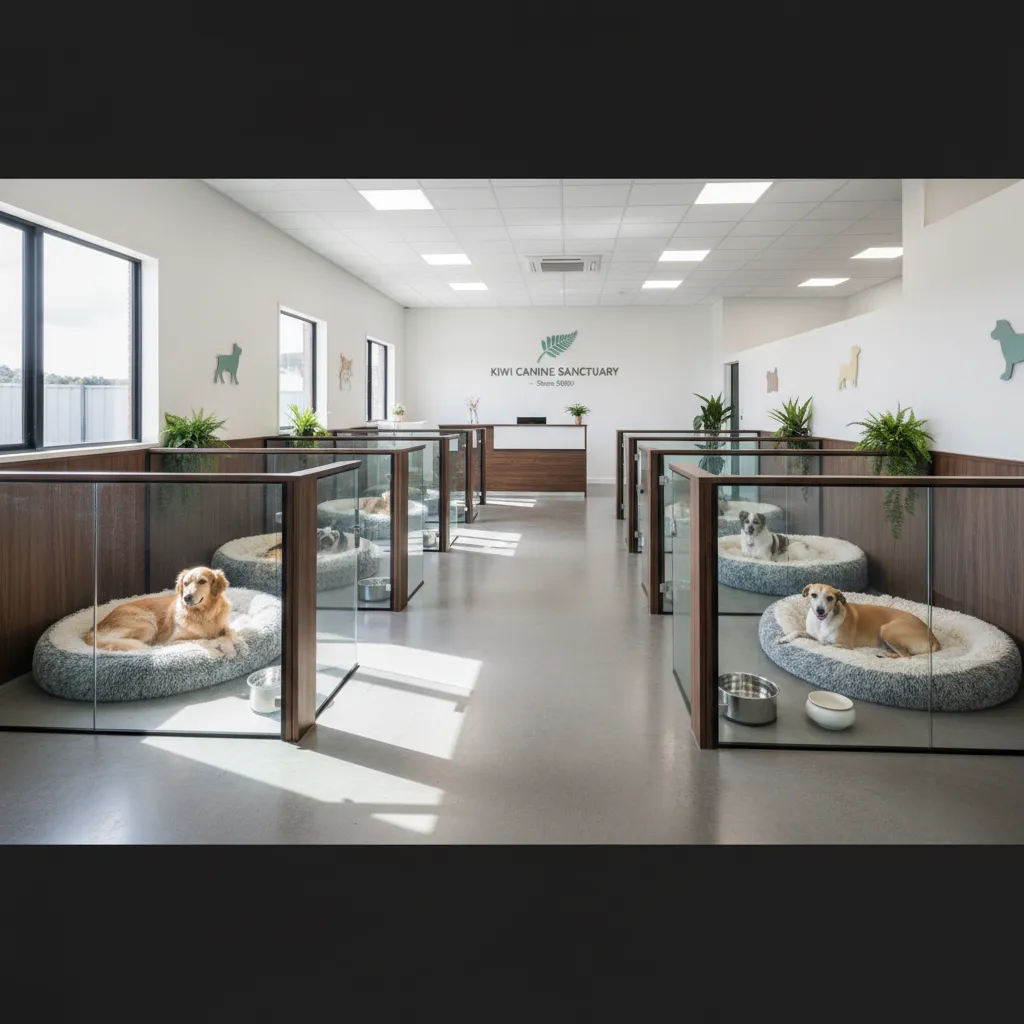
Boarding kennels or catteries provide a structured environment where pets stay at a dedicated facility. Modern boarding facilities have evolved considerably, moving beyond traditional cages to offer spacious runs, communal play areas, and often luxury suites. This option can be excellent for social dogs who enjoy interaction with other canines and thrive on a busy, stimulating atmosphere. Facilities are staffed 24/7, providing constant supervision and immediate access to care in emergencies.
- Pros: Constant professional supervision, opportunities for supervised socialization (for dogs), structured environment, equipped for emergencies, often more affordable for longer durations.
- Cons: Can be stressful for anxious or less social pets, potential for exposure to illnesses (though reputable facilities have strict vaccination policies), unfamiliar environment.
When making this choice, consider your pet’s age, health status (e.g., specific medications, senior needs), temperament (social butterfly vs. homebody), and your specific travel plans. A shy cat might prefer a sitter, while an energetic Labrador might relish a week at a doggy resort. Sometimes, a hybrid approach – a sitter for short trips, boarding for longer vacations – might be the best compromise.
Key Questions to Ask Pet Care Providers
Before entrusting your cherished pet to a care provider, a thorough vetting process is paramount. Asking the right questions will not only provide clarity but also demonstrate your commitment to your pet’s welfare, signaling to potential sitters or boarders that you are a discerning client. This section outlines essential inquiries for both pet sitters and boarding facilities.
For Pet Sitters (In-Home or Home-Based):
- Experience and Background: “How long have you been a professional pet sitter? Can you tell me about your experience with pets similar to mine?” This helps gauge their general expertise.
- References: “Can you provide at least two recent, verifiable references from other clients?” Always follow up and call these references.
- Certifications & Training: “Are you certified in pet first aid and CPR? Do you have any animal care qualifications?” This is a crucial indicator of preparedness for emergencies.
- Insurance & Bonding: “Are you insured and bonded? Can I see proof of your liability insurance?” This protects both you and the sitter in case of accidents or damage.
- Emergency Protocols: “What is your emergency plan? Who is your backup in case of illness or an unforeseen event? How do you handle veterinary emergencies?” Discuss your vet’s contact info and preferred emergency clinic.
- Daily Routine: “What does a typical visit entail? How long are the visits? How many times a day will you visit?” For dogs, inquire about walk durations and potty breaks. For cats, litter box cleaning frequency.
- Communication: “How will you communicate with me? Will you send daily updates, photos, or videos?” Agree on a communication frequency.
- Services Offered & Rates: “What specific services do you offer, and what are your rates? Are there extra charges for administering medication, holiday bookings, or additional pets?” Get a clear breakdown of costs.
- Contract & Policies: “Do you have a service contract? What are your cancellation policies?” A professional sitter will have clear terms.
For Boarding Facilities (Kennels & Catteries):
- Facility Tour: “Can I take a full tour of your facility during operating hours?” Observe cleanliness, safety, noise levels, and the temperament of current boarders.
- Staffing & Supervision: “What is your staff-to-pet ratio? Is there staff on-site 24/7?” Adequate supervision is vital.
- Vaccination Requirements: “What vaccinations do you require for all boarding pets?” This is essential for preventing the spread of disease. A reputable facility will have strict requirements.
- Emergency Procedures: “What are your emergency protocols? Do you have a vet on call, or do you work with specific local vets?” Understand how medical issues are handled.
- Enclosures & Comfort: “What are the size and type of enclosures? Are they climate-controlled? What bedding is provided?” Ensure they are appropriate for your pet’s size and needs.
- Exercise & Socialization: “How often do dogs get exercise? What are the options for supervised play? How are pets introduced to each other?” For cats, inquire about enrichment.
- Feeding & Medications: “How do you handle special diets or medication administration?” Be explicit about your pet’s needs.
- Rates & Additional Services: “What are your basic boarding rates? Are there extra charges for grooming, specialized playtimes, or administering medication?”
- Reviews & Reputation: While you’ll do your own research, it’s fair to ask, “Do you have testimonials or affiliations with local pet organizations?”
Regardless of the service type, pay attention to the provider’s demeanor. Do they seem genuinely caring and knowledgeable? Do they answer your questions thoroughly and patiently? Trust your instincts – a good relationship with your pet care provider is built on open communication and mutual respect.
Essential Safety & Care Standards for Pet Services
The safety and well-being of your pet should be the absolute top priority for any professional pet care service in New Zealand. Understanding the benchmarks for high-quality care will empower you to assess providers critically and ensure your furry, feathered, or scaled friend receives nothing short of excellence. This section delves into the critical safety and care standards you should expect and actively look for.
For Both Pet Sitters and Boarding Facilities:
- Emergency Preparedness: Both types of providers must have clear, actionable emergency plans. This includes knowing the location of the nearest veterinary clinic, having your vet’s contact information readily available, understanding basic pet first aid, and knowing how to administer emergency medication. A good provider will proactively discuss these plans with you.
- Secure Environment:
- For Sitters: The sitter should be diligent about securing your home (locking doors, gates) and ensuring your pet cannot escape during walks or visits.
- For Boarding: Facilities must have secure fencing, double-entry systems, and robust enclosures to prevent escapes and unauthorized access.
- Health and Hygiene Protocols:
- For Sitters: Expect the sitter to maintain a clean environment, especially regarding litter boxes and food/water bowls.
- For Boarding: Superior facilities maintain rigorous cleaning and disinfection schedules. This includes daily sanitization of kennels, play areas, and food preparation spaces. Ask about their protocols for containing contagious illnesses and ensuring all pets are up-to-date on vaccinations.
- Appropriate Supervision: Pets should never be left unsupervised for extended periods, especially in group settings. The level of supervision should be tailored to the pet’s needs and the environment.
Specific Standards for Boarding Facilities:
- Temperature Control and Ventilation: Enclosures must be climate-controlled to ensure pets are comfortable regardless of the weather. Good ventilation is crucial for air quality and reducing the spread of airborne illnesses.
- Adequate Space: Each animal must have enough space to stand, turn around, lie down comfortably, and have separate areas for sleeping and elimination. Overcrowding is a significant red flag.
- Exercise and Enrichment: Dogs should have regular opportunities for supervised exercise outside their enclosures. This might include individual walks or supervised group play. Cats require vertical space, scratching posts, and stimulating toys.
- Dietary Management: Facilities must adhere strictly to your pet’s dietary instructions, including portion sizes, feeding times, and any dietary restrictions. They should be able to administer medication accurately.
- Experienced and Caring Staff: Staff should be trained in animal behavior, care, and health. Their interactions with animals should be gentle, observant, and patient. High staff turnover can be a concern.
Specific Standards for Pet Sitters:
- Reliability and Punctuality: A professional sitter understands the importance of sticking to the agreed-upon schedule, as pets rely on routine.
- Home Security Awareness: Beyond pet care, a sitter is also responsible for the security of your home. They should be mindful of locking doors, setting alarms, and avoiding actions that could compromise your home’s safety.
- Administering Medication: If your pet requires medication, ensure the sitter is comfortable and competent in administering it correctly, including injections if necessary.
New Zealand does not have a single overarching national licensing body specifically for pet sitters or boarding facilities, though some local councils may have regulations. Therefore, reliance on industry best practices, professional associations (like the New Zealand Kennel Club for boarding kennels, or similar associations for pet sitters), and robust personal vetting is crucial. Always check if a provider is a member of any recognized industry body, as this often indicates a commitment to higher standards and ongoing professional development. For general pet welfare guidelines, resources from organizations like the New Zealand Ministry for Primary Industries (MPI) can provide valuable context on responsible animal care.
Deciphering “Reviews” for Pet Sitters & Boarding in NZ
In the digital age, online reviews are often the first port of call for pet owners seeking care services. While incredibly valuable, navigating the landscape of
