Financial help for pet owners in NZ encompasses a range of support systems designed to keep pets with their families during economic hardship. This includes recoverable assistance payments from Work and Income (WINZ) for emergency vet bills, charitable food banks provided by organizations like the SPCA and Paw Justice, and subsidized desexing programs to reduce long-term costs.
Understanding Financial Help for Pet Owners in NZ
New Zealand is a nation of pet lovers, with one of the highest rates of pet ownership in the world. However, the rising cost of living, increasing veterinary fees, and housing instability have created a perfect storm for many animal guardians. The primary goal of financial support systems in this sector is to prevent the heartbreaking decision of surrendering a beloved companion due to a temporary lack of funds.
It is important to recognize that while “free” money is rare, there are numerous avenues for assistance. These range from government loans and charitable grants to community-led initiatives. Understanding the landscape of financial help for pet owners in NZ is the first step toward securing the welfare of your animal without compromising your household’s financial stability.

Government Assistance: Work and Income (WINZ)
One of the most critical, yet often underutilized, resources for pet owners facing emergency costs is Work and Income New Zealand (WINZ). While the government does not provide a specific “pet allowance,” they do acknowledge that veterinary emergencies can be essential costs, particularly when the animal’s welfare is at immediate risk.
Recoverable Assistance Payments
If you are on a benefit or have a low income, you may qualify for a Recoverable Assistance Payment (RAP) or an Advance Payment of Benefit. This is essentially an interest-free loan that you pay back over time through small deductions from your weekly benefit or wages. This funding is typically approved for:
- Emergency veterinary treatment to alleviate pain or suffering.
- Essential costs required to keep the animal alive and healthy.
To access this, you will generally need to provide a quote from your veterinarian detailing the urgency of the treatment. It is advisable to contact Work and Income directly to discuss your specific eligibility before committing to the procedure.
Pet Food Banks and Nutrition Support
Food insecurity is a major driver of pet surrender. Fortunately, a network of charities across New Zealand has mobilized to ensure that no pet goes hungry. These organizations operate similarly to human food banks, providing wet and dry food, and occasionally flea and worm treatments, to families in need.
Major Organizations Providing Food Support
The SPCA: Many local SPCA centres operate pet food banks for owners struggling financially. This is often dependent on public donations, so availability can fluctuate. It is best to call your local centre to check stock levels.
Paw Justice: This charity runs a dedicated Pet Food Bank program. They partner with other community services to distribute food to those who are struggling to feed their animals.
Community Pantries (Pātaka Kai): Across New Zealand, open street pantries often contain pet food donated by neighbours. While not a guaranteed source, they are a valuable community resource for immediate, short-term relief.
Low-Cost Veterinary Care and Desexing
Veterinary bills are the single largest expense for pet owners aside from food. Preventative care, specifically desexing (neutering/spaying), is crucial not only for health but for reducing the number of unwanted litters that burden the rescue system.
Desexing Campaigns
Organizations like the SPCA and local councils frequently run “Snip ‘n’ Chip” campaigns. These initiatives offer heavily subsidized or sometimes free desexing and microchipping for cats and dogs in specific lower-income postcodes. Keeping an eye on the Facebook pages of local animal charities is the best way to catch these limited-time offers.
Community Veterinary Clinics
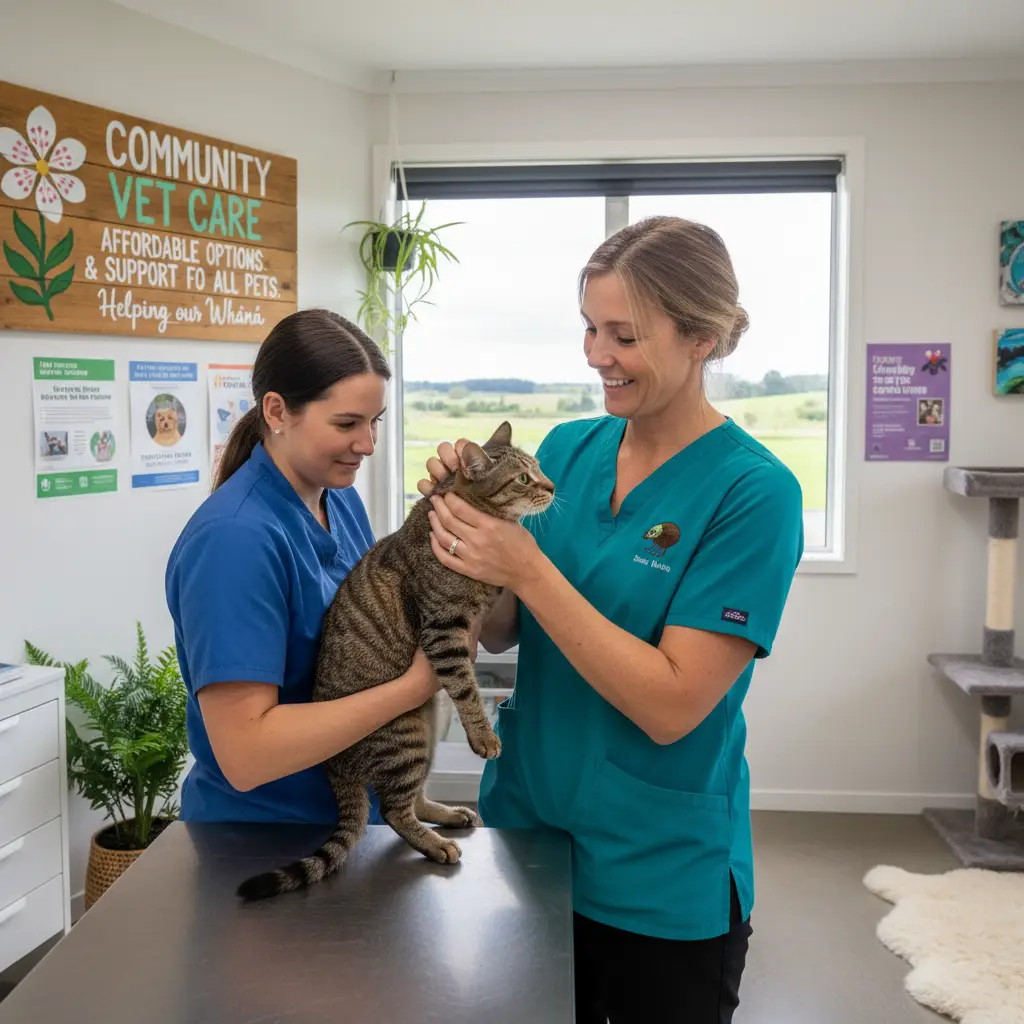
In some regions, charitable trusts operate low-cost clinics. For example, the Community Vet Clinic in Auckland provides reduced-cost services for Community Services Card holders. These clinics prioritize basic care, vaccinations, and desexing to ensure essential veterinary medicine is accessible to everyone.
Payment Plans and Veterinary Finance
When government aid or charity isn’t an option, or when the cost exceeds what they can cover, third-party financing is a viable alternative to immediate full payment. Most New Zealand veterinary clinics expect payment at the time of service, but many have partnered with finance providers to help spread the cost.
VetCare Finance and Smartcover
specialized lending companies like VetCare Finance offer loans specifically for veterinary procedures. These usually require a credit check, but they offer the ability to pay off a large surgery bill over 12 to 24 months. While interest rates apply, this can be a life-saving option for emergency surgeries.
Buy Now, Pay Later (BNPL)
An increasing number of clinics now accept Afterpay, Zip, or Laybuy. These services allow you to split a bill (usually up to a certain limit like $1,000 or $2,000) into four interest-free payments over six to eight weeks. This is ideal for mid-range costs like dental work or minor injuries.
Rental Assistance and Housing Support
Housing security is inextricably linked to pet retention. In New Zealand’s tight rental market, finding a pet-friendly home is difficult, and “pet bonds” (additional bond money specifically for pets) are currently not legally enforceable under the Residential Tenancies Act, although landlords can charge for damage caused by pets.
Negotiating with Landlords
While you cannot offer a higher bond, you can offer a “Pet CV.” This document should include references from previous landlords regarding your pet’s behavior, proof of desexing and registration, and up-to-date vaccination records. Demonstrating responsible ownership often alleviates a landlord’s financial fears regarding property damage.
Temporary Boarding Assistance
If you are facing emergency housing or homelessness, organizations like Pet Refuge provide temporary shelter for pets of owners escaping domestic violence. While not strictly “financial aid,” this service removes the cost of commercial boarding, which would otherwise be impossible for someone in a crisis situation.
Crowdfunding and Community Grants
The power of community should never be underestimated. New Zealanders are known for their generosity, and crowdfunding has become a legitimate way to fund emergency veterinary care.
Using Givealittle
Givealittle is New Zealand’s primary crowdfunding platform. To run a successful campaign for your pet:
- Be Transparent: Upload a photo of the vet bill or a written quote from the clinic. Verification increases trust.
- Tell a Story: Explain what your pet means to you and why you need help right now.
- Update Donors: Keep the page updated with the pet’s progress.
Breed-Specific Rescues
If you own a specific breed (e.g., Greyhounds, Labradors), there may be a breed-specific rescue group willing to assist. While they primarily focus on rehoming, some have hardship funds or can connect you with donors who want to help keep the dog in its current home.

When to Seek Financial Support
Timing is everything. One of the biggest mistakes pet owners make is waiting until a condition is critical before seeking help. Emergency after-hours care is significantly more expensive than scheduled consultations.
Proactive steps include:
- Early Communication: Talk to your vet the moment you realize you cannot pay. They may be able to offer a cheaper treatment plan or direct you to a charity before the bill balloons.
- Insurance: While it is an upfront cost, pet insurance is the ultimate financial safety net. If you are currently financially stable, getting insurance now prevents future financial shocks.
- Budgeting for Basics: Utilize food banks for nutrition so you can save cash for medical needs. Prioritize flea and worm treatments, as infestations can lead to expensive secondary health issues like anemia or dermatitis.
According to the Citizens Advice Bureau, knowing your rights and available resources before a crisis hits is the best defense against financial hardship. Do not wait until the emergency occurs to research your options.
Frequently Asked Questions
Does WINZ pay for vet bills in NZ?
WINZ does not pay vet bills directly as a grant, but they may offer a Recoverable Assistance Payment (RAP) or an Advance Payment of Benefit. This is a loan that must be paid back. Eligibility depends on your income, assets, and the urgency of the veterinary treatment required to prevent suffering.
Where can I get free dog food in NZ?
You can access free dog food through the SPCA’s pet food banks, Paw Justice, and various community pantries (Pātaka Kai). Local Salvation Army or City Mission centres may also have pet food available upon request.
Is there free vet care in NZ?
Completely free vet care is very rare. However, the Community Vet Clinic (Auckland) and various SPCA centres offer subsidized or low-cost care for Community Services Card holders. Occasional “Snip ‘n’ Chip” campaigns provide free desexing and microchipping.
Can I get a grant for my dog’s surgery?
Specific grants for private ownership are rare. Most financial aid comes in the form of loans (WINZ, VetCare Finance) or crowdfunding (Givealittle). Some breed-specific charities may offer small hardship grants in exceptional circumstances.
How can I pay vet bills with no money?
If you have no immediate funds, you can apply for a WINZ advance, use a Buy Now Pay Later service like Afterpay (if the clinic accepts it), apply for medical finance, or start a Givealittle campaign. Always inform your vet of your financial situation immediately.
Who helps with vet bills in NZ?
Help is available through Work and Income (loans), the SPCA (subsidized desexing/food), Paw Justice (food support), and finance companies like VetCare Finance. Friends and family or the wider community via crowdfunding are also common sources of support.
