Guinea pig rescue NZ refers to the network of dedicated animal welfare organizations and private sanctuaries across New Zealand committed to rehabilitating, medically treating, and rehoming displaced cavies. These rescues provide a vital alternative to pet stores, prioritizing education on proper husbandry, companionship, and health checks to ensure successful, lifelong adoptions.
The Plight of Pocket Pets in New Zealand
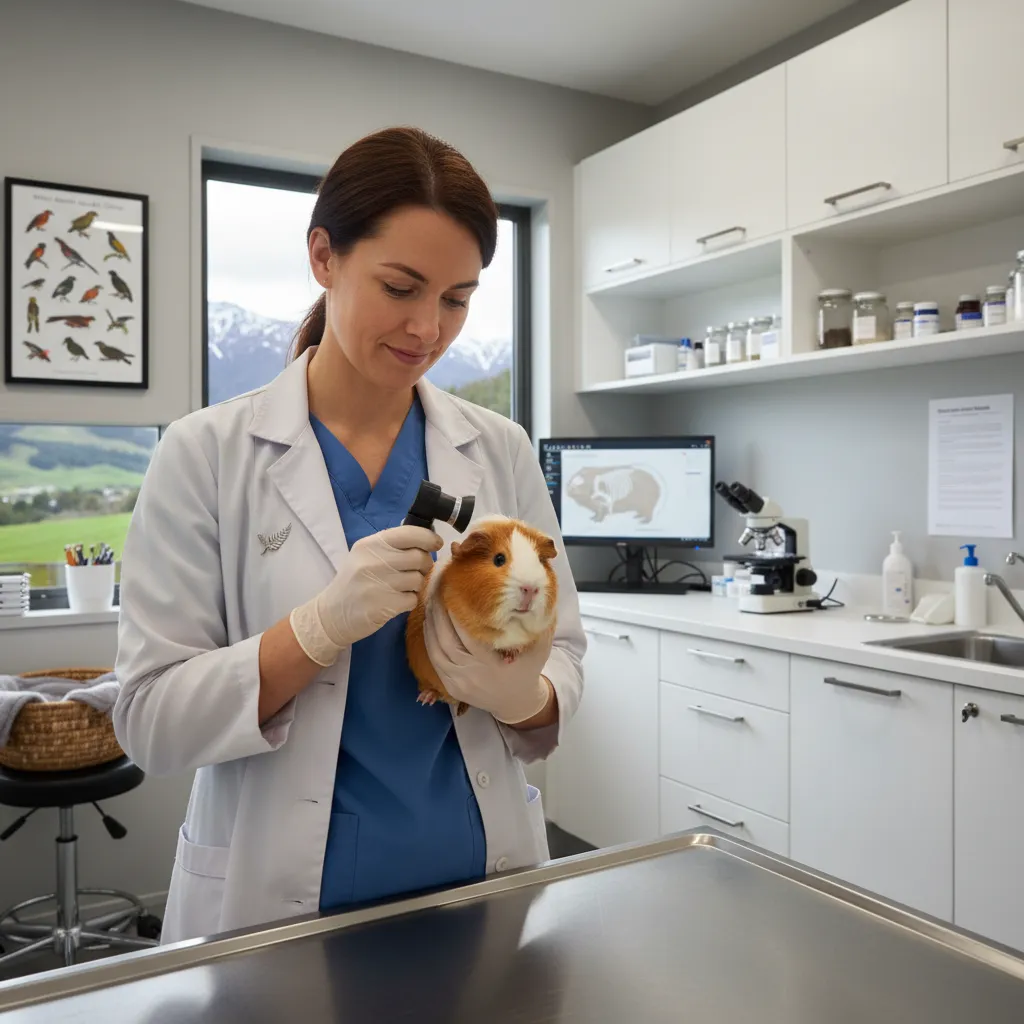
In New Zealand, guinea pigs (often referred to affectionately as “piggies” or by their scientific name, Cavia porcellus) face a unique welfare crisis. Often marketed erroneously as “starter pets” for young children, these complex, sensitive creatures are frequently purchased on impulse from commercial pet stores without a full understanding of their long-term needs. This misconception leads to a cycle of neglect and surrender that overwhelms local shelters and specialized rescues.
The narrative that a guinea pig is a low-maintenance pet that can thrive in a small wooden hutch at the bottom of the garden is a dangerous myth. In reality, the New Zealand climate—often damp and fluctuating in temperature—can be fatal for these animals if they are not housed correctly. Furthermore, the sheer volume of backyard breeding exacerbates the population crisis. Unlike cats and dogs, which have seen significant desexing advocacy, pocket pets are often allowed to breed indiscriminately, leading to an influx of unwanted litters that end up at the doors of the SPCA and private rescues.
Rescues across the country report that the most common reasons for surrender include “loss of interest” by children, unexpected veterinary costs, or housing issues. This highlights a critical gap in public education. A dedicated guinea pig rescue NZ hub acts not just as a shelter, but as an educational force, striving to shift the cultural perception of these animals from disposable commodities to valued family members requiring 5-7 years of committed care.
The Gold Standard: Proper Guinea Pig Husbandry
To truly understand the mission of a guinea pig rescue, one must understand the standard of care they advocate for. Rescues will generally not rehome animals to environments that do not meet these modern welfare standards. The days of the small, wire-bottomed cage are over; today, welfare is measured by space, enrichment, and social interaction.
Space Requirements
The most significant advocacy point for NZ rescues is housing size. Most commercial cages sold in general pet stores are drastically too small. Welfare experts recommend a minimum of 0.7 square meters (roughly 7.5 square feet) for two guinea pigs, though 1 square meter (10.5 square feet) is preferred. This allows for distinct zones for sleeping, eating, and running.
Many rescues promote C&C (Cube and Coroplast) cages, which are customizable, open-topped grids that provide ample floor space. This horizontal space is crucial because, unlike hamsters or rats, guinea pigs are not vertical climbers; they need flat ground to run laps (the “zoomies”) to maintain gut motility and muscle tone.
Social Needs
Guinea pigs are obligate social animals. In the wild, they live in herds, relying on one another for safety and emotional comfort. In New Zealand, it is considered a welfare concern to keep a single guinea pig (unless there are specific medical or behavioral reasons deemed by a vet). Rescues will almost always require you to adopt a pair or to bring your current lonely pig for a “dating” session to find a compatible friend. Keeping a solo guinea pig can lead to depression, lethargy, and a weakened immune system.
Dietary Requirements for Rescue Cavies
A significant portion of animals entering the guinea pig rescue NZ system suffer from diet-related illnesses, specifically dental disease and scurvy. Educating adopters on nutrition is a pillar of rescue operations.
The Importance of Hay
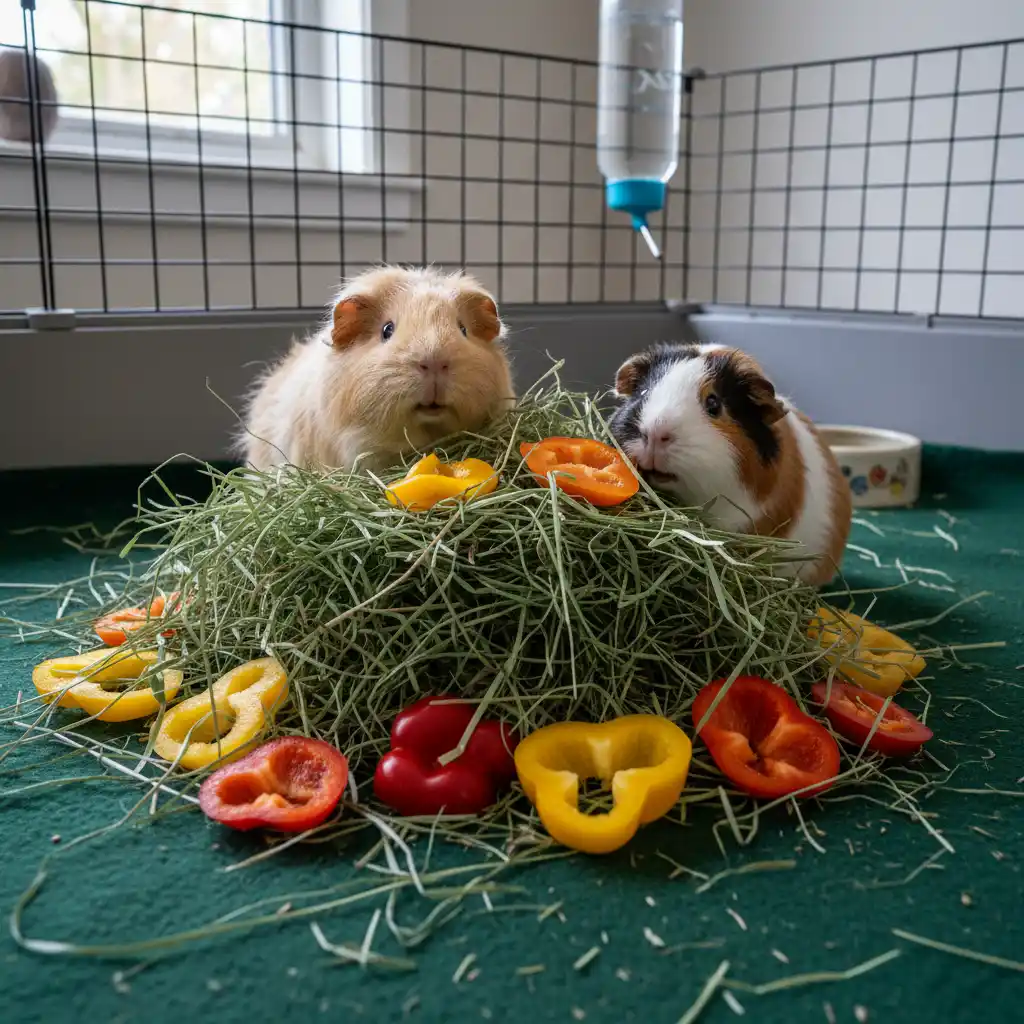
80% to 90% of a guinea pig’s diet must be high-quality hay. In New Zealand, Meadow Hay and Timothy Hay are the standards. Constant grazing on hay is essential for two reasons:
- Dental Health: Guinea pig teeth grow continuously throughout their lives. The abrasive action of chewing silica-rich hay wears the teeth down. Without it, teeth can overgrow, trapping the tongue or growing into the jaw/nasal cavity, a condition that is often fatal or requires expensive surgery.
- Digestive Health: Their digestive tracts operate on fermentation and require high fiber to keep moving. A lack of hay leads to GI Stasis, a painful and life-threatening condition where the gut stops working.
Vitamin C Supplementation
Like humans, guinea pigs cannot synthesize their own Vitamin C. They must ingest it daily. Rescues often see pigs with scurvy, characterized by rough coats, swollen joints, and lethargy. A proper diet includes roughly one cup of fresh vegetables per pig, per day. Bell peppers (capsicum), leafy greens, and fresh grass are excellent sources. Water-soluble Vitamin C drops are generally discouraged by experts as they degrade quickly in sunlight and change the taste of water, potentially leading to dehydration.
For authoritative advice on animal nutrition and welfare standards, the SPCA New Zealand provides comprehensive guidelines that align with global best practices.
Directory: Finding a Guinea Pig Rescue in NZ
Finding a reputable rescue is the first step toward adoption. While the landscape changes as small private rescues open and close, there are several stalwarts in the New Zealand animal welfare community. When searching for “guinea pig rescue NZ,” look for organizations that offer desexing, health checks, and quarantine periods.
Major Welfare Organizations
The SPCA (Society for the Prevention of Cruelty to Animals):
With centers across New Zealand, from Auckland to Invercargill, the SPCA is the largest recipient of surrendered pocket pets. They have rigorous adoption protocols and ensure all males are neutered before adoption to prevent further breeding.
Specialized Private Rescues
There are numerous dedicated “Cavy Rescues” run by private individuals or charitable trusts. These are often foster-based networks rather than physical shelters open to the public.
- Auckland Cavy Care: Historically one of the most prominent rescues in the North Island, focusing on rehabilitation and education.
- Christchurch & Canterbury Rescues: various independent rescues operate in the South Island, often coordinating through social media platforms like Facebook to arrange fosters and adoptions.
- Wellington Region: Look for local small animal shelters that partner with vet clinics to rehome stray pigs found in the Hutt Valley and Porirua areas.
Note: Always verify the current status of a private rescue via their official website or social media page, as capacity fluctuates seasonally.
The Adoption Process: What to Expect
Adopting from a rescue is different from buying from a pet store. The process is designed to ensure a permanent match, reducing the likelihood of the animal being returned.
1. The Application
You will be asked to fill out a form detailing your housing setup, experience with guinea pigs, and household environment (e.g., other pets, children). Honesty is key here; rescues want to support you, not judge you.
2. Photo Proof or Home Check
Most NZ rescues will request photos of your cage setup before approving the adoption. They are looking for adequate size (minimum 120cm x 60cm is a common benchmark), safe bedding (fleece or dust-free wood shavings), and indoor housing or predator-proof outdoor hutches.
3. The “Meet and Greet” (Bonding)
If you already have a guinea pig and are looking for a friend, the rescue will arrange a bonding session. Guinea pigs have distinct personalities, and not all pigs get along. This supervised date ensures that the pair is compatible, preventing fights and injuries at home.
4. Adoption Fee
Expect to pay an adoption fee. This usually ranges between $40 and $90 NZD per pig. This fee is nominal compared to the costs incurred by the rescue, which typically include desexing (neutering can cost upwards of $150-$200 at a private vet), mite treatment, and fresh food.
Beyond Adoption: Fostering and Donating
If you cannot adopt, you can still play a crucial role in the guinea pig rescue NZ ecosystem.
Fostering
Rescues are often desperate for foster carers. Fostering involves temporarily caring for an animal in your home until they find their forever family. This is particularly vital for pregnant sows, sick animals needing medication, or unsocialized pigs that need human interaction to become adoptable. The rescue usually covers medical costs, while you provide the love and space.
Donations
Small rescues operate on thin margins. Financial donations are always welcome, but material donations are also highly valued. Useful items often include:
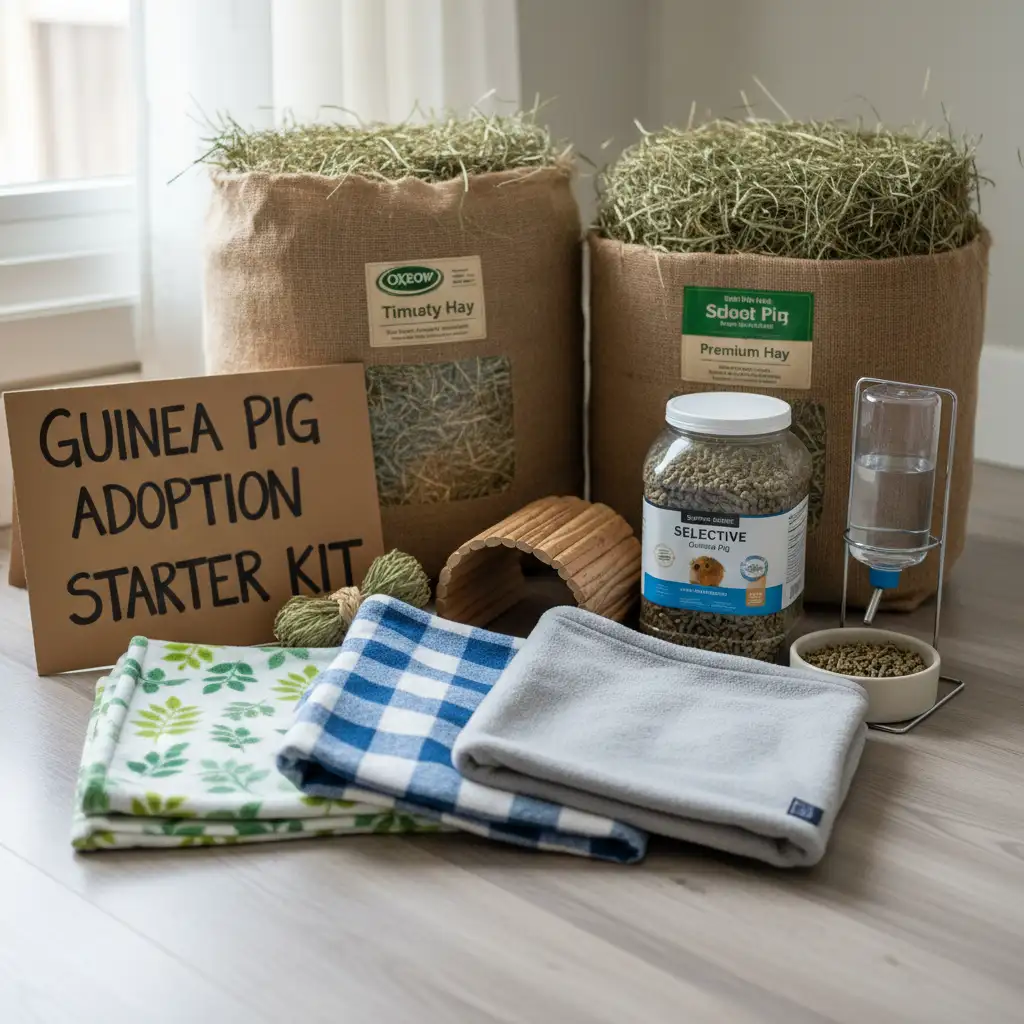
- High-quality hay and pellets (Oxbow or Burgess brands are popular in NZ).
- Fleece blankets and towels (used for bedding).
- Newspapers (for lining cages).
- Safe wooden chew toys.
By supporting these organizations, you contribute to a compassionate society that values the lives of even the smallest creatures. For more information on animal welfare legislation and standards in New Zealand, you can visit the Ministry for Primary Industries (MPI) website.
Frequently Asked Questions
How much does it cost to adopt a guinea pig in NZ?
Adoption fees in New Zealand typically range from $40 to $90 NZD per guinea pig. This fee usually contributes toward the cost of desexing, mite treatment, and health checks performed by the rescue prior to adoption.
Can guinea pigs live outside in New Zealand?
While traditional hutches are common, many experts and rescues now recommend indoor housing. New Zealand’s weather can be damp and fluctuate rapidly, putting outdoor pigs at risk of respiratory infections and heatstroke. If housed outdoors, hutches must be insulated, predator-proof, and sheltered from wind and rain.
Do I need to adopt two guinea pigs?
Yes, guinea pigs are herd animals and suffer from loneliness if kept alone. Most reputable rescues in NZ will not adopt out a single guinea pig unless it is going to a home that already has a compatible guinea pig friend.
Where can I surrender my guinea pig in NZ?
You can surrender guinea pigs to the SPCA or specific cavy rescues like Auckland Cavy Care (if active) or local foster networks. It is important to contact them in advance to ensure they have space, rather than dropping the animal off unexpectedly.
What is the lifespan of a guinea pig?
With proper care, indoor housing, and a good diet, guinea pigs typically live between 5 to 7 years, though some can live up to 8 years or older. They are a long-term commitment compared to smaller rodents like hamsters.
What is the best bedding for guinea pigs?
Fleece liners are increasingly popular in NZ as they are reusable and eco-friendly. Alternatively, dust-free kiln-dried pine shavings or paper-based bedding are safe options. Avoid cedar shavings or sawdust, as the aromatic oils and dust can cause severe respiratory issues.
