The pet rehoming process NZ involves a structured transition of ownership from one private home to another, bypassing shelters to minimize stress. To ensure success, it requires vetting potential adopters, signing a formal rehoming agreement, updating microchip details on the NZ Companion Animal Register (NZCAR), and executing a gradual handover to ensure the animal’s physical and emotional well-being.
Rehoming a beloved pet is one of the most difficult decisions a New Zealand pet owner can face. Whether due to housing crises, health issues, or financial constraints, the goal is always the same: finding a safe, loving forever home where the animal can thrive. Unlike surrendering a pet to a shelter, a home-to-home rehoming process allows you to maintain control over who adopts your pet and how the transition occurs.
However, love alone is not enough to ensure a successful placement. A structured approach—covering legal agreements, logistical preparation, and emotional support—is vital to prevent the rehoming from failing. This guide covers the essential mechanics of the handover and agreement phase within the New Zealand context.
The Importance of a Written Rehoming Agreement
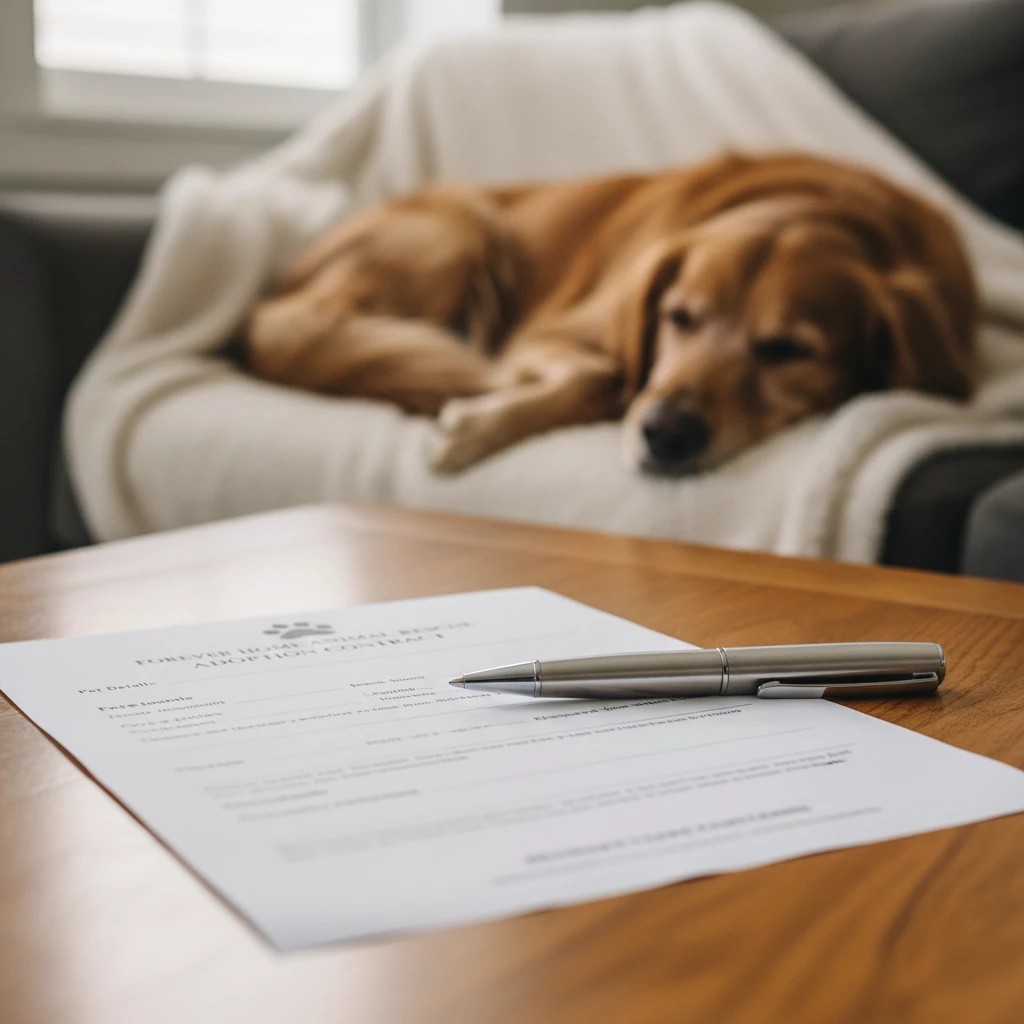
In the informal world of private rehoming, many Kiwis make the mistake of relying on a handshake or a verbal promise. While most adopters have good intentions, a lack of clarity can lead to disputes, confusion, or worse—the animal ending up in an unsafe situation. A written rehoming agreement is not just a legal safeguard; it is a moral contract that outlines the expectations for the pet’s future care.
Why You Need a Contract
A rehoming agreement serves as the roadmap for the transfer of ownership. It protects the current owner, the new adopter, and most importantly, the pet. Without a contract, there is no recourse if the new owner decides to sell the animal, breed from it against your wishes, or surrender it to a pound.
Key Clauses to Include
When drafting your agreement, ensure the following points are covered clearly:
- Transfer of Ownership: Clearly state the date and time when legal responsibility for the animal shifts to the new owner.
- Right of First Refusal: This is the most critical safety net. The clause should state that if the new owner can no longer care for the pet for any reason, the pet must be returned to you (the original owner) or you must be consulted before it is rehomed elsewhere.
- Spay/Neuter Agreement: If the pet is not yet desexed (which is rare for responsible rehoming but possible with puppies/kittens), include a mandatory clause requiring desexing by a certain age to prevent backyard breeding.
- Medical History Disclosure: Acknowledgment that the new owner has received and reviewed all veterinary records and understands any existing health conditions.
Preparing for the Handover Day: A Step-by-Step Guide
The handover day is the culmination of your vetting process. It is an emotionally charged day for the human participants and a confusing one for the animal. Preparation is the key to reducing anxiety for everyone involved.
The “Go-Bag” Checklist
Just as you would pack a bag for a child staying overnight, you must pack a transition kit for your pet. This provides familiarity in a strange new environment.
- Dietary Transition: Provide at least two weeks’ worth of their current food. Sudden dietary changes coupled with stress can cause severe gastric upset.
- Scent Comforts: Include an unwashed blanket, bed, or t-shirt that smells like your home. Scent is a primary grounding sense for dogs and cats.
- Toys and Enrichment: Pack their favourite chew toys or scratching posts. Familiar objects anchor the pet to their new reality.
- Medication: Ensure clearly labelled medications with dosage instructions are handed over.
The Physical Handover
Where the handover takes place matters. For dogs, a neutral territory such as a quiet park can be less stressful than the new owner taking the dog directly from your living room, which the dog views as their territory. For cats, a direct transport to the new home’s “safe room” is usually best.
Keep the farewell brief. Long, tearful goodbyes can trigger anxiety in animals, who pick up on human distress cues. Hand the lead over confidently to signal to the dog that this new person is trustworthy.
Legal and Administrative Obligations in New Zealand
In New Zealand, pet ownership is tied to specific legal registrations. Failing to transfer these correctly can result in fines for the original owner or the inability to recover a lost pet for the new owner.
Updating the NZ Companion Animal Register (NZCAR)
The microchip is the ultimate proof of ownership. You must transfer the microchip details to the new owner. In NZ, this is typically done through the New Zealand Companion Animal Register (NZCAR). The original owner usually initiates the transfer to ensure security.
Council Registration (For Dogs)
Every dog over 3 months old in New Zealand must be registered with their local council (e.g., Auckland Council, Wellington City Council). As the current owner, you should notify your council that you have sold or given away the dog. The new owner must then register the dog in their name within 14 days. Hand over the current registration tag and paperwork during the physical exchange.
Veterinary Records Transfer
Contact your veterinarian to authorize the release of your pet’s medical history to the new owner’s vet. This ensures continuity of care, particularly regarding vaccination schedules and flea/worming treatments.
Tips for a Smooth Transition for the Pet
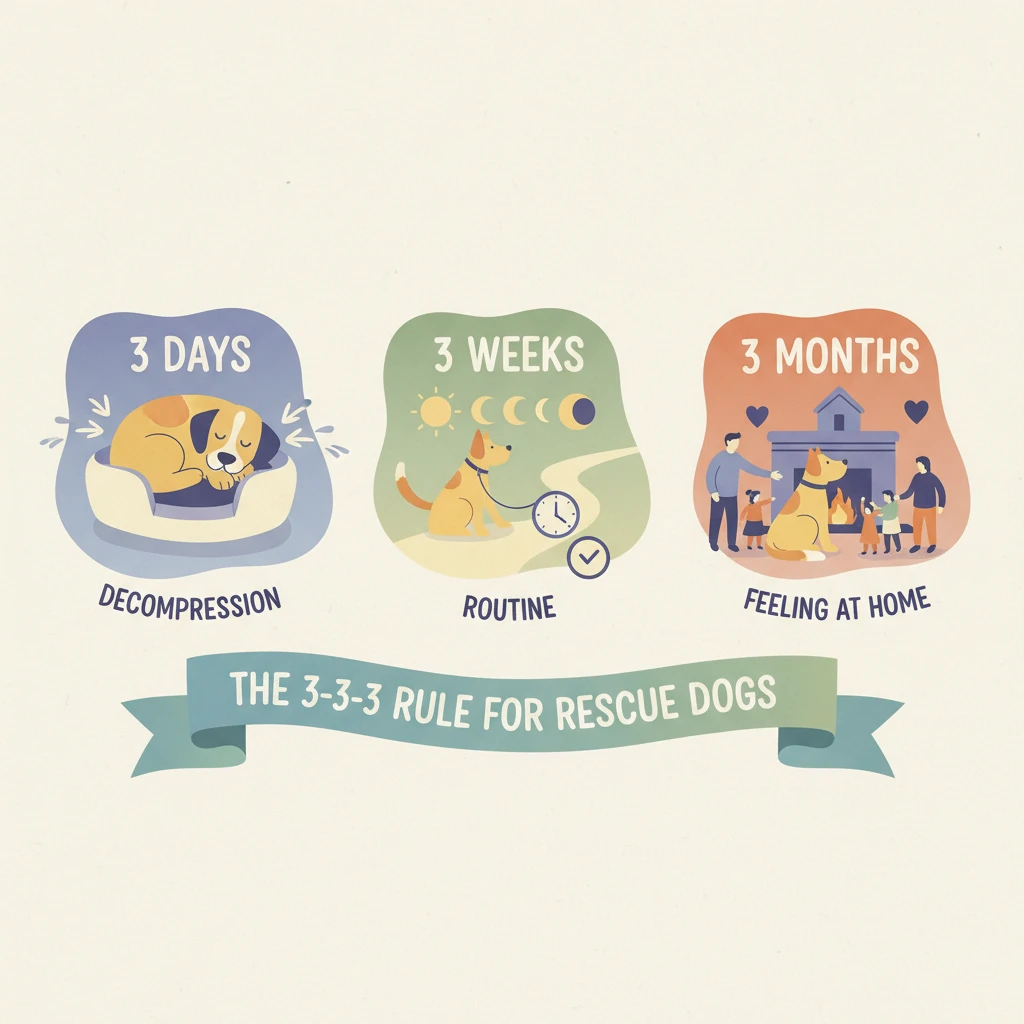
Once the pet is in the new home, the real work begins. The transition period is critical. Animal behaviorists often refer to the “3-3-3 Rule” for rescue and rehomed pets.
The 3-3-3 Rule Explained
- 3 Days to Decompress: The pet may be overwhelmed, scared, and unwilling to eat. They may hide or sleep excessively. New owners should not force interaction during this time.
- 3 Weeks to Learn Routine: The pet starts to settle. Personality traits begin to emerge, and they start to understand the flow of the household (feeding times, walk times). Behavioral issues may also pop up here as they test boundaries.
- 3 Months to Feel at Home: The pet now feels secure. They have built trust and bonded with the new family.
Managing the Environment
Advise the new owners to keep the world small initially. For cats, this means a single room (a sanctuary room) with all their resources. For dogs, it means avoiding dog parks, large crowds, or visitors for the first two weeks. The cortisol levels in a rehomed pet are elevated; they need calm, boring consistency to lower their stress baseline.
Follow-Up and Support Post-Rehoming
One of the major benefits of private rehoming over shelter surrender is the ability to maintain a connection. However, boundaries are essential.
Scheduled Updates
Agree on a schedule for updates before the handover. For example, a text update after 24 hours, 3 days, and 1 week. This reassures the previous owner without overwhelming the new owner. Constant checking in can make the new owner feel judged or micromanaged.
Being a Resource, Not a Crutch
Offer yourself as an information resource. If the new owner asks, “How did you handle it when he barked at the postman?” provide constructive advice based on your history. However, avoid visiting the pet for at least the first 3 months. Seeing you and then having you leave again can be incredibly confusing and traumatic for a dog who is trying to bond with new people.
Common Challenges and Solutions
Even the best-planned rehoming can face hurdles. Anticipating these challenges allows for proactive solutions.
The “Regret” Phase
New owners often experience “adoption blues”—a feeling of being overwhelmed by the responsibility of a new pet. This is normal. If the new owner contacts you feeling overwhelmed, encourage them to stick to the routine and give it time. Remind them of the 3-3-3 rule.
Behavioral Regression
A house-trained dog may have accidents in a new home. A friendly cat may hiss. This is not necessarily a permanent behavioral defect; it is a symptom of stress. Patience and positive reinforcement are the cures. Ensure the new owner understands that the dog they met at the meet-and-greet may take a few weeks to reappear.
Ghosting
Sometimes, a new owner may stop replying to messages. While distressing, if the initial vetting was thorough and the legal transfer is complete, you may need to accept that they wish to build their relationship with the pet privately. However, if you suspect neglect, this is where your contract and local authorities (like the SPCA) become relevant.
For more information on responsible pet ownership standards in New Zealand, refer to the Ministry for Primary Industries (MPI) Animal Welfare guidelines.
People Also Ask (FAQs)
Is it illegal to rehome a dog yourself in NZ?
No, it is not illegal to rehome a dog yourself in New Zealand. Private rehoming is legal and common. However, you must ensure the dog is registered with the local council and that microchip details are updated. You are also responsible for ensuring the animal is going to a safe environment under the Animal Welfare Act 1999.
How do I change ownership of a dog in NZ?
To change ownership, you must update the dog’s microchip details on the NZ Companion Animal Register (NZCAR) and notify your local council. The new owner must then register the dog in their name with their local council within 14 days of the transfer.
What should be included in a pet rehoming agreement?
A solid agreement should include the date of transfer, proof of ownership transfer, a “return to owner” clause if the placement fails, medical history disclosure, and spay/neuter requirements if applicable.
How long does it take for a rehomed dog to settle?
It generally follows the 3-3-3 rule: 3 days to decompress, 3 weeks to learn the routine, and 3 months to feel completely at home. However, every dog is different, and trauma or anxiety can extend this timeline.
Can I ask for a rehoming fee in NZ?
Yes, asking for a rehoming fee is recommended. It acts as a deterrent for people looking for free animals for illegal activities (such as dog fighting bait) and demonstrates that the new owner is financially capable of caring for a pet.
What happens if the new owner wants to return the pet?
If you included a “Right of First Refusal” in your rehoming agreement, the new owner is contractually obligated to contact you first. You can then arrange to take the pet back or help them find a more suitable home.
