Lost pet laws NZ are primarily governed by the Dog Control Act 1996 and the Animal Welfare Act 1999, which establish strict protocols for stray animals. These statutes mandate that found dogs must be surrendered to local councils or the SPCA, while owners generally have a statutory seven-day period to claim impounded animals before ownership rights are forfeited and the animal may be adopted out or euthanized.
The Legal Landscape of Lost Pets in NZ
Navigating the emotional turmoil of a lost pet is difficult enough without the added confusion of legal statutes. In New Zealand, the framework surrounding lost and found animals is not contained within a single “Pet Act.” Instead, it is a mosaic of legislation involving the Dog Control Act 1996, the Animal Welfare Act 1999, the Impounding Act 1955, and general property law under the Crimes Act 1961.
Understanding these laws is critical for both the distraught owner searching for their companion and the Good Samaritan who finds a wandering animal. The law treats animals as property (chattels), meaning that keeping a lost animal can legally be construed as theft, while allowing an animal to roam can result in significant fines and liability for the owner.
This guide serves as a comprehensive resource to demystify the obligations placed on councils, finders, and owners, ensuring that welfare is prioritized while legal rights are respected.
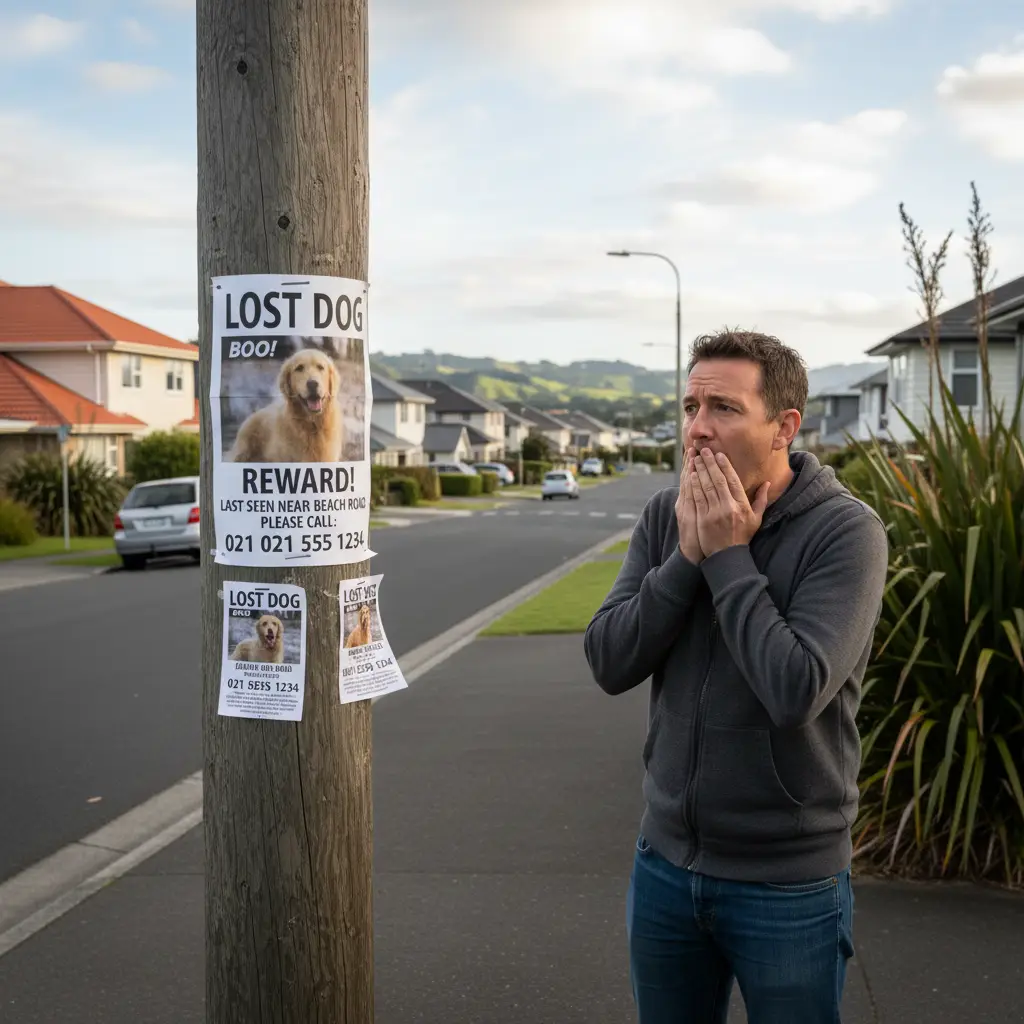
The Dog Control Act 1996: A Deep Dive
When discussing lost pet laws NZ, the conversation is dominated by dogs. Because dogs pose potential risks to public safety and livestock, they are the most heavily regulated companion animals in the country. The Dog Control Act 1996 is the primary piece of legislation outlining what happens when a dog is found wandering at large.
The Definition of “Wandering at Large”
Under the Act, a dog is considered to be wandering at large if it is in a public place and not under the direct control of a person. This does not necessarily mean the dog must be on a leash (unless local bylaws specify), but it must be responsive to commands. If a dog is found unaccompanied, it is legally considered a stray.
Seizure and Custody
Section 52 of the Dog Control Act empowers Dog Control Officers (DCOs) or Dog Rangers to seize any dog found at large. Once seized, the clock begins ticking on the owner’s rights. The key provision here is the mandatory retention period:
- The 7-Day Rule: Councils are legally obligated to keep an impounded dog for seven days. This period allows the owner time to locate and reclaim their property.
- Notification: If the dog is registered and wearing a collar or has a microchip, the council must make a reasonable attempt to contact the owner immediately.
Release Conditions
An owner cannot simply walk into the pound and take their dog back. The Act stipulates that all fees must be paid before release. These fees typically cover:
- Seizure costs.
- Sustenance (food and care) for the days impounded.
- Registration fees (if the dog was unregistered).
- Microchipping costs (if the dog was not chipped).
The Grey Area: Cats and Other Animals
While dogs have a specific Act, cats occupy a legal grey area in New Zealand. There is no “Cat Control Act.” Consequently, the laws regarding lost cats rely heavily on the Animal Welfare Act 1999 and common law regarding property.
The Right to Roam
Unlike dogs, cats in New Zealand generally have a “right to roam.” This means that a cat wandering onto a neighbor’s property is not technically trespassing, and the owner is rarely liable for the cat’s minor trespasses. However, this lack of regulation makes the “lost and found” process more complex.
Stray vs. Feral
The law distinguishes between a stray cat (a lost pet) and a feral cat (a wild animal).
- Stray Cats: Are considered property. If you find a stray cat that appears healthy and socialized, you cannot simply keep it or euthanize it. You must take reasonable steps to find the owner.
- Feral Cats: Are not considered owned property and are often viewed as pests, especially regarding their impact on native wildlife.
Because there is no national mandate for cat registration or microchipping (though the SPCA and other advocacy groups strongly campaign for it), reuniting lost cats with owners is significantly harder than with dogs.
Rights and Obligations of the Finder
If you find a lost pet in New Zealand, you assume certain legal and ethical obligations. You cannot simply claim “finders keepers” immediately. The law requires you to act in a way that facilitates the return of the property (the animal) to its rightful owner.
Reporting the Find
If you find a dog, you are legally required under the Dog Control Act to report it to the local Territorial Authority (Council) or surrender it to a Dog Control Officer. You generally cannot keep a stray dog at your private residence without notifying the council, as this prevents the owner from finding the dog through official channels.
If you find a cat or other companion animal:
- Check for Identification: Look for a collar or tag.
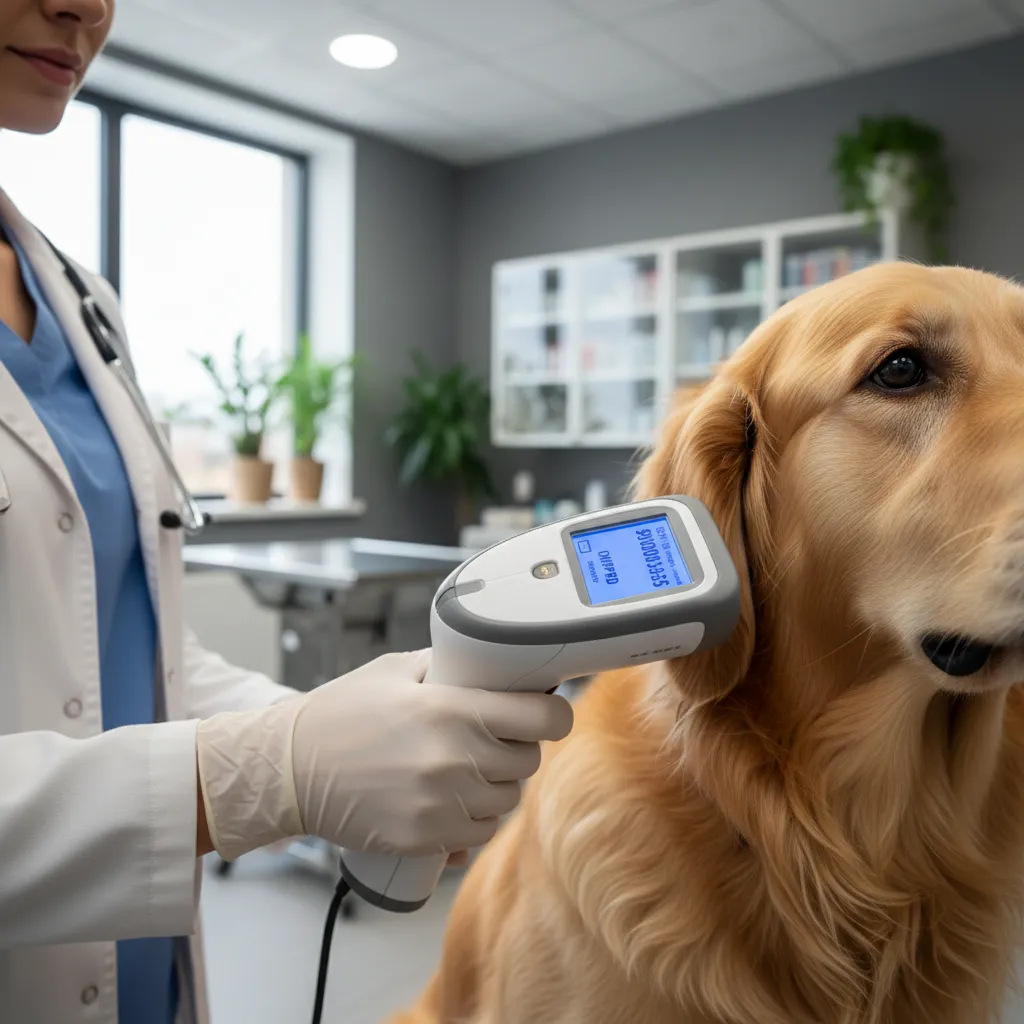
- Scan for Microchip: Take the animal to a local vet or SPCA center. Vets will scan for a chip free of charge.
- Advertise: Post on local community pages (e.g., Neighborly, Facebook) and lost pet registries (e.g., LostPet.co.nz).
Care of the Animal
Once you take possession of a lost animal, you become temporarily responsible for its welfare under the Animal Welfare Act 1999. You must provide it with adequate food, water, and shelter. Neglecting a found animal in your care can lead to prosecution for animal cruelty.
Rights and Obligations of the Owner
As a pet owner, your rights are robust but conditional. Your ownership is protected by law, but only if you fulfill your obligations.
Reclaiming Property
You have the right to reclaim your pet from a finder or the council. If a private individual refuses to return your pet, this becomes a civil matter (conversion of property) or potentially a police matter (theft). However, if your pet is in the council pound, your right to reclaim is conditional on paying the impound fees.
Liability for Damage
If your lost pet causes damage while wandering (e.g., a dog attacks livestock or causes a car accident), you are strictly liable for that damage. The Dog Control Act imposes heavy penalties for owners of dogs that cause injury or damage property.
Council Obligations and The Impound Process
Local Councils (Territorial Authorities) are the enforcers of the Dog Control Act. They have specific statutory duties they cannot ignore.
The 7-Day Statutory Period
As mentioned, the council must hold a dog for seven days. This serves as a grace period. The days are calculated starting from the day after the dog is seized. If the seventh day falls on a weekend or holiday, the period extends to the next working day.
Disposal of the Animal
If the seven days pass and the owner has not claimed the dog:
- Transfer of Ownership: The council assumes ownership of the dog.
- Adoption: The council may sell (adopt out) the dog to a new owner. Once sold, the previous owner loses all legal claim to the animal.
- Euthanasia: If the dog is deemed unsuitable for rehoming due to temperament or health, the council has the legal authority to euthanize the animal.
It is important to note that councils generally prefer adoption over euthanasia, but they are constrained by resources and safety assessments.
The Concept of ‘Theft by Finding’
Many well-meaning people believe that if they find a stray animal and care for it, it becomes theirs. However, under New Zealand’s Crimes Act 1961, this can be considered “Theft by Finding.”
Theft is defined as taking or using a document or thing (including animals) that belongs to another with the intent to deprive the owner permanently of that property. If you find a dog or cat and make no attempt to locate the owner—or worse, actively conceal the animal or remove its collar/microchip—you are committing a crime.
To avoid this legal pitfall, finders must demonstrate that they believed the owner could not be found after taking reasonable steps (scanning for chips, alerting council, advertising).
Prevention: Microchipping and Registration Laws
The most effective legal safeguard for a pet owner is compliance with registration and microchipping laws. These act as the definitive proof of ownership in disputes.
Mandatory Microchipping for Dogs
Since 1 July 2006, all newly registered dogs in New Zealand (except working farm dogs in some districts) must be microchipped. This provides a permanent link between the animal and the owner on the National Dog Database (NDD).
The Importance of NZCAR
For cats and other pets, the New Zealand Companion Animal Register (NZCAR) is the primary database. While not mandatory by national law, registration here is crucial. In a legal dispute over ownership of a cat, a microchip registered to you is the strongest evidence of superior title to the “property.”

Frequently Asked Questions
Below are some of the most common questions regarding lost pet laws in New Zealand.
How long does the pound keep a dog before putting it down in NZ?
Under the Dog Control Act 1996, councils must keep an impounded dog for a minimum of seven days. If the owner does not claim the dog within this period, the council may legally adopt the dog out to a new owner or euthanize it, depending on the animal’s health and temperament.
Is it illegal to keep a stray cat in NZ?
It can be. Because cats are considered property, keeping a stray cat without making reasonable efforts to find the owner (such as checking for a microchip or advertising) could be considered ‘theft by finding’ under the Crimes Act. You should always check for a microchip first.
Do I have to pay to get my dog out of the pound?
Yes. You are legally required to pay all impoundment fees, sustenance costs (food/care), and any outstanding registration or microchipping fees before the council will release your dog. The council is not obligated to release the dog until these debts are settled.
What happens if I find a dog with no microchip?
If you find a dog with no microchip, you must still report it to the local council or dog control officer. You cannot simply keep the dog. The council will hold the dog for the statutory 7-day period to allow an owner to come forward before assessing it for adoption.
Can the SPCA take my animal away?
Yes, under the Animal Welfare Act 1999, SPCA inspectors have the power to seize animals if they believe the animal is suffering or is likely to suffer due to neglect, abuse, or failure to provide adequate care.
Is it illegal to feed a stray cat?
It is not illegal to feed a stray cat, but doing so may unintentionally lead to you assuming ‘ownership’ or responsibility for the animal’s welfare under the Animal Welfare Act. If the cat is feral and causing a nuisance, feeding it may also violate local bylaws regarding pest control or sanitation.
