Rehoming a beloved pet is one of the most heart-wrenching decisions an owner can make. Whether due to a change in living circumstances, health issues, or financial hardship, the primary goal is always the same: ensuring your animal companion lands in a safe, loving, and permanent “forever home.” In the landscape of home-to-home rehoming, particularly within New Zealand, you act as the bridge between your pet’s past and their future. This responsibility requires vigilance. Screening potential adopters is not about being judgmental; it is about being protective.
Red flags in pet adopters are specific warning signs indicating a potential home may be unsafe, unstable, or unsuitable for an animal. These include evasive communication, lack of verifiable landlord permission, impulse decision-making, or a refusal to provide veterinary references. Identifying these signs is crucial for ethical home-to-home rehoming to prevent future abandonment, neglect, or trauma.
Signs of Impulse Adoptions
One of the most significant red flags pet adopters display is the desire for speed over suitability. Adopting a pet is a 15 to 20-year commitment, not a transaction that should be completed in an afternoon. When a potential adopter pushes to take the animal immediately without meeting them first or asking questions about the pet’s history, this is a major warning sign.
Impulse adoptions often manifest as “gift-giving.” If an inquirer mentions they want the pet as a surprise birthday present for a child, a spouse, or a parent who does not know about it, you should proceed with extreme caution or decline the application. Animals are sentient beings, not merchandise. If the primary caregiver has not been involved in the selection process, the likelihood of the animal being returned—or worse, surrendered to a shelter—skyrockets.
Furthermore, watch out for the “I want it now” mentality. Ethical rehoming involves a process: initial contact, a meet-and-greet, a home check, and a cooling-off period. An adopter who becomes aggressive or impatient with these steps often lacks the patience required to help a rehomed pet settle into a new environment. If they cannot wait a few days for a home check, they likely won’t have the patience for potty training or behavioral adjustments.
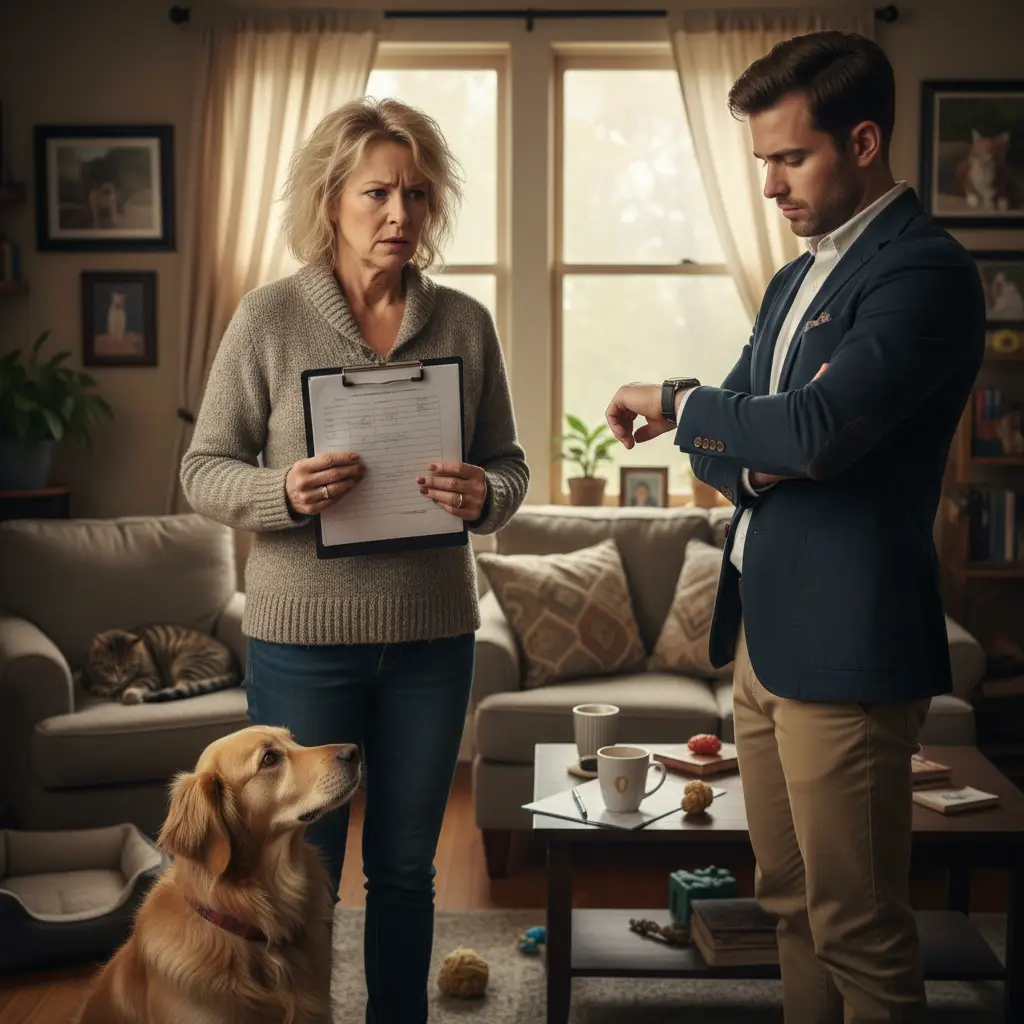
Incomplete or Evasive Answers
Transparency is the bedrock of a safe adoption. When you ask screening questions, you should expect open, detailed, and honest responses. A major red flag occurs when an applicant provides one-word answers, skips questions entirely, or becomes defensive when asked for personal details.
Pay close attention to gaps in their pet history. Questions like “What happened to your previous pets?” are critical. If the answers are vague—such as “they ran away,” “we gave them away,” or “died” (without a reasonable explanation of age or illness)—this indicates a pattern of irresponsible ownership. A history of constantly surrendering pets because “we moved” or “we had a baby” suggests they view animals as disposable accessories rather than family members.
Additionally, be wary of adopters who refuse to provide a veterinary reference. In the New Zealand home-to-home market, asking for the name of their current or previous vet is standard practice. It allows you to verify if their previous animals were desexed, vaccinated, and treated well. If they claim they don’t have a vet despite owning pets recently, or if they refuse to give you permission to call the clinic, this is an immediate disqualifier.
Lack of Preparation or Understanding
A well-intentioned adopter can still be a bad match if they lack the necessary knowledge or preparation for your specific animal. This is particularly true for working breeds common in New Zealand, such as Huntaways, Border Collies, or Huskies. These dogs require immense amounts of physical and mental stimulation.
Red flags in this category include:
- Ignorance of Breed Traits: An adopter living in a small apartment wanting a high-energy working dog without a plan for exercise.
- Financial Naivety: A lack of awareness regarding the costs of pet ownership. If an adopter complains about the cost of high-quality food or flea treatments during the interview, they may not be financially prepared for emergency vet bills.
- Lifestyle Mismatches: Someone who works 12 hours a day with no plan for a dog walker or daycare, yet wants a puppy or a dog with separation anxiety.
You want to hear that the adopter has done their research. They should be asking you questions about the pet’s diet, medical needs, and quirks. A lack of curiosity about the animal’s needs often signals a lack of commitment to meeting them.
Suspicious Living Situations
In New Zealand, the rental crisis creates a specific set of challenges for pet owners. While many renters are responsible pet parents, you must verify that they actually have permission to have a pet. One of the most common reasons for pet surrender is “landlord said no.”
A massive red flag is an adopter saying, “I haven’t asked the landlord yet, but it will be fine,” or “We just won’t tell them.” This puts the animal at imminent risk of homelessness. You must insist on seeing written permission from the landlord or property manager. According to Tenancy Services New Zealand, landlords can add specific conditions to tenancy agreements regarding pets, and failing to adhere to these can lead to eviction for the tenant and displacement for the pet.
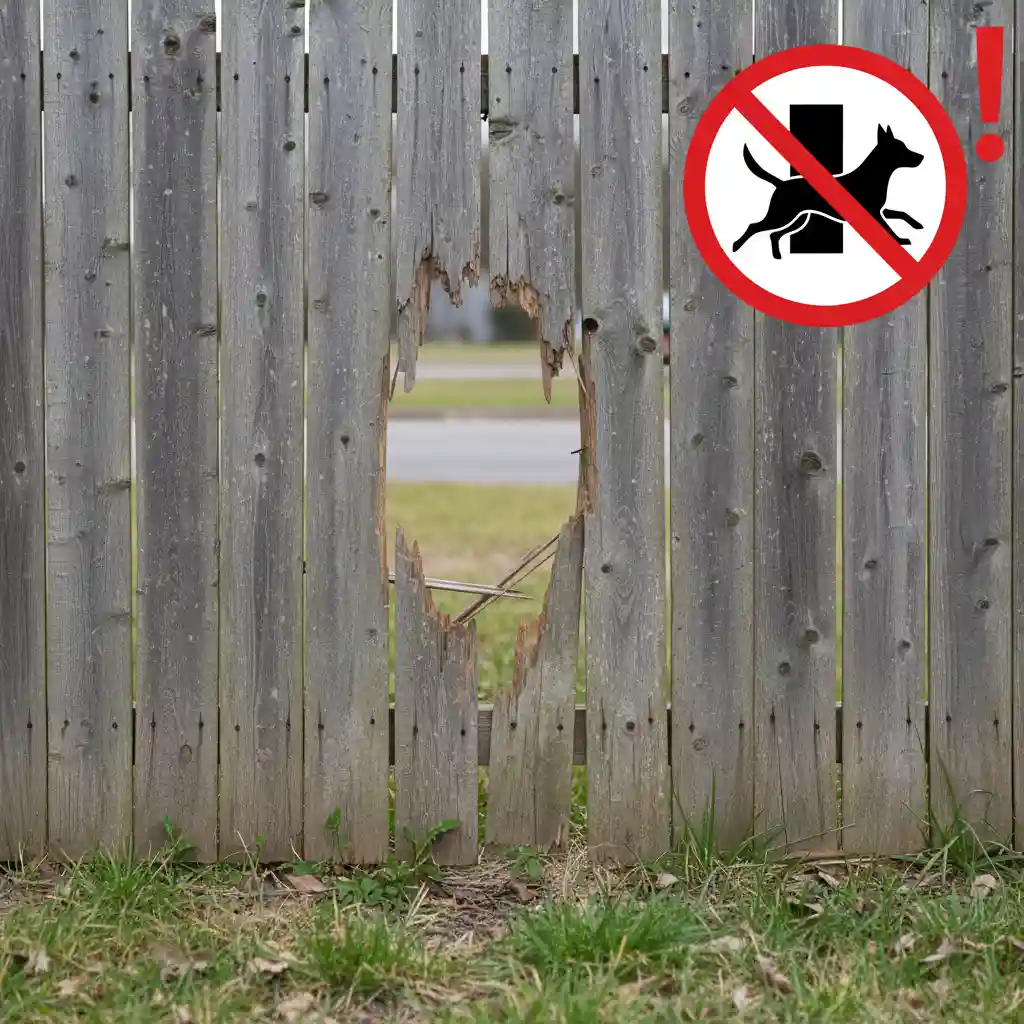
Beyond paperwork, look at the physical environment. For dogs, secure fencing is non-negotiable. If an adopter claims to have a “fully fenced section” but refuses a home visit or sends photos that show gaping holes in the hedges, they are not prioritizing the animal’s safety. For indoor cats, look for secure screens. If the living situation involves a chaotic household with aggressive roommates or unsafe clutter, it is not a suitable environment for a rehomed pet.
Overly Demanding or Unrealistic Expectations
Some adopters are looking for a robot, not a living creature. Watch out for perfectionists who have a zero-tolerance policy for normal animal behaviors. If an applicant emphasizes that the dog must “never bark,” “never shed,” or be “perfectly obedient immediately,” they are setting the animal up for failure.
Rehomed pets often experience a transition period where they may regress in potty training or act shy. An adopter who expects the pet to be “plug-and-play” will likely return the animal the moment a rug is soiled or a shoe is chewed. You want an adopter who speaks the language of training and patience, using phrases like “we are willing to work on that” rather than “we won’t tolerate that.”
Be cautious of aesthetic preferences overriding temperament. If an adopter is fixated solely on the animal’s color or eye shape and ignores your warnings that the personality isn’t a match for their lifestyle, this is a superficial attachment that may not withstand the challenges of ownership.
Interaction and Behavioral Red Flags
The meet-and-greet is your opportunity to observe the chemistry between the potential adopter and your pet. Trust your gut instincts during this interaction. Animals are excellent judges of character; if your usually friendly dog backs away, growls, or hides from a specific person, listen to them.
Watch for these interaction warnings:
- Rough Handling: Being too forceful, pulling on the leash, or physically disciplining the animal during the first meeting.
- Ignoring Boundaries: If you say “he doesn’t like his ears touched” and the adopter immediately touches the ears, they are demonstrating a lack of respect for your knowledge and the animal’s boundaries.
- Disinterest: An adopter who spends the entire meeting on their phone or talking to you without interacting with the pet shows a lack of genuine connection.
- Over-excitement: In contrast, someone who allows their children to swarm, chase, or corner a nervous animal without intervening is a sign that they cannot manage interactions safely.
The “Free to Good Home” Danger
While not a red flag in the adopter’s behavior per se, this is a red flag in the process that you must avoid. Never advertise a pet as “Free to Good Home.” In the world of rehoming, free pets unfortunately attract the worst elements of society. This includes people looking for bait animals for dog fighting circles (a sad but real underground issue), snake owners looking for free food (for small pets), or hoarders.
A rehoming fee acts as a deterrent to these individuals. A legitimate adopter understands that a fee represents the value of the animal and helps cover the costs of previous vet care. If an adopter becomes angry or abusive regarding a reasonable rehoming fee, or tries to haggle the price as if buying a used car, walk away immediately. For more information on safe rehoming practices, reputable organizations like the SPCA New Zealand offer resources on what responsible ownership entails.
People Also Ask
What questions should I ask a potential pet adopter?
You should ask about their housing situation (renting vs. owning), who lives in the home (including children and other pets), their work schedule, their veterinary history, and their expectations regarding exercise and training. Ask “What if” questions to gauge their commitment, such as “What would you do if the dog chewed your furniture?”
Is it a red flag if an adopter refuses a home visit?
Yes, refusing a home visit is a major red flag. A home visit is essential to verify that the environment is safe, secure (e.g., proper fencing), and suitable for the animal. Anyone unwilling to show you where the pet will live likely has something to hide.
Why are rehoming fees important?
Rehoming fees deter individuals with bad intentions, such as dog fighters or animal hoarders, who look for “free” animals. It also demonstrates that the adopter is financially capable and willing to invest in the animal’s care. The fee should be reasonable and often donated to charity or used to cover desexing costs.
How do I verify landlord permission for a pet?
Do not take the tenant’s word for it. Ask to see a copy of the tenancy agreement that specifically allows pets, or request the contact details of the property manager or landlord to verify directly. In New Zealand, landlords can evict tenants for unapproved pets, leaving the animal homeless.
What are signs of a dog fighter looking for bait dogs?
Warning signs include looking for “free” dogs, refusing home checks, wanting to meet in a public place like a parking lot rather than their home, asking vaguely about the dog’s temperament (e.g., “is he tough?”), and showing interest in specific breeds often used for fighting or baiting.
Can I refuse an adopter if I have a bad feeling?
Absolutely. You are the advocate for your pet. If something feels off, even if you can’t articulate exactly why, it is better to be safe than sorry. Politely decline by saying you don’t feel it is the right match. You do not owe anyone your pet.
