Rehoming aggressive dog NZ refers to the complex and often legally fraught process of finding a new environment for a canine displaying reactive or dangerous behaviors within New Zealand. To navigate this safely, owners must conduct professional behavioral assessments, understand their liability under the Dog Control Act 1996, and consult with veterinary behaviorists to determine if rehabilitation is viable or if the risk to public safety is too great.
Assessing the Severity of Behavioral Issues
Before considering rehoming an aggressive dog in New Zealand, it is critical to objectively assess the severity of the behavior. Aggression is not a singular trait but a spectrum of behaviors ranging from mild reactivity to dangerous, uninhibited attacks. Understanding where your dog falls on this spectrum is the first step in determining if rehoming is even a possibility.
Many owners confuse reactivity—such as barking at the fence or lunging on a leash due to frustration—with true aggression. However, when a dog has a history of biting, the situation changes drastically. In the world of professional dog behavior, the Dr. Ian Dunbar Dog Bite Scale is the gold standard for assessment. This scale categorizes bites from Level 1 (obnoxious behavior but no skin contact) to Level 6 (victim death).
Dogs that have inflicted Level 3 bites (punctures deeper than half the length of the dog’s canine teeth) or higher are generally considered significant liabilities. In New Zealand, rehoming a dog with a bite history of this magnitude is ethically questionable and often practically impossible. Shelters and rescues prioritize the safety of their staff and the community; a dog that has proven it will use its teeth to solve conflict poses a severe risk.
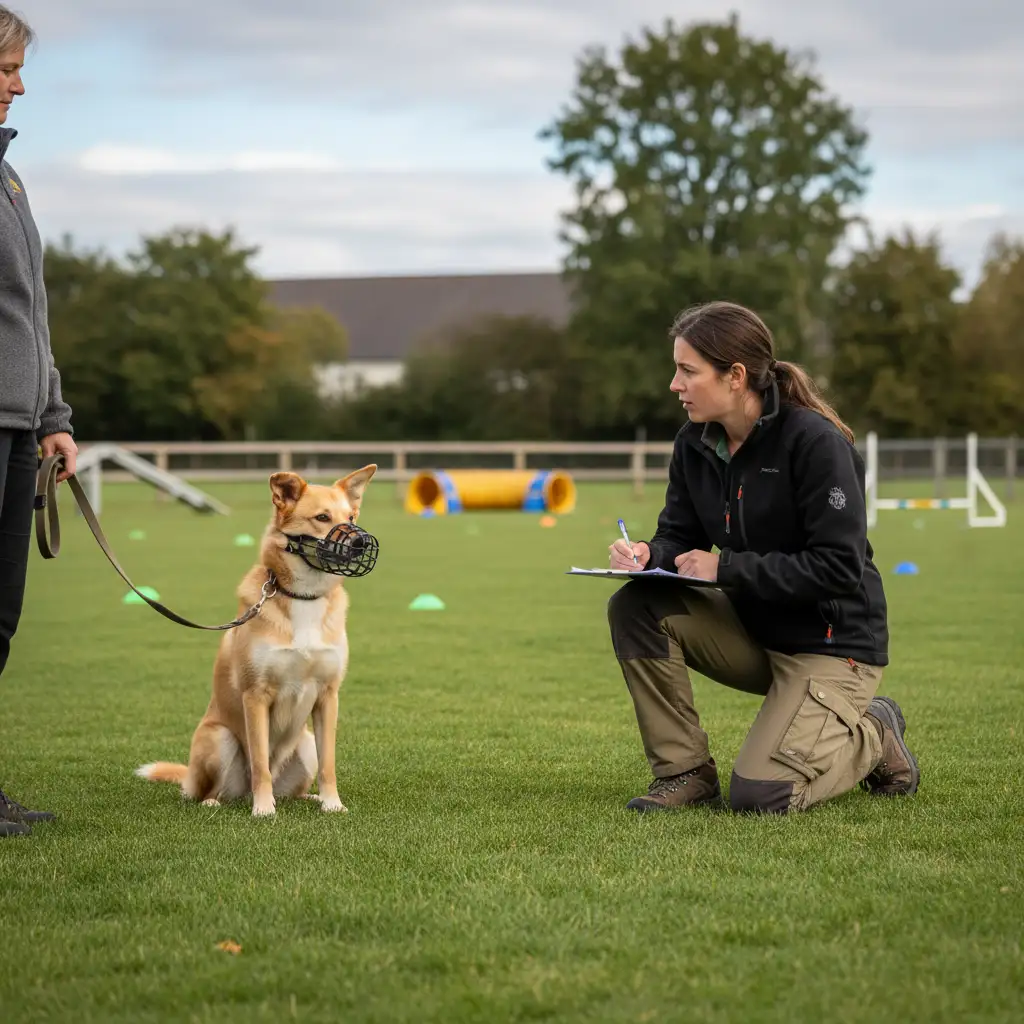
Triggers and Thresholds
Part of the assessment involves identifying triggers. Is the aggression resource guarding (food/toys), territorial, fear-based, or predatory? A dog that guards a food bowl against other dogs but loves humans has a better prognosis for rehoming than a dog that redirects aggression onto handlers when overstimulated. You must document every incident: the time, the trigger, the reaction, and the recovery time. This data is vital for any rescue organization considering your surrender request.
Liability Laws and the Dog Control Act 1996
New Zealand has strict legislation regarding dog ownership and public safety. The primary legislation governing this is the Dog Control Act 1996. Under this Act, the definition of an owner includes the person in possession of the dog. This means that if you privately rehome a known aggressive dog and that dog subsequently attacks a person or animal, you could potentially face legal scrutiny for negligence, especially if you failed to disclose the dog’s history.
If a dog attacks a person or stock, the owner can be prosecuted. The penalties can include fines, imprisonment, and the mandatory destruction of the dog. Furthermore, New Zealand councils have the authority to classify dogs as “Menacing” or “Dangerous.”
- Menacing Dogs: Often classified based on breed (under Schedule 4 of the Act) or behavior. They must be muzzled in public.
- Dangerous Dogs: Classified due to a conviction or sworn evidence of aggressive behavior. These dogs must be desexed, kept in a securely fenced area, and muzzled in public.
According to the New Zealand Legislation regarding the Dog Control Act 1996, owners have a strict obligation to ensure their dog does not cause a nuisance or danger. Transferring ownership of a dog classified as dangerous requires written consent from the territorial authority (local council). You cannot simply hand a dangerous dog over to a new owner without informing the council; doing so is a breach of the Act.
Ruling Out Medical Causes for Aggression
Before making any permanent decisions about surrendering or euthanasia, it is imperative to rule out medical causes. Sudden onset aggression in a previously friendly dog is often a sign of pain or physiological dysfunction.
Common medical issues that manifest as aggression include:
- Thyroid Dysfunction: Hypothyroidism is known to cause irritability and sudden aggression in some breeds.
- Chronic Pain: Arthritis, hip dysplasia, or dental disease can lower a dog’s tolerance for touch and interaction.
- Neurological Issues: Seizures or brain tumors can cause unpredictable behavioral changes.
A comprehensive veterinary workup, including a full blood panel and orthopedic exam, is the first “rehoming” step. If the aggression is pain-related, treating the underlying condition may resolve the behavior entirely, meaning rehoming is no longer necessary.
Specialist Rescues and Surrender Options
If medical causes are ruled out and you are unable to manage the dog, finding a rescue is the next logical step. However, it is important to manage expectations. The SPCA and local council pounds in New Zealand are often open-admission or managed-admission shelters that deal with high volumes of animals. They generally do not have the resources, staff safety protocols, or insurance to rehabilitate dogs with a history of human aggression.
Surrendering a dog with a bite history to a general shelter often results in euthanasia upon intake. This is not because shelters are cruel, but because they cannot responsibly adopt out a dog that poses a safety risk to the community.
Finding Specialist Help
There are a limited number of breed-specific rescues and private sanctuaries in NZ that may take on behavioral cases, but they are almost always at capacity. These organizations usually require:
- Full Disclosure: A complete history of bites and triggers.
- Behavioral Assessment: A report from a certified trainer or behaviorist.
- Sponsorship: Some may ask for a financial donation to cover the cost of the dog’s rehabilitation.
It is crucial to verify the legitimacy of any “sanctuary.” True sanctuaries are rare. Ensure the facility has the infrastructure to keep the dog safe and happy without putting staff at risk.
The Dangers of Private Rehoming
In desperation, many owners turn to platforms like TradeMe, Facebook, or community noticeboards to rehome aggressive dogs. This is highly dangerous and strongly advised against.
When you rehome a dog privately, you have no way of vetting the new owners’ capability to handle a dangerous animal. You may be handing a loaded weapon to a family with children or other pets. Furthermore, if you fail to disclose the aggression fully to ensure the dog gets taken, you are committing a moral and potentially legal fraud.
If the dog attacks someone in the new home, the emotional weight of that tragedy will rest on your shoulders. Additionally, dogs with behavioral issues are prime targets for dog fighting rings (as bait dogs) or abusers when offered for “free to a good home.” Professional rescues conduct home checks and vet references; private individuals rarely do.

The Role of Behavioral Euthanasia
This is the most difficult section of this guide, but it is a necessary conversation. Behavioral euthanasia is the humane ending of a dog’s life due to severe behavioral issues that cannot be safely managed or treated. It is a valid, ethical, and loving choice when a dog is suffering from extreme mental anguish (fear/anxiety) or poses an unacceptable risk to human life.
Many dogs with severe aggression live in a constant state of high stress. They are hyper-vigilant, terrified, or constantly on the offensive. This is not a good quality of life. If a dog cannot be safely handled by a vet, cannot be walked, and cannot interact with family without the threat of violence, keeping them alive may be prolonging their suffering.
When to consider behavioral euthanasia:
- The dog has inflicted severe injuries (Level 3+ bites).
- The aggression is unpredictable (unprovoked attacks).
- The dog cannot be safely managed in your home, and no reputable rescue will take them.
- The dog’s quality of life is poor due to necessary confinement and isolation.
Veterinarians in New Zealand approach this with compassion. They understand that you love your dog and that this decision is made out of a desire to prevent harm and end suffering.
Consulting Animal Behaviorists in NZ
Before making a final decision on rehoming or euthanasia, consult a qualified professional. In New Zealand, look for a Veterinary Behaviorist or a Clinical Animal Behaviourist. Unlike general dog trainers, these professionals have advanced degrees in ethology and psychology.
They can provide:
- Risk Assessment: An unbiased evaluation of the danger the dog poses.
- Management Plans: Medication (such as SSRIs) combined with behavior modification to lower arousal levels.
- Prognosis: A realistic outlook on whether the behavior can be modified enough to live safely in a home.
Organizations like the SPCA New Zealand also offer resources and advice on responsible pet ownership and may be able to direct you to accredited behaviorists in your region.
Rehoming an aggressive dog in NZ is a path laden with emotional and legal hurdles. By prioritizing public safety and the welfare of the dog, and by seeking professional guidance, you can ensure that you make the most responsible decision possible in a heartbreaking situation.
People Also Ask
Can I give my aggressive dog to the SPCA NZ?
The SPCA NZ assesses all animals upon intake. While they do take in many animals, they may refuse entry or euthanize dogs that are assessed as too dangerous to be rehomed safely. They prioritize the safety of their staff and the community and cannot knowingly rehome dogs with a history of severe aggression.
What happens if I rehome a dog that bites someone in NZ?
If you rehome a dog without disclosing its aggressive history and it attacks someone, you could face legal liability under the Dog Control Act 1996 or civil litigation. If you are still the registered owner at the time of the attack, you are liable for the dog’s actions, which can include fines and prosecution.
Are there sanctuaries for aggressive dogs in New Zealand?
Genuine sanctuaries for aggressive dogs in NZ are extremely rare and usually at full capacity. Many places claiming to be sanctuaries may not have the resources to safely manage dangerous dogs. Always vet any facility thoroughly before surrendering a dog to ensure they are not hoarding animals in unsafe conditions.
How much does it cost to put a dog down in NZ?
The cost of euthanasia in New Zealand varies by clinic and the size of the dog, typically ranging from $150 to $300 NZD. This usually includes the consultation and the procedure. Private cremation or burial services are additional costs.
Can aggression in dogs be cured?
True aggression is rarely “cured,” but it can often be managed. Success depends on the cause (fear vs. predatory), the severity of the bite history, and the owner’s ability to strictly manage the environment. A veterinary behaviorist can determine if management is a safe and viable option.
What classifies a dog as ‘Dangerous’ in NZ?
A dog can be classified as ‘Dangerous’ by a territorial authority if it has been convicted of an attack, or if there is sworn evidence that the dog has behaved aggressively. Dangerous dogs must be desexed, muzzled in public, and kept in a securely fenced property.