Embarking on the journey of dog adoption in New Zealand requires careful consideration and a clear understanding of the process. This comprehensive guide provides prospective dog owners with essential information, from navigating local shelters to preparing their homes, ensuring a successful and loving transition for both humans and their new canine companions.
Understanding the Dog Adoption Process in New Zealand
Adopting a dog is a deeply rewarding experience, offering a second chance at happiness for an animal in need and bringing immense joy to your home. In New Zealand, the adoption process is designed to ensure that dogs are matched with suitable homes, promoting their welfare and preventing future abandonment. This section breaks down the typical steps you can expect.
Initial Research and Self-Assessment
Before even looking at dogs, it’s crucial to assess your lifestyle. Consider your living situation (apartment vs. house with yard), work schedule, activity level, financial capacity for food and vet care, and family dynamics (children, other pets). Research different breeds or types of dogs to understand their typical temperaments, energy levels, and grooming needs. Be honest about what you can offer a dog, as this will help you find the perfect match.
The Application Stage
Once you’ve identified a rescue organisation or shelter, the first formal step is usually completing an application form. This form collects detailed information about your household, previous pet ownership, living arrangements, and what you’re looking for in a dog. Be thorough and truthful, as this helps the rescue staff assess your suitability and recommend appropriate dogs.
Interviews and Home Visits
Reputable rescues often conduct interviews, either in person or over the phone, to discuss your application further. They might ask about your experience with dogs, your understanding of responsible pet ownership, and your expectations. A home visit may also be part of the process, allowing the rescue to assess the environment where the dog will live, check for safety, and offer advice on dog-proofing. This is a chance for you to ask questions too.
Meet and Greets
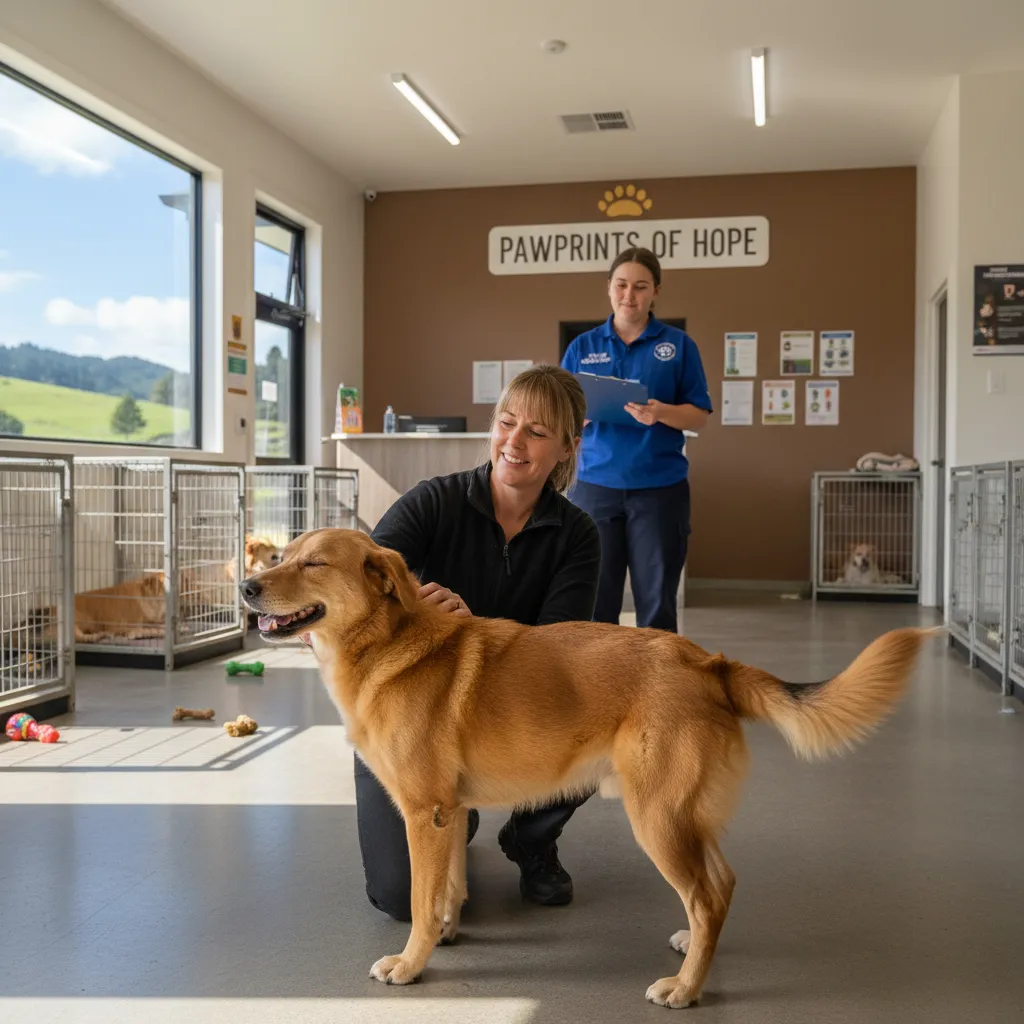
If your application and home visit are successful, you’ll typically be invited to meet potential dogs. This is a critical step to observe the dog’s personality, interact with them, and see if there’s a connection. Sometimes multiple visits are encouraged, especially if you have other pets or children, to ensure everyone gets along. Don’t rush this stage; finding the right temperament match is key.
The Adoption Agreement and Fees
When you’ve found your perfect companion, you’ll sign an adoption agreement. This legally binding document outlines your responsibilities as a dog owner and the terms of the adoption. It typically includes clauses about providing proper care, not rehoming the dog without the rescue’s knowledge, and sometimes obligations regarding desexing (if not already done). An adoption fee is also usually required. These fees help cover the costs of desexing, vaccinations, microchipping, worming, flea treatments, and general care the dog received while at the rescue. This fee is an investment in your dog’s health and the rescue’s ongoing work.
Bringing Your New Dog Home
The day you bring your dog home is exciting but can also be stressful for the animal. Ensure you have all necessary supplies ready. Follow the rescue’s advice on introducing the dog to your home, family members, and any existing pets. Give your new dog space and time to adjust. It’s common for dogs to be shy, anxious, or even a bit withdrawn initially. Patience and a calm environment are paramount during this transition period.
Finding Ethical Dog Rescues and Shelters in NZ
Choosing the right organisation to adopt from is just as important as choosing the right dog. Ethical rescues prioritise animal welfare, responsible rehoming practices, and provide transparency in their operations. This section will guide you through identifying and engaging with reputable dog welfare organisations in New Zealand.
Recognizing Reputable Organizations
An ethical rescue will always:
- Have transparent adoption processes, including applications, interviews, and potentially home checks.
- Ensure all dogs are desexed, microchipped, vaccinated, and up-to-date on parasite control before adoption.
- Provide comprehensive health and behavioural information about the dog, including any known history.
- Offer post-adoption support and advice.
- Not pressure you into adopting.
- Have clean, safe, and stimulating environments for their animals, whether in a shelter or foster homes.
- Be registered as a charitable trust or have appropriate legal status.
Key Dog Rescue Organisations in New Zealand
New Zealand is home to many dedicated animal welfare organisations. The SPCA New Zealand is the largest and most well-known, with branches nationwide. They rescue, rehabilitate, and rehome thousands of animals annually. Beyond the SPCA, numerous smaller, local rescues and breed-specific organisations do incredible work. Examples include HUHA (Helping Us Help Animals), various local animal shelters run by councils, and independent foster-based rescues. A quick online search for “dog rescue [your region] NZ” will often yield many options. Always check their websites, read reviews, and if possible, visit their facilities or foster homes.
Avoiding Backyard Breeders and Puppy Mills
It’s vital to differentiate between legitimate rescues and irresponsible sources. Avoid any individual or group selling puppies or dogs that seem too cheap, don’t ask questions about your suitability, or cannot provide details about the dog’s background, health, and parentage. Puppy mills and backyard breeders often prioritise profit over welfare, leading to health and behavioural issues in their animals. Always ensure you are adopting from a registered, ethical organisation.
Online Platforms and Local Networks
While direct contact with rescues is best, online platforms like Trade Me Pets (with caution and due diligence) or dedicated pet rehoming websites can sometimes list dogs needing homes. However, it’s paramount to verify the source. Many ethical rescues also use social media to showcase adoptable dogs, so following local animal welfare pages can be a good way to stay informed.
Preparing Your Home and Life for Your New Dog
Bringing a new dog into your home is a significant life change. Thoughtful preparation ensures a smoother transition for everyone, helping your new companion feel safe, loved, and settled. This section covers the practical steps you need to take before your dog arrives.
Dog-Proofing Your Home
Just like baby-proofing, dog-proofing is essential. Remove anything potentially hazardous: toxic plants, loose electrical cords, small objects that could be swallowed, and accessible cleaning products or medications. Secure bins, block off areas you don’t want the dog to access (initially), and ensure any gates or fences are secure. Pay attention to anything a curious dog might chew or ingest.
Essential Supplies Checklist
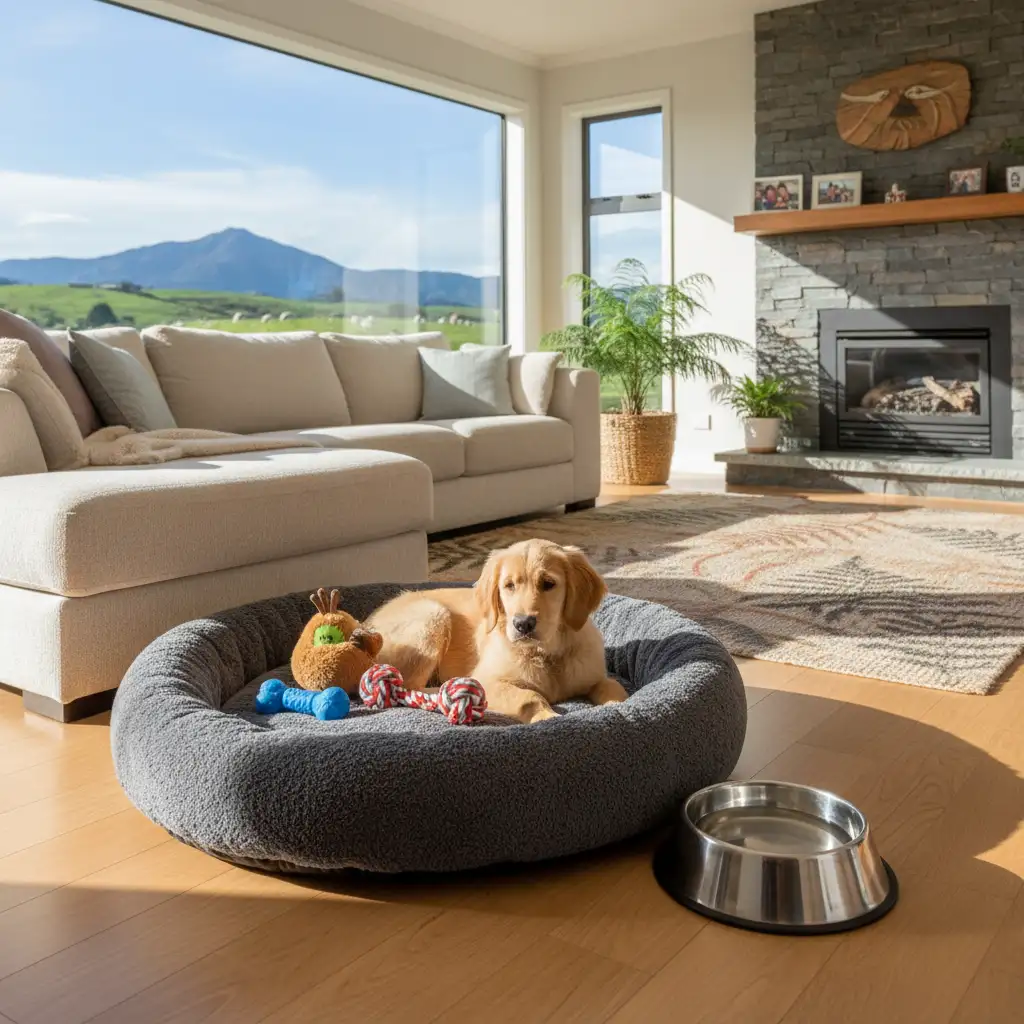
Before your dog arrives, gather these necessities:
- Food and Water Bowls: Durable and easy to clean.
- High-Quality Dog Food: Ask the rescue what the dog has been eating to ensure a smooth transition.
- Collar, Leash, and ID Tag: Essential for safety and legal compliance.
- Comfortable Bed: A designated safe space for your dog.
- Toys: A variety for mental stimulation and play.
- Grooming Supplies: Brush, nail clippers, dog-friendly shampoo.
- Crate (optional but recommended): For safe travel, house training, and a den.
- Training Treats: For positive reinforcement.
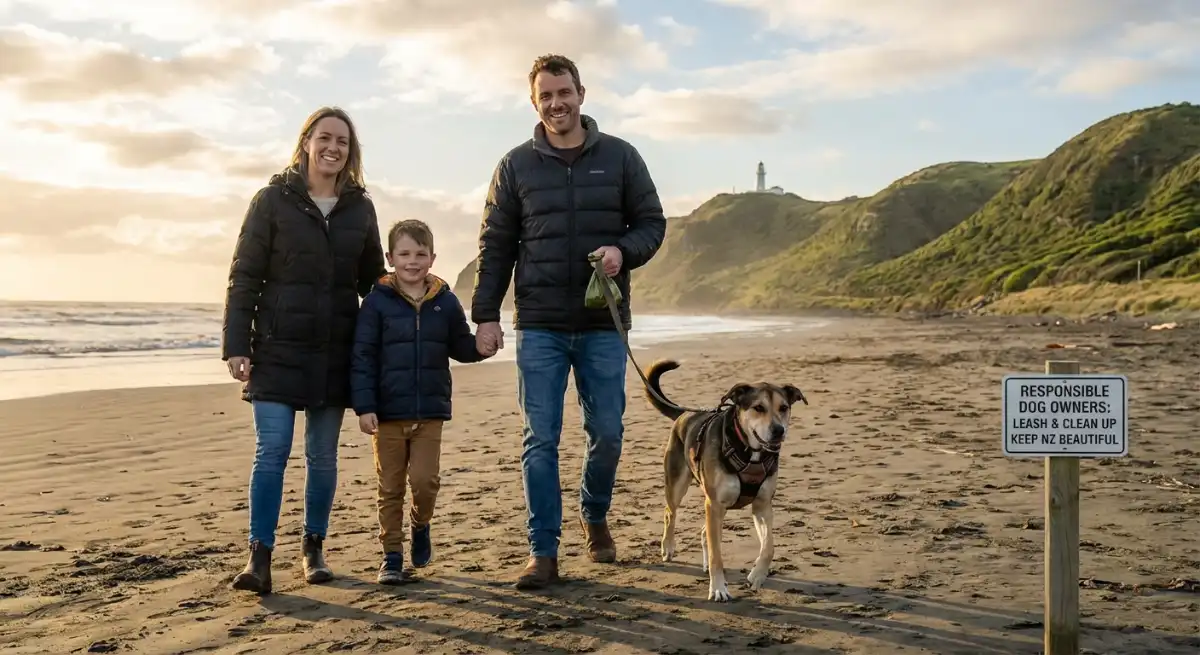
- Waste Bags: For responsible clean-up during walks.
Establishing Routines and Boundaries
Dogs thrive on routine. Establish a consistent schedule for feeding, walks, potty breaks, and playtime from day one. Clearly define boundaries – where the dog can and cannot go, what they can and cannot chew. Consistent rules, applied gently but firmly, help your dog understand expectations and feel secure in their new environment.
Nutrition and Veterinary Care
Proper nutrition is fundamental to your dog’s health. Discuss feeding guidelines with your vet or the rescue. Schedule a vet check-up within the first few days of adoption. Your vet can provide advice on diet, preventative health care (fleas, worms), and discuss any immediate health concerns. Ensure your dog’s microchip details are updated with your contact information, as legally required in New Zealand.
Training and Socialisation
Even adult dogs benefit from ongoing training. Basic obedience classes can strengthen your bond and improve communication. Socialisation, exposing your dog to various sights, sounds, people, and other dogs in a positive way, is crucial for developing a well-adjusted companion. Start slowly and positively, especially if your dog has a shy history.
Understanding Post-Adoption Adjustments
The “honeymoon period” typically lasts a few weeks to a few months, where your dog is adjusting. They might show different behaviours than what you observed at the shelter as they settle in and feel more comfortable. Patience, consistency, and understanding are key. If you encounter significant behavioural challenges, don’t hesitate to seek advice from the rescue or a professional dog trainer.
The Lifelong Commitment: Responsibilities of a Dog Owner in NZ
Adopting a dog is not just about the initial transition; it’s a commitment for the entirety of their life, often 10-15 years or more. Understanding and embracing these long-term responsibilities is crucial for a happy and healthy life together.
Legal Requirements and Dog Registration
In New Zealand, it is a legal requirement to register your dog with your local council by three months of age or within 14 days of acquisition. All dogs must also be microchipped. You can find comprehensive information on these requirements and responsible dog ownership on the official New Zealand Government website. Failure to comply can result in fines. Registration fees contribute to animal control services, dog parks, and public safety initiatives. Familiarise yourself with your local council’s specific bylaws regarding dog control, leash laws, and designated exercise areas.
Ongoing Health and Welfare
Regular veterinary check-ups are essential for preventative care, vaccinations, and early detection of health issues. This includes annual booster shots, routine parasite control (fleas, worms, ticks), and dental care. Provide a nutritious diet, fresh water, and a safe, comfortable environment. Promptly address any signs of illness or injury.
Financial Responsibilities
The cost of owning a dog extends far beyond the adoption fee. Budget for food, veterinary care (including potential emergencies), annual registration, grooming, training, and pet insurance (highly recommended). The average cost of owning a dog in NZ can range from hundreds to thousands of dollars annually, depending on size, breed, and health needs. Being financially prepared ensures you can provide for your dog’s needs throughout their life.
Enrichment and Mental Stimulation
Dogs require more than just food and shelter; they need mental and physical stimulation. Regular exercise, appropriate for their breed and age, is vital. This could be daily walks, runs, or playtime in a secure area. Provide puzzle toys, training sessions, and opportunities for sniffing and exploration to keep their minds active and prevent boredom, which can lead to destructive behaviours.
Common Challenges and How to Overcome Them
While incredibly rewarding, dog adoption can present challenges. Understanding these potential hurdles and knowing how to address them proactively can make the journey smoother and strengthen your bond with your adopted companion.
Behavioural Issues
Some adopted dogs may come with pre-existing behavioural issues due to past trauma, lack of training, or previous environments. Common issues include fearfulness, separation anxiety, excessive barking, resource guarding, or house-training lapses. Patience, consistent positive reinforcement training, and seeking professional help from a certified dog behaviourist or trainer are crucial. Remember, these behaviours are often a dog’s way of communicating stress or discomfort, not an act of defiance.
Separation Anxiety
Dogs from shelters can be particularly prone to separation anxiety, especially if they’ve experienced abandonment. Symptoms include destructive chewing, excessive barking or howling, inappropriate urination/defecation when left alone, and frantic greetings upon your return. Gradual desensitisation training, creating a safe and comfortable space for them when you’re away, and providing stimulating toys can help. In severe cases, a vet or behaviourist might recommend medication in conjunction with training.
Integrating with Existing Pets or Family
Introducing a new dog to resident pets (dogs, cats) or young children requires careful planning and supervision. Introductions should be slow, controlled, and positive. Allow animals to meet on neutral territory first, supervise all interactions, and ensure each pet has their own space, food bowls, and toys. Educate children on respectful interaction with dogs. Patience is key, as it can take weeks or even months for pets to fully accept each other and establish a new pack dynamic.
Ultimately, adopting a dog in New Zealand is a journey filled with learning, patience, and immense joy. By thoroughly preparing, understanding the process, and committing to responsible pet ownership, you can provide a loving forever home to a dog in need and enrich your life immeasurably. The bond you forge with your adopted companion will be one of the most fulfilling relationships you’ll ever experience.
People Also Ask
What is the average cost to adopt a dog in New Zealand?
The average adoption fee for a dog in New Zealand typically ranges from NZ$250 to NZ$600. This fee usually covers essential services like desexing, initial vaccinations, microchipping, worming, and flea treatments. It’s important to remember that this is just the upfront cost; ongoing expenses for food, vet care, registration, and supplies will add up annually.
How long does the dog adoption process take in NZ?
The dog adoption process in New Zealand can vary significantly, usually taking anywhere from a few days to several weeks. It depends on the individual rescue organisation, the thoroughness of their vetting process (applications, interviews, home checks), and how quickly a suitable match is found. It’s best to be patient and understand that the goal is to ensure the best possible outcome for both the dog and the adopter.
Can I adopt a dog in NZ if I live in an apartment?
Yes, it is possible to adopt a dog in NZ if you live in an apartment, but rescues will carefully assess if your lifestyle and the specific dog’s needs are compatible. Factors considered include the dog’s size, energy level, breed (some breeds are better suited to apartment living), your commitment to regular walks and exercise, and whether your apartment building allows pets. Smaller, less active, or older dogs often thrive in apartment settings with dedicated owners.
What documents do I need for dog adoption in New Zealand?
While specific requirements can vary between rescues, you will generally need identification (e.g., driver’s license), proof of address (utility bill), and sometimes landlord approval if you rent. For the adoption agreement, you’ll need to provide your contact details. Rescues may also ask for references or details of your current vet if you have other pets.
Is it better to adopt a puppy or an adult dog in NZ?
Both puppies and adult dogs offer wonderful companionship, but the “better” choice depends on your lifestyle. Puppies require significant time, training, and patience for house-training and socialisation. Adult dogs, particularly those over 2-3 years old, often come with some training, a known temperament, and are generally calmer, making them ideal for first-time owners or those with less time for intense puppy-raising. Many shelters have a great selection of all ages.
What support do New Zealand rescues offer after adoption?
Most ethical dog rescues in New Zealand offer some form of post-adoption support. This can include advice on settling your dog in, guidance on common behavioural issues, training tips, and sometimes even a helpline for new owners. Many also have a return policy, should the adoption not work out, emphasizing their commitment to the dog’s welfare. Don’t hesitate to reach out to them if you need assistance after adoption.