To decide between buy vs adopt dog NZ, you must weigh genetic predictability against social responsibility and cost. Buying from a Dogs New Zealand registered breeder offers lineage certainty but costs $1,500 to $4,000+. Adopting from a shelter like the SPCA costs $300-$600, includes desexing, and saves a life from New Zealand’s overpopulated shelters.
Bringing a dog into your home is one of the most rewarding decisions you will ever make. However, in New Zealand, the path to ownership is often a subject of intense debate. Should you support a breeder to ensure you get a specific temperament and look, or should you visit a local shelter and save a life? This decision involves ethical considerations, financial planning, and a realistic assessment of your lifestyle.
New Zealand has a unique pet culture. We are a nation of dog lovers, yet we face significant challenges regarding stray populations, backyard breeding, and rental housing restrictions. This comprehensive guide will navigate the complexities of acquiring a dog in Aotearoa, ensuring you make an informed choice that benefits both your family and the wider canine community.
The New Zealand Landscape: Adoption vs. Buying
The conversation around acquiring a dog in New Zealand has shifted dramatically in the last decade. Historically, purchasing a puppy from a neighbor or a local farm was commonplace. Today, with the rise of online marketplaces like Trade Me, the visibility of both reputable breeders and unethical “backyard breeders” has increased. Simultaneously, rescue organizations are operating at capacity, urging Kiwis to consider adoption first.
The core of the “buy vs adopt dog NZ” debate centers on predictability versus philanthropy. When you buy from a reputable source, you are paying for a known quantity: a dog with a documented lineage, predictable size, and breed-specific traits. When you adopt, you are often saving a dog from an uncertain future, gaining a companion that has been health-checked and desexed, but whose genetic history may be a mystery.
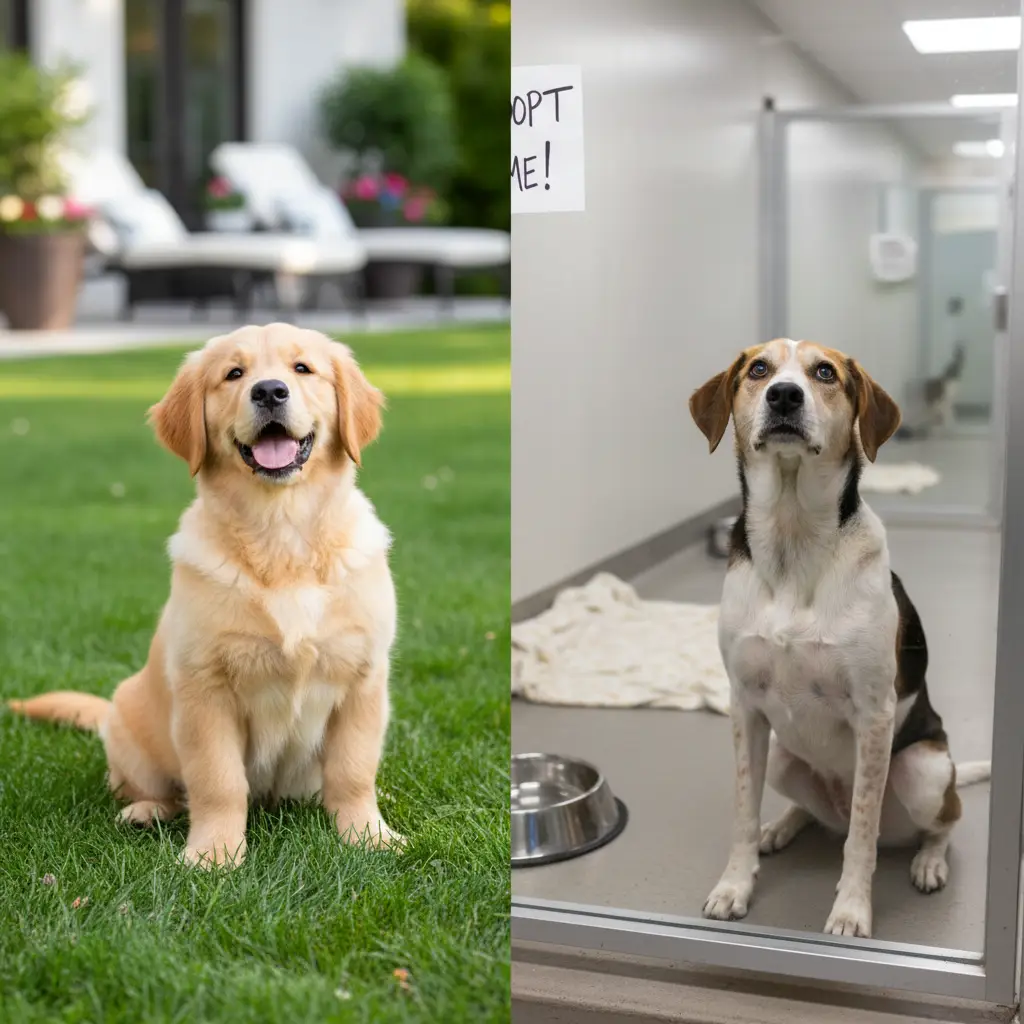
Understanding the Rescue Reality in New Zealand
To make an ethical decision, one must understand the current state of animal welfare in New Zealand. While we pride ourselves on being a progressive nation, the statistics regarding unwanted animals are sobering.
The State of Puppy Mills and Backyard Breeding
A “puppy mill” is a commercial dog breeding facility that prioritizes profit over the well-being of the dogs. In New Zealand, these operations often disguise themselves as family breeders on social media or online trading platforms. The dogs are frequently kept in substandard conditions, bred every heat cycle, and receive minimal veterinary care.
“Backyard breeders” are slightly different but can be equally problematic. These are often individuals who breed their pets without health testing, knowledge of genetics, or a long-term plan for the puppies. This indiscriminate breeding contributes heavily to the population of dogs that eventually end up in shelters. When you purchase a cheap puppy without papers, you risk supporting these industries.
Why Shelters are Full
Organizations like the SPCA, HUHA (Helping You Help Animals), and Chained Dog Rehabilitation NZ are perpetually stretched thin. The influx of dogs comes from various sources:
- Surrenders: Owners who can no longer afford their pets or whose housing situation has changed.
- Strays: Unclaimed dogs picked up by council animal control.
- Seizures: Animals removed from abusive or neglectful environments.
- Failed Litters: Puppies from backyard breeders that didn’t sell.
By choosing to adopt, you alleviate pressure on these organizations, freeing up space and resources for the next animal in need.
The Case for Adoption: Giving a Kiwi Dog a Second Chance
Adoption is often championed as the moral choice, but it is also a practical one. Rescue dogs in New Zealand are not “broken”; in fact, many are well-adjusted pets that have simply fallen on hard times due to human circumstances.
Benefits of Adopting an Adult Dog
While everyone loves puppies, they require an immense amount of time, patience, and training. Adopting an adult dog offers several distinct advantages:
- What You See Is What You Get: With an adult dog, their size, coat type, and personality are already developed. You don’t have to guess if they will grow too large for your home or if they will be high-energy.
- House Training: Many adult rescue dogs are already house-trained or require only a quick refresher course, saving your carpets from the inevitable accidents associated with puppies.
- Basic Manners: It is common to find rescue dogs that already know basic commands like “sit,” “stay,” and “come.”
- Grateful Companions: Anecdotally, many rescue owners report a deep bond with their adopted dogs, often described as the dog knowing they have been saved.
What the Adoption Package Includes
One of the most compelling arguments for adoption is the value for money. When you adopt from a reputable NZ shelter, the adoption fee (usually between $300 and $600) typically covers:
- Desexing (Spay/Neuter surgery).
- Microchipping and registration on the NZ Companion Animal Register.
- First round of vaccinations.
- Flea and worm treatments.
- Behavioral assessment.
- Vet check.
If you were to pay for these services individually at a private vet clinic, the cost would far exceed the adoption fee. This makes adoption a financially savvy option for many families.
Buying from a Breeder: When It Makes Sense
Buying a dog is not inherently unethical, provided it is done correctly. For families with specific requirements—such as allergies requiring a hypoallergenic coat, working dogs for farms, or those interested in dog sports—a purebred dog from a registered breeder is the logical choice.
How to Identify a Reputable Breeder
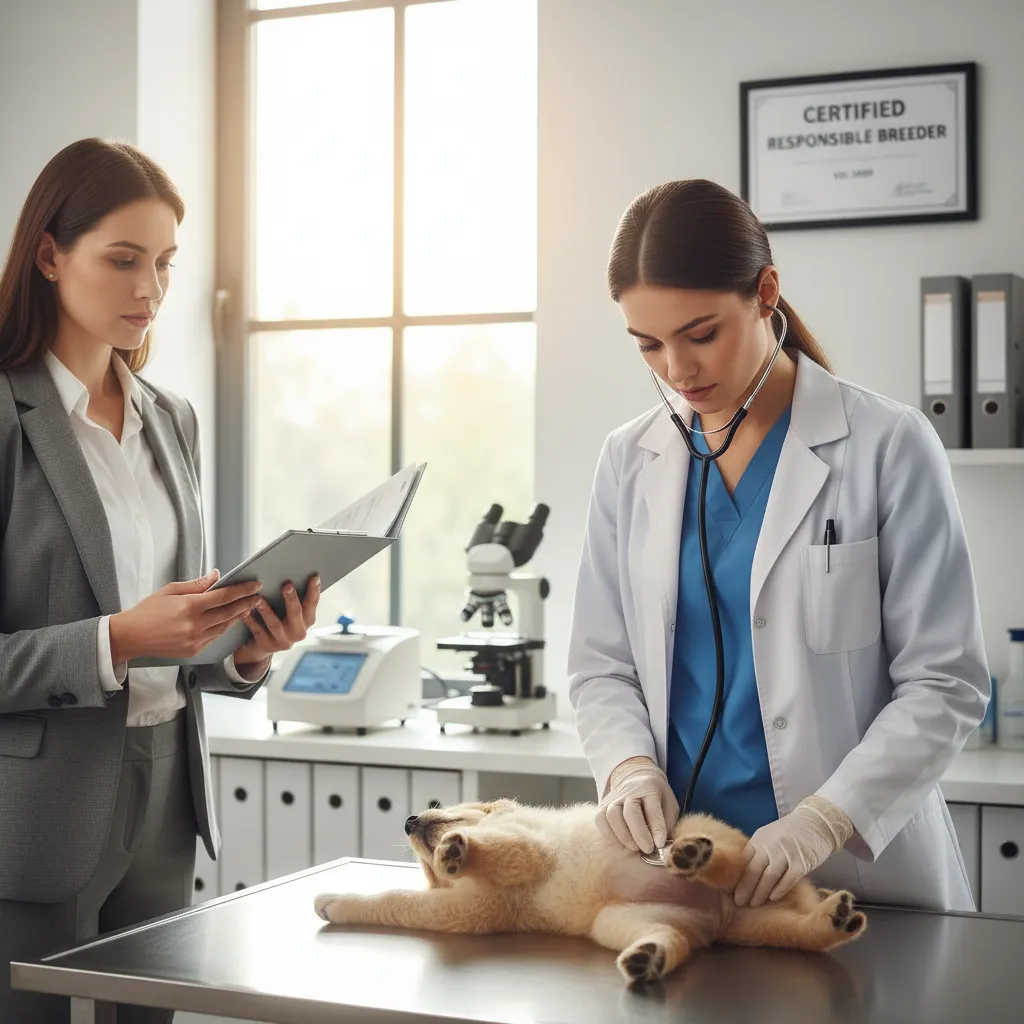
In New Zealand, the gold standard for breeders is registration with Dogs New Zealand (formerly the New Zealand Kennel Club). A reputable breeder prioritizes the betterment of the breed over profit.
Signs of a Reputable Breeder:
- Health Testing: They perform genetic tests relevant to the breed (e.g., hip scoring for Labradors, eye checks for Collies) and can provide proof.
- Waiting Lists: Good breeders rarely have puppies available immediately. They breed only when they have homes lined up.
- Questions You: They will interrogate you about your lifestyle, home, and work hours to ensure their puppy is going to a good home.
- Lifetime Support: They will contractually agree to take the dog back at any point in its life if you can no longer care for it.
- Open Access: They allow you to visit where the puppies are raised and meet the mother (dam).
Red Flags: Spotting a Backyard Breeder
Be wary of sellers on general trading sites who cannot provide health clearances. If a breeder refuses to let you visit, offers to meet you in a car park, or has multiple different breeds of puppies available at once, walk away. These are classic signs of puppy farming.
Financial Breakdown: Cost Comparison
The initial purchase price is just the tip of the iceberg, but it varies significantly between buying and adopting. Below is a comparative breakdown of the initial investment required in New Zealand.
| Expense Item | Adopting (Rescue) | Buying (Breeder) |
|---|---|---|
| Acquisition Fee | $300 – $600 | $1,500 – $4,500+ |
| Desexing | Included | $350 – $600 (Owner pays) |
| Microchipping | Included | Usually Included |
| Vaccinations | Up to date | 1st Shot Included (2 more needed @ ~$100 each) |
| Registration (Council) | Often included for first year | $50 – $150 (Owner pays) |
| TOTAL ESTIMATED INITIAL COST | $300 – $600 | $2,100 – $5,400+ |
It is evident that adopting is significantly cheaper upfront. However, prospective owners must remember that dogs are a long-term financial commitment. Food, insurance, and annual vet care will cost the same regardless of where the dog came from.
Making the Right Choice for Your Lifestyle
Beyond the finances and ethics, your lifestyle dictates the best path. New Zealand’s housing market is notoriously tough for pet owners. If you are renting, getting a puppy can be a significant risk. Landlords are often more amenable to an older, reference-checked dog with a known history of not chewing walls or barking incessantly.
Time Commitment
Do you work full-time away from home? A puppy cannot be left alone for 8 hours a day; they need feeding and toileting every few hours. If you cannot provide this or afford a dog walker, an adult rescue dog with better bladder control and independence is a far superior choice.
Family Dynamics
For families with very young children, puppies can be challenging due to their sharp teeth and nipping behavior. Conversely, some rescue dogs may have trauma related to children. In this instance, a reputable breeder who has raised puppies in a home environment with kids, or a foster-based rescue that has tested the dog with children, are the safest routes.
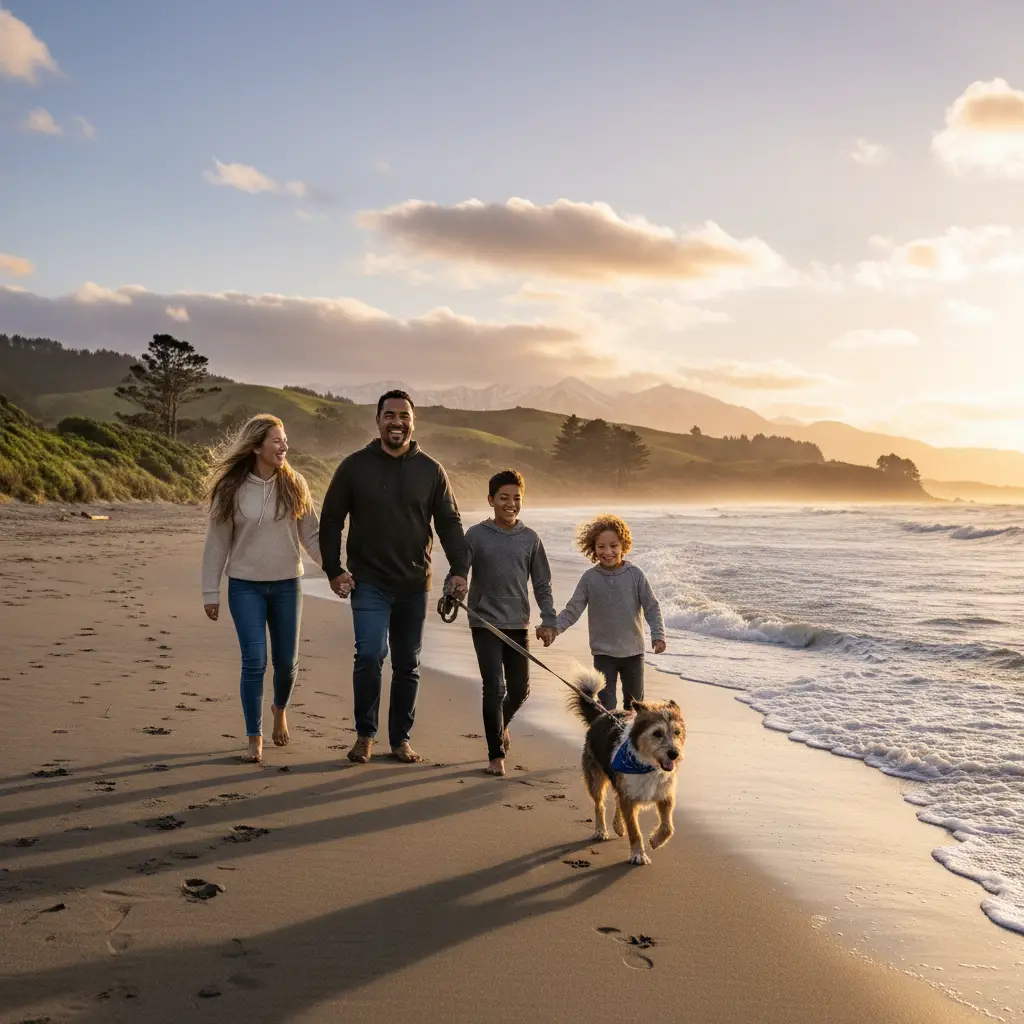
Ultimately, the decision to buy or adopt in New Zealand should not be impulsive. Research breeds, visit shelters, talk to registered breeders, and assess your resources. Whether you choose a pedigree puppy or a “bitser” from the pound, ensuring you can provide a forever home is the most critical factor.
Frequently Asked Questions
How much does it cost to adopt a dog in NZ?
Adoption fees in New Zealand generally range from $300 to $600. This fee is highly subsidized and typically includes desexing, microchipping, registration, vaccinations, and flea/worm treatments, offering exceptional value compared to purchasing a dog.
Is it better to get a puppy or a rescue dog?
It depends on your lifestyle. Puppies offer a blank slate but require immense time, training, and patience. Rescue dogs (often adults) are frequently house-trained and may have calmer temperaments, making them better suited for working professionals or busy families.
How do I know if a NZ breeder is reputable?
A reputable breeder should be registered with Dogs New Zealand. They will perform health tests (DNA and physical), allow you to meet the puppy’s mother, ask you questions about your lifestyle, and offer lifetime support for the dog.
What is the difference between Dogs NZ and a backyard breeder?
Dogs NZ breeders follow a code of ethics, track lineage, and conduct health testing to improve the breed. Backyard breeders typically breed unregistered dogs for profit without health testing, often leading to genetic issues and poor welfare standards.
Can I adopt a specific breed in NZ?
Yes, breed-specific rescue groups exist in New Zealand (e.g., Greyhound rescue, Boxer rescue). However, specific breeds are rarer in general shelters like the SPCA, which host more mixed-breed dogs. You may need to wait longer to adopt a specific purebred.
Do rescue dogs have behavioral issues?
Not necessarily. Many dogs enter rescue due to owner lifestyle changes (moving, divorce) rather than behavioral faults. Shelters perform behavioral assessments to match dogs with appropriate homes, and many rescues are well-behaved and eager to please.