A dog behavior specialist in NZ is a highly trained professional who diagnoses and treats complex behavioral issues in canines, going beyond basic obedience training. These experts apply scientific principles of animal behavior to address root causes of problems like aggression, anxiety, or phobias, helping owners foster a harmonious relationship with their pets through tailored, ethical interventions.
Understanding Challenging Dog Behaviors
Addressing challenging pet behaviors is often the first step towards a more peaceful household. Dogs, much like humans, can develop a myriad of complex behaviors stemming from various internal and external factors. These can range from nuisance barking and destructive chewing to more serious issues like aggression towards other animals or humans, separation anxiety, and fear-based reactions. Understanding the underlying causes of these behaviors is paramount before any intervention can be effective. Often, what appears to be ‘naughtiness’ is actually a dog communicating distress, fear, boredom, or confusion.
Common challenging behaviors often include persistent pulling on the leash, inappropriate urination or defecation indoors, resource guarding (protecting food, toys, or space), excessive barking, digging, jumping on guests, and various forms of anxiety or phobias. Each of these can significantly impact a dog’s quality of life and the human-animal bond. It’s crucial for owners to observe patterns, triggers, and the contexts in which these behaviors occur, as this information is invaluable for diagnosis.
Identifying Root Causes and Triggers
Many behavioral problems are not isolated incidents but symptoms of deeper issues. For instance, aggression can stem from fear, pain, territoriality, or even past trauma. Separation anxiety might be rooted in a lack of early socialization, inconsistent routines, or a history of abandonment. Chronic boredom and lack of mental stimulation can manifest as destructive chewing or excessive barking. Furthermore, medical conditions can sometimes mimic behavioral problems, making a veterinary check-up an essential first step when a new behavior emerges. Environmental factors, such as changes in the home, new pets or people, or even loud noises, can also act as significant triggers.
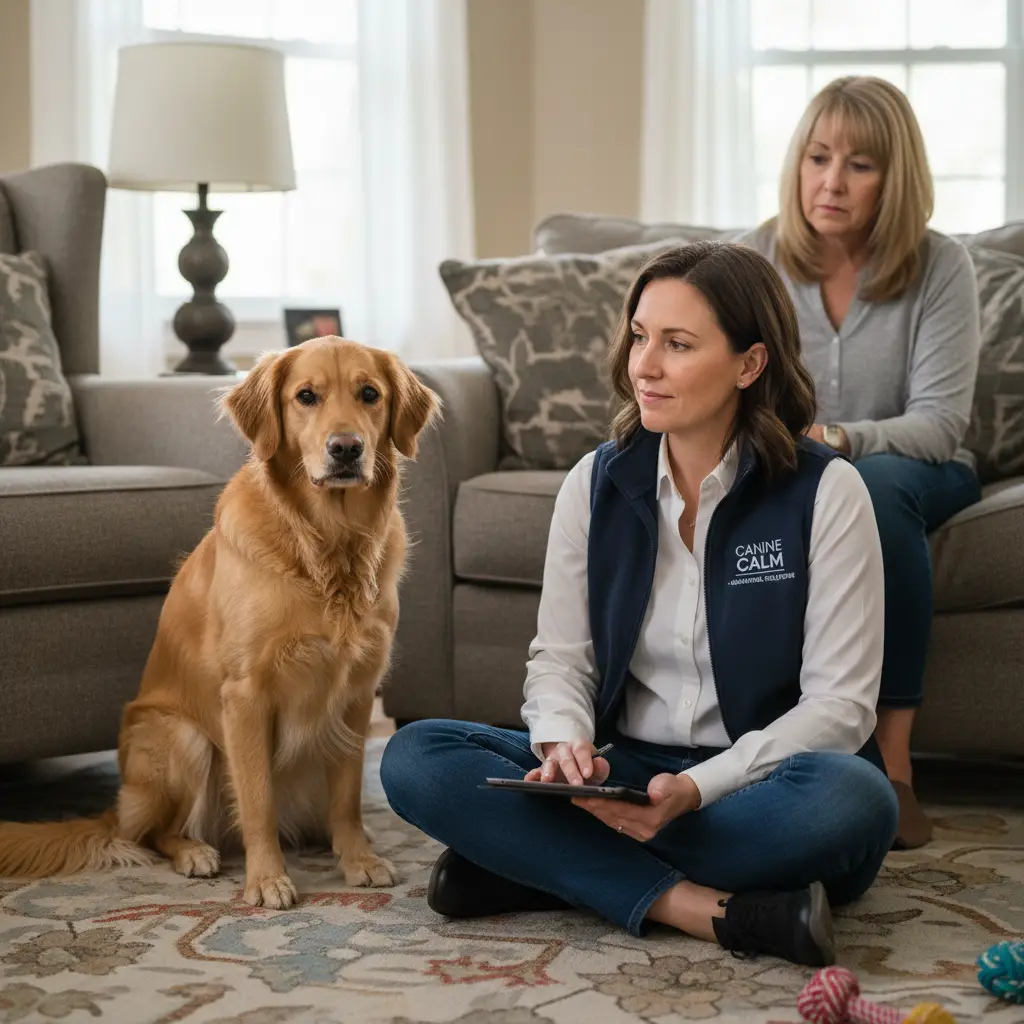
Understanding these intricacies requires a nuanced approach, often beyond the scope of general pet ownership knowledge. It’s about looking past the surface behavior to diagnose the underlying emotional state or motivation driving the dog’s actions. This holistic perspective ensures that interventions are not just band-aid solutions but address the core of the problem, leading to lasting positive change.
When to Engage a Dog Behavior Specialist in NZ
Knowing when to seek professional help is a critical decision for any dog owner facing behavioral challenges. While many minor issues can be addressed with basic obedience training and consistent management, some problems are deeply ingrained or potentially dangerous, necessitating expert intervention. A good rule of thumb is that if a behavior is persistent, escalating, causing significant stress to the dog or owner, or posing a safety risk to people or other animals, it’s time to consult a specialist.
Distinguishing Between a Trainer and a Behaviorist
In New Zealand, the terms ‘dog trainer’ and ‘dog behaviorist’ are often used interchangeably, but there’s a significant distinction. A dog trainer typically focuses on teaching obedience commands (sit, stay, come), manners, and basic skills through repetitive exercises. They can be excellent for puppies, new dogs, or owners looking to refine their dog’s general conduct. However, they may not possess the in-depth knowledge of ethology, learning theory, and canine psychology required to address complex emotional or psychological issues.
A dog behavior specialist (often referred to as a clinical animal behaviorist or certified professional dog behavior consultant) possesses advanced qualifications, often with degrees in animal behavior, psychology, or veterinary science, and extensive practical experience. They are equipped to diagnose and treat behavioral disorders by understanding their root causes, much like a therapist for humans. They work with issues such as severe aggression, phobias, separation anxiety, compulsive disorders, and trauma-related behaviors. Their approach is often multi-faceted, involving environmental modifications, management strategies, systematic desensitization, counter-conditioning, and, when necessary, collaboration with a veterinarian for pharmaceutical support.
The Importance of Qualified Professionals in New Zealand
When seeking a specialist in NZ, it is crucial to look for individuals with recognized qualifications and affiliations. As the industry is not fully regulated, anyone can claim to be a ‘behaviorist’. Look for certifications from reputable international bodies, or local professionals who adhere to ethical guidelines and use force-free, evidence-based methods. Organisations like the Companion Animals New Zealand (CANZ) or similar professional associations often list qualified members. A specialist will conduct a thorough assessment, which includes taking a detailed history of your dog, observing their behavior, and discussing your concerns comprehensively. They will then formulate a tailored behavior modification plan.
Core Principles of Advanced Behavioral Training: Positive Reinforcement
Positive reinforcement is not just a method; it’s a philosophy that underpins all effective and ethical advanced behavioral training. It involves adding something desirable to the environment after a desired behavior occurs, making that behavior more likely to happen again. This creates a positive association with learning and strengthens the bond between dog and owner, moving beyond outdated, punishment-based techniques that can cause fear, stress, and damage to the dog’s psyche.
Beyond Basic Rewards: Shaping and Capturing
While treats are common, positive reinforcement encompasses anything a dog finds rewarding—praise, toys, play, walks, or even just attention. Advanced techniques leverage this principle to teach complex behaviors or modify deeply ingrained ones:
- Shaping: This involves rewarding successive approximations of a desired behavior. For example, to teach a dog to put toys away, you might first reward them for looking at the toy, then for touching it, then for picking it up, then for moving towards the toy box, and finally for dropping it in. It breaks down complex tasks into achievable steps.
- Capturing: This technique involves rewarding a behavior that the dog offers spontaneously. If your dog lies down calmly on their own, you can capture that moment by rewarding them, thus encouraging them to offer that calm behavior more frequently. This builds on natural behaviors rather than forcing them.
- Luring: Using a treat to guide a dog into a desired position (e.g., holding a treat above their nose to get them to sit) is luring. While useful for initial teaching, it’s essential to fade the lure quickly so the dog doesn’t become dependent on it and learns to perform the behavior based on the verbal cue alone.
The Power of Marker Training: Clickers and Verbal Markers
Marker training, commonly using a clicker or a specific verbal marker like “yes!”, is a highly effective way to communicate precisely with your dog. The marker sound or word pinpoints the exact moment the dog performs the correct behavior, immediately followed by a reward. This precision helps the dog understand exactly what they are being rewarded for, accelerating learning and making complex behaviors easier to teach. It’s particularly useful when the reward cannot be delivered instantaneously, bridging the gap between action and reinforcement.
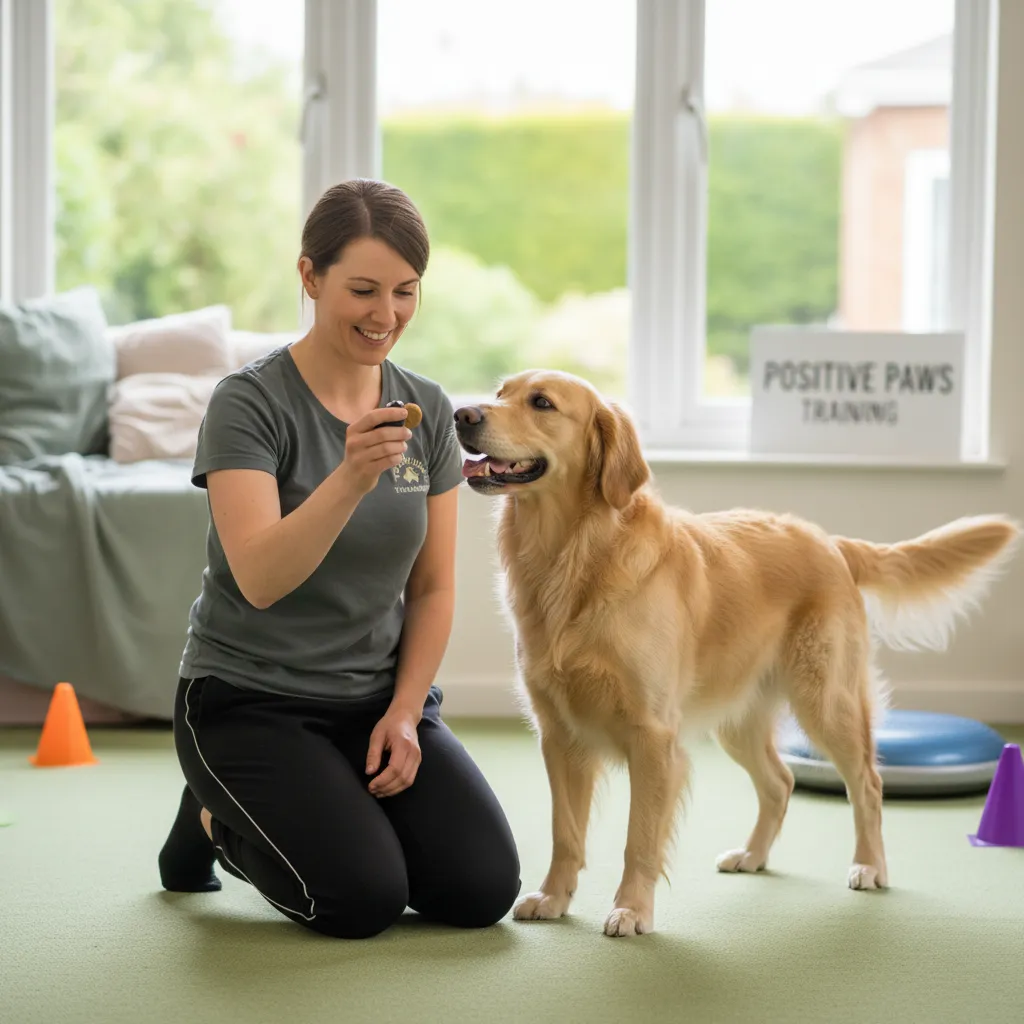
Implementing these techniques requires patience, consistency, and a keen eye for canine body language. The goal is to make learning a positive and engaging experience for your dog, fostering a willing participant rather than a coerced one.
Advanced Techniques for Specific Behavioral Challenges
When dealing with deeply entrenched or severe behavioral issues, advanced strategies are required. These techniques are often employed by dog behavior specialists and involve systematic approaches tailored to the individual dog’s history, personality, and specific triggers.
Desensitization and Counter-Conditioning
These two techniques are often used in tandem to treat fear, anxiety, and aggression. They involve gradually exposing the dog to the stimulus they fear (desensitization) while simultaneously pairing that exposure with something positive (counter-conditioning). The goal is to change the dog’s emotional response from negative to positive.
- Desensitization: This is a gradual process where the dog is exposed to a fear-inducing stimulus at a very low intensity, so low that it doesn’t provoke a negative reaction. For example, a dog fearful of car rides might first be exposed to the car parked and off, then the engine running, then short rides down the driveway, slowly increasing intensity over time.
- Counter-Conditioning: At each stage of desensitization, the fearful stimulus is paired with something highly positive, such as high-value treats or favorite toys. The aim is to change the dog’s emotional association with the stimulus. Instead of seeing the car as scary, the dog learns to associate it with delicious treats, gradually shifting their emotional state.
This process requires immense patience and careful observation to ensure the dog never goes ‘over threshold’ (becomes too fearful or reactive). Going too fast can worsen the problem.
Environmental Management and Enrichment
Effective behavioral modification always includes optimizing the dog’s environment. This means managing situations to prevent problematic behaviors from occurring in the first place, thus preventing the dog from rehearsing unwanted actions and reducing stress. For instance, if a dog barks excessively at passing pedestrians, management might involve closing curtains or providing access to a quieter part of the house during busy times. Crate training can be a valuable management tool for dogs with separation anxiety or destructive tendencies when unsupervised.
Environmental enrichment is equally crucial, especially for dogs with anxiety, boredom, or destructive tendencies. This involves providing mental and physical stimulation through puzzle toys, interactive feeders, scent work, regular exercise tailored to the dog’s breed and energy levels, and appropriate socialisation opportunities. A mentally and physically stimulated dog is generally a happier, more well-adjusted dog, less prone to developing behavioral issues. For more insights on canine enrichment, resources like the RSPCA’s guide on dog enrichment offer excellent starting points.
Consistency and Generalization
Regardless of the technique, consistency is key. Everyone in the household must be on board with the training plan, using the same cues, rewards, and rules. Furthermore, behaviors learned in one context (e.g., sitting in the living room) need to be generalized to different environments (e.g., sitting at the park, at the vet’s office) and with various distractions. This ‘proofing’ of behavior ensures reliability in the real world and is a hallmark of advanced training.
Building an Unbreakable Bond Through Training and Understanding
The ultimate goal of advanced behavioral training extends far beyond simply eradicating unwanted behaviors. It is about fostering a deeper connection and mutual understanding between you and your dog. When training is approached with empathy, consistency, and positive reinforcement, it transforms into a powerful tool for relationship building, enhancing trust and communication.
Enhanced Communication and Trust
Training provides a common language. When you teach your dog a cue, and they respond, it’s a clear instance of communication. As you progress to more complex behaviors and address challenges together, your dog learns to trust your guidance and leadership, knowing that you will set them up for success and respond positively. This trust is foundational, especially for dogs who may have come from difficult backgrounds or exhibit fearful tendencies. A dog that trusts its owner is more likely to look to them for direction in novel or stressful situations rather than reacting impulsively.
The Role of Mental and Physical Stimulation
A strong bond is also cultivated through meeting a dog’s inherent needs for mental and physical activity. Advanced training isn’t just about structured lessons; it involves integrating enrichment into daily life. This can include:
- Puzzle Toys: Engaging their minds with toys that require problem-solving to dispense treats.
- Scent Work: Allowing dogs to use their incredible sense of smell through ‘nose work’ games, which can be incredibly tiring and satisfying for them.
- Interactive Play: Games like fetch, tug-of-war (with rules), or hide-and-seek strengthen the bond and provide an outlet for energy.
- New Experiences: Safely exposing dogs to new environments, sounds, and sights, building confidence and resilience.
When dogs are adequately stimulated, they are less likely to develop boredom-related behaviors and are more receptive to training, creating a positive feedback loop that reinforces the bond. This comprehensive approach aligns with the core principles often advocated by Companion Animals New Zealand, which promotes responsible pet ownership through understanding and care.
Continued Learning and Maintenance
Building an unbreakable bond is an ongoing journey, not a destination. It requires continued learning from both ends of the leash. Regular short training sessions keep skills sharp and provide mental exercise. As your dog ages, their needs and capabilities may change, requiring adjustments to training and enrichment. Staying engaged with their learning process, celebrating their successes, and patiently navigating their challenges together will solidify your bond for a lifetime.

Ultimately, advanced behavioral training is an investment in your relationship with your dog. It’s about understanding their world, communicating effectively, and guiding them with kindness and expertise to become the best companion they can be.
Choosing the Right Dog Behavior Specialist in New Zealand
Selecting the appropriate dog behavior specialist in NZ is a pivotal decision that can significantly impact the success of your training efforts and your dog’s well-being. With a growing number of professionals, knowing what to look for can help you make an informed choice.
Key Questions to Ask Potential Specialists
When interviewing potential specialists, consider asking the following questions:
- What are your qualifications and certifications? Look for degrees in animal behavior, zoology, veterinary medicine, or certifications from recognized professional bodies.
- What methods do you use? Ensure they exclusively use positive reinforcement, force-free, and evidence-based techniques. Avoid anyone who suggests harsh corrections, dominance theory, or punitive tools.
- How much experience do you have with my dog’s specific issue? While general experience is good, expertise in separation anxiety, aggression, or phobias is crucial if those are your primary concerns.
- What does your assessment process involve? A thorough specialist will want to gather a detailed history, observe your dog in their home environment, and possibly interact with them.
- What is your approach to ongoing support and communication? Will they provide a written plan? Are follow-up sessions or remote support available?
- Can you provide references? Speaking to previous clients can offer valuable insights into their experience.
- What are your fees and payment structure? Understand the costs involved, including initial assessments and follow-up sessions.
Red Flags to Watch Out For
Be wary of specialists who:
- Guarantee instant results or quick fixes. Behavioral change is a process.
- Advocate for harsh training tools like prong collars, shock collars, or choke chains, or promote dominance theory.
- Refuse to explain their methods or are secretive about their techniques.
- Do not involve you, the owner, heavily in the training process. You are an integral part of the solution.
- Do not require a veterinary check-up before starting behavioral modification, especially for new or sudden onset issues.
A holistic approach considers the dog’s physical health, emotional state, living environment, and the owner’s capabilities. The right specialist will collaborate with you, empowering you with the knowledge and tools to implement the behavior plan effectively, ensuring sustainable positive changes for your dog.
Conclusion
Embarking on advanced behavioral training for your dog, especially when guided by a qualified dog behavior specialist in NZ, is a profound investment in their well-being and your shared future. It’s a journey that moves beyond mere obedience, delving into the intricacies of canine psychology, communication, and emotional health. By understanding the root causes of challenging behaviors, embracing ethical and evidence-based positive reinforcement methods, and patiently implementing tailored strategies, owners can witness remarkable transformations in their pets.
The path to resolving complex behavioral issues requires dedication, consistency, and a willingness to learn. However, the rewards—a calm, confident, and well-adjusted companion, and an unbreakable bond forged in trust and mutual respect—are immeasurable. Remember, every dog is an individual, and with the right support, understanding, and techniques, a harmonious life for both you and your beloved canine companion is not just a possibility, but an achievable reality.
People Also Ask About Dog Behavior Training
What is the difference between a dog trainer and a dog behaviorist in NZ?
A dog trainer typically focuses on teaching obedience commands and basic manners. A dog behaviorist (or clinical animal behaviorist) has advanced qualifications to diagnose and treat complex behavioral disorders like aggression, severe anxiety, or phobias, addressing the underlying emotional and psychological causes.
How long does it take to see results from a dog behavior specialist?
The timeframe for seeing results varies greatly depending on the complexity and duration of the behavior issue, the dog’s temperament, and the owner’s consistency. Some minor changes can be seen quickly, while deep-seated issues might require several months of dedicated work. Patience and consistency are crucial for long-term success.
Are there specific certifications to look for in a New Zealand dog behavior specialist?
While there isn’t a single overarching regulatory body in NZ, look for specialists with academic degrees in animal behavior or certifications from internationally recognized organizations like the Certification Council for Professional Dog Trainers (CCPDT), the International Association of Animal Behavior Consultants (IAABC), or local professionals associated with ethical animal welfare groups.
Can aggression in dogs be fully cured by a behavior specialist?
Aggression can often be effectively managed and significantly reduced, but it’s rarely ‘cured’ in the sense of completely disappearing. A behavior specialist aims to identify triggers, teach alternative behaviors, implement management strategies, and reduce the dog’s underlying stress or fear, making the dog safer and more comfortable in various situations.
What is positive reinforcement, and why is it important in advanced dog training?
Positive reinforcement involves adding something desirable to the environment (e.g., treats, praise, play) when a dog performs a desired behavior, making that behavior more likely to occur again. It is crucial in advanced training because it builds trust, fosters a positive learning environment, and addresses the root causes of behavior without causing fear or stress, leading to more sustainable results.
Do I need to be present during training sessions with a dog behavior specialist?
Yes, owner involvement is absolutely critical. A behavior specialist typically works with you and your dog to teach you how to implement the behavior modification plan. You are an essential part of the ‘training team,’ as your consistency and understanding are vital for the long-term success of the program.