Advanced pet care in New Zealand transcends basic needs, focusing on proactive, personalised strategies to ensure optimal health, longevity, and quality of life for your animal companions. It encompasses tailored nutrition, sophisticated preventative medicine, expert management of complex conditions, and a holistic approach to mental and physical well-being.
Comprehensive Health & Nutrition
The foundation of advanced pet care in New Zealand begins with a deep understanding of nutrition and overall health. Just as with humans, a pet’s diet significantly impacts their vitality, immune system, and ability to ward off disease. Moving beyond generic store-bought kibble, advanced care involves a science-backed, individualised approach to feeding.
Tailored Dietary Plans
Recognising that no two pets are exactly alike, advanced pet care emphasises tailored dietary plans. Factors such as species (dog, cat, rabbit, bird), age (puppy/kitten, adult, senior), breed, activity level, and existing health conditions (e.g., allergies, kidney disease, diabetes) dictate specific nutritional requirements. A veterinary nutritionist can formulate a precise diet, considering macro- and micronutrient balance, caloric intake, and palatability. This might involve prescription diets, home-cooked meals designed by an expert, or high-quality raw food diets, all carefully balanced to meet unique physiological needs and support specific organ functions.
Supplementation and Nutraceuticals
While a balanced diet is paramount, certain pets may benefit from targeted supplementation or nutraceuticals. These are not merely add-ons but therapeutic agents used to support joint health (glucosamine, chondroitin), cognitive function (omega-3 fatty acids), digestive health (probiotics, prebiotics), or to address specific deficiencies. The judicious use of supplements should always be under veterinary guidance, ensuring they are appropriate, safe, and of high quality, avoiding potential interactions or overdosing that could be detrimental to your pet’s health.

Weight Management and Obesity Prevention
Obesity is a growing concern for pets in New Zealand, leading to a myriad of health problems including diabetes, arthritis, heart disease, and reduced lifespan. Advanced care incorporates rigorous weight management programs. This includes precise calorie calculations, specific dietary recommendations, and structured exercise plans tailored to the pet’s breed, age, and physical capabilities. Regular weight checks and body condition scoring by a veterinarian are essential components, allowing for timely adjustments and preventing the onset of obesity-related illnesses.
Dental Health as a Cornerstone
Often overlooked, dental health is a critical component of advanced pet care. Poor oral hygiene can lead to painful dental disease, gum infections, and can even impact vital organs like the heart and kidneys through bacterial spread. Regular professional dental cleanings under anaesthesia, daily tooth brushing, dental chews, and water additives form a comprehensive dental care strategy. Veterinarians in NZ can assess oral health, perform necessary extractions, and provide guidance on at-home preventative care, ensuring your pet’s mouth remains healthy.
Preventative Veterinary Medicine
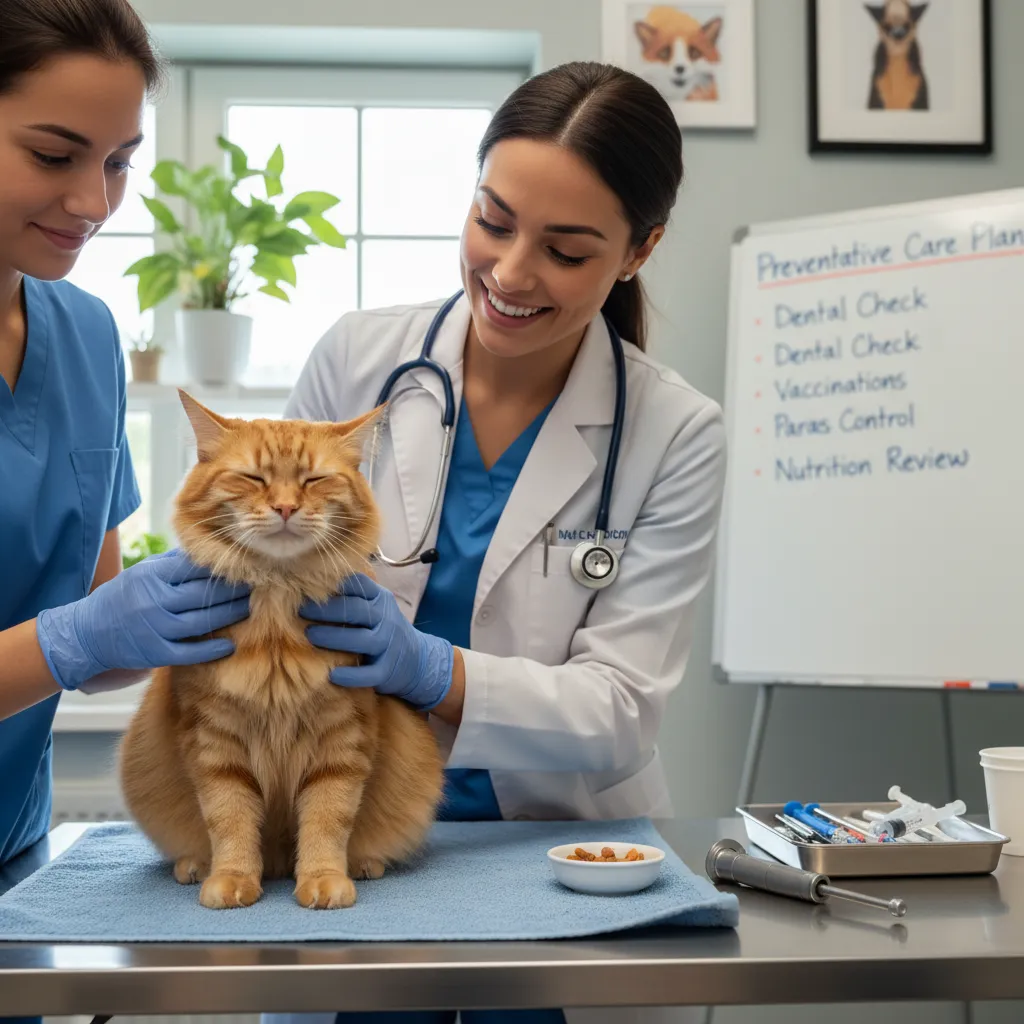
Preventative veterinary medicine is the cornerstone of advanced pet care, aiming to avert illness before it takes hold. In New Zealand, this involves a proactive approach that goes beyond annual check-ups, embracing early detection and bespoke protocols designed for each pet’s lifestyle and risk factors.
Regular Health Check-ups and Screenings
Beyond the standard annual visit, advanced preventative care often includes more frequent health checks, particularly for senior pets or those with pre-existing conditions. These check-ups incorporate thorough physical examinations, blood tests (complete blood count, biochemistry panels), urinalysis, and sometimes imaging (X-rays, ultrasound) to establish baseline health parameters and detect subtle changes indicative of early disease. Early detection significantly improves prognosis and allows for less invasive treatment options, ensuring better outcomes for your pet.
Advanced Parasite Control Strategies
New Zealand’s unique environment presents specific challenges for parasite control. Advanced strategies move beyond generic treatments to a highly individualised approach. This involves assessing a pet’s exposure risk based on lifestyle (e.g., indoor vs. outdoor, travel history, interaction with other animals) and geographical location within NZ. Comprehensive parasite control covers fleas, ticks (which are less common but present in some areas), heartworm (which is not endemic but can be a risk for imported pets or those travelling to endemic regions), and a range of intestinal worms. Modern broad-spectrum preventatives are often prescribed, tailored to the pet’s specific needs, and administered consistently year-round.
Vaccinations and Immunisation Protocols
Vaccination protocols in advanced care are dynamic, moving away from a one-size-fits-all approach. Veterinarians in New Zealand assess individual pet risk factors, taking into account exposure likelihood, age, and health status, to create a customised immunisation schedule. This may include core vaccines (e.g., canine distemper, parvovirus, feline panleukopenia) and non-core vaccines (e.g., kennel cough, feline leukaemia virus) administered on a three-year or longer schedule where appropriate, guided by titre testing to ensure sufficient immunity. For more information on animal health regulations in NZ, you can consult resources like the Ministry for Primary Industries (MPI).
Early Disease Detection and Biomarkers
Utilising advanced diagnostic tools, veterinarians can identify subtle biomarkers that indicate disease long before clinical signs appear. This includes specialised blood tests for early kidney or heart disease, genetic screening for breed-specific conditions, and advanced imaging techniques. For example, specific blood tests can detect early kidney damage in cats even before their kidneys lose significant function, allowing for dietary and medical interventions that can slow disease progression and extend a pet’s healthy life.
Managing Specific Health Conditions
When health challenges arise, advanced pet care in New Zealand offers sophisticated approaches to manage specific conditions, ensuring comfort, functionality, and improved quality of life for affected animals. This goes beyond symptom treatment to address the root causes and long-term implications of various ailments.
Chronic Disease Management
Chronic diseases such as arthritis, diabetes, kidney disease, and heart conditions require ongoing, meticulous management. Advanced care involves developing comprehensive, multi-modal treatment plans that often combine medication, dietary modifications, physical therapy, and regular monitoring. For instance, pets with diabetes may require daily insulin injections and carefully controlled diets, while those with kidney disease benefit from specific prescription foods and fluid therapy. Regular veterinary check-ups are crucial to adjust treatments as the disease progresses and to maintain the pet’s comfort and stability.
Pain Management Strategies
Effective pain management is a paramount concern in advanced pet care. Whether acute pain from injury or surgery, or chronic pain from conditions like osteoarthritis, strategies are tailored to the individual. This includes a combination of pharmaceutical interventions (NSAIDs, opioids, gabapentin), complementary therapies (acupuncture, laser therapy), and environmental modifications. The goal is not just to alleviate pain but to improve mobility, encourage activity, and enhance overall well-being, allowing pets to live more comfortably and joyfully.
Behavioural Health and Modalities
Behavioural issues like anxiety, aggression, or compulsive disorders can significantly impact a pet’s quality of life and the human-animal bond. Advanced care acknowledges the link between physical and mental health. This involves consultations with veterinary behaviourists who can diagnose underlying causes (often medical), develop behaviour modification plans, and prescribe appropriate medications when necessary. Environmental enrichment, training, and consistent routines are also vital components, aiming to reduce stress and foster positive behaviours.
Geriatric Pet Care
As pets live longer, geriatric care has become a specialised field within advanced pet care. Senior pets face unique challenges, including cognitive decline, reduced mobility, and a higher incidence of age-related diseases. Comprehensive geriatric care includes more frequent veterinary visits, age-appropriate diagnostics, pain management for arthritis, dietary adjustments, and environmental modifications to ensure their comfort and safety. Support for cognitive dysfunction syndrome, akin to dementia in humans, also plays a crucial role in maintaining quality of life for aging companions.

Rehabilitation and Physiotherapy
Just like humans, pets can benefit immensely from rehabilitation and physiotherapy following injury, surgery, or to manage chronic conditions. Services available in New Zealand include hydrotherapy (underwater treadmill), therapeutic exercises, massage, laser therapy, and acupuncture. These modalities help to restore strength, improve mobility, reduce pain, and accelerate recovery, significantly enhancing a pet’s physical function and overall comfort. A certified veterinary physiotherapist works closely with your primary vet to create a targeted rehabilitation plan.
Enhancing Pet Well-being
Beyond physical health, advanced pet care in New Zealand places a strong emphasis on the holistic well-being of animals, recognising that emotional and mental health are just as crucial for a fulfilling life. This comprehensive approach aims to nurture every aspect of a pet’s existence.
Environmental Enrichment and Mental Stimulation
A stimulating environment is vital for a pet’s mental health, preventing boredom, anxiety, and destructive behaviours. Advanced care encourages owners to provide ample environmental enrichment, tailored to their pet’s species and breed-specific needs. This includes puzzle feeders, interactive toys, regular walks with varied routes, training sessions, and opportunities for safe socialisation. For cats, vertical spaces, scratching posts, and rotational toys are essential. Creating an engaging environment fosters cognitive function and helps reduce stress, leading to a happier, healthier pet.
Stress Reduction Techniques
Pets, like humans, can experience stress and anxiety, which can manifest in various behavioural or even physical symptoms. Advanced pet care incorporates proactive stress reduction techniques. This might involve creating a safe, calm space at home, using pheromone diffusers, employing desensitisation and counter-conditioning for fear triggers (e.g., thunderstorms, fireworks, vet visits), and ensuring a consistent routine. In some cases, natural calming supplements or pharmaceutical intervention, guided by a veterinarian, may be necessary to alleviate severe anxiety and improve overall quality of life.
Grooming and Coat Health
While often seen as cosmetic, regular and thorough grooming is an integral part of advanced pet care, contributing significantly to a pet’s comfort and health. Beyond keeping coats clean and tangle-free, professional grooming helps monitor skin condition, detect lumps, bumps, or parasites early, and prevent painful matting. For breeds with specific coat needs, specialised grooming techniques are essential. Nail trims, ear cleaning, and anal gland expression (when necessary) also fall under this category, preventing discomfort and potential infections. For general animal welfare principles, you can refer to the RSPCA’s animal welfare pages, which offer a good foundational understanding.
Human-Animal Bond and its Importance
The strength of the human-animal bond is increasingly recognised as a critical factor in a pet’s overall well-being. Advanced pet care strategies often focus on nurturing this relationship through positive reinforcement training, quality interaction time, and understanding a pet’s communication signals. A strong bond not only enhances a pet’s emotional security but also facilitates better compliance with medical treatments and improves overall responsiveness to care, creating a mutually beneficial relationship that enriches the lives of both pet and owner.
End-of-Life Care and Support
Perhaps the most compassionate aspect of advanced pet care is providing dignified and supportive end-of-life care. This involves pain management, comfort care, and emotional support for both the pet and their family during their final stages. Discussions about quality of life, palliative care options, and humane euthanasia are handled with immense sensitivity and professionalism. Many New Zealand veterinary clinics offer in-home euthanasia to allow pets to pass peacefully in a familiar environment, providing families with invaluable comfort during a difficult time. This holistic approach ensures that a pet’s life journey concludes with respect and love.
People Also Ask
What makes pet care ‘advanced’ in New Zealand?
Advanced pet care in New Zealand involves a proactive, personalised approach focusing on tailored nutrition, sophisticated preventative medicine, early disease detection, comprehensive chronic disease management, and a strong emphasis on holistic well-being, including mental and emotional health. It moves beyond basic needs to optimise longevity and quality of life.
How can I find a veterinary nutritionist in NZ for my pet?
To find a veterinary nutritionist in New Zealand, you can ask your primary veterinarian for a referral. They often have networks with specialists. Alternatively, you can search professional directories of veterinary specialists or contact the New Zealand Veterinary Association for recommendations of certified veterinary nutritionists or clinics offering advanced nutritional consultations.
Are there specific preventative care measures unique to pets in New Zealand?
While many preventative measures are universal, advanced pet care in NZ considers local parasite risks and environmental factors. For instance, specific parasite control strategies are tailored to the prevalence of certain worms or external parasites in different regions. Vaccination protocols are also customised based on local disease prevalence and individual pet lifestyle risks.
What is involved in geriatric pet care in New Zealand?
Geriatric pet care in NZ focuses on the unique needs of aging animals. This includes more frequent veterinary check-ups, specialised diagnostics for age-related conditions (like arthritis, cognitive decline, organ failure), tailored pain management, dietary adjustments, and environmental modifications to ensure comfort and safety. The goal is to maintain the highest possible quality of life for senior pets.
How important is mental stimulation for my pet’s well-being?
Mental stimulation is extremely important for a pet’s overall well-being. It prevents boredom, reduces anxiety, and can curb destructive behaviours. Advanced pet care advocates for environmental enrichment through puzzle feeders, interactive toys, regular training, and varied exercise routines to keep pets mentally engaged and emotionally balanced, contributing to their physical health as well.
Where can I get support for my pet’s behavioural issues in NZ?
For significant behavioural issues, advanced pet care recommends consulting with a veterinary behaviourist in New Zealand. These specialists can diagnose underlying medical causes, develop comprehensive behaviour modification plans, and prescribe medication if necessary. Your primary veterinarian can often provide a referral to a qualified behaviourist or animal behaviour consultant in your area.