The best apartment dogs in NZ are breeds that possess a low-energy temperament, minimal shedding, and a low tendency to bark, regardless of their physical size. To successfully raise a dog in an Auckland or Wellington apartment, you must prioritize breeds known for adaptability, such as the Bichon Frise, Cavalier King Charles Spaniel, or the deceptively lazy Greyhound, while ensuring strict adherence to Body Corporate rules.
Living in the heart of Auckland’s CBD or perched on the hills of Wellington offers a vibrant lifestyle, but it presents unique challenges for pet owners. As high-density living becomes the norm in New Zealand’s major cities, the demand for apartment-friendly dogs has skyrocketed. However, simply choosing a small dog is not always the solution; a Jack Russell Terrier might fit in your handbag, but their energy levels can wreak havoc in a 50-square-metre unit. This guide explores the definitive list of the best apartment dogs NZ has to offer, combining breed characteristics with practical advice for navigating the Kiwi rental market.
What Makes a Dog Apartment Friendly?
When searching for the perfect urban companion, many prospective owners make the mistake of equating “small” with “apartment-friendly.” While size is a factor, temperament is the true determinant of success. In the context of New Zealand apartment living—where walls can be thin and neighbours are close—specific traits are non-negotiable.
Energy Levels and Exercise Needs
A high-energy working dog, like a Border Collie or Huntaway, is generally ill-suited for apartment life unless you are an ultra-marathon runner with hours to spare daily. The ideal apartment dog is a “low-octane” breed. These dogs are content with a morning walk and an evening stroll, spending the rest of the day relaxing. In cities like Wellington, where the wind can make long walks challenging, having a dog that is happy with indoor play is a significant advantage.
Noise Control
Excessive barking is the fastest way to incite a Body Corporate complaint. Breeds with a high prey drive or strong territorial instincts (like many terriers or watchdogs) may bark at every footstep in the hallway. The best apartment dogs are naturally quiet or can be easily trained to remain calm when they hear elevator noises or neighbours passing by.
Separation Anxiety
In a detached house, a whining dog might go unnoticed. In an apartment block, it is a noise nuisance. Breeds known for independence, or those that can be trained to tolerate solitude, are preferable for owners who work in the city. However, companion breeds often struggle with this, so a robust training plan is essential regardless of the breed.
Top Small Breeds for NZ Apartments
If you have limited square footage, these small breeds are renowned for their adaptability to vertical living.
1. Bichon Frise
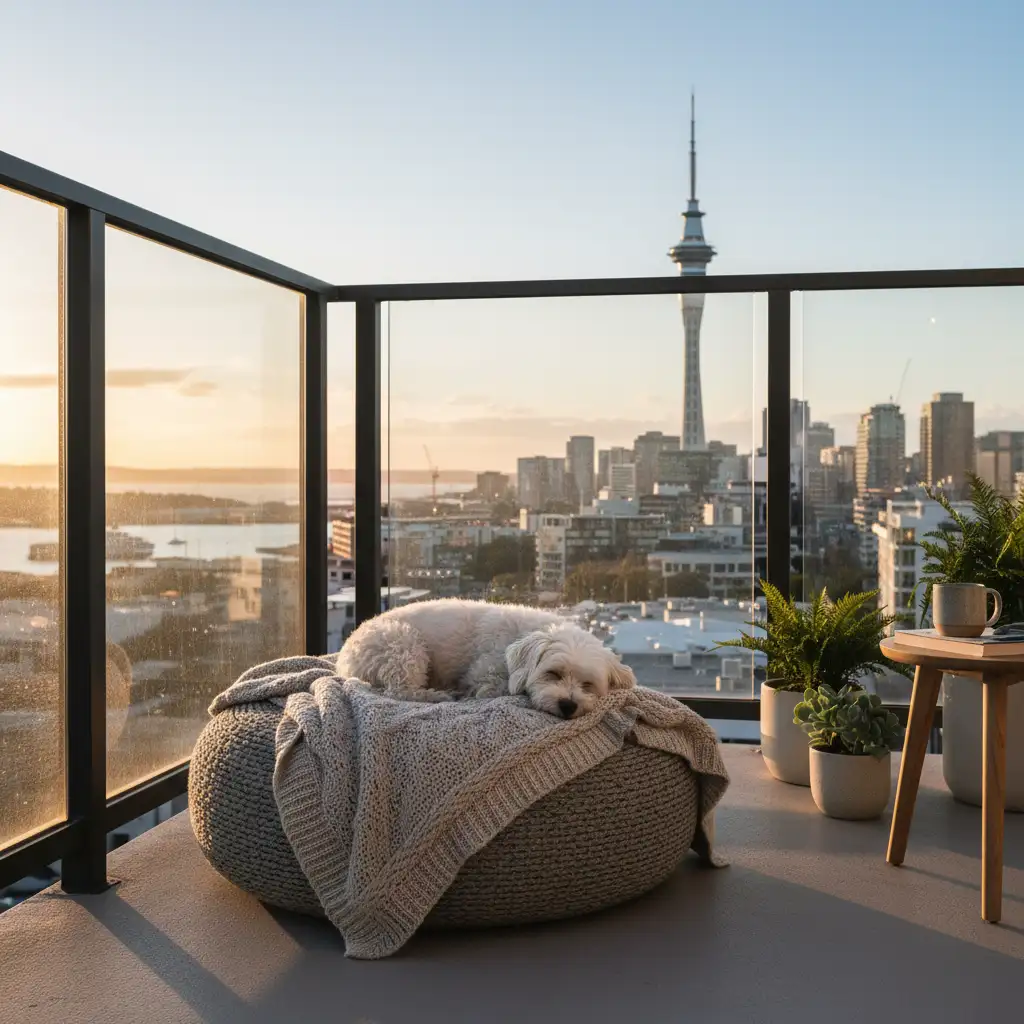
The Bichon Frise is a top contender for the title of the best apartment dog in NZ. They are hypoallergenic (great for smaller spaces where dander accumulates) and generally cheerful. While they can have bursts of energy—often called the “bichon blitz”—these are short-lived. They thrive on human company and are sturdy enough to handle city walks.
2. Cavalier King Charles Spaniel
If your goal is a lap warmer, the Cavalier is unmatched. These dogs are incredibly affectionate and relatively quiet. They adapt their energy levels to their owners; if you want to hike up Mount Victoria, they will come, but they are equally happy sleeping on the sofa. Their gentle nature makes them a favourite among landlords.
3. French Bulldog
Frenchies have exploded in popularity across Ponsonby and Te Aro for a reason. They require minimal exercise and are rarely nuisance barkers. Their compact size and sturdy build make them excellent city companions. However, potential owners must be aware of their health needs, particularly regarding breathing difficulties in hot weather.
4. Havanese
Native to Cuba but perfect for Kiwi cities, the Havanese is a sturdy little dog that is less fragile than other toy breeds. They are natural clowns, highly trainable, and generally quiet. Their coat requires maintenance, but their personality is perfectly suited to close-quarters living.
The Gentle Giant: Why Greyhounds Rule the Roost
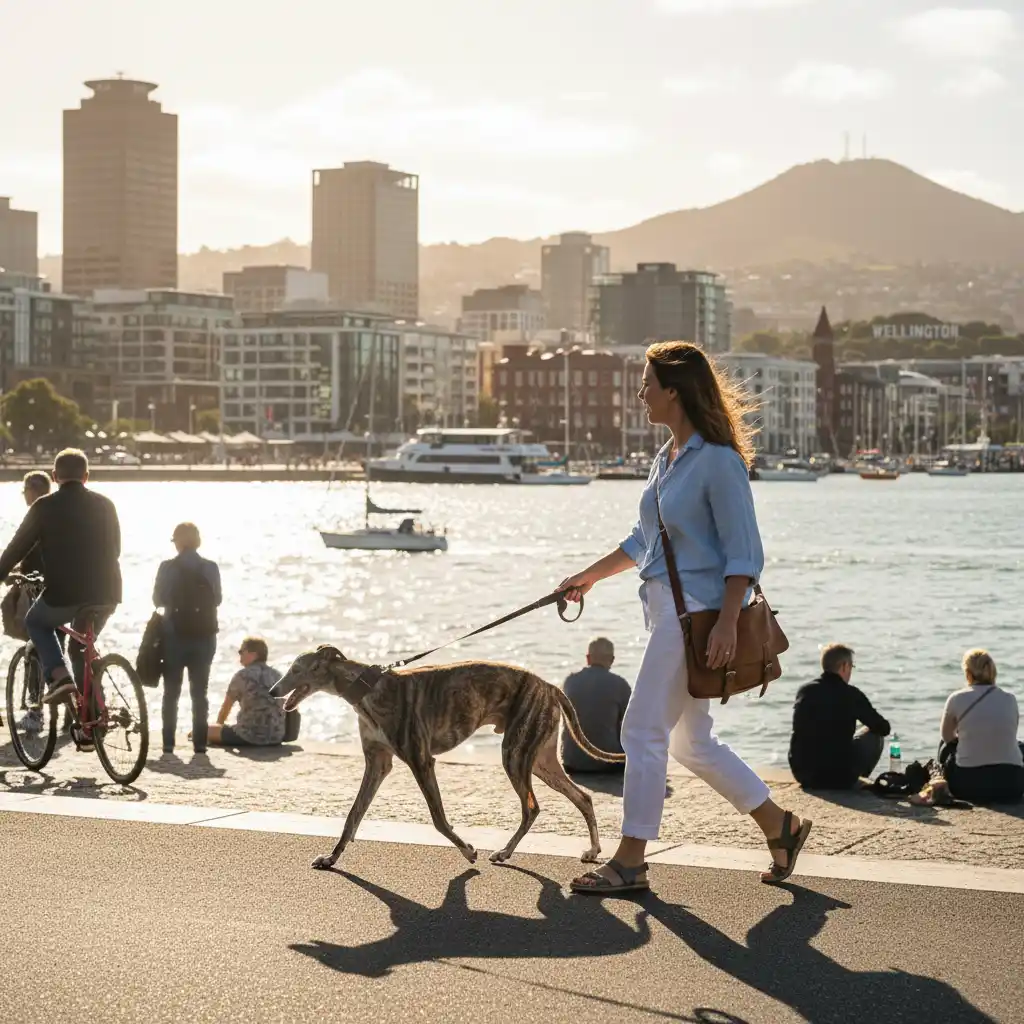
It often comes as a shock to new dog owners, but the Greyhound is arguably one of the best apartment dogs available. Often referred to as “45mph couch potatoes,” retired racing Greyhounds are a common sight in New Zealand’s urban centres.
Low Energy Requirements
Contrary to popular belief, Greyhounds do not need hours of running. They are sprinters, not marathon runners. A 20-minute walk twice a day is often sufficient to tire them out, after which they will sleep for up to 18 hours. Their calm demeanour means they are unlikely to knock over furniture or zoom around a small living room.
Quiet and Clean
Greyhounds are notoriously quiet dogs; many owners report rarely hearing them bark. They also have short coats with no undercoat, meaning less shedding and “doggy smell” in your apartment. This cleanliness is a major selling point when presenting a “Pet CV” to a landlord.
For those interested in this breed, organisations like Greyhounds as Pets NZ do incredible work matching retired racers with suitable homes, including apartments.
Navigating NZ Tenancy Laws and Body Corporate Rules
Finding a pet-friendly rental in Auckland or Wellington is notoriously difficult. Understanding the legal landscape is crucial for securing a home for you and your dog.
The Residential Tenancies Amendment Act
Recent changes to the Residential Tenancies Act have made it slightly easier for tenants. Landlords can no longer unreasonably refuse a request to have a pet. However, they can attach reasonable conditions. For example, they might require carpets to be professionally cleaned upon vacating.
The Body Corporate Hurdle
Even if your landlord agrees, the building’s Body Corporate might not. In New Zealand, unit title developments have specific operational rules. Some older buildings have blanket “no pets” rules, although these are increasingly being challenged in the courts as “unreasonable.” Modern developments often allow pets subject to approval. Always ask to see the Body Corporate rules before signing a tenancy agreement or purchase contract.
Creating a Pet CV
To increase your chances of approval, treat your dog’s application like a job interview. Create a Pet CV that includes:
- References: Letters from previous landlords or property managers stating the dog caused no damage or noise.
- Health Records: Proof of desexing, vaccinations, and flea/worm treatment.
- Training Certificates: Evidence of puppy preschool or obedience training.
- A Photo: A cute photo never hurts to humanise the pet to the property manager.
Urban Exercise: Tips for Auckland and Wellington
Living in an apartment means you don’t have a backyard for the “morning wee” or a game of fetch. You must be proactive about exercise.
Auckland Hotspots
Auckland offers several dog-friendly parks near the CBD. Victoria Park is a staple for city dwellers, offering a flat loop for walking. Western Springs provides a larger area for exploration, though leashes are required in many parts due to wildlife. For off-leash runs, Meola Reef Dog Park is a favourite, though it can be muddy in winter.
Wellington Walkways
Wellington’s topography offers great exercise (for both dog and owner). Oriental Bay is beautiful for a promenade walk, but check seasonal beach restrictions. Mount Victoria offers extensive trails right on the city’s edge. Be mindful of the wind; small dogs might need a coat during the blustery winter months.
Apartment Training and Enrichment Strategies
Training a dog for apartment living requires a focus on boundaries and mental stimulation.
Potty Training Without a Yard
If you live in a high-rise, getting downstairs quickly can be impossible. Many apartment owners utilise balcony potty solutions. Synthetic grass patches or real grass subscription boxes (available in NZ) can be lifesavers, especially for late-night needs or during stormy weather.
Mental Enrichment
A bored dog is a destructive dog. In a small space, mental exercise is just as tiring as physical exercise. Utilise:
- Snuffle Mats: Hide dry food in fabric mats to simulate foraging.
- Frozen Kongs: A Kong stuffed with peanut butter (xylitol-free) or yoghurt can keep a dog occupied for an hour.
- Trick Training: Teaching a dog to “spin,” “shake,” or “play dead” requires very little room but uses a lot of brainpower.
Adopting vs. Buying: Finding Your Match
When looking for the best apartment dogs in NZ, consider adoption first. Rescue organisations like the SPCA or HUHA often have dogs that are already house-trained and past the destructive puppy phase. Adult dogs are often better suited for apartments because their temperament is already established.
If you choose to buy from a breeder, ensure they are registered with Dogs New Zealand. Ask specifically about the parents’ temperament. A breeder should be willing to discuss whether their specific line of dogs is suitable for an apartment environment.
Conclusion
Successfully keeping a dog in an Auckland or Wellington apartment is not only possible but can be incredibly rewarding. It requires a shift in mindset—trading the backyard for the local park and prioritizing temperament over appearance. By choosing a breed like the Bichon, Cavalier, or Greyhound, and adhering to strict training and enrichment routines, you can ensure your furry friend thrives in the concrete jungle. Remember to respect your neighbours, adhere to Body Corporate rules, and enjoy the companionship that turns a city apartment into a true home.
People Also Ask
What is the best dog for an apartment in NZ?
The best dog for an NZ apartment depends on your lifestyle, but Greyhounds, Bichon Frises, and Cavalier King Charles Spaniels are top choices due to their lower energy levels and generally quiet nature.
Can landlords refuse pets in NZ?
Under the Residential Tenancies Amendment Act 2020, landlords cannot unreasonably refuse a pet request. However, they can impose reasonable conditions, and Body Corporate rules in apartments may still prohibit pets entirely.
Are Greyhounds good apartment dogs?
Yes, Greyhounds are excellent apartment dogs. Despite their size, they are low-energy, sleep for most of the day, bark infrequently, and are generally very clean.
How do I potty train a puppy in an apartment?
Potty training in an apartment often involves using a scheduled routine to go outside immediately after eating or sleeping. Many owners also use balcony grass patches or synthetic toilets for emergencies.
Do I need Body Corporate approval for a dog?
Yes, if you live in a unit title property (apartment or townhouse), you almost always need written approval from the Body Corporate, even if your individual landlord has agreed.
What is the quietest small dog for an apartment?
The Cavalier King Charles Spaniel and the Japanese Chin are known for being particularly quiet small breeds. Basenjis are also barkless, though they make other unique sounds.