Becoming a first time dog owner in NZ involves understanding the unique responsibilities and joys of bringing a canine companion into your home. It means navigating legal requirements, selecting a suitable dog, mastering essential care, and integrating them into New Zealand’s lifestyle, ensuring a healthy, happy, and well-adjusted member of your family and community.
Preparing for Your New Canine Companion in NZ
Embarking on the journey of dog ownership in New Zealand is an incredibly rewarding experience, but it requires careful preparation and a deep understanding of the commitment involved. Before you even begin to consider specific breeds or visit shelters, it’s crucial to lay the groundwork for a successful and harmonious relationship with your future furry friend.
Understanding the Commitment
Bringing a dog into your life is a long-term commitment, often spanning 10-15 years or more. This isn’t just about providing food and shelter; it’s about dedicating time, energy, and financial resources to their well-being. Consider your lifestyle: Do you have enough time for daily walks, playtime, and training sessions? Are you prepared for potential behavioural challenges, veterinary emergencies, and the significant financial outlay involved in responsible pet care? Reflect honestly on whether your current living situation, work schedule, and future plans align with the demands of dog ownership. This commitment extends beyond the puppy phase, as older dogs also require ongoing care, attention, and often specialised medical considerations.
Legal Responsibilities in New Zealand
As a dog owner in New Zealand, you have specific legal obligations outlined primarily by the Dog Control Act 1996. Ignorance of these laws is not an excuse, and non-compliance can result in fines or other penalties. Key responsibilities include:
- Registration: All dogs over three months old must be registered with your local council. This must be renewed annually. Councils use registration fees to provide animal control services, dog parks, and educational programs. Failure to register can lead to substantial fines.
- Microchipping: All newly registered dogs (and all dogs from specific breeds or circumstances) must be microchipped. This provides a permanent form of identification, aiding in the return of lost pets and enforcement of responsible ownership.
- Control and Containment: Dogs must be kept under control at all times, whether on your property or in public. This includes secure fencing at home and leashing in public areas where required. Owners are responsible for preventing their dogs from wandering or causing nuisance.
- Cleanliness: You are legally obliged to clean up after your dog’s faeces in public places.
- Dangerous Dogs: New Zealand has specific regulations concerning dogs classified as ‘dangerous’ or ‘menacing’, including requirements for desexing, secure containment, and muzzling in public.
Familiarise yourself with your local council’s specific bylaws, as these can vary. For comprehensive information, consult the official NZ Government’s guide to owning a dog.
Choosing the Right Dog for Your New Zealand Lifestyle
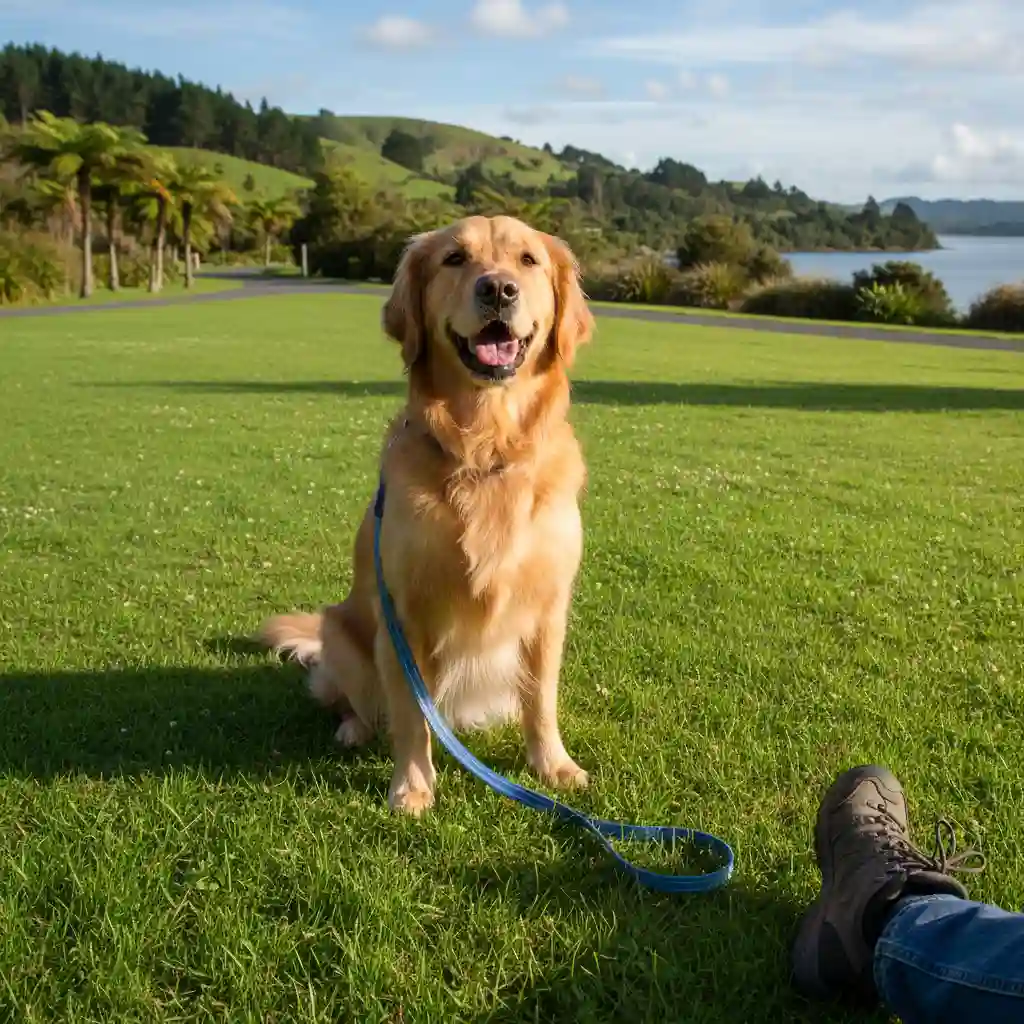
Selecting the right dog is perhaps the most critical decision a first-time owner makes. It’s not about what looks cute, but what truly fits your lifestyle, living situation, and capacity for care. A mismatch in temperament or energy levels can lead to stress for both you and the dog.
Breed vs. Rescue: Making an Informed Decision
There are two primary avenues for acquiring a dog: reputable breeders or animal shelters/rescue organisations.
- Reputable Breeders: If considering a purebred, research breeders thoroughly. A responsible breeder will be transparent about their dogs’ health clearances, temperament, and genetic history. They will allow you to meet the puppy’s parents, ask you many questions about your living situation, and offer ongoing support. Avoid ‘backyard breeders’ or puppy mills that prioritise profit over animal welfare.
- Animal Shelters and Rescue Organisations: Adopting from a shelter or rescue group like SPCA NZ is a fantastic option. These organisations often have a wide variety of dogs, including puppies, adults, and seniors, of all breeds and mixes. Shelter staff are excellent resources, typically knowing their dogs’ temperaments, training levels, and needs, helping you find a suitable match. Many adult rescue dogs are already house-trained and may have some basic obedience, which can be a huge advantage for a first-time owner.
Factors to Consider: Size, Temperament, Energy Levels
When choosing, think beyond aesthetics:
- Size: A large dog in a small apartment can be challenging for both the dog and owner. Conversely, a tiny dog might get lost in a busy, large household. Consider how much space you have indoors and outdoors.
- Temperament: Some breeds are naturally more independent, while others are highly sociable. If you have young children, an even-tempered, patient dog is essential. If you live alone and seek constant companionship, a dog known for being affectionate might be better. Shelter staff can offer invaluable insights into individual dog personalities.
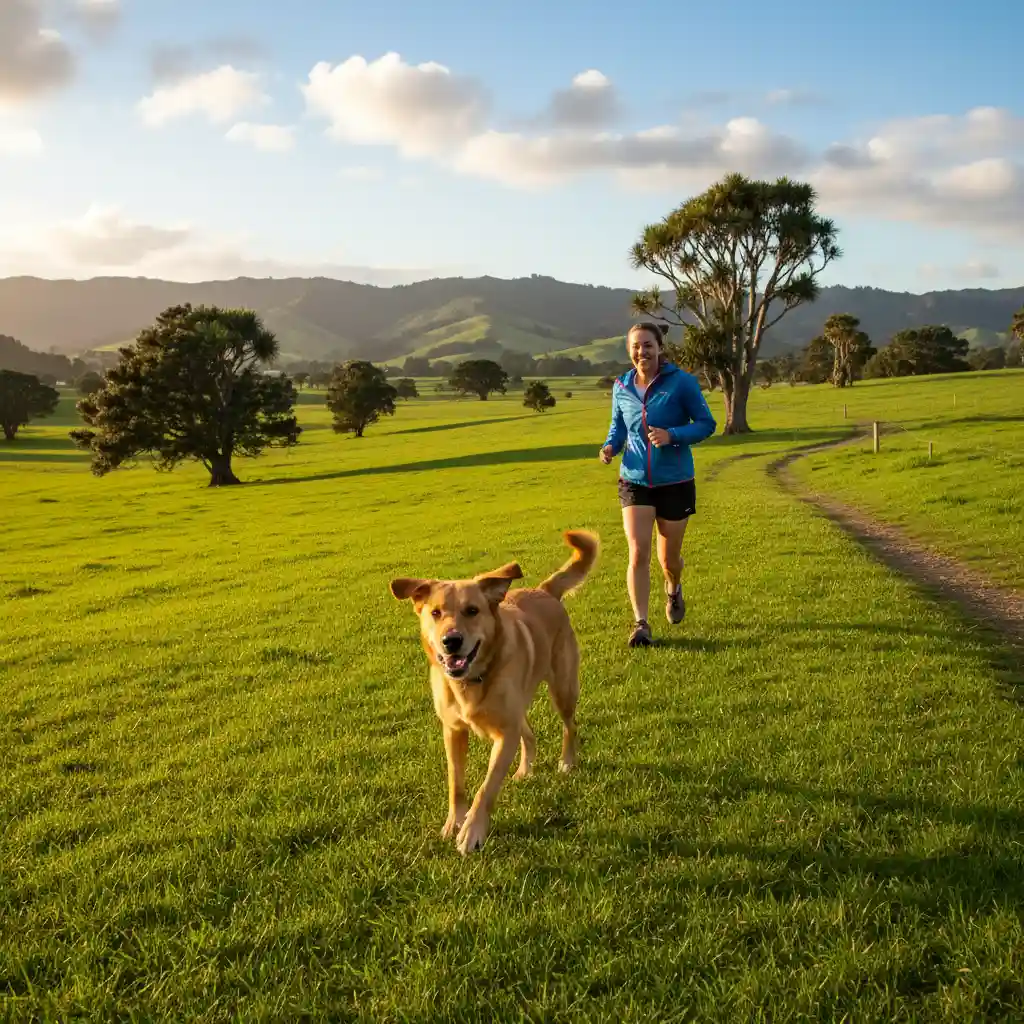
- Energy Levels: This is paramount. A high-energy breed (e.g., Border Collie, Jack Russell) requires significant daily exercise and mental stimulation. If you’re a couch potato, this is a recipe for disaster, leading to destructive behaviours born of boredom. If you’re active and enjoy hiking or running, a high-energy dog could be your perfect partner. A lower-energy dog might suit a less active lifestyle or an older owner.
- Grooming Needs: Long-haired breeds require regular brushing and professional grooming, which adds to the time and financial commitment.
- Health Considerations: Research common health issues for specific breeds. Mixed breeds sometimes benefit from ‘hybrid vigour’, potentially having fewer genetic predispositions than some purebreds.
The Importance of a Responsible Breeder or Shelter
Regardless of whether you choose a breeder or a rescue, ensure they are reputable and prioritise the welfare of their animals. This means clean facilities, proper veterinary care, socialisation for puppies, and thorough screening processes for adopters. Ethical sources will be open, honest, and happy to answer all your questions, and they will also have questions for you to ensure their animals go to suitable homes.
Essential Supplies and Home Setup for Your NZ Dog
Once you’ve made the exciting decision about which dog to welcome into your home, the next step is to prepare your environment. Having all the necessary supplies and a safe, welcoming space ready before your dog arrives will significantly ease their transition and reduce stress for everyone.
The Dog Starter Pack: Food, Bowls, Bedding, Toys
Before your new dog walks through the door, ensure you have these essentials:
- Food and Water Bowls: Stainless steel or ceramic bowls are durable and easy to clean. Have separate bowls for food and fresh water.
- High-Quality Dog Food: Consult with the shelter or breeder about the food your dog has been eating to ensure a smooth transition. If you plan to change their diet, do so gradually over several days to avoid digestive upset. Choose a complete and balanced diet appropriate for their age, size, and activity level.
- Collar, Leash, and Harness: A comfortable, well-fitting collar with an ID tag (including your name, phone number, and dog’s name) is crucial. A sturdy leash and a comfortable harness (many dogs prefer harnesses for walks as they reduce strain on the neck) are essential for safe walks.
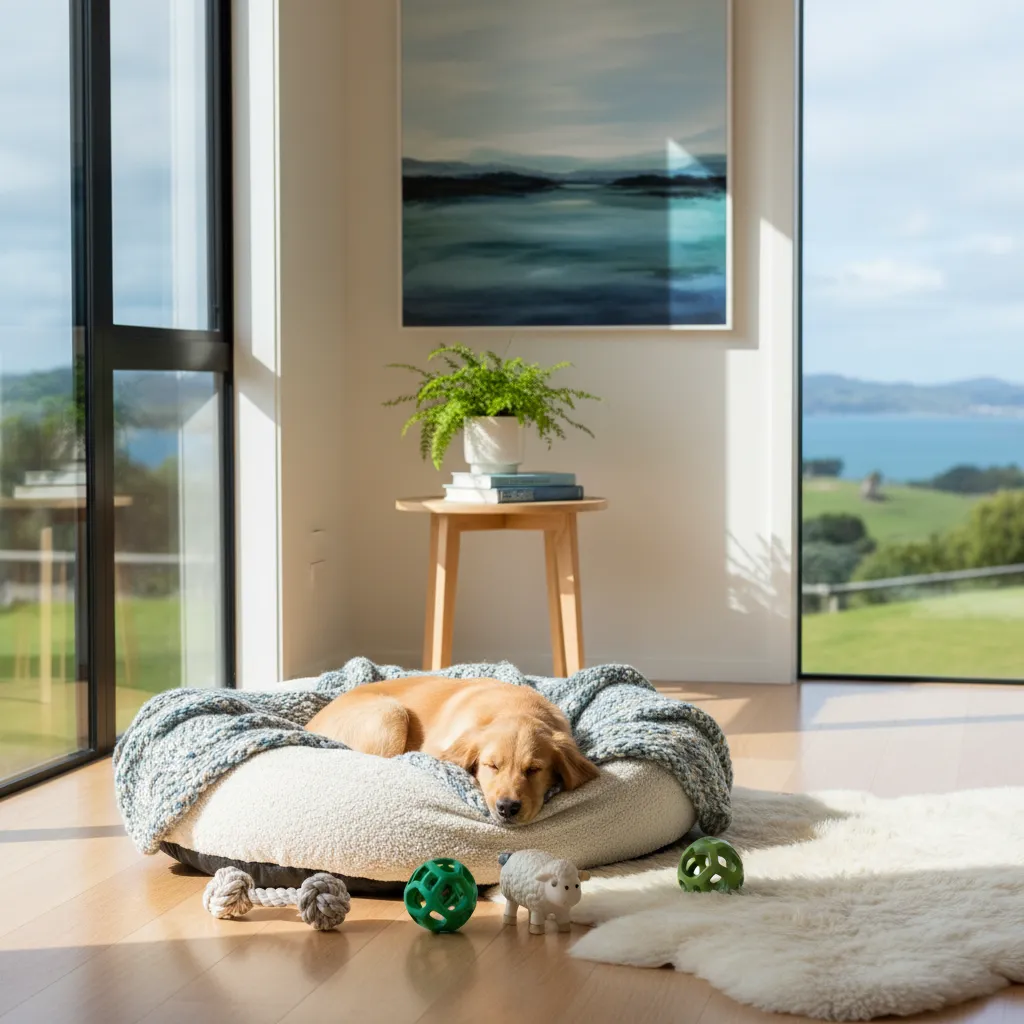
- Dog Bed: Provide a comfortable, appropriately sized bed in a quiet, draft-free area where your dog can retreat and feel secure.
- Toys: A variety of safe, durable toys for chewing, fetching, and mental stimulation will keep your dog entertained and can prevent destructive behaviours. Rotate toys to keep them interesting.
- Grooming Supplies: Depending on your dog’s coat type, you’ll need a brush, dog-specific shampoo, nail clippers, and perhaps a toothbrush and dog toothpaste.
- Crate (Optional but Recommended): A dog crate can be an invaluable tool for house training, providing a safe den, and for transport, if introduced positively.
- Waste Bags: Essential for responsible cleanup during walks.
Creating a Safe and Welcoming Environment
Your home needs to be dog-proofed before your new arrival. This involves thinking like a curious canine:
- Secure Your Yard: Check fences for gaps or weak spots. Ensure gates latch securely. Dogs are escape artists, especially when new to an environment.
- Remove Hazards: Put away toxic plants (e.g., lilies, sago palms), household chemicals, medications, small objects that could be swallowed, and electrical cords. Keep valuable items out of reach.
- Establish a ‘Safe Space’: Designate a specific area – perhaps with their bed and water bowl – where your dog can feel secure and undisturbed. This is particularly important for initial adjustment periods.
- Introduce Scents: If possible, get a blanket or toy with the scent of their previous home or littermates to help them feel more comfortable.
- Prepare for Accidents: Have pet-safe cleaners on hand for inevitable house-training mishaps.
Basic Training and House-Breaking Fundamentals
Training is fundamental to building a strong bond with your dog and ensuring they become a well-behaved member of your family and the wider New Zealand community. It’s an ongoing process that begins the moment your dog enters your home.
Positive Reinforcement: The Key to Success
Modern dog training heavily relies on positive reinforcement, which involves rewarding desired behaviours rather than punishing unwanted ones. This method builds trust, confidence, and makes training enjoyable for both you and your dog. Rewards can include high-value treats, verbal praise, toys, or petting. Timing is crucial: the reward must be given immediately after the desired action so your dog associates it directly with their behaviour.
House Training and Crate Training Techniques
House Training: Consistency is key. Establish a regular schedule for potty breaks, taking your dog out frequently (especially after waking up, after meals, and before bed). Praise and reward them lavishly when they eliminate outside. Clean up accidents indoors thoroughly with an enzymatic cleaner to remove odours that might attract them back to the same spot.
Crate Training: A crate can be an invaluable tool for house training and providing a safe den. Introduce the crate positively, making it a comfortable place with soft bedding and toys. Never use the crate for punishment. Gradually increase the time your dog spends in the crate, always ensuring they have recently been outside for a potty break.
Essential Commands: Sit, Stay, Come, Down
These basic commands are not just tricks; they are vital for safety and effective communication:
- Sit: Use a treat to lure your dog into a sitting position, say “Sit,” and reward immediately.
- Stay: Once your dog can sit, gradually introduce the ‘stay’ command, increasing distance and duration before rewarding.
- Come: This is a life-saving command. Start in a low-distraction environment. Call your dog’s name, then “Come!” and reward them enthusiastically when they approach you.
- Down: Similar to sit, use a treat to lure them into a lying position, say “Down,” and reward.
Practice these commands in various environments and gradually introduce distractions to solidify their understanding.
Socialisation: A Crucial Step for Well-Adjusted Dogs
Proper socialisation is paramount, especially for puppies, to ensure they grow into confident, friendly adults. It involves safely exposing your dog to a wide variety of sights, sounds, people, places, and other friendly dogs during their critical developmental period (roughly 3-16 weeks for puppies, but it continues throughout life). Positive experiences during this time help prevent fear and aggression later on. Enrol in puppy classes, arrange supervised playdates, and take your dog to different dog-friendly environments.
Health, Grooming, and Nutrition for a Thriving Dog
Ensuring your dog’s physical well-being is a core responsibility of ownership. This encompasses preventative veterinary care, a balanced diet, regular grooming, and the ability to recognise signs that something might be wrong.
Veterinary Care: Vaccinations, Parasite Control, Desexing
Establishing a relationship with a local veterinarian is one of your first priorities. They will guide you through essential preventative care:
- Vaccinations: Puppies require a series of vaccinations to protect against common and potentially fatal diseases like parvovirus, distemper, and adenovirus. Adult dogs need regular booster shots.
- Parasite Control: Regular treatments for fleas, ticks, and internal parasites (worms) are essential. Your vet will recommend appropriate products and schedules for your area and your dog’s lifestyle.
- Desexing: Spaying or neutering your dog offers numerous health benefits, including reducing the risk of certain cancers and behavioural issues, and helps control pet overpopulation. Most New Zealand councils offer reduced registration fees for desexed dogs.
- Annual Check-ups: Even if your dog seems healthy, annual veterinary check-ups are crucial for early detection of potential health problems and maintaining overall wellness.
Diet and Nutrition: Choosing the Right Food
A high-quality, balanced diet is fundamental to your dog’s health. Not all dog foods are created equal. Look for food that lists a meat protein as the first ingredient and avoids excessive fillers, artificial colours, and preservatives. Consider your dog’s age, breed, size, and activity level when selecting food. Puppies, adult dogs, and senior dogs all have different nutritional requirements. Your vet can provide tailored recommendations. Avoid feeding human foods that are toxic to dogs, such as chocolate, grapes, onions, and xylitol.
Grooming Essentials: Brushing, Bathing, Nail Trims
Regular grooming keeps your dog clean, comfortable, and allows you to check for any skin issues or parasites:
- Brushing: Frequency depends on coat type, but regular brushing helps remove loose hair, prevent mats, and distribute natural oils.
- Bathing: Bathe only when necessary using dog-specific shampoo to avoid drying out their skin. Over-bathing can strip natural oils.
- Nail Trims: Long nails can cause discomfort and lead to joint problems. Trim nails regularly, being careful not to cut the quick. If unsure, ask your vet or a professional groomer for a demonstration.
- Dental Care: Dental hygiene is often overlooked but crucial. Regular brushing with dog toothpaste, dental chews, and professional dental cleanings as needed can prevent painful dental disease.
Recognising Signs of Illness
As a responsible owner, learn to recognise subtle changes that might indicate illness. Watch for changes in appetite, thirst, energy levels, stool consistency, urination frequency, coughing, sneezing, limping, or unusual lumps and bumps. Early detection can make a significant difference in treatment outcomes. If you notice persistent or concerning symptoms, contact your vet immediately.
Integrating Your Dog into the Family and Community
A well-adjusted dog seamlessly fits into your household and interacts positively with the wider world. This involves careful introductions, managing common behaviours, and embracing the dog-friendly aspects of New Zealand life.
Introducing Your Dog to Children and Other Pets
Careful, supervised introductions are vital for a harmonious multi-species or multi-person household:
- Children: Teach children how to interact respectfully and safely with the dog (no pulling ears/tail, no disturbing while eating/sleeping). Always supervise initial interactions closely. Teach the dog to be comfortable around children with positive reinforcement.
- Other Pets: Introduce new dogs to existing pets slowly and in a neutral territory initially. Keep them on leashes and allow them to sniff each other without direct physical contact. Gradually increase supervised interaction time. Be patient; some integrations take longer than others. Provide separate feeding areas and resources to prevent competition.
Managing Separation Anxiety
Many dogs, especially those from rescue backgrounds, can develop separation anxiety. This manifests as destructive chewing, excessive barking, or inappropriate urination when left alone. To mitigate this:
- Start Small: Begin by leaving your dog alone for very short periods, gradually increasing the duration.
- Create a Routine: Establish a consistent routine for departures and arrivals.
- Mental Stimulation: Provide puzzle toys or long-lasting chews to keep them occupied while you’re away.
- Avoid Big Farewells/Greetings: Keep departures and arrivals low-key to minimise excitement.
- Professional Help: For severe cases, consult a certified dog behaviourist or your vet.
Exploring Dog-Friendly NZ: Parks, Beaches, and Cafes
New Zealand offers fantastic opportunities for you and your dog to enjoy together. Many local councils provide designated off-leash dog parks where your dog can socialise and exercise safely. Numerous beaches have specific dog-friendly zones, particularly outside of peak season. Look for cafes and pubs with outdoor seating that welcome well-behaved dogs. Always be mindful of signage regarding dog access and leash rules, and be a responsible owner by cleaning up after your pet and ensuring they don’t disturb others. Websites like SPCA NZ often provide resources on local dog-friendly spots and responsible pet ownership guidelines.
Addressing Common Challenges and Ongoing Care
Dog ownership is a journey filled with immense joy, but it also comes with its share of challenges. Being prepared for and proactively addressing common issues will make your experience more fulfilling and strengthen your bond with your dog.
Behavioural Issues: Chewing, Barking, Digging
Many common behavioural issues stem from boredom, lack of exercise, anxiety, or insufficient training:
- Chewing: Redirect inappropriate chewing to appropriate chew toys. Ensure your dog gets enough mental and physical stimulation. Bitter sprays can deter chewing on furniture.
- Barking: Understand why your dog is barking (attention, boredom, alarm, anxiety). Address the root cause. Training ‘quiet’ commands and ensuring adequate exercise can help.
- Digging: Often a sign of boredom or a natural instinct. Provide a designated digging area if possible, or increase exercise and mental stimulation.
Consistency, patience, and positive reinforcement are critical in addressing these behaviours. If problems persist or are severe, consult a certified professional dog trainer or veterinary behaviourist.
Financial Responsibilities of Dog Ownership
Beyond the initial purchase or adoption fee, dog ownership comes with significant ongoing costs. Budget for:
- Food: A major ongoing expense.
- Veterinary Care: Annual check-ups, vaccinations, parasite control, and potential emergency treatments. Pet insurance can help mitigate unexpected large vet bills.
- Registration: Annual council fees.
- Grooming: Especially for long-haired breeds or those needing professional trims.
- Training: Puppy classes, obedience courses, or behaviourist consultations.
- Supplies: Toys, beds, leashes, and occasional replacements.
- Boarding/Pet Sitting: Costs when you go on holiday.
Being financially prepared for these expenses ensures you can provide the best possible care for your dog throughout its life.
Enjoying the Journey: Building a Lasting Bond
Ultimately, dog ownership is about the incredible bond you build with your companion. Spend quality time together, whether it’s through walks, playtime, training sessions, or simply cuddling on the couch. Learn to read your dog’s body language and understand their unique personality. The effort you put into training, socialisation, and care will be repaid tenfold in unconditional love, loyalty, and companionship. Embrace the joys and challenges, and celebrate every milestone with your furry family member.
People Also Ask
What are the legal requirements for dog ownership in NZ?
In New Zealand, all dogs over three months old must be registered annually with their local council. Most newly registered dogs also require microchipping. Owners are legally responsible for keeping their dogs under control, cleaning up faeces in public, and ensuring their dog does not cause nuisance. Specific local bylaws may also apply, covering things like leash laws and prohibited areas.
How much does it cost to own a dog in New Zealand annually?
The annual cost of dog ownership in New Zealand can vary significantly but typically ranges from NZD $1,500 to $3,000 or more. This includes food, annual vet check-ups, vaccinations, parasite control (fleas, worms), council registration fees, grooming (if needed), toys, and treats. Unexpected vet emergencies or specialised care can add considerably to these costs, making pet insurance a worthwhile consideration.
What are the best dog breeds for first-time owners in NZ?
The “best” breed depends heavily on your lifestyle, but generally, dogs known for their trainability, moderate energy levels, and good temperament are recommended. Breeds like Labradors, Golden Retrievers, Cavalier King Charles Spaniels, and Greyhounds (often from rescue) can be excellent choices. However, focusing on individual temperament and considering rescue dogs with known histories, regardless of breed, is often more important than just breed alone.
Where can I adopt a dog in New Zealand?
You can adopt a dog in New Zealand from various reputable organisations. The SPCA New Zealand (SPCA NZ) has centres nationwide and is a primary source for rescued animals. Many smaller, regional animal rescue groups also operate across the country. Websites for these organisations typically list available dogs and their adoption processes. It’s recommended to visit in person and speak with staff to find a dog that matches your lifestyle.
What basic training should I do with my new dog in NZ?
Essential basic training for a new dog includes house-training, leash manners, and core commands such as Sit, Stay, Come, and Down. Positive reinforcement methods are highly effective. Early socialisation with various people, places, and other friendly animals is also crucial for developing a well-adjusted dog. Puppy classes or obedience training courses can provide structured guidance and support.
Are there dog-friendly places in New Zealand?
Yes, New Zealand is increasingly dog-friendly, though rules vary by region and specific location. Many local councils provide designated off-leash dog parks. Numerous beaches have specific areas or times when dogs are permitted, especially outside peak seasons. Some cafes and restaurants with outdoor seating welcome well-behaved dogs. Always check local signage or websites for specific rules before visiting, and ensure your dog is under control and you clean up after them.