Safe pet rehoming benefits NZ pet owners by allowing animals to transition directly from one loving home to another, bypassing the high-stress environment of kennels. This method ensures owners retain full control over the vetting process, significantly reduces animal separation anxiety, and protects pets from the severe risks associated with unvetted classified listings or overburdened shelter systems.
Making the decision to find a new home for a beloved pet is one of the most heart-wrenching choices an owner can face. Whether due to housing crises, financial hardship, health issues, or changes in family dynamics, the need to rehome is often accompanied by immense guilt and anxiety. However, the method you choose to facilitate this transition plays a pivotal role in the future welfare of your animal.
In New Zealand, the landscape of animal adoption is shifting. While traditional shelters and online classifieds have long been the default options, a more ethical, home-to-home approach is gaining traction. This guide explores the profound benefits of safe rehoming platforms compared to the uncertainties of the “Wild West” of classifieds or the institutional environment of shelters.
The Emotional Impact: Minimizing Trauma Through Direct Rehoming
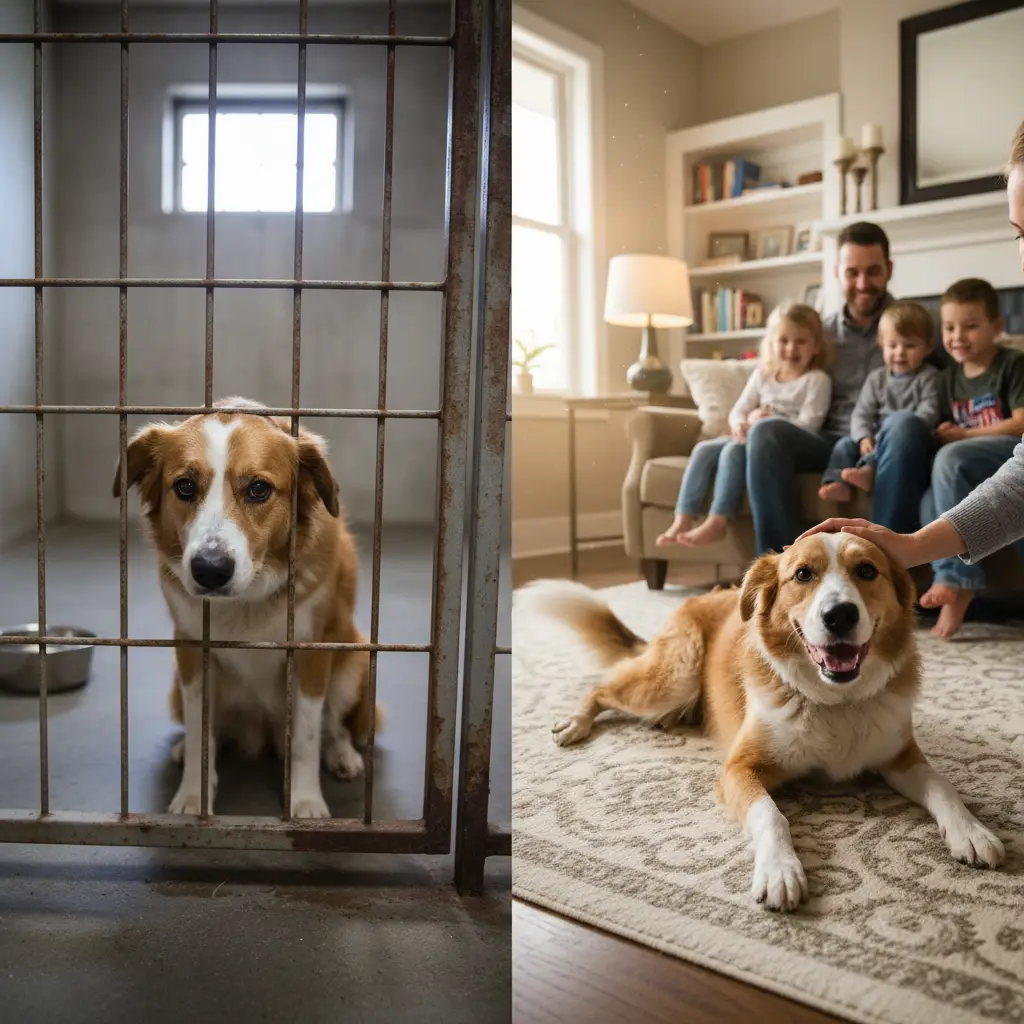
When a pet is surrendered to a shelter, their world is instantly turned upside down. They are removed from the only family, scents, and routine they have ever known and placed into a sterile, high-volume environment. This sudden displacement often results in “shelter shock,” a state of profound stress that can manifest as depression, aggression, or shutdown.
The Physiology of Separation Anxiety
Dogs and cats are sentient beings deeply attached to their environment and caregivers. In a shelter setting, cortisol levels (the stress hormone) spike dramatically. This stress compromises their immune system, making them more susceptible to illnesses like kennel cough or upper respiratory infections. By utilizing a home-to-home rehoming model, the pet remains in their familiar environment until a new match is found. They sleep in their own bed, eat their own food, and maintain their daily walks until the very moment they are handed over to the new family.
Continuity of Care
One of the primary safe pet rehoming benefits in NZ is the continuity of care. In a direct transfer, the new owner receives detailed, first-hand information about the pet’s quirks, fears, and preferences. A shelter worker might know a dog for 15 minutes a day; you know that your dog is afraid of thunder but loves carrot sticks. Passing this nuanced information directly to the new owner prevents the trauma of trial-and-error, ensuring the pet feels understood and safe in their new environment immediately.
Owner Control: Why You Are the Best Person to Choose
Surrendering a pet to a shelter or rescue organization usually involves signing over legal ownership. Once that signature is on the paper, you lose all rights to know where your pet goes, who adopts them, or even if they are euthanized due to behavioral or medical issues. For many owners, this lack of closure is devastating.
Transparency and Vetting
Safe rehoming platforms empower the current owner to act as the adoption agent. You know your pet better than anyone else. You know if they can handle toddlers, if they chase cats, or if they need a high fence. Therefore, you are the most qualified person to vet potential adopters.
This process allows you to:
- Ask the hard questions: You can interview applicants about their lifestyle, work hours, and fencing.
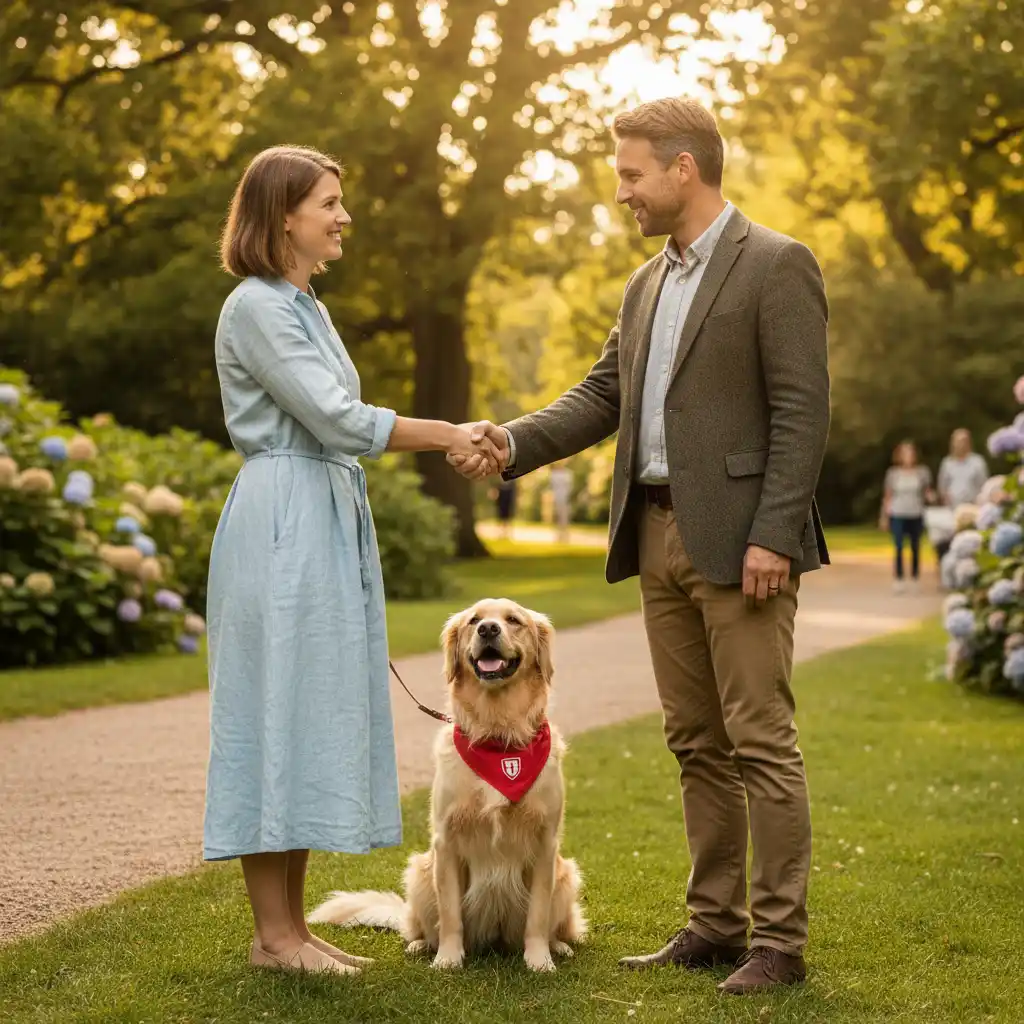
- Conduct meet-and-greets: You can see how the potential adopter interacts with your pet in a low-stress setting.
- Trust your gut: If an applicant looks good on paper but feels “off” in person, you have the right to say no.
Peace of Mind and Closure
Knowing exactly where your pet is going provides immense peace of mind. Many home-to-home rehoming arrangements allow for open adoptions, where the previous owner can receive updates or photos. This turns a tragic goodbye into a hopeful new chapter, alleviating the guilt associated with rehoming.
The Reality of Shelters: Capacity, Noise, and Health Risks
New Zealand shelters, such as the SPCA and various private rescues, perform heroic work. They are essential for rescuing abused, abandoned, and stray animals. However, they are often chronically underfunded and overcrowded. When a loved, well-adjusted family pet takes up a kennel space, it utilizes resources that could have been used for an animal in immediate physical danger.
The “Kennel Crazies”
Even the best shelters are loud, smelly, and chaotic. The constant barking, the smell of industrial cleaners, and the rotation of strangers can cause behavioral deterioration. A dog that was perfectly house-trained may regress. A cat that was friendly may become hiss-prone and fearful. This deterioration makes them harder to adopt, leading to longer stays and a vicious cycle of declining mental health.
Capacity Crises in NZ
It is a well-documented issue that animal welfare organizations in New Zealand frequently reach capacity. According to reports from major welfare organizations, the post-COVID era has seen a surge in surrenders. By choosing private rehoming, you alleviate pressure on the shelter system, leaving space for animals that have no one else to advocate for them.
For more on the vital role of shelters and their capacity challenges, you can refer to the SPCA New Zealand, which provides extensive resources on animal welfare in the country.
The Hidden Dangers of Unvetted Classifieds and Social Media
In an attempt to avoid shelters, many owners turn to platforms like Trade Me, Facebook Marketplace (where animal sales are often banned but circumvented), or community noticeboards. While this may seem like a quick fix, it is fraught with danger. This is the “Wild West” of rehoming, and it exposes pets to predators.

The “Free to Good Home” Trap
Listing a pet as “free to good home” is one of the most dangerous things an owner can do. Predators scan these listings looking for:
- Bait animals: Passive dogs or cats used to train fighting dogs.
- Snake food: Small pets (kittens, rabbits) acquired to feed large reptiles.
- Hoarders: Individuals with mental health issues who collect animals they cannot care for.
- Laboratory dealers: While stricter in NZ, the risk of animals being acquired for unethical purposes remains.
Lack of Accountability
When you hand a pet over to a stranger from a classified ad, there is no paper trail. There is no adoption contract, no identity verification, and no recourse if the new owner mistreats the animal. If that person decides a week later they don’t want the dog, they might dump it on the street or sell it to someone else. The lack of a legal framework in casual classified sales puts the animal at extreme risk.
The PetRescue.org.nz Difference: Ethical Home-to-Home Adoption
To bridge the gap between the necessary safety of shelters and the comfort of home environments, specialized platforms like PetRescue.org.nz (and similar ethical rehoming services) have emerged. These platforms are designed to offer the safe pet rehoming benefits NZ owners desperately need.
Verification and ID Checks
Unlike a classified ad, ethical rehoming platforms typically require identity verification for both owners and adopters. This creates a layer of accountability. Knowing that a user has verified their identity with a driver’s license or passport deters bad actors who prefer to operate in the shadows.
Adoption Contracts
A professional rehoming platform provides legal templates for adoption agreements. These contracts can stipulate that if the new home doesn’t work out, the pet must be returned to the original owner or the platform, rather than being sold or surrendered to a pound. This safety net is crucial for the animal’s long-term welfare.
Support and Education
These platforms often provide resources on how to conduct a safe meetup, what questions to ask, and how to transition the pet. They act as a guide, ensuring that the process is not just a transaction, but a carefully managed transition.
Making the Compassionate Choice
Rehoming a pet is never easy, but how you choose to do it defines the next chapter of their life. While shelters are vital for emergencies and classifieds offer speed, neither offers the combination of safety, control, and reduced trauma found in dedicated home-to-home rehoming.
By keeping your pet at home while you search for the perfect new family, you are protecting them from the stress of the kennel and the dangers of the unvetted market. You are ensuring that their routine remains stable and that their new family loves them for exactly who they are. For New Zealand pet owners, utilizing ethical rehoming platforms is not just a logistical choice; it is an act of love.
For further reading on the psychological impact of kenneling on domestic animals, resources from The Humane Society offer in-depth studies and articles that reinforce the importance of home-based transitions.
People Also Ask
What is the safest way to rehome a dog in NZ?
The safest way to rehome a dog in NZ is through a dedicated home-to-home rehoming platform that requires ID verification and adoption contracts. This avoids the stress of shelters and the risks of unvetted classified sites like Trade Me, ensuring you can vet the new owners personally.
Is it better to surrender a dog to a shelter or rehome privately?
Private rehoming is generally better for the dog’s mental health as it avoids “shelter shock” and exposure to diseases. It also frees up shelter resources for abused or stray animals. However, private rehoming requires time and effort to vet potential adopters properly.
Can I list my pet on Trade Me for free?
While you might be able to, it is highly discouraged. Listing pets as “free to good home” on classified sites attracts predators, dog fighters, and hoarders. Always charge a rehoming fee or use a verified platform to ensure the adopter is serious and capable.
How much does it cost to surrender a dog to the SPCA NZ?
Surrender fees vary by region and branch but often cover a portion of the administrative and medical costs. However, the SPCA is often at capacity and may not be able to accept owner-surrendered pets immediately, making private rehoming a necessary alternative.
What are the psychological effects of rehoming a dog?
Rehoming can cause separation anxiety, depression, and confusion. However, transitioning directly from one home to another minimizes this trauma compared to a shelter stay, as the dog retains a home environment and routine during the process.
How do I vet a potential adopter for my pet?
Ask for a vet reference, check their ID, visit their home to check fencing, and observe how they interact with your pet. Trust your instincts; if something feels wrong, do not proceed with the adoption. Using a platform that facilitates this vetting is recommended.