Rabbit care in NZ involves a comprehensive approach to ensure their well-being, encompassing proper nutrition, suitable housing, regular veterinary checks, and ample enrichment. This guide extends to other small animals like guinea pigs and rats, providing essential insights for responsible ownership within New Zealand’s unique environment and regulations, ultimately fostering healthy and happy pets.
Understanding the Specific Needs of Small Animals in NZ
Caring for small animals in New Zealand requires a deep understanding of their unique biological, social, and environmental needs. While often perceived as low-maintenance, rabbits, guinea pigs, and rats are complex creatures with specific requirements crucial for their health and happiness. Neglecting these can lead to significant health issues and reduced quality of life. This section delves into the foundational care principles for these popular small pets, ensuring New Zealand owners are well-equipped to provide optimal care from the outset. Understanding each species’ particularities is the first step towards responsible pet ownership.
Rabbit Care in New Zealand
Rabbits are intelligent, social, and delicate animals that require dedicated care. In NZ, providing for a rabbit means acknowledging their prey animal instincts, which necessitate a secure environment and gentle handling. They thrive on companionship, ideally with another desexed rabbit, as solitary rabbits can suffer from loneliness and depression. Their complex digestive systems demand a diet rich in hay, and their teeth grow continuously, requiring constant chewing opportunities. Regular veterinary check-ups with a rabbit-savvy vet in NZ are essential for preventative care, including vaccinations against diseases relevant to the region, such as Rabbit Haemorrhagic Disease (RHD), which has affected wild and domestic rabbit populations across the country. Owners must also be aware of the legal aspects of rabbit ownership, particularly regarding their reproductive potential and the importance of desexing to prevent unwanted litters and reduce territorial behaviours. The temperate climate of New Zealand generally suits rabbits, but they still require protection from extreme heat and cold, as well as predators.
Guinea Pig Essentials in NZ
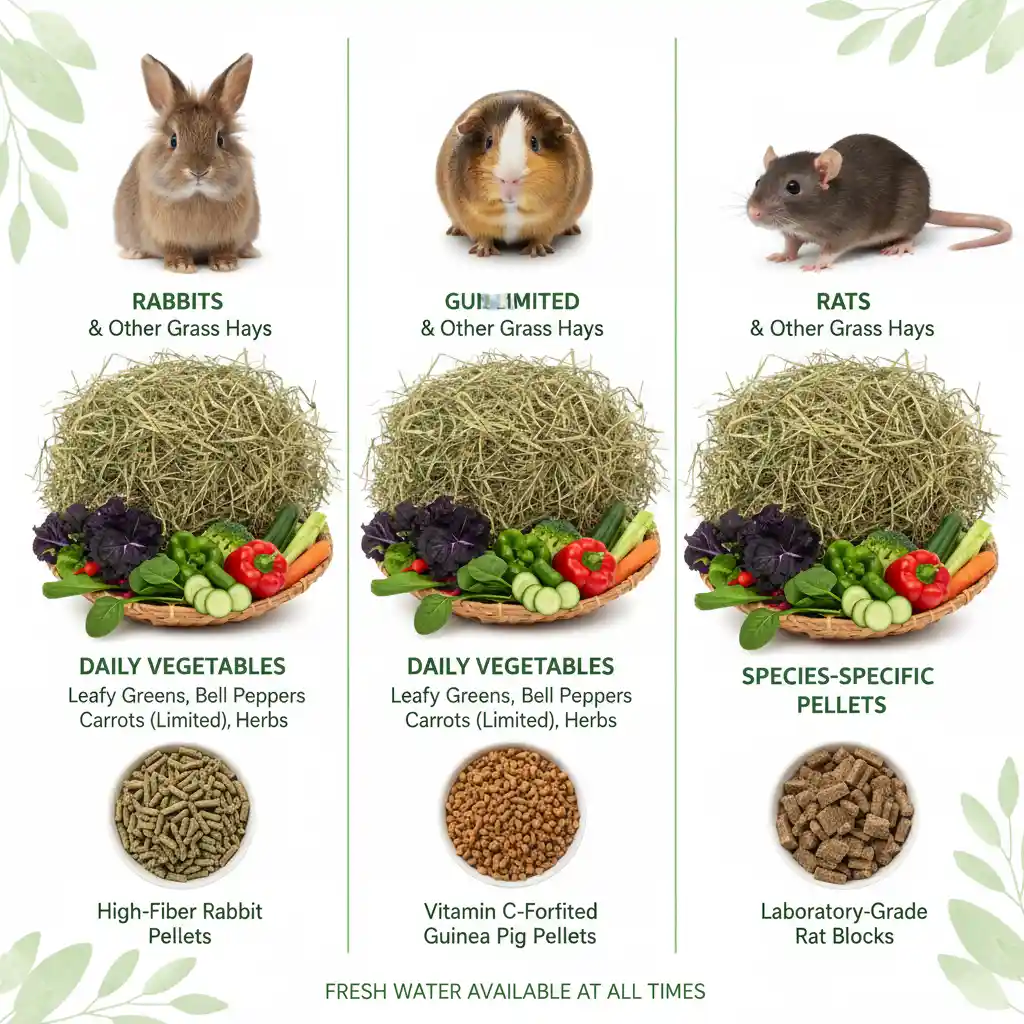
Guinea pigs, or cavies, are another popular small pet in New Zealand, known for their charming vocalizations and gentle nature. Like rabbits, they are social animals and should ideally be kept in pairs or small groups. A critical aspect of guinea pig care in NZ is their inability to synthesise Vitamin C, making dietary supplementation vital. Fresh vegetables rich in Vitamin C, along with good quality guinea pig pellets and an unlimited supply of hay, form the cornerstone of their diet. Their enclosures need to be spacious, clean, and provide ample hiding spots where they can feel secure. Guinea pigs are prone to certain health issues, including dental problems, respiratory infections, and skin conditions, making regular observation and prompt veterinary attention crucial. Their short legs and delicate spines mean they require enclosures with solid, non-wire flooring and ramps that are not too steep. Protection from dampness and drafts is particularly important in New Zealand’s varied climate.
Rat Care Guidelines for NZ Pet Owners
Rats are often misunderstood but make incredibly intelligent, clean, and affectionate pets. They are highly social and should always be kept in groups of two or more. Their curious nature means they require significant mental stimulation and daily interaction with their owners. A large, multi-level cage with plenty of toys, hammocks, and climbing opportunities is essential for their physical and mental well-being. Unlike rabbits and guinea pigs, rats are omnivores, requiring a balanced diet of high-quality rat pellets supplemented with fresh vegetables, fruits, and occasional protein sources. Due to their susceptibility to respiratory illnesses and tumours, regular vet check-ups are paramount for rat owners in New Zealand. Providing a clean living environment is crucial for preventing respiratory issues. Rats bond deeply with their human companions and can learn tricks, demonstrating their advanced cognitive abilities. Responsible rat care in NZ involves understanding their complex social structures and providing an enriching environment that caters to their intelligence and need for companionship.
Optimal Housing and Enrichment for Small Pets in NZ
The environment a small animal lives in profoundly impacts its health, behaviour, and overall quality of life. In New Zealand, creating a safe, stimulating, and species-appropriate habitat is a cornerstone of responsible pet ownership. This extends beyond merely providing a cage; it encompasses ensuring adequate space, appropriate substrate, environmental enrichment, and protection from hazards. Understanding the natural behaviours of rabbits, guinea pigs, and rats helps in designing enclosures that cater to their instincts, such as burrowing, exploring, and seeking shelter. A well-designed habitat reduces stress, prevents boredom-related behavioural issues, and promotes physical activity, which is vital for preventing obesity and other health problems. Owners in NZ must consider both indoor and outdoor options, balancing safety with opportunities for natural behaviours, while always keeping in mind the local climate and potential predators.
Spacious and Secure Habitats
Small animals require far more space than many first-time owners realise. For rabbits, hutches alone are often insufficient; they need access to a secure, predator-proof run large enough for them to stretch out fully, run, and jump. Guinea pigs also need ample floor space, as they prefer to move horizontally. Rats, being arboreal in nature, benefit from tall cages with multiple levels for climbing. All enclosures must be robust and secure to prevent escapes and protect against predators common in NZ, such as cats, stoats, and ferrets. Outdoor enclosures need to be elevated to prevent dampness and include sheltered areas from sun, wind, and rain. Ventilation is key, but drafts should be avoided. The flooring should be solid or covered to protect delicate feet from ‘bumblefoot,’ a common ailment in wire-bottomed cages. Regular cleaning is non-negotiable to maintain hygiene and prevent the build-up of ammonia, which can cause respiratory issues.
Environmental Enrichment and Play
Enrichment is crucial for preventing boredom and promoting natural behaviours in small animals. For rabbits, this means providing tunnels, digging boxes filled with soil or paper, and safe chew toys to satisfy their instinctual needs to burrow and chew. Guinea pigs enjoy hideaways, tunnels, and occasional supervised foraging opportunities. Rats, being highly intelligent, benefit from puzzle toys, hammocks, ropes for climbing, and daily supervised playtime outside their cage to explore and interact. Rotating toys and rearranging cage furniture keeps their environment novel and engaging. Introducing safe, natural elements like untreated wood branches or cardboard tubes also provides stimulation. Owners should research species-appropriate enrichment items, ensuring they are non-toxic and cannot cause injury. The more engaging the environment, the happier and healthier the pet will be.
Climate Control and Safety
New Zealand’s climate can be variable, and small animals are sensitive to temperature extremes. Rabbits, in particular, are susceptible to heatstroke in summer and hypothermia in winter. Outdoor enclosures must offer complete protection from direct sunlight, driving rain, and strong winds. Indoor pets also require consideration; avoid placing cages in direct sunlight or near heaters/air conditioners. Furthermore, ensuring a safe environment means protecting against household hazards. This includes securing electrical cords, removing toxic houseplants (many common NZ garden plants are toxic), and ensuring that cleaning products are stored safely away. For outdoor pets, vigilance against wild animals and insects is important. Owners should regularly inspect their pet’s environment for potential dangers, such as loose wires, sharp edges, or decaying wood, and address them promptly. Ensuring consistent access to fresh, clean water is also critical, especially during warmer months.

Dietary Requirements and Common Ailments in NZ Small Animals
Proper nutrition is the cornerstone of small animal health, directly influencing their energy levels, immune system function, and longevity. An inappropriate diet is a leading cause of many common health problems in rabbits, guinea pigs, and rats. Coupled with this, understanding common ailments and recognising their early signs is crucial for prompt veterinary intervention, which can often be life-saving. In New Zealand, pet owners must be vigilant about providing a species-appropriate diet and establishing a relationship with a veterinarian experienced in treating small exotic animals. Preventative care, including regular health checks and vaccinations where applicable, forms an integral part of responsible ownership, helping to avert serious health crises before they become critical.
Balanced Nutrition for Rabbits, Guinea Pigs, and Rats
Each small animal species has specific dietary needs. For rabbits, an unlimited supply of high-quality, fibrous hay (like Timothy or orchard grass) should make up 80-85% of their diet, crucial for dental wear and digestive health. This is supplemented with a small amount of fresh greens (such as kale, parsley, carrot tops, and other rabbit-safe vegetables available in NZ) and a limited quantity of high-fibre pellets. Guinea pigs also require unlimited hay, a daily portion of Vitamin C-rich vegetables (e.g., capsicum, parsley, broccoli), and a small amount of high-quality guinea pig pellets. Rats, being omnivores, thrive on a commercial rat block as their primary food, supplemented with small amounts of fresh fruits, vegetables, and occasional lean protein sources like cooked chicken or eggs. Water should always be fresh and readily available, ideally in a sipper bottle and a heavy ceramic bowl to encourage hydration. For more detailed information on safe plants and diet, organisations like the NZSPCA often provide resources.
Recognizing and Addressing Common Health Issues
Small animals are adept at hiding signs of illness, making early detection challenging but vital. Common rabbit ailments include dental problems (malocclusion), gut stasis (a life-threatening slowdown of the digestive system), respiratory infections, and external parasites like mites and fleas. Guinea pigs are prone to dental issues, scurvy (due to Vitamin C deficiency), bladder stones, and respiratory infections. Rats frequently suffer from respiratory diseases (often caused by Mycoplasma pulmonis), various types of tumours, and parasites. Signs of illness can include lethargy, changes in eating or drinking habits, unusual discharge from eyes or nose, hunched posture, difficulty breathing, limping, or changes in droppings. Any deviation from normal behaviour warrants immediate attention from a qualified small animal veterinarian. Owners in NZ should establish a relationship with a local vet who has expertise in exotic pets, as not all veterinarians are experienced with these species.
Preventative Care and Veterinary Visits
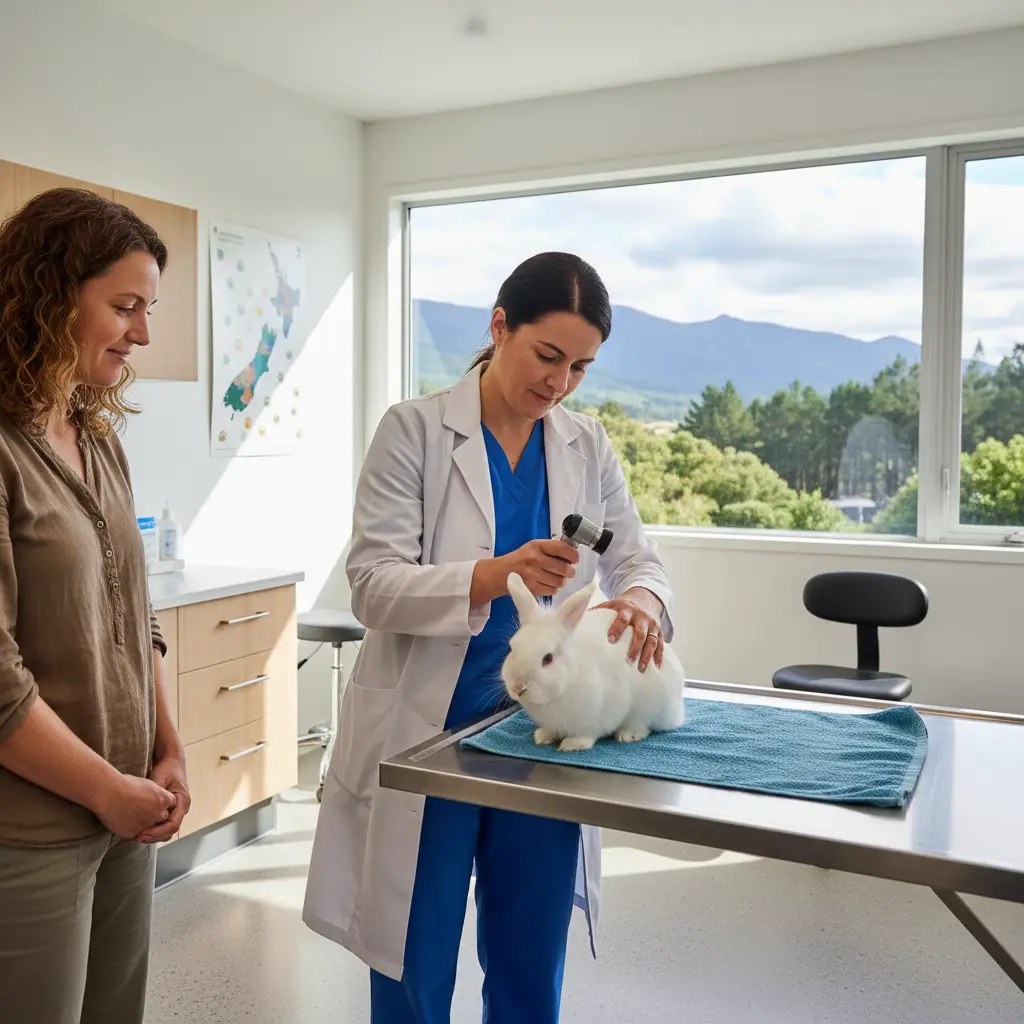
Regular preventative care is far more effective and less stressful than treating an advanced illness. Annual health checks with a small animal vet in NZ are recommended for all small pets. During these visits, the vet can perform a thorough physical examination, check teeth, assess weight, and discuss diet and housing. For rabbits, vaccinations against diseases like RHD are a crucial part of preventative care. Parasite control, including regular checks for mites and fleas, is also important. Owners should also engage in daily health checks at home, observing their pets’ behaviour, appetite, and droppings. Grooming, particularly for long-haired breeds, helps prevent matting and allows for early detection of skin issues or lumps. A proactive approach to health, coupled with prompt professional veterinary care, significantly improves the chances of a long and healthy life for small animals.
Ethical Sourcing and Responsible Pet Ownership in NZ
The decision to bring a small animal into your home is a significant one, carrying with it a responsibility for its lifetime care. Ethical sourcing is a critical aspect of responsible pet ownership, ensuring that your new companion comes from a background that prioritises animal welfare. In New Zealand, this means avoiding impulse purchases and instead seeking out reputable sources that can provide transparent information about the animal’s history, health, and temperament. Beyond acquisition, true responsible ownership encompasses a commitment to the animal’s physical, emotional, and social needs for the entirety of its life. This section focuses on making informed choices when acquiring a pet and understanding the profound commitment involved, including the financial and time implications, to ensure a positive experience for both pet and owner.
Choosing a Reputable Source
When looking to add a small animal to your family in NZ, the source matters immensely. The most ethical option is often to adopt from reputable animal shelters or rescue organisations, such as those listed on Pet Rescue NZ. These organisations often have animals that have been surrendered or abandoned, and they typically provide veterinary checks, desexing, and temperamental assessments before rehoming. They can also offer valuable advice on care. If choosing to buy from a breeder, ensure they are ethical and responsible: they should allow you to visit their facility, see the parents, and observe the living conditions of the animals. Avoid pet shops that cannot provide clear origins of their animals or keep them in poor conditions. Responsible breeders prioritise the health and welfare of their animals over profit, breed for temperament and health, and are knowledgeable about their specific species.
The Commitment of Pet Ownership
Owning a small animal is a long-term commitment. Rabbits can live 8-12 years, guinea pigs 5-8 years, and rats 2-3 years, each requiring consistent care throughout their lifespan. This commitment includes significant financial responsibility, covering the costs of quality food, spacious housing, enrichment items, and most importantly, veterinary care. Emergency vet visits can be expensive, and it’s prudent to budget for these eventualities. Beyond finances, there is a considerable time commitment involved in daily feeding, cleaning, health checks, and interaction. These animals thrive on routine and human interaction. Responsible owners in NZ must be prepared to integrate their pets into their daily lives, providing consistent attention and care, and understanding that they are caring for a sentient being with specific needs and feelings. It’s not just a pet; it’s a family member.
Introducing New Pets and Integration
Introducing new small animals, especially to existing pets, requires careful planning and patience. For social species like rabbits, guinea pigs, and rats, gradual introductions are key to forming positive relationships. This often involves a period of separate housing (quarantine), followed by supervised short interactions in neutral territory, slowly increasing contact as the animals become comfortable. Desexing is highly recommended for pairs or groups of rabbits to prevent unwanted litters and reduce hormonal aggression. For guinea pigs and rats, understanding their specific social dynamics (e.g., male guinea pigs can sometimes be problematic in groups unless carefully bonded) is important. It is also crucial to supervise interactions between small pets and other household animals like dogs or cats, as even the most docile predator can accidentally injure a small prey animal. Safety and slow integration are paramount for a harmonious multi-pet household.
People Also Ask About Small Animal Care in NZ
Below are some frequently asked questions regarding the care of small animals in New Zealand, providing concise answers for common concerns.
What vaccinations do rabbits need in NZ?
In New Zealand, rabbits primarily require vaccination against Rabbit Haemorrhagic Disease (RHD), also known as Calicivirus. It’s crucial to consult a local veterinarian experienced in small animal care to ensure your rabbit receives the appropriate vaccine schedule and booster shots for protection against current strains prevalent in NZ.
Can guinea pigs live alone in New Zealand?
While a guinea pig can survive alone, they are highly social animals and thrive with companionship. In New Zealand, it is strongly recommended to keep guinea pigs in pairs or small groups to prevent loneliness and ensure their psychological well-being. Introduction to a new companion should be done gradually and carefully.
What fresh vegetables are safe for rabbits in NZ?
Safe fresh vegetables for rabbits in NZ include dark leafy greens like kale, parsley, coriander, carrot tops, and romaine lettuce. Bell peppers, broccoli florets, and celery (in moderation) are also suitable. Always introduce new foods slowly and in small quantities to avoid digestive upset, and ensure they are pesticide-free.
How much space do rats need in New Zealand?
Rats are active and intelligent animals that require spacious, multi-level cages. For a pair of rats in New Zealand, a minimum cage size of 60cm x 60cm x 60cm (LxWxH) is often recommended, but larger is always better. The cage should provide ample climbing opportunities, hammocks, and enrichment items to keep them stimulated.
Where can I adopt small animals in NZ?
In New Zealand, you can adopt small animals from reputable animal shelters, humane societies, and rescue organisations such as the SPCA and various independent small animal rescues. Websites like Pet Rescue NZ often list animals available for adoption from various shelters across the country, providing an ethical way to find a pet.
What are common signs of illness in guinea pigs?
Common signs of illness in guinea pigs include lethargy, loss of appetite or refusal to eat, changes in droppings (diarrhoea or very small, hard droppings), discharge from the eyes or nose, difficulty breathing, limping, or a hunched posture. Any of these symptoms warrant an immediate visit to a veterinarian experienced in small animals in NZ.