To adopt a cat in NZ, prospective owners must typically apply through a registered charity or the SPCA, complete a compatibility questionnaire, and pay an adoption fee that covers essential veterinary work. This fee generally includes desexing, microchipping, vaccination, and flea/worm treatments, ensuring you take home a healthy pet while actively reducing New Zealand’s stray cat population.
The Landscape of Cat Adoption in New Zealand
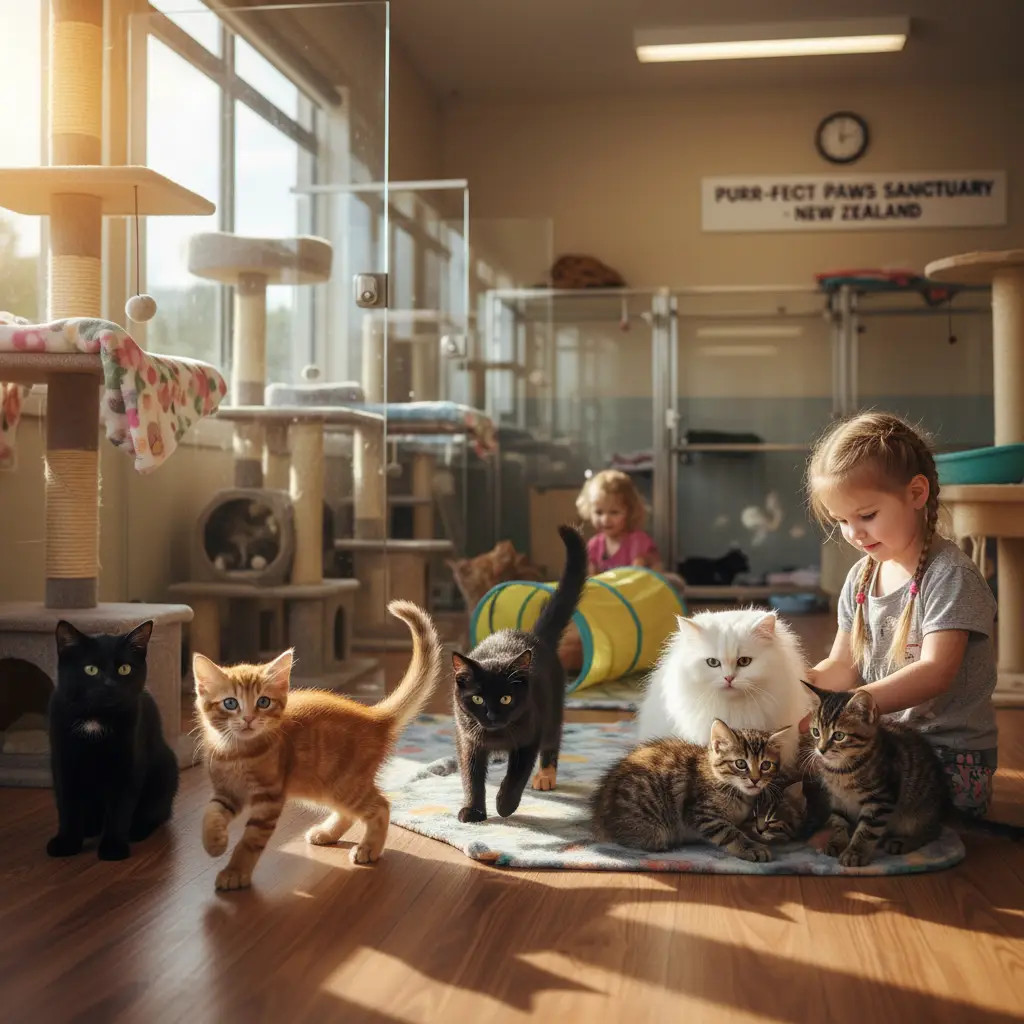
New Zealand is a nation of pet lovers, boasting one of the highest rates of cat ownership in the world. However, this affinity for felines comes with a significant challenge: a massive population of stray and unwanted cats. The landscape of cat adoption in New Zealand is driven by a network of dedicated organizations, ranging from the nationally recognized SPCA (Society for the Prevention of Cruelty to Animals) to smaller, volunteer-run community rescues.
The ecosystem is currently under immense pressure. Seasonal influxes, often referred to as “kitten seasons,” overwhelm shelters from Auckland to Invercargill. When you choose to adopt a cat in NZ, you are not merely acquiring a pet; you are alleviating pressure on a strained welfare system. Unlike buying from private breeders or casual backyard listings, adoption agencies prioritize the welfare of the animal and the suitability of the match between pet and owner.
Major organizations like the SPCA New Zealand set the gold standard for animal welfare, ensuring that every animal is vetted behaviorally and medically. Simultaneously, independent rescues—often focusing on specific regions or even specific breeds—fill the gaps, providing foster-based care that acclimates cats to home environments before they are permanently placed.
Why Adopt Instead of Shop?
Choosing to adopt a rescue cat offers profound benefits compared to purchasing from a pet store or an unregulated private seller. These benefits span ethical, financial, and medical considerations.
1. Comprehensive Veterinary Care
One of the most pragmatic reasons to adopt is the medical assurance provided. When you buy a kitten from a “free to good home” listing online, you often receive an animal with no medical history, potentially carrying parasites or unaddressed illnesses. In contrast, reputable NZ rescues ensure that every cat is:
- Desexed: This is critical for preventing unwanted litters and reducing wandering behavior.
- Microchipped: A legal and safety necessity, ensuring your cat is registered on the NZ Companion Animal Register (NZCAR).
- Vaccinated: Protection against core diseases like Feline Panleukopenia and Cat Flu.
- Treated for Parasites: Flea and worm treatments are administered prior to adoption.
2. Personality Matching
Shelters and foster networks spend time observing their cats. They know which cat is a lap-sitter, which is an independent hunter, and which one gets along with dogs. This insight allows for a “matchmaking” service that private sellers simply cannot offer. If you have a busy household with children, a rescue can direct you toward a confident, socialized adult cat rather than a fragile kitten.
3. Reducing the Stray Population
New Zealand faces a significant ecological issue regarding predation on native wildlife. By adopting a cat and keeping it responsibly contained or supervised, and ensuring it is desexed, you contribute to a solution that balances pet ownership with environmental stewardship. Every adoption frees up a space in a shelter for another animal in desperate need.
Understanding the Adoption Process
For first-time adopters, the process can seem rigorous, but it is designed to ensure the safety of the animal and the happiness of the new owner. While procedures vary slightly between organizations, the core steps remain consistent across New Zealand.
Step 1: Research and Application
Browse online listings on shelter websites or platforms like TradeMe Adoption. Once you identify a potential match, you will submit an application. This form typically asks about your living situation, whether you own or rent, the ages of household members, and your history with pets.
Step 2: The Meet and Greet
If your application is shortlisted, you will be invited to meet the cat. This may happen at a shelter facility or, in the case of foster-based rescues, at a foster carer’s home. This interaction is crucial. It allows you to gauge the cat’s temperament and see if there is a natural bond. Don’t be discouraged if the first cat you meet isn’t the right fit; shelter staff are experts at suggesting alternatives.
Step 3: Property Checks and Landlord Consent
For renters, proof of landlord permission is non-negotiable. Some strict rescues may also request a property inspection or photos of your home to ensure it is secure, particularly if you are adopting a strictly indoor cat or a kitten.
Step 4: Finalizing the Adoption
Once approved, you will sign an adoption contract. This legal document outlines your responsibilities, including the commitment to return the animal to the rescue if you can no longer care for it. You will pay the adoption fee, process the microchip transfer, and take your new companion home.
Costs Associated with Adopting a Cat in NZ
A common misconception is that rescues are “making money” from adoption fees. In reality, the fee rarely covers the full cost of the veterinary care the animal has received. Adopting is significantly cheaper than acquiring a “free” kitten and paying for vet work privately.
Typical Cost Breakdown:
- Kittens (under 6 months): $150 – $250 NZD. Kittens require more rounds of vaccinations and intensive care.
- Adult Cats: $100 – $180 NZD.
- Senior or Special Needs Cats: Often heavily discounted or donation-based to encourage adoption.
What would this cost privately?
If you were to pay for desexing ($150-$300), microchipping ($60-$80), vaccinations ($80-$100 per round), and registration independently, the cost would easily exceed $400-$600 NZD. Therefore, the adoption fee represents substantial value.
Tenant Advocacy: Renting with Cats
One of the largest barriers to cat adoption in New Zealand is the rental market. Landlords often default to “no pets” policies, severely limiting the pool of available homes for rescue cats. However, the landscape is shifting, and tenants can advocate for themselves effectively.
Creating a Pet CV
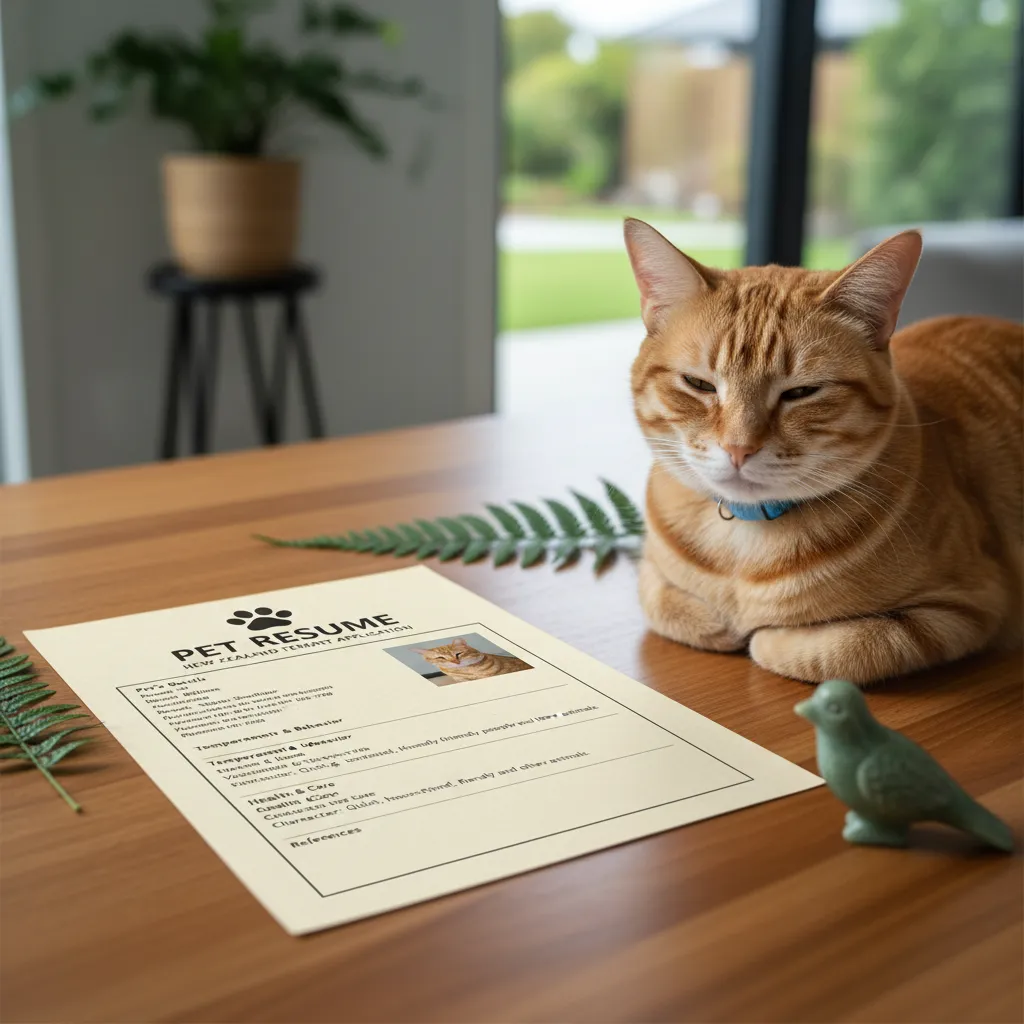
To increase your chances of securing a rental that allows you to adopt a cat, treat your future pet as a tenant with references. Create a “Pet CV” that includes:
- Details: Age, breed, desexing status, and microchip number.
- References: Letters from previous landlords or property managers attesting to the pet’s good behavior and lack of damage.
- Health Records: Proof of up-to-date vaccinations and flea/worm treatments.
- Photos: Cute photos help humanize the animal to the landlord.
Understanding Tenancy Laws
Under current New Zealand tenancy law, landlords cannot unreasonably refuse a pet request, but the definition of “unreasonable” is still being tested. Offering to pay for professional carpet cleaning at the end of the tenancy or adding specific clauses to the tenancy agreement can often alleviate a landlord’s concerns. Organizations like Tenancy Services provide templates and advice for adding pet clauses to rental agreements.
Where to Find Cats for Adoption
Finding the right rescue is the first step. New Zealand has a robust network of shelters distributed across the North and South Islands.
National Organizations
SPCA: With centers nationwide, this is the largest source of adoptable animals. Their website allows filtering by region, age, and breed.
Regional Rescues
- Auckland: Lonely Miaow, Gutter Kitties, and 9 Lives Orphanage are prominent organizations focusing on stray and abandoned cats in the super-city.
- Wellington: Cats Protection Wellington and Outpawed do incredible work in the capital, often focusing on rehabilitation.
- Christchurch: Cat Rescue Christchurch focuses on reducing the stray population through Trap-Neuter-Return (TNR) and adoption of socialized cats.
- Dunedin: Animal Rescue Network NZ operates in the lower South Island.
Online Aggregators
TradeMe Pets: While TradeMe allows private sales, they also host a dedicated “Adoption” category used by legitimate charities. Always look for the “SAFE” badge or verify the seller is a registered charity.
Preparing Your Home for a Rescue Cat
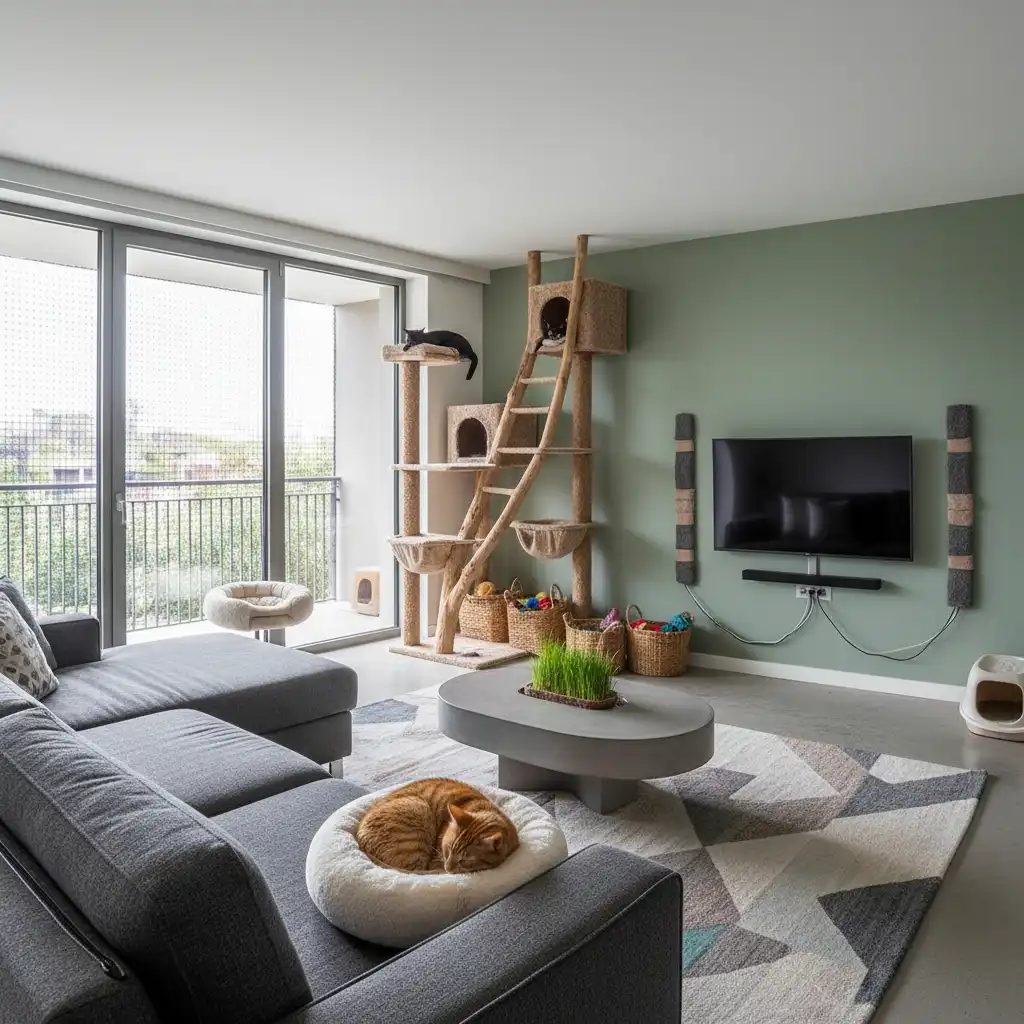
Bringing a new cat home is exciting, but preparation is key to a smooth transition. Rescue cats, particularly those with a history of trauma or long shelter stays, need a secure environment.
The Safe Room
Do not give a new cat run of the entire house immediately. Set up a “safe room” (a spare bedroom or laundry) with:
- A litter tray (placed away from food).
- Food and water bowls.
- A hiding spot (a box or covered bed).
- Scratching posts.
Keep the cat in this room for the first few days, visiting frequently to bond. This prevents them from becoming overwhelmed and hiding in hard-to-reach places.
Cat-Proofing
Ensure windows are secure or have latches. Remove toxic plants (like lilies, which are fatal to cats) and secure loose wires. If you have an outdoor area, consider cat-proof fencing or a “catio” to keep your pet safe and protect local wildlife.
Frequently Asked Questions
How much does it cost to adopt a cat in NZ?
Adoption fees typically range from $100 to $250 NZD depending on the age of the cat and the specific rescue organization. This fee usually covers desexing, microchipping, vaccinations, and parasite treatment.
Can I adopt a cat if I rent my home?
Yes, you can adopt while renting, provided you have written permission from your landlord. Many rescues will require proof of this permission before finalizing an adoption.
What is the difference between SPCA and private rescues?
The SPCA is a national organization with enforcement powers regarding animal cruelty. Private rescues are often smaller, volunteer-run charities that may specialize in specific breeds, community cats, or foster-based care without a physical shelter facility.
How long does the adoption process take?
The process can take anywhere from a few days to two weeks. It depends on the availability of volunteers to process applications, check references, and schedule meet-and-greets.
Are rescue cats healthy?
Reputable rescues ensure cats are vet-checked, desexed, and treated for known issues before adoption. However, like all pets, they may develop health issues later. Full disclosure of any known chronic conditions is standard practice for ethical rescues.
Do I need to register my cat in NZ?
Unlike dogs, cats do not generally require council registration tags in most NZ regions, but microchipping and registering that chip on the NZ Companion Animal Register (NZCAR) is highly recommended and often mandatory for adopted cats.