Cat rescue NZ refers to the comprehensive network of animal welfare organizations, independent charities, and volunteer groups across New Zealand dedicated to the rehabilitation, desexing, and rehoming of stray and abandoned felines. To adopt or support these initiatives, individuals must engage with registered entities like the SPCA or local trusts that manage population control and adoption vetting.
Introduction
New Zealand is a nation of pet lovers, with one of the highest rates of cat ownership in the world. However, this love for felines comes with a significant responsibility: managing a large population of stray and feral cats that impacts both community health and the country’s unique native wildlife. The landscape of cat rescue NZ is diverse, ranging from the nationally recognized SPCA to small, dedicated volunteer groups operating in specific suburbs.
Navigating the world of cat rescue involves more than just finding a kitten to adopt. It encompasses understanding the critical importance of de-sexing, the nuances of trap-neuter-return (TNR) programs, and the delicate balance between animal welfare and environmental conservation. Whether you are looking to adopt a new family member, surrender a cat you can no longer care for, or volunteer your time to assist with colony management, understanding the ecosystem of New Zealand cat rescue is essential.
Managing the Stray Cat Population in NZ
The management of stray and feral cats is perhaps the most pressing issue facing animal welfare groups in New Zealand. The approach to population control is multifaceted, relying heavily on prevention rather than just reaction.
The Difference Between Stray and Feral
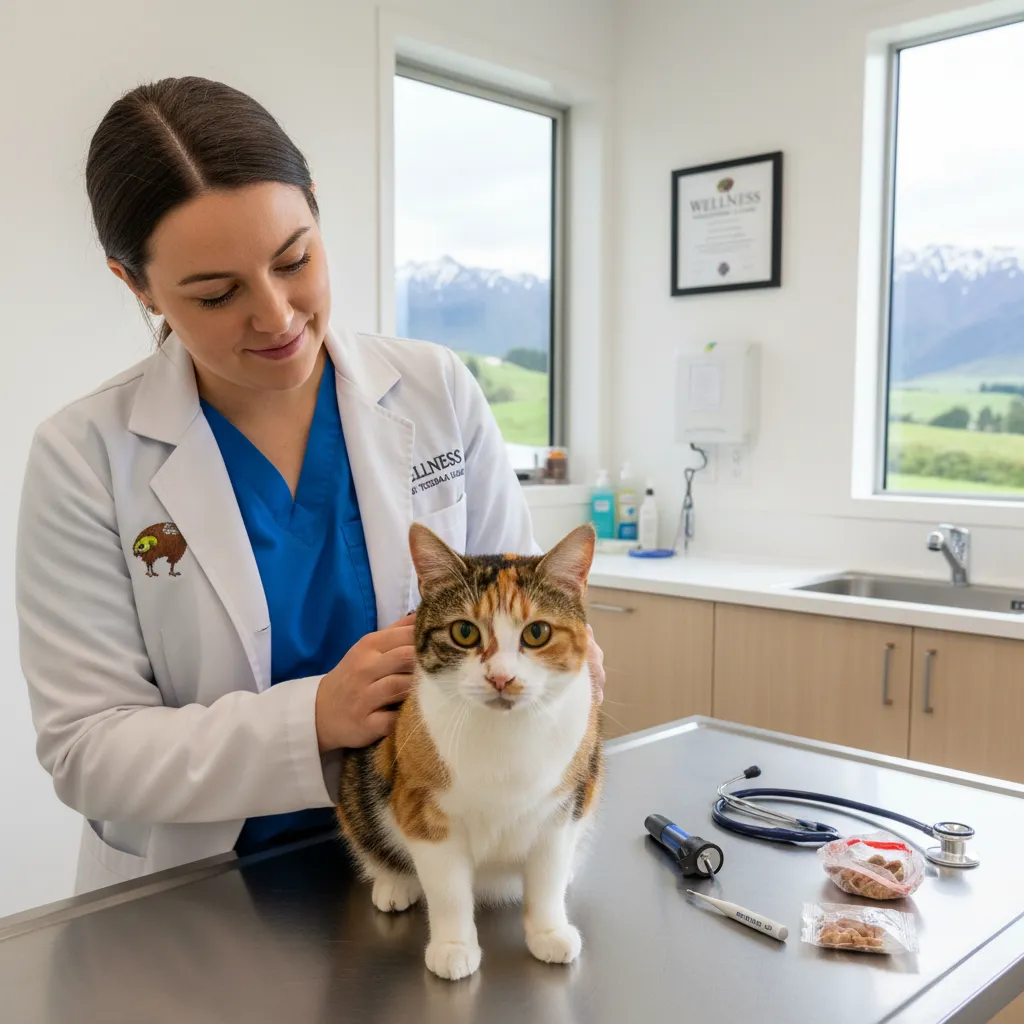
In the context of New Zealand rescue operations, distinguishing between a “stray” and a “feral” cat is vital. A stray cat is a domestic cat that has been lost or abandoned. They have been socialized to humans at some point and, with patience, can often be re-homed. A feral cat, however, is born in the wild or has lived away from human contact for so long that it has reverted to a wild state. Feral cats are generally not suitable for adoption as pets due to their fear of humans.
Rescue organizations focus their rehabilitation efforts on strays. For feral populations, the focus shifts to humane management to prevent population growth and mitigate the threat they pose to native birds and lizards.
The Importance of Desexing
Desexing (spaying or neutering) is the single most effective tool in the cat rescue arsenal. An un-desexed female cat can produce multiple litters a year, leading to an exponential increase in the number of unwanted kittens. This phenomenon is often referred to as “kitten season,” which typically runs from spring through late summer, overwhelming shelters across the country.
Major organizations like the SPCA New Zealand run desexing campaigns, often offering subsidized vouchers to low-income pet owners to encourage responsible ownership. By preventing unwanted litters, rescues can focus their limited resources on animals that are already in need rather than constantly battling an influx of new kittens.
Trap-Neuter-Return (TNR)
TNR is a humane method used to manage colonies of community cats. The process involves:
- Trap: The cat is humanely trapped.
- Neuter: The cat is taken to a vet to be desexed, vaccinated, and ear-tipped (a universal sign that a cat has been fixed).
- Return: The cat is returned to its original territory where it is monitored by a caretaker.
While TNR is widely supported by welfare groups, it is subject to local council bylaws and environmental considerations, particularly near conservation land where cats may threaten native species.
Adoption Resources: Finding Your Feline Companion
Adopting a rescue cat is a rewarding experience that saves a life and makes room in a shelter for another animal in need. In New Zealand, the adoption process is designed to ensure a good match between the cat and the potential owner.
Where to Adopt
There are numerous avenues for adoption in New Zealand:
- SPCA Centers: Located nationwide, they have the largest number of animals available.
- Independent Charities: Organizations like Cat Rescue Christchurch, Lonely Miaow (Auckland), and Kitten Inn (Wellington) do incredible work.
- Council Shelters: Some local councils run animal shelters that offer adoptions.
- Pet Stores (Partnered): Many pet stores in NZ no longer sell “for-profit” puppies and kittens but instead partner with rescues to host adoption days.
The Adoption Process
Reputable rescues follow a standard procedure to ensure the safety of the animal:
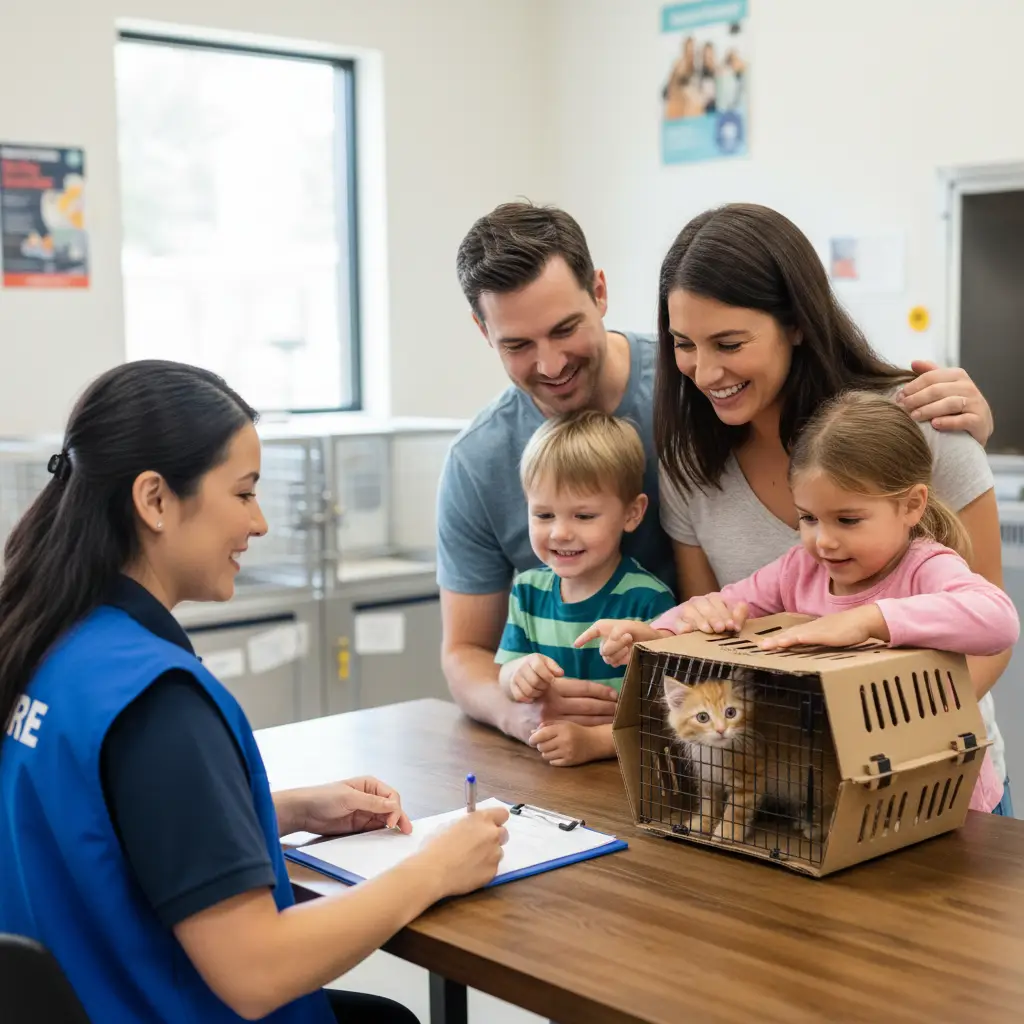
- Application: You will fill out a form detailing your living situation, family members, and other pets.
- Meet and Greet: Spending time with the cat is crucial to see if your personalities bond.
- Property Check: Some rescues may require a home visit or photos of your property to ensure it is secure.
- Adoption Fee: Fees generally range from $100 to $250. This is a bargain considering it typically covers desexing, microchipping, first vaccinations, and flea/worm treatments.
Community Cat Care: How You Can Help
Not everyone is in a position to adopt, but there are many other ways to support cat rescue NZ efforts. Community support is the backbone of independent rescue groups.
Fostering
Fostering is a critical lifeline for rescue organizations. Foster carers provide a temporary home for cats and kittens until they are ready for adoption. This is particularly important for:
- Neonatal Kittens: Those needing bottle feeding around the clock.
- Socialization: Shy cats that need a quiet home environment to learn to trust humans.
- Medical Recovery: Cats recovering from surgery or illness who cannot stay in a shelter environment.
Rescues usually cover all medical costs and provide food and litter, while the foster parent provides love and shelter.
Volunteering and Donations
Rescue centers are labor-intensive operations. Volunteers are needed for cleaning cages, socializing cats, administrative tasks, and transporting animals to vet appointments. Financially, these organizations rely almost entirely on donations. Beyond cash, donations of high-quality cat food, blankets, towels, and toys are always in high demand.
Health, Safety, and Responsible Ownership
Owning a rescued cat in New Zealand entails specific responsibilities regarding health and legislation.
Microchipping and Registration
Microchipping is the most reliable way to reunite lost pets with their owners. In New Zealand, it is highly recommended (and effectively mandatory for all cats adopted from reputable rescues) to have your cat microchipped and registered on the New Zealand Companion Animal Register (NZCAR). A microchip is useless if the contact details are not kept up to date in this national database.
Protecting Native Wildlife
New Zealand’s unique biodiversity includes many ground-nesting birds and lizards that are vulnerable to predation by cats. Responsible rescue ownership involves mitigating this risk:
- Keep Cats Indoors at Night: Many native species are nocturnal; keeping cats inside from dusk till dawn significantly reduces predation.
- Bells and Collars: A collar with a bell can alert wildlife to a cat’s presence.
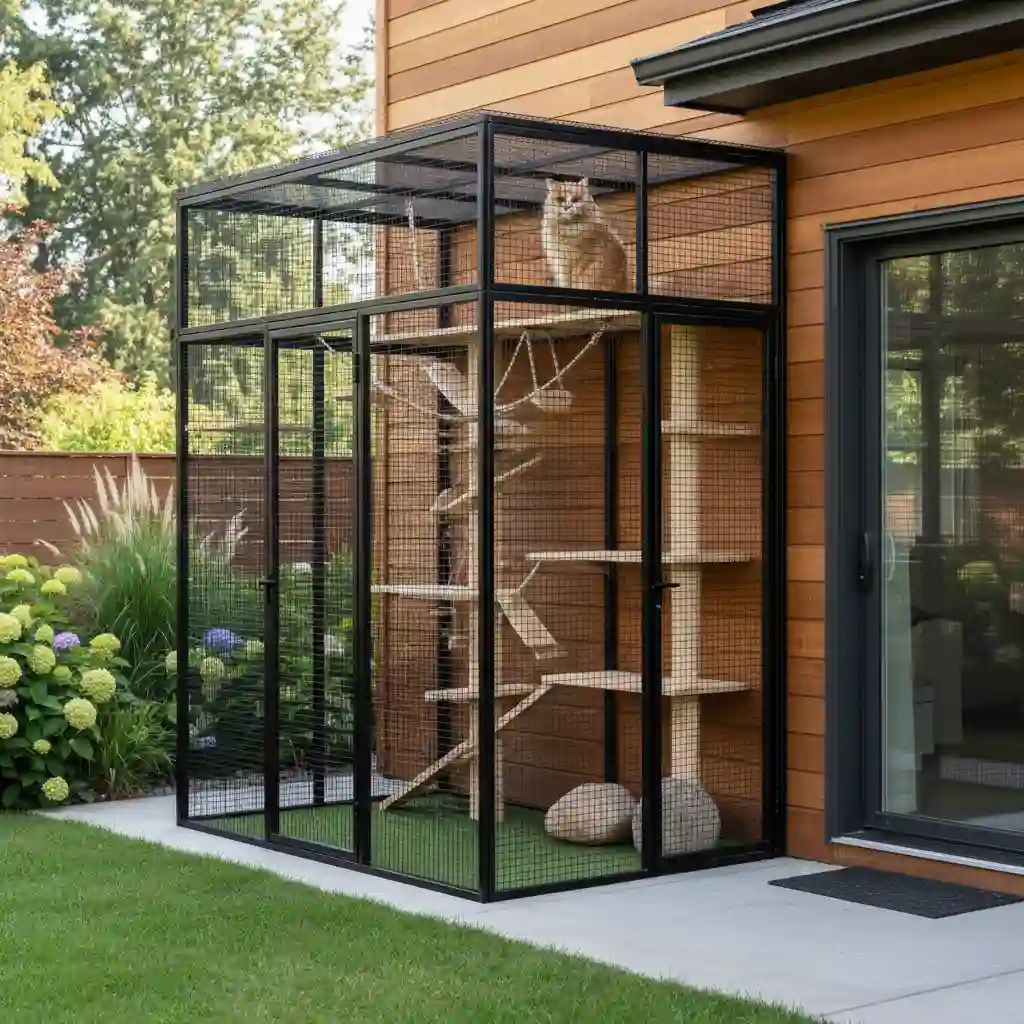
- Catios and Enclosures: Building a “catio” (a secure outdoor enclosure) allows cats to enjoy fresh air without roaming freely. This is becoming an increasingly popular trend among NZ cat owners.
Common Health Issues in Rescues
When adopting a rescue, be aware of common conditions such as Cat Flu (upper respiratory infection) and ringworm. While rescues treat these before adoption, stress can sometimes cause flare-ups. More serious conditions like FIV (Feline Immunodeficiency Virus) are also screened for. FIV-positive cats can live long, healthy lives but must be kept strictly indoors to prevent spreading the virus to other cats.
Frequently Asked Questions
Below are common questions regarding cat rescue and adoption in New Zealand.
How much does it cost to adopt a cat in NZ?
Adoption fees in New Zealand typically range from $100 to $250 depending on the organization and the age of the cat. This fee generally covers desexing, microchipping, vaccinations, and flea/worm treatments.
What should I do if I find a stray cat in NZ?
If you find a stray cat, first check for a collar or ID tag. If none is present, take the cat to a local vet or SPCA center to scan for a microchip free of charge. You can also post on local community Facebook pages or “Lost Pet” registries like LostPet.co.nz.
Is microchipping mandatory for cats in New Zealand?
While microchipping is not currently mandatory under national law for all cats (unlike dogs), it is a requirement for cats adopted from the SPCA and most rescue organizations. Some local councils are moving toward mandatory microchipping bylaws.
Can I feed stray cats in my neighborhood?
Feeding stray cats without a plan for desexing is discouraged as it promotes population growth. If you feed a stray, you should contact a local rescue to assist with Trap-Neuter-Return (TNR) or rehoming to ensure the cat is healthy and does not breed.
What is the difference between a stray and a feral cat?
A stray cat is a domestic cat that has been lost or abandoned and is socialized to humans. A feral cat is born wild or has reverted to a wild state and is fearful of human contact. Strays can often be rehomed; feral cats usually cannot.
Where can I donate goods for cat rescue?
Most rescue centers, SPCA branches, and charity shops accept donations of clean blankets, towels, toys, and unopened cat food. Check the specific organization’s website for their current wish list before dropping off items.