Pet proofing a rental in NZ involves systematically securing your living space to ensure the safety and well-being of your animal companions while also protecting the property from potential damage. This comprehensive guide will equip New Zealand tenants with actionable strategies to create a harmonious environment for both their pets and their landlords.
Identifying Common Household Hazards for Pets in Rental Properties
Creating a truly pet-safe rental environment begins with a thorough hazard assessment. Many everyday household items and structural elements pose significant risks to curious pets, from toxic plants to unsecured windows. Understanding these dangers is the first step toward effective pet-proofing.
Toxic Plants and Chemicals
Many common houseplants, garden plants, and cleaning products are highly toxic to pets. Lilies, sago palms, oleander, and even daffodils can be fatal if ingested by cats or dogs. Similarly, everyday household cleaners, rat poison, slug bait, antifreeze, and certain medications must be stored securely. Always check plant toxicity before bringing new flora into your home and ensure all chemicals are kept in locked cupboards or on high shelves, well out of reach. For a comprehensive list of toxic plants, consult resources like the ASPCA or your local vet.
Electrical Wires and Outlets
Chewing on electrical cords is a common and dangerous habit for many pets, particularly puppies and kittens. Exposed wires can lead to electrical shock or burns. To mitigate this risk, secure all loose cords using cord protectors, cable ties, or conduit. Furniture can often be strategically placed to block access to outlets and wires. Consider using child-proof outlet covers for unused sockets, especially if you have smaller pets who might investigate them.
Small Objects and Choking Hazards
Pets, especially dogs, are prone to investigating and ingesting small objects they find on the floor. Common choking hazards include small toys, coins, rubber bands, hair ties, jewellery, and even bits of string or yarn. Regularly sweep or vacuum your floors to remove such items. Ensure pet toys are appropriately sized for your pet and are made of durable, non-toxic materials. Be mindful of items that can be easily pulled down from shelves or counters.
Unsecured Windows and Balconies
For cats and even some small dogs, unsecured windows and balconies present a serious fall risk, particularly in multi-story buildings. Screens can provide a barrier, but ensure they are sturdy and properly fitted, as a determined pet can easily push through a flimsy screen. For balconies, consider installing pet-safe netting or barriers that prevent pets from jumping or slipping through railings. Never leave pets unsupervised on high balconies or with wide-open windows.
Access to Restricted Areas (Pantries, Bathrooms, Laundry)
Areas like pantries, bathrooms, and laundry rooms often contain a concentration of hazards, including food items that are toxic to pets (e.g., chocolate, xylitol, onions), medications, cleaning supplies, and small objects. Keep doors to these rooms closed, or install pet gates to prevent access. Ensure toilet lids are kept down to prevent pets from drinking potentially contaminated water or accessing cleaning tablets. Secure rubbish bins with lids that pets cannot open.
Budget-Friendly Pet-Proofing Solutions for NZ Renters
Pet-proofing doesn’t have to break the bank. Many effective solutions can be implemented with minimal cost, making it feasible for renters in New Zealand to create a safe home without extensive renovations or high expenses.
Protecting Floors and Carpets
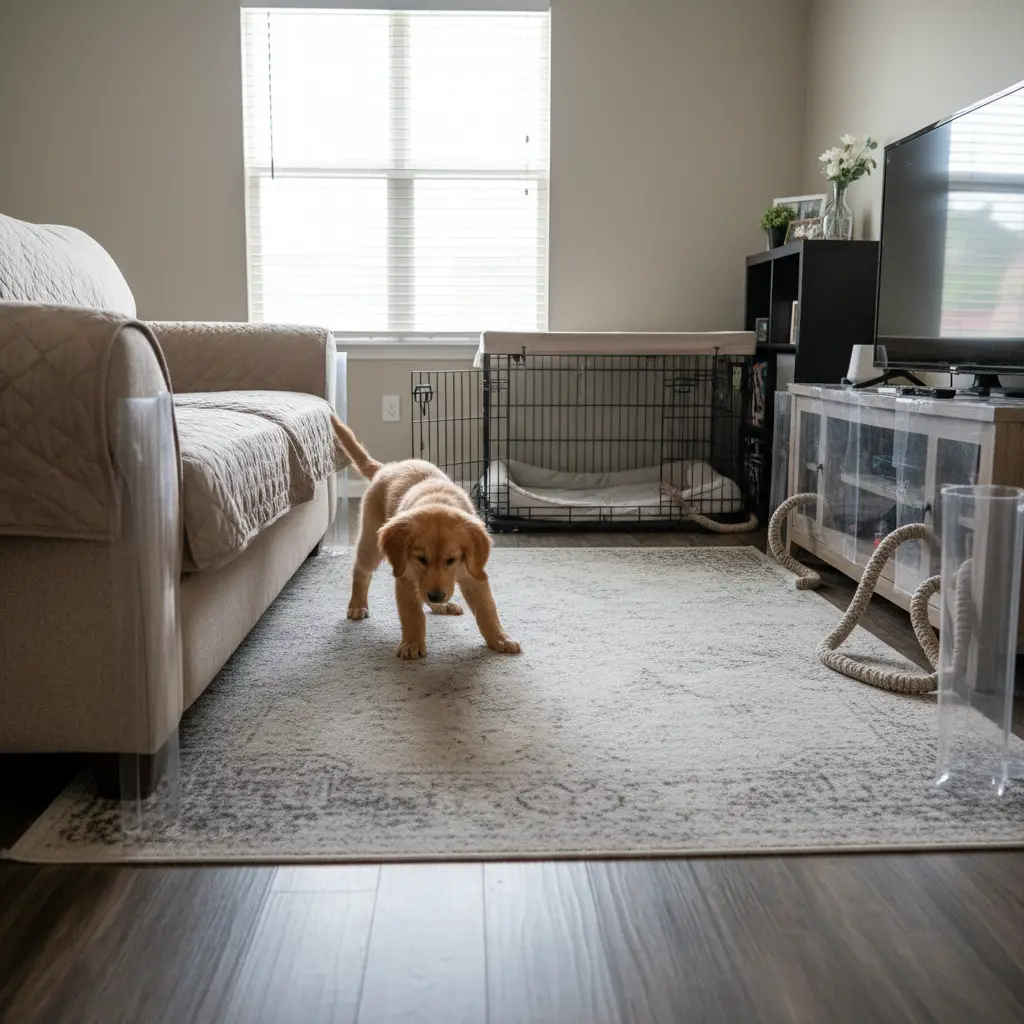
Rental carpets are often a landlord’s primary concern when pets are involved. To protect them, consider using large, washable rugs or mats in high-traffic areas, under food and water bowls, and near entryways. Waterproof mattress protectors can be cut to size and placed under rugs for an extra layer of defence against accidents. For hard floors, non-slip mats can prevent scratches and provide comfort for pets, especially older animals. Regular cleaning and immediate spot treatment of any accidents are crucial for preventing permanent damage and odours.
Safeguarding Walls and Furniture
Pets, particularly cats and exuberant dogs, can inadvertently damage walls and furniture. To protect walls, especially corners and high-traffic areas, consider temporary clear adhesive film or cardboard corner protectors. For furniture, durable slipcovers or throws are excellent for protecting upholstery from pet hair, scratches, and stains. Training pets to use designated scratching posts (for cats) or providing chew toys (for dogs) can redirect destructive behaviours away from furniture. If allowed by your tenancy agreement, consider pet-friendly furniture covers that are easy to remove and wash.
Securing the Outdoor Space (If Applicable)
If your rental property includes an outdoor area, securing it is paramount to prevent escapes and ensure your pet’s safety. Check fences for gaps, loose panels, or areas where pets could dig underneath. Use chicken wire or temporary fencing to reinforce weak spots. For jumpers, consider ‘coyote rollers’ along the top of fences – PVC pipes that rotate, preventing pets from gaining purchase. Always ensure gates are securely latched. Remember that any modifications to the property’s exterior must be discussed and approved by your landlord first.
DIY Solutions for Everyday Risks
Many pet-proofing challenges can be solved with simple DIY approaches. For instance, using old towels or blankets to create a designated ‘pet zone’ on a sofa can protect furniture. Cardboard boxes can be repurposed into temporary pet gates or barriers for specific rooms. For smaller pets, old laundry baskets can be used to create cosy, elevated sleeping spots, keeping them off the floor and away from drafts. Even simple items like pool noodles can be slit and placed over exposed electrical cords for basic protection.
Keeping Your Landlord Happy: Maintaining a Tidy and Damage-Free Home
A happy landlord is often a flexible landlord. Demonstrating responsible pet ownership and proactively maintaining your rental property can build trust and ensure a smoother tenancy, especially with pets.
Effective Odour Control Strategies
Pet odours are a major concern for landlords. Implement a multi-pronged approach to keep your rental smelling fresh. Regularly clean pet bedding, litter boxes, and food bowls. Use enzymatic cleaners specifically designed to neutralise pet odours, especially for accidents on carpets or upholstery. Baking soda can be sprinkled on carpets before vacuuming to absorb odours. Ensure good ventilation by opening windows regularly. Consider air purifiers with activated carbon filters to remove airborne pet dander and smells. Professional carpet cleaning at the end of the tenancy is often a requirement and a good practice to ensure all odours are removed.
Managing Pet Hair and Dander
Pet hair and dander can accumulate quickly, potentially exacerbating allergies for future tenants and making cleaning difficult. Regular grooming of your pet, including brushing and occasional bathing, can significantly reduce shedding. Invest in a good quality vacuum cleaner with pet hair attachments and use it frequently. Lint rollers can be effective for removing hair from furniture and clothing. Wash pet beds and throws weekly. Changing air filters in heating/cooling systems regularly can also help manage dander throughout the property.
Noise Reduction for Multi-Unit Dwellings
In apartments or units with shared walls, pet noise can be a significant issue for neighbours and landlords. Train your dog not to bark excessively, especially when left alone. Provide plenty of exercise and mental stimulation to reduce boredom and anxiety-induced vocalisation. Use soft bedding for crates and consider sound-dampening rugs or carpets in areas where pets play. If noise is a persistent problem, consult a professional dog trainer or vet for behavioural advice. Open communication with your landlord and neighbours about your efforts can also help maintain positive relationships.
Regular Cleaning and Maintenance Schedule
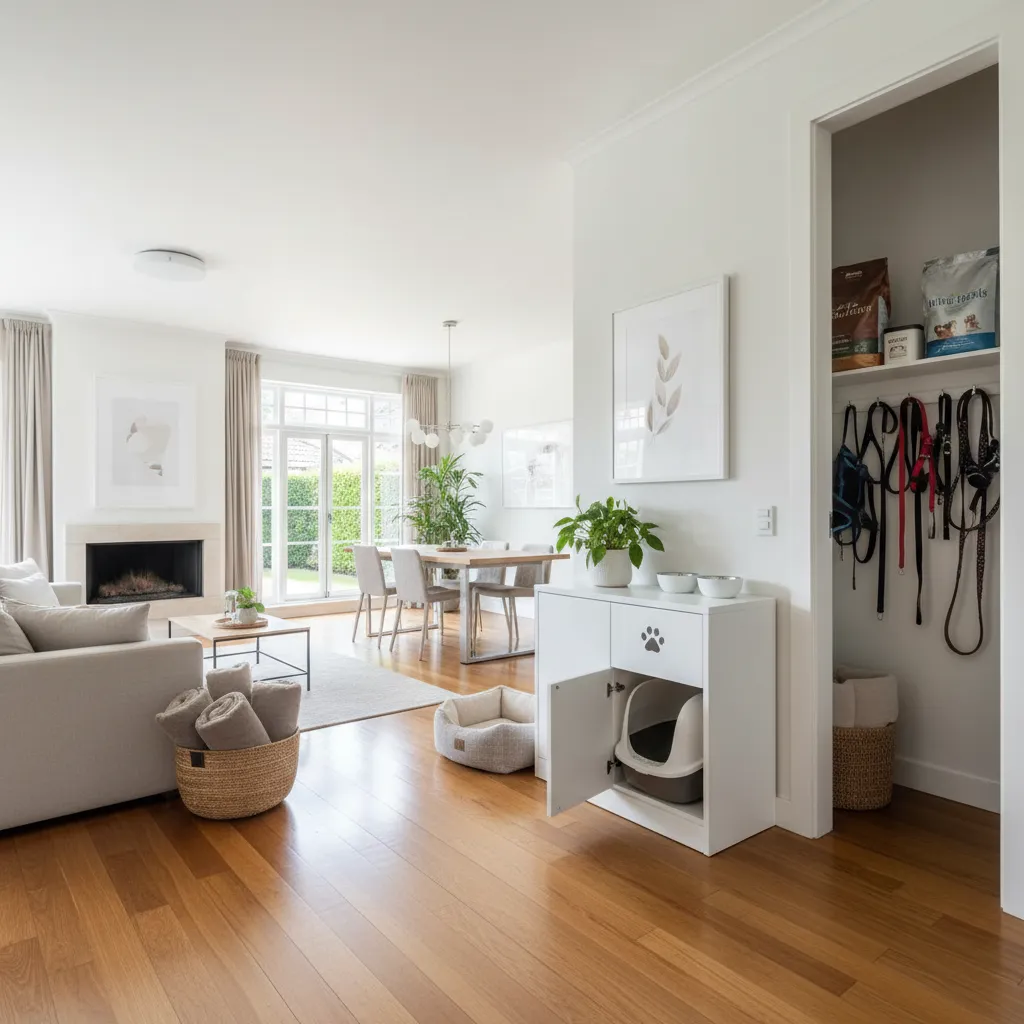
A consistent cleaning schedule is the cornerstone of responsible pet ownership in a rental. Beyond daily tidying, schedule weekly deep cleans focusing on pet-related areas. This includes scrubbing floors, wiping down surfaces, and cleaning pet accessories. Documenting your maintenance efforts through photos or a logbook can be useful. Proactively addressing any minor damage immediately, rather than letting it escalate, demonstrates your commitment to the property. Reviewing your tenancy agreement’s pet clauses (if any) will help you understand specific expectations. Tenancy Services NZ provides valuable information on landlord and tenant responsibilities regarding pets.
Minimizing Damage and Mess: Proactive Strategies for Pet Owners
Preventing damage and mess goes beyond reactive cleaning; it involves understanding pet behaviour and implementing proactive measures to ensure a harmonious living situation for everyone.
Training and Behavioural Management
Well-trained pets are less likely to cause damage. Invest time in basic obedience training for dogs, focusing on commands like ‘stay’, ‘leave it’, and ‘go to your bed’. For puppies, crate training can be invaluable for house-training and preventing destructive chewing. Cats can be trained to use scratching posts by rewarding them when they do. Consistency is key, and positive reinforcement methods are most effective. If your pet exhibits persistent behavioural issues like excessive chewing, scratching, or house-soiling, consider consulting a professional pet behaviourist or your veterinarian.
Providing Adequate Enrichment
A bored pet is often a destructive pet. Ensure your animal companions receive sufficient physical exercise and mental stimulation. For dogs, this means daily walks, playtime, and puzzle toys. For cats, provide climbing structures, interactive toys, and regular play sessions. Enrichment helps channel natural behaviours in appropriate ways, reducing the likelihood of them chewing on furniture, scratching carpets, or engaging in other destructive activities out of boredom or frustration. Rotating toys can keep them novel and engaging for longer.
Addressing Separation Anxiety
Separation anxiety is a common issue for pets, especially dogs, and can lead to significant property damage, excessive barking, and house-soiling when left alone. Symptoms include destructive chewing, scratching at doors/windows, incessant barking, or inappropriate urination/defecation. If you suspect your pet has separation anxiety, consult your vet or a certified professional dog trainer. Management strategies can include gradual desensitisation, providing engaging toys before you leave, and sometimes medication in severe cases. Creating a comfortable and safe ‘den’ for your pet can also help.
Utilising Pet-Specific Products and Barriers
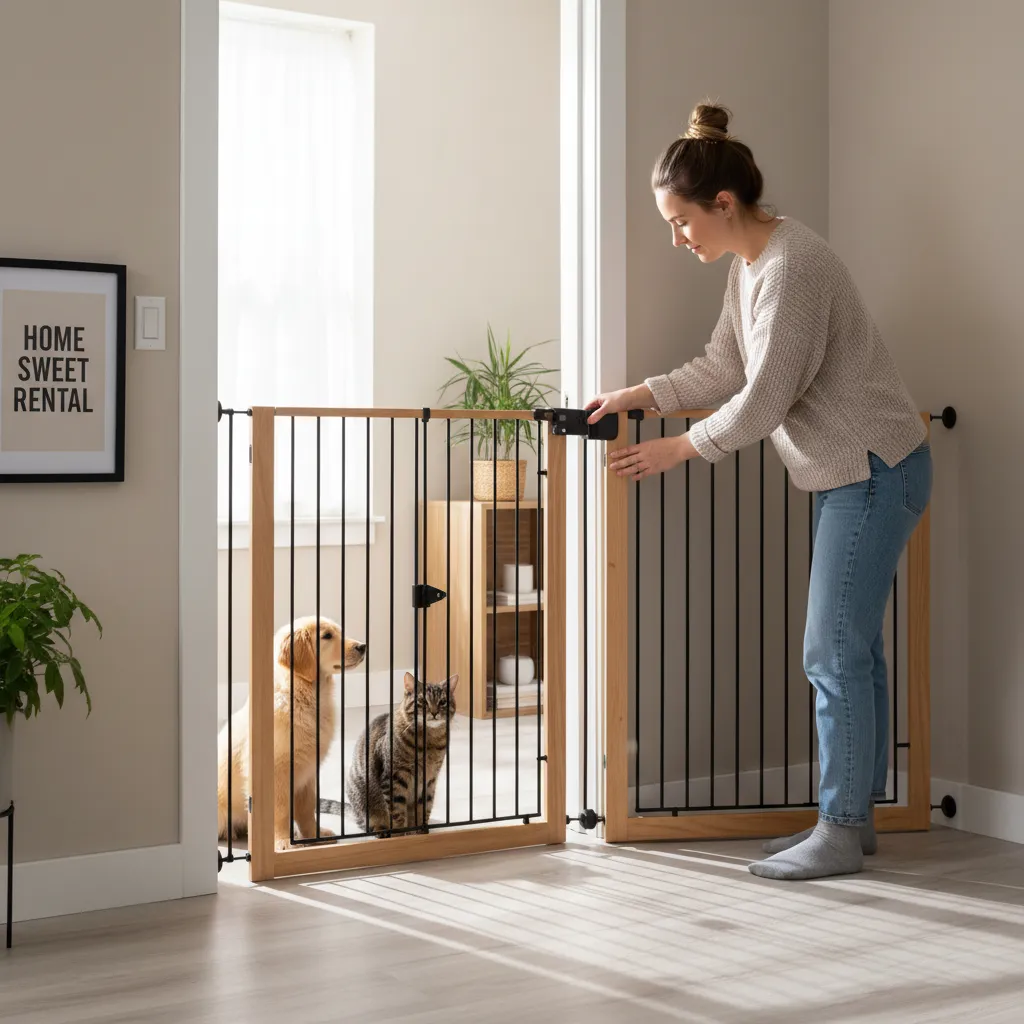
The market offers numerous products to assist with pet-proofing. Pet gates can restrict access to certain rooms. Scat mats or motion-activated deterrents can be used temporarily to keep pets off specific furniture or out of forbidden areas. Furniture protectors, like corner guards or anti-scratch tape for cats, can offer targeted protection. Invest in high-quality, durable pet beds and toys that can withstand chewing and scratching. Using a robust, spill-proof pet bowl with a mat underneath can prevent water damage to floors. SPCA New Zealand offers resources on responsible pet care, including advice on managing pet behaviour and ensuring their welfare.
Creating a pet-safe rental environment in NZ is a commitment, but one that richly rewards both pet and owner. By implementing these strategies, you can ensure your beloved companion is safe, your rental property remains in excellent condition, and your relationship with your landlord thrives. Responsible pet ownership is key to expanding pet-friendly rental options for everyone.
People Also Ask
Can a landlord refuse pets in NZ?
In New Zealand, landlords generally have the right to refuse pets in their rental properties. However, recent changes in tenancy laws encourage landlords to consider requests for pets and not unreasonably decline them. Tenants should always seek written permission and discuss pet policies upfront, potentially offering a pet agreement or bond.
What are common pet-proofing measures for renters?
Common pet-proofing measures for renters include securing toxic substances, covering electrical cords, installing pet gates, protecting furniture with slipcovers, using durable floor coverings or mats, and ensuring windows/balconies are safe. Outdoor areas also require secure fencing to prevent escapes.
How can I protect my rental carpet from pet damage?
To protect rental carpets from pet damage, use waterproof mats or rugs in high-traffic areas and under food/water bowls. Regular cleaning, immediate stain removal, and providing appropriate scratching posts for cats are essential. Training pets to use designated outdoor areas for toileting also significantly helps.
What legal responsibilities do pet owners have in NZ rentals?
Pet owners in NZ rentals are legally responsible for any damage caused by their pets beyond normal wear and tear. This includes ensuring their pet does not cause nuisance to neighbours, maintaining hygiene, and adhering to local council bylaws regarding pet ownership. A written pet agreement is highly recommended.
How do I remove pet odours from a rental property?
Removing pet odours involves thorough cleaning. Use enzymatic cleaners on carpets and upholstery, ventilate rooms regularly, wash all textiles (curtains, bedding), and clean hard surfaces with appropriate disinfectants. Baking soda can absorb odours, and air purifiers can help improve air quality. Professional cleaning may be necessary for stubborn odours.
Are there specific pet clauses landlords can include in NZ tenancy agreements?
Yes, landlords in NZ can include specific pet clauses in tenancy agreements, provided they are fair and compliant with tenancy law. These clauses often cover the type and number of pets, requirements for flea treatment, expectations for noise control, responsibility for damage, and sometimes an additional pet bond or cleaning requirements at the end of the tenancy.