To create a pet profile for rehoming that secures a safe future, you must combine clear, high-resolution photos with a transparent biography detailing the pet’s personality, medical history, and behavioral quirks. This holistic approach filters for suitable adopters and minimizes the risk of the animal being returned.
The Power of a Great Profile in Ethical Rehoming
Making the decision to rehome a beloved pet is arguably one of the most difficult choices a pet owner will ever face. In New Zealand, where the bond between humans and animals is deeply cherished, the goal of home-to-home rehoming is to bypass the stress of shelter environments entirely. By facilitating a direct transfer from one loving home to another, we reduce trauma for the animal and alleviate pressure on overburdened rescue organizations.
However, the success of this process hinges almost entirely on one thing: the quality of the pet profile. When you create a pet profile for rehoming, you are essentially acting as your pet’s marketing manager, advocate, and biographer. A generic profile often leads to generic inquiries—or worse, silence. Conversely, a compelling, detailed, and honest profile attracts serious adopters who have already self-selected as a good match for your specific animal.
Your goal is not just to find any home, but the right home. Whether you are rehoming a high-energy working dog or a senior cat who needs a quiet lap, the profile is the bridge between your pet’s past and their future. It is the tool that transforms a stranger scrolling through a webpage into a committed adopter ready to open their heart.
The Foundation: Essential Information to Include
Before diving into the creative writing aspect, you must establish the facts. Adopters look for specific criteria to determine if a pet fits their lifestyle. Missing information can be a red flag, suggesting that the current owner is hiding something or is not invested in the process.
The Non-Negotiable Statistics
Start with the clear, hard facts. This section should be easy to scan. Include:
- Name: Even if the new owner changes it, it humanizes the animal.
- Age: Be specific. “2 years and 3 months” is better than “Young.”
- Breed/Mix: Be honest. If you don’t know, say “Mixed Breed” and describe the physical traits.
- Size/Weight: Crucial for renters or those with small properties.
- Sex: Male or Female.
- Location: Town or Region (e.g., Waikato, Canterbury).
Health and Medical Status
Transparency regarding health is vital for ethical rehoming. You must clearly state the desexing status. In New Zealand, responsible rehoming almost always requires the animal to be desexed prior to placement to prevent unwanted litters. Additionally, list current vaccination status, flea/worming schedules, and any known medical conditions.
If the pet has a chronic condition (like diabetes or arthritis), do not hide it. Instead, explain how it is managed. For example: “Mittens requires a daily insulin injection, which she accepts easily with a treat.” This filters out people who cannot manage the care while attracting those who are willing to provide it.

Crafting the Narrative: Highlighting Personality
Once the statistics are established, you need to capture the spirit of the animal. This is where you move from a clinical description to a compelling story.
The Opening Hook
Start with a strong opening sentence that summarizes the pet’s essence. Avoid clichés like “loves cuddles” if possible. Instead, try something specific: “Rex is a beach-loving adventurer who thinks he is a lap dog despite weighing 30kg.”
A Day in the Life
Describe what living with this pet actually looks like. Adopters want to visualize the animal in their home. Cover these bases:
- Energy Level: Is this a dog that needs a 5km run every morning, or a cat that sleeps 20 hours a day?
- Social Skills: How do they react to strangers? Do they bark at the postie? Are they shy at first but warm up later?
- Compatibility: This is critical. Be explicit about how they interact with children, other dogs, cats, and livestock.
The “X” Factor
What makes your pet special? Maybe your cat plays fetch, or your dog “sings” when the ambulance goes past. These little details foster an emotional connection. They turn a “dog” into an individual with a personality. Adopters often fall in love with the quirks before they even meet the animal.
The Importance of Radical Honesty
One of the core tenets of ethical home-to-home rehoming is preventing the cycle of abandonment. This is achieved through radical honesty. It can be tempting to gloss over behavioral issues to “sell” the pet, but this is dangerous and unfair to both the animal and the adopter.
If your dog has separation anxiety, resource guarding issues, or is reactive on a leash, you must disclose it. However, the way you frame it matters. Instead of saying “He is aggressive,” try: “He is protective of his food bowl and needs to be fed separately from other pets to feel safe.”
Being honest about needs and quirks ensures that the new home is prepared. If a family adopts a dog thinking it is great with kids, only to find out it nips when startled, the dog will likely be returned or surrendered to a shelter, causing significant trauma. According to Companion Animals NZ, behavioral issues are a leading cause of surrender; accurate profiles help mitigate this by ensuring the right match from the start.
Visual Storytelling: Taking Irresistible Photos and Videos
In the digital age, humans are visual creatures. A blurry, dark photo of a dog in a messy room will be scrolled past, regardless of how amazing the biography is. You do not need a professional camera; a modern smartphone is sufficient if you follow these rules.
Lighting is Everything
Natural light is your best friend. Never use the flash—it causes “green eye” in animals and washes out their fur color. Take photos outside on an overcast day (soft light) or indoors near a large window. Avoid direct, harsh midday sun which creates heavy shadows.
Get on Their Level
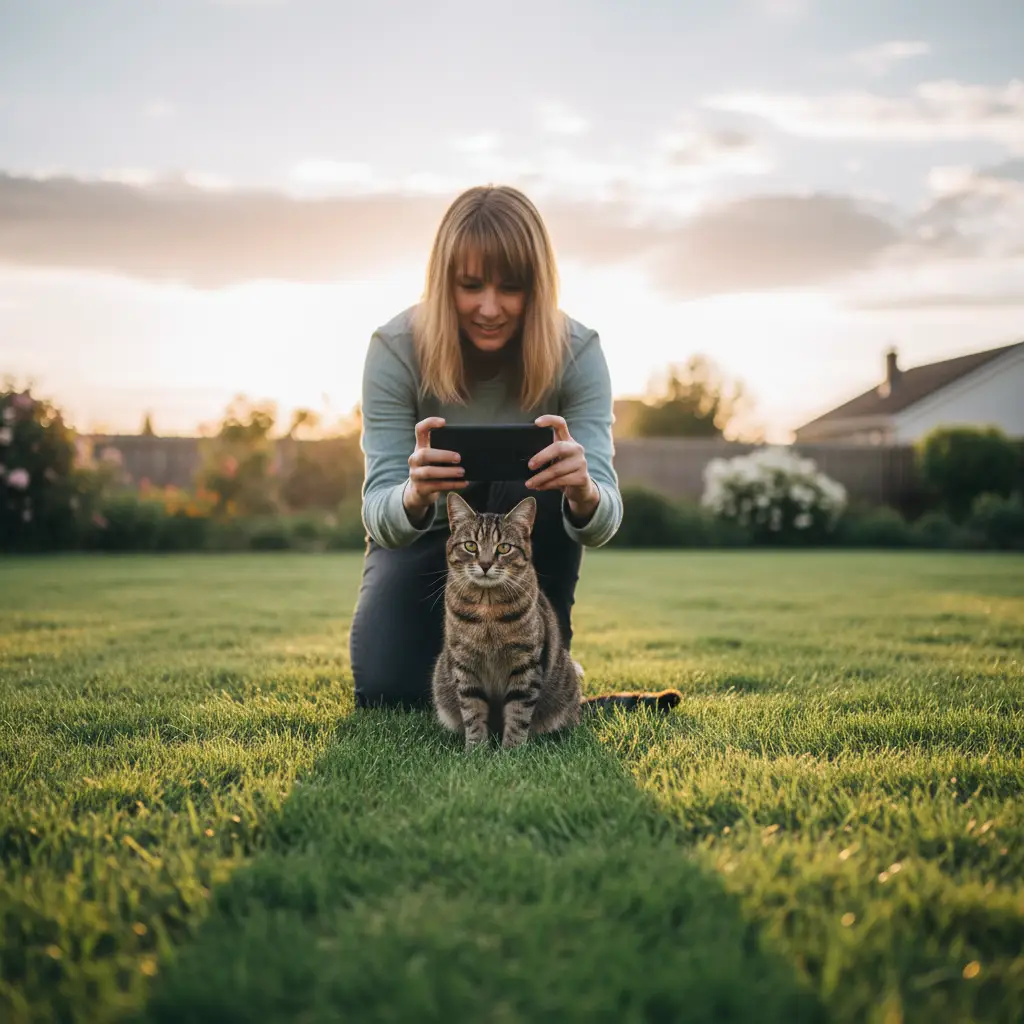
Do not take photos standing up, looking down at the pet. This makes them look small and distant. Crouch down, kneel, or lie on the grass so your camera lens is at their eye level. This perspective creates intimacy and allows the adopter to connect with the animal’s eyes.
The Power of Video
A 30-second video can communicate more than 20 photos. Film the pet doing what they love—playing fetch, purring while being petted, or performing a trick. Video proves that the animal is mobile, healthy, and friendly. It also allows you to showcase their size and movement accurately.
Sample Profiles and Templates
Staring at a blank screen can be daunting. Use these templates as a starting point, but customize them heavily to reflect your pet’s reality.
Template: The Active Family Dog
Headline: Meet Barnaby – The Ultimate Hiking Buddy Looking for His Next Adventure!
The Basics: Border Collie Mix | 4 Years Old | Desexed | Christchurch
His Story: Barnaby is a brainy, high-energy boy who lives for the ball. He knows all his basic commands (sit, stay, heel) and has mastered a few party tricks like ‘roll over’ and ‘high five’. He is incredibly loyal and bonds deeply with his humans.
Ideal Home: Barnaby needs a home where he isn’t left alone for long periods, as he gets bored easily. He would thrive on a lifestyle block or with an active runner. He is great with other dogs but finds cats a bit too exciting to chase, so a feline-free home is best. Great with kids over 10 who can throw a ball!
Why Rehoming: Due to a change in working hours, we can no longer give Barnaby the exercise he deserves.
Template: The Quiet Companion Cat
Headline: Luna – A Gentle Soul Seeking a Sunny Windowsill
The Basics: Domestic Short Hair | 8 Years Old | Desexed | Auckland
Her Story: Luna is a ‘secretary cat’—she loves to supervise your work from a nearby chair. She isn’t a lap cat, but she will always be in the same room as you. She is independent, litter-trained, and has impeccable house manners.
Ideal Home: Luna is shy around loud noises and sudden movements, so she is looking for a quiet home without young children or boisterous dogs. She would be the perfect companion for a retired couple or a single professional.
Optimizing for the New Zealand Market
When you create a pet profile for rehoming in New Zealand, there are specific logistical factors to consider that will help smooth the process.
Addressing the Rental Crisis
New Zealand has a high population of renters, and finding pet-friendly rentals is notoriously difficult. If your pet has a “Pet CV” or references from previous landlords stating they caused no damage, mention this! It is a huge selling point. You can learn more about creating Pet CVs for tenancy applications via Tenancy Services.
Microchip Transfers
Remind potential adopters that the pet is microchipped and registered on the New Zealand Companion Animal Register (NZCAR). Mentioning that you will facilitate the transfer of ownership on the registry adds a layer of professionalism and reassurance that this is a legitimate, ethical rehoming situation.
By following these guidelines, you move beyond simply posting a “free to good home” ad. You create a comprehensive, honest, and attractive profile that honors your pet and ensures they land in a home where they will be loved, understood, and safe for the rest of their lives.
Frequently Asked Questions
What is the most important thing to include in a pet rehoming profile?
Honesty regarding behavioral and medical needs is the most important element. While cute photos attract attention, transparency about issues like separation anxiety or incompatibility with children ensures the pet goes to a home that can actually manage their needs, preventing future returns.
How many photos should I include in a rehoming profile?
Aim for 5 to 10 high-quality photos. Include a clear headshot, a full-body shot standing up, a photo of them relaxing, and images showing them interacting with people or other pets. A short video is also highly recommended to show their movement and temperament.
Should I mention why I am rehoming my pet?
Yes, you should briefly explain the reason for rehoming. Adopters are often suspicious that the pet is being rehomed due to bad behavior. Clarifying that it is due to housing changes, financial hardship, or health issues helps build trust and assures the adopter that the pet is not at fault.
How do I write a profile for a dog with behavioral issues?
Focus on the environment the dog needs to succeed rather than just listing faults. Instead of saying “hates kids,” say “needs an adult-only home where he can have his own space.” Be specific about triggers and what management strategies have worked for you in the past.
Is it safe to rehome a pet online in New Zealand?
Yes, if done through reputable home-to-home platforms or well-moderated groups. Always vet potential adopters by asking for vet references, landlord permission (if renting), and conducting a meet-and-greet before finalizing the adoption. Avoid handing over pets to the first responder without screening.
What details help a pet get adopted faster?
Details about training and house manners help pets get adopted faster. Mentioning that a dog is toilet trained, crate trained, or good on a leash, or that a cat is litter trained and doesn’t scratch furniture, removes anxiety for the new owner and makes the pet more appealing.