Puppy socialization in NZ refers to the crucial process of exposing young puppies to a wide variety of positive experiences, people, places, and other animals during their critical developmental period, typically between 3 and 16 weeks of age. This foundational process, coupled with early training, is essential for fostering a confident, well-adjusted adult dog capable of navigating diverse environments successfully.
The Profound Impact of Early Life Experiences on Puppies and Kittens
The first few weeks and months of a puppy or kitten’s life are undeniably the most critical for their social, emotional, and behavioral development. Much like humans, these young animals are highly impressionable during this formative period, absorbing information and forming perceptions that will profoundly influence their adult personalities and their ability to cope with the world around them. Neglecting this crucial window can lead to a host of behavioral issues, ranging from fear and anxiety to aggression, making the pet’s life, and that of their guardians, significantly more challenging. Conversely, providing a rich, varied, and positive early environment sets the stage for a resilient, friendly, and adaptable companion.
The Critical Socialization Window
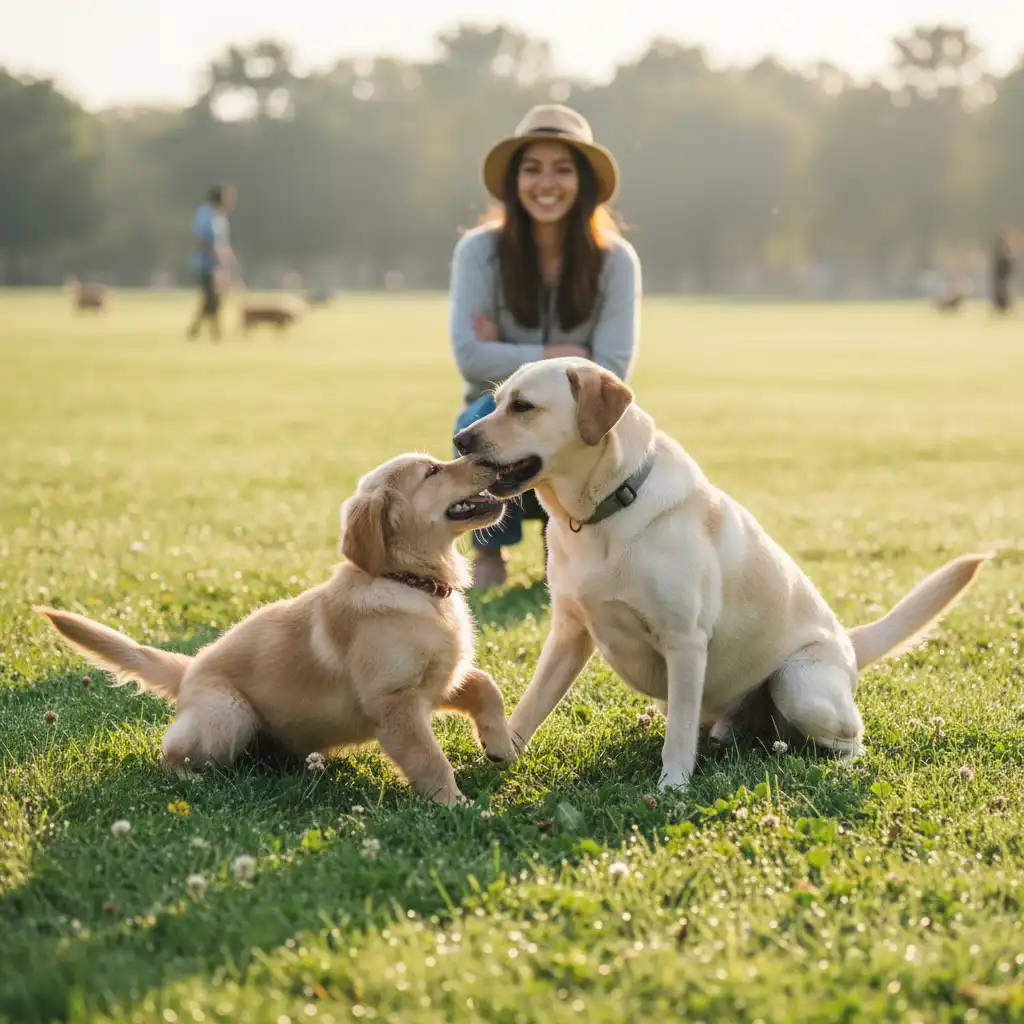
For puppies, this window typically spans from 3 to 16 weeks of age. During this time, their brains are rapidly developing, and they are incredibly receptive to new experiences. Positive encounters with different sights, sounds, smells, textures, people (of all ages and appearances), other friendly vaccinated dogs, and various environments are vital. For kittens, the critical period is slightly earlier, generally from 2 to 7 weeks. While short, this period is equally important for their comfort around humans, handling, and adapting to a domestic environment. Exposing them gently and positively to everyday household noises, gentle handling, and various family members ensures they grow into confident, affectionate cats rather than fearful or skittish ones.
Exposure vs. Overwhelm: Finding the Balance
While broad exposure is necessary, it’s imperative to introduce new stimuli in a controlled, positive, and non-overwhelming manner. The goal is to build positive associations, not to create fear. For example, when introducing a puppy to a new sound like a vacuum cleaner, start with the vacuum far away and reward calm behavior, gradually moving closer over time. Similarly, introducing a kitten to a new person should be done quietly, allowing the kitten to approach on its own terms, perhaps enticed by a treat or toy. Always observe your pet’s body language; signs of stress (tail tucked, ears back, lip licking, cowering) mean you need to reduce the intensity or remove them from the situation. Short, positive interactions are far more beneficial than long, stressful ones.
Benefits of Early Positive Experiences
The investment in early socialization yields immense long-term benefits. Well-socialized pets are typically more confident, less prone to fear-based aggression or anxiety, and better equipped to handle new situations, changes in routine, and interactions with strangers or other animals. This confidence translates into a more relaxed household, fewer behavioral problems, and a stronger, more joyful bond between pet and owner. They are also less likely to develop destructive habits stemming from boredom or stress. Furthermore, a well-adjusted pet is often easier to take to the vet, groomer, or even on trips, making them a more integrated and valued member of the family.
Navigating Puppy Preschool and Kitten Classes in New Zealand
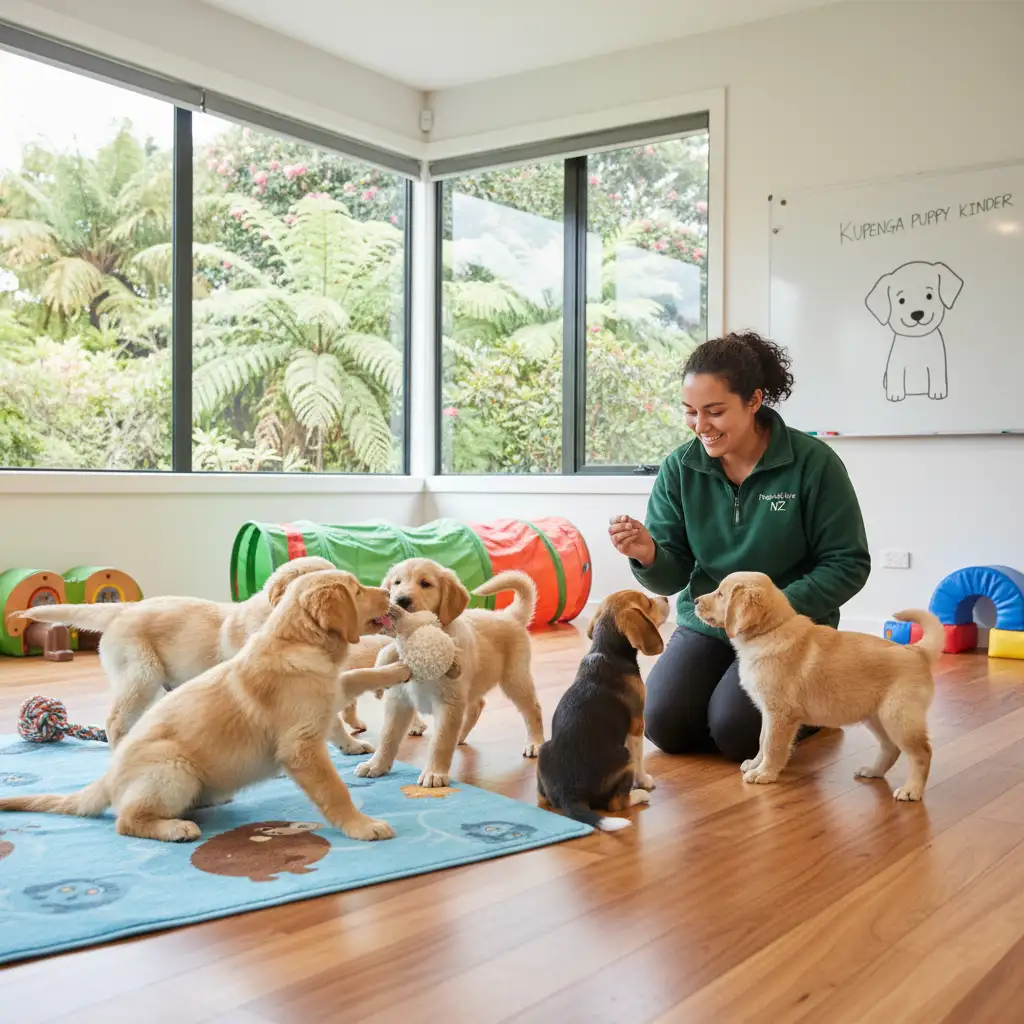
Once you welcome a new puppy or kitten into your home, enrolling them in specialized classes designed for their age group is one of the most proactive steps you can take for their future well-being. In New Zealand, reputable veterinary clinics, pet stores, and dedicated training facilities offer such programs, specifically tailored to the unique developmental needs of young animals. These classes provide a structured, safe, and expert-guided environment for socialization and the first steps in training, complementing the efforts you make at home.
What to Expect from a Quality Puppy Preschool
A high-quality puppy preschool in NZ typically focuses on safe, supervised play with other puppies of similar age and size, fostering appropriate canine social skills. Crucially, these classes also expose puppies to various people, sounds, and objects in a positive way. Beyond socialization, a good preschool introduces basic obedience cues like ‘sit’, ‘stay’, ‘come’, and ‘leave it’, often using positive reinforcement methods. Owners also learn about common puppy issues such as house training, nipping, and chewing, and receive guidance on nutrition, health, and responsible pet ownership. It’s an invaluable opportunity to ask questions and learn from experienced trainers, often certified professionals. Look for classes that require proof of vaccination and offer small class sizes for individualized attention. For more information on finding a good trainer, you might consult resources like the SPCA New Zealand website.
The Value of Kitten Socialization Classes
While perhaps less common than puppy preschools, kitten socialization classes are gaining recognition for their immense benefits. These classes typically cater to kittens between 8 and 14 weeks of age, focusing on gentle handling, positive interaction with strangers, desensitization to common sounds and carriers, and appropriate play with other kittens. They help prevent common feline behavioral problems like fear of visitors, aggression towards other cats, or litter box issues. Owners receive practical advice on enriching their kitten’s environment, understanding feline body language, and managing scratching or biting. These classes are particularly beneficial for kittens from less social backgrounds, helping them adapt to a loving home environment.
Choosing the Right Class for Your Pet
When selecting a puppy or kitten class in New Zealand, several factors are paramount. Firstly, ensure the facility and trainers use only positive reinforcement methods (treats, praise, play) and avoid any harsh or aversive techniques. Secondly, check the trainer’s qualifications and experience; reputable trainers often have certifications from recognized bodies. Thirdly, inquire about class size; smaller classes allow for more personalized attention. Crucially, ensure that all participating animals are up-to-date on their vaccinations to prevent the spread of illness. Finally, observe a class before enrolling if possible, to gauge the atmosphere and teaching style. A good class should be fun, engaging, and stress-free for both pets and owners, creating a foundation for a lifetime of learning.
Essential Basic Obedience Training Techniques for Young Pets
Beyond socialization, early obedience training is crucial for establishing clear communication and boundaries with your puppy or kitten. Training isn’t just about teaching tricks; it’s about building a language that allows you to guide your pet, ensure their safety, and strengthen your bond. Starting training early, while your pet is still highly adaptable and eager to learn, will yield the best results and prevent unwanted behaviors from becoming ingrained habits. Consistency, patience, and positive reinforcement are the pillars of successful early training.
Positive Reinforcement: The Cornerstone of Training
The most effective and humane way to train young animals is through positive reinforcement. This involves rewarding desired behaviors with something your pet values – treats, praise, toys, or a favorite activity. For example, when your puppy sits, immediately say “Good sit!” and give a small, high-value treat. This teaches them to associate the action with a positive outcome, making them more likely to repeat it. Avoid punishment, scolding, or physical corrections, as these can create fear, anxiety, and can damage your relationship with your pet, potentially leading to aggression or avoidance behaviors. Keep training sessions short (5-10 minutes), frequent, and fun, ending on a positive note.
Key Commands for Puppies and Kittens
For puppies, focus on foundational commands like ‘Sit’, ‘Stay’, ‘Come’ (recall), ‘Down’, and ‘Leave It’. ‘Come’ is particularly vital for safety, teaching your puppy to return to you reliably. For kittens, while formal obedience may differ, they can certainly learn cues. Teach ‘Come’ by calling their name and shaking a treat bag, rewarding them when they approach. ‘Sit’ can often be taught by luring them with a treat. They can also learn ‘Stay’ for short periods and to respond to their name. Beyond specific commands, teaching them to accept handling (for nail trims, vet visits) and to walk on a leash (for puppies) are practical skills that will serve them throughout their lives.
House Training and Litter Box Acclimation
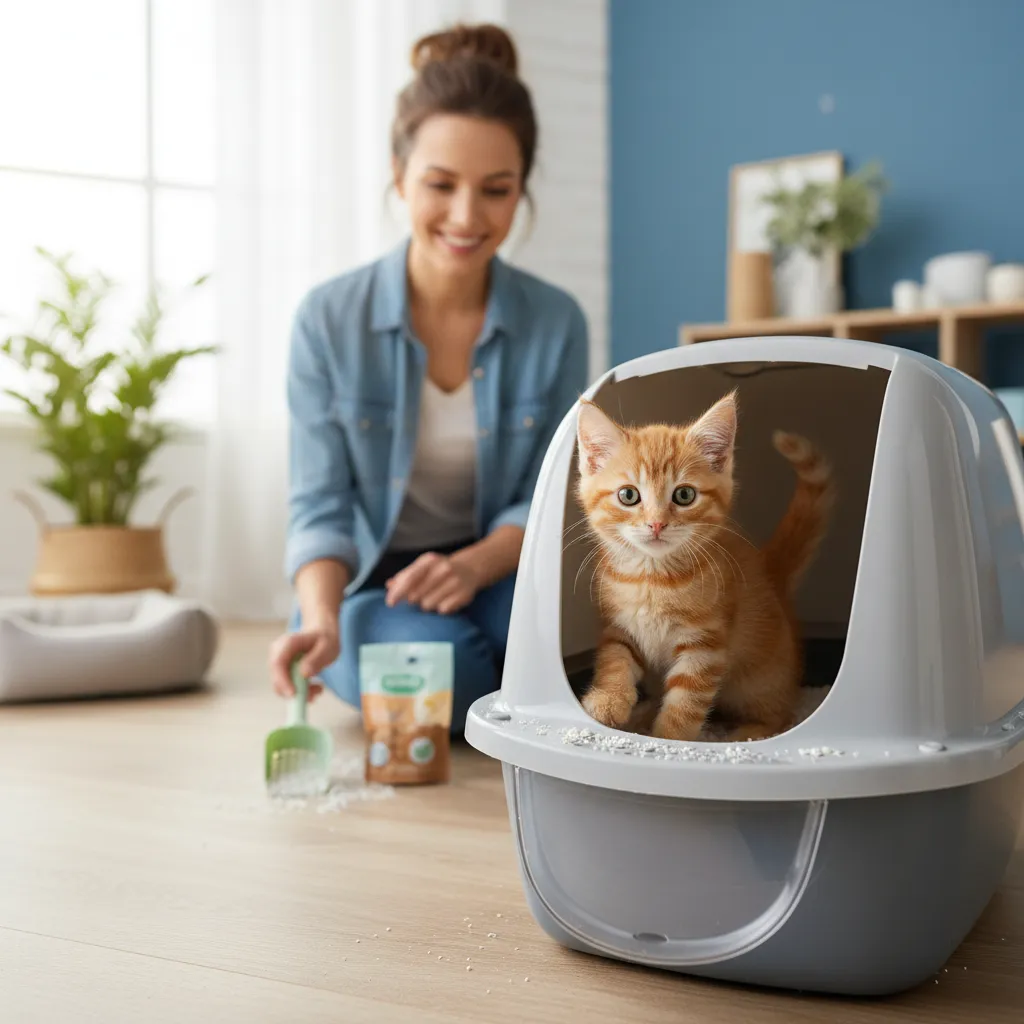
House training a puppy requires consistency and patience. Establish a regular potty schedule (first thing in the morning, after meals, after waking from naps, before bedtime), taking them to a designated outdoor spot. Reward immediately when they eliminate in the correct place. Crate training can be an invaluable tool, as most puppies are reluctant to soil their sleeping area. For kittens, litter box training is generally more intuitive. Provide multiple clean litter boxes in quiet, accessible locations. Experiment with different types of litter if your kitten is particular. Immediately place your kitten in the litter box after waking or eating, and gently scratch their paws in the litter to help them understand its purpose. Always clean accidents thoroughly with an enzymatic cleaner to remove odors that might attract them back to the same spot.
Proactive Strategies for Preventing Common Behavioral Problems
Many common behavioral issues in adult pets stem from a lack of appropriate early socialization, training, or environmental enrichment. By being proactive during their critical developmental stages, you can significantly reduce the likelihood of these problems arising, ensuring your pet grows into a well-behaved and harmonious member of your family. Prevention is always easier and more effective than trying to correct deeply ingrained behaviors later on.
Addressing Nipping, Biting, and Scratching
Puppies explore the world with their mouths, and play-nipping is normal. However, it’s crucial to teach bite inhibition early. When your puppy bites too hard, yelp loudly (like a littermate would), and immediately withdraw attention for a short period (10-20 seconds). If the behavior persists, redirect them to an appropriate chew toy. Never use your hands as toys. For kittens, scratching is a natural behavior. Provide multiple scratching posts (vertical and horizontal, different materials) and encourage their use with catnip or by playing near them. Gently redirect scratching from furniture to posts. Use similar techniques for play-biting in kittens: withdraw attention or redirect to a toy when they bite too hard.
Managing Separation Anxiety
To prevent separation anxiety, avoid making a big fuss when leaving or returning. Practice short departures, gradually increasing the time you are away. Provide engaging puzzle toys or long-lasting chews when you leave to create a positive association with your absence. Ensure your puppy or kitten has a comfortable, safe den or crate. Never leave them alone for excessively long periods, especially when young. Building independence early by encouraging them to play or rest quietly on their own, even when you are home, can also be beneficial.
Preventing Resource Guarding and Fear-Based Aggression
Resource guarding (protecting food, toys, or resting spots) can be prevented by making positive associations with people approaching valued items. While your puppy is eating, gently drop extra tasty treats into their bowl. Practice trading toys: offer a high-value treat in exchange for a toy, then give the toy back. This teaches them that people approaching their resources can lead to good things. Fear-based aggression is best prevented through extensive positive socialization during the critical window, as discussed earlier. If you notice signs of fear or aggression, consult a certified professional dog or cat behaviorist immediately. Do not attempt to punish fear or aggression, as this can escalate the problem.
The Role of Enrichment and Exercise
A mentally stimulated and physically exercised pet is a happy pet, less likely to develop destructive behaviors out of boredom or pent-up energy. Provide a variety of safe toys, rotate them to keep them interesting, and use puzzle feeders to make meal times engaging. Daily walks (for puppies after full vaccination), play sessions, and opportunities to explore safely are vital. For kittens, interactive play with wand toys mimics hunting and provides essential mental and physical stimulation. Adequate exercise tailored to their age and breed prevents issues like excessive barking, chewing, or destructive scratching, channeling their natural instincts into appropriate outlets. Regular exercise also contributes to their overall health and well-being, fostering a balanced temperament.
By embracing early socialization and consistent, positive training from the moment you bring your new companion home, you lay the groundwork for a lifetime of joy and companionship. The effort invested in these formative months will pay dividends in the form of a confident, well-adjusted, and happy pet, deeply integrated into your family life here in New Zealand.
People Also Ask
What age should a puppy start socialization in NZ?
Puppies in New Zealand should ideally begin socialization as early as 3 weeks of age, continuing intensely until around 16 weeks. This critical period is when they are most receptive to learning about the world and forming positive associations with new experiences, people, and other friendly, vaccinated dogs. Early exposure in a safe and controlled manner is key.
Are puppy classes worth it in New Zealand?
Yes, puppy classes are highly recommended and very much worth it in New Zealand. They provide a structured, safe environment for puppies to socialize with their peers, learn basic obedience commands using positive reinforcement, and for owners to gain valuable insights into puppy behavior and training from experienced professionals. This investment sets a strong foundation for a well-adjusted adult dog.
How do I socialize my puppy before it’s fully vaccinated in NZ?
Before full vaccination, prioritize safe socialization environments. This includes inviting vaccinated, healthy adult dogs or people to your home, carrying your puppy in public (e.g., in a sling or carrier) to expose them to sights and sounds without direct ground contact, and enrolling in reputable puppy preschools that require proof of vaccination and maintain high hygiene standards. Avoid dog parks or areas with high dog traffic until fully vaccinated.
Can I socialize an older puppy or adult dog?
Yes, while the critical socialization window closes around 16 weeks for puppies, socialization is a lifelong process. Older puppies and adult dogs can certainly learn to be more comfortable and confident with new experiences, but it may take more time, patience, and a different approach, often requiring the guidance of a professional trainer or behaviorist. Focus on positive, controlled introductions and desensitization.
What is the best way to train a kitten?
The best way to train a kitten is through positive reinforcement, using treats, praise, and play to reward desired behaviors. Start early with litter box training, gentle handling, and accustoming them to everyday sounds. You can also teach basic cues like ‘come’ or respond to their name. Ensure you provide plenty of enrichment, scratching posts, and interactive play to meet their natural needs and prevent behavioral issues.
How many times a day should I train my puppy or kitten?
For optimal learning, train your puppy or kitten in short, frequent sessions throughout the day, rather than one long session. Aim for 3-5 sessions, each lasting only 5-10 minutes. Young animals have short attention spans, so keeping training fun and brief will maximize their engagement and retention, making the learning process a positive experience for both of you.