Selling a dog online in New Zealand carries significant risks, including exposing the animal to dog fighting rings, backyard breeders, and animal abusers. Without proper vetting, home checks, and desexing contracts, pets sold on platforms like TradeMe or social media often face neglect, exploitation, or resale for profit (flipping), making ethical rehoming through registered charities the safer alternative.
Rehoming a beloved pet is one of the most heart-wrenching decisions an owner can face. Whether due to financial hardship, housing changes, or behavioral issues, the decision is rarely taken lightly. In the digital age, the immediate impulse is often to list the animal on popular New Zealand platforms like TradeMe or community Facebook groups. While these platforms offer convenience and reach, they are fraught with hidden dangers that many well-meaning owners fail to anticipate.
The internet provides anonymity for individuals with malicious intent. Unlike registered shelters that have rigorous vetting protocols, an online listing is essentially an open door for anyone with a convincing story and cash in hand. This guide explores the critical safety risks associated with selling dogs online in NZ and provides a comprehensive framework for ethical rehoming to ensure your pet remains safe, loved, and protected.
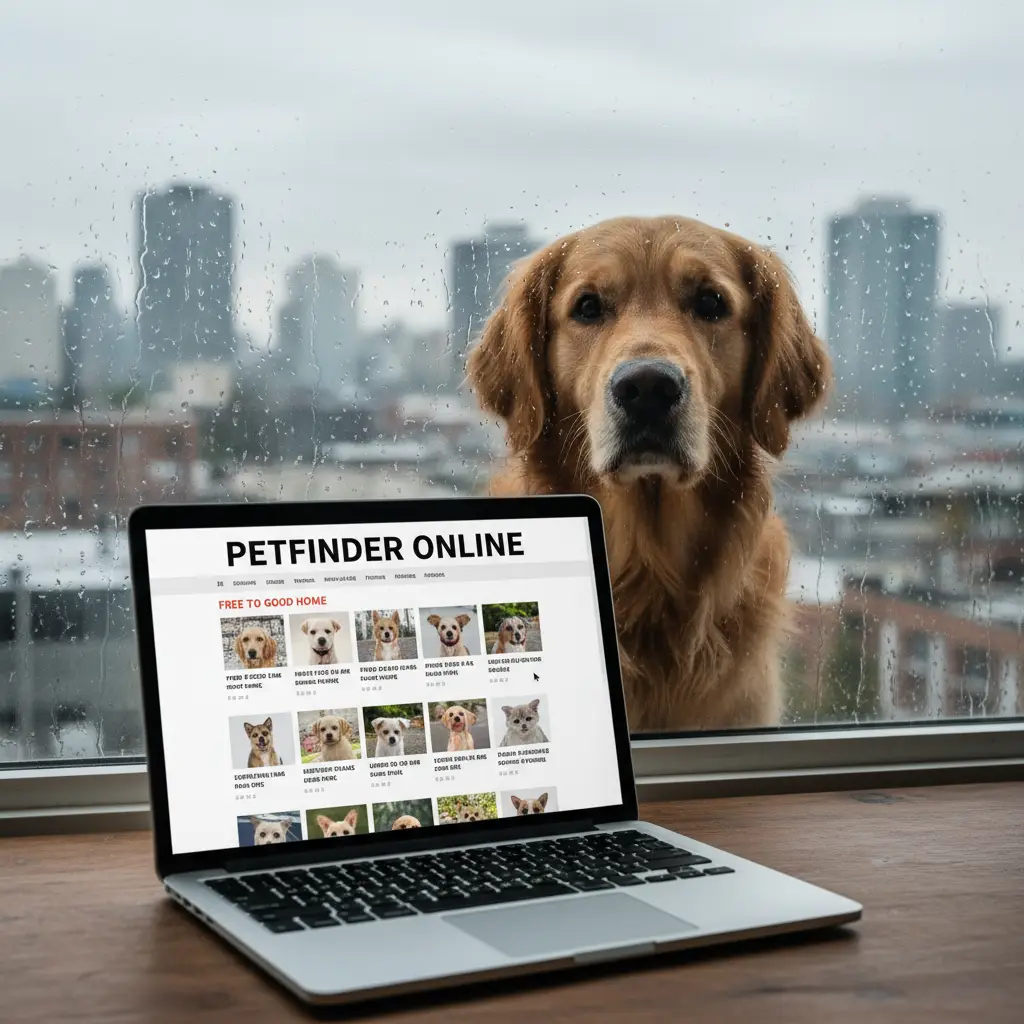
The Reality of Online Pet Sales in New Zealand
In New Zealand, the landscape of pet trading is dominated by a few key players, primarily TradeMe and social media giants like Facebook. While TradeMe has implemented specific policies regarding animal welfare—such as banning the sale of certain breeds and requiring code of welfare compliance—it remains a marketplace driven by profit and transaction speed, not animal advocacy.
Facebook presents an even more complex challenge. Although Facebook’s commerce policies technically ban the sale of live animals, these rules are easily circumvented. Users frequently post animals as “free to a good home” or ask for a “rehoming fee” to bypass algorithms. These unregulated channels lack the oversight found even on TradeMe. There is no seller verification, no feedback history, and no recourse if the “adopter” turns out to be an abuser.
The core issue is that online marketplaces treat sentient beings as commodities. When a dog is listed next to used furniture and electronics, the psychological barrier for acquisition is lowered. Impulse buying becomes rampant, leading to a cycle of abandonment where dogs are purchased on a whim and discarded just as quickly when the reality of ownership sets in.
Major Risks of Selling Your Dog Online
When you list a dog online, you lose control over who sees that listing. The risks involved are not merely hypothetical; they are documented realities faced by animal welfare inspectors and rescue organizations across New Zealand. Understanding these risks is the first step in preventing a tragedy.
Dog Fighting and Bait Animals
It is an uncomfortable truth, but organized dog fighting exists in New Zealand. Perpetrators of this blood sport are constantly seeking “bait dogs”—animals used to train fighting dogs to kill. These individuals scour “free to good home” ads or listings for cheap dogs. They look for submissive breeds to be used as bait or powerful breeds to be trained for fighting. These buyers are often charming, arriving in pairs or with children to appear as a wholesome family, only to subject the animal to a horrific death shortly after acquisition.
Backyard Breeders and Puppy Mills
If your dog is not desexed (neutered or spayed), they are a prime target for backyard breeders. These individuals look for cheap, intact dogs to breed repeatedly until the animal’s body gives out. The puppies are then sold for tax-free cash, while the parent dogs often live in squalor without veterinary care or socialization. Even if you claim the dog is “pet only,” without a legal desexing contract and follow-up, you have no way to prevent your pet from becoming a breeding machine.
Dog Flipping
Dog flipping is the practice of acquiring a dog for free or at a low cost and then reselling it shortly after for a profit. Flippers look for desirable breeds or cute puppies listed below market value. They may lie about providing a “forever home,” only to relist the dog on a different platform or in a different region for hundreds of dollars more. This treats the dog purely as inventory, often resulting in the animal bouncing between multiple homes in a short period, causing severe behavioral and psychological trauma.
Animal Hoarding and Abuse
Some individuals suffer from psychological conditions that compel them to “collect” animals despite being unable to care for them. These hoarders often present themselves as rescuers but provide environments filled with filth, disease, and starvation. Furthermore, individuals with histories of animal cruelty, who are blacklisted by reputable shelters like the SPCA, turn to private online sellers who do not have access to offender registries or background check capabilities.

Ethical Rehoming: The Safe Alternative
The safest route for any animal is through a registered charitable organization. In New Zealand, organizations such as the SPCA (Society for the Prevention of Cruelty to Animals), HUHA (Helping You Help Animals), and breed-specific rescue groups have rigorous systems in place to protect animals.
When you surrender a dog to a reputable rescue:
- Health Checks: The dog receives a full veterinary assessment, vaccinations, and is desexed before adoption.
- Behavioral Assessment: Experts evaluate the dog’s temperament to match them with a suitable lifestyle (e.g., no cats, high energy).
- Vetting Adopters: Rescues perform background checks, property inspections, and interviews.
- Safety Net: Reputable rescues have contracts stating the dog must be returned to them if the adoption doesn’t work out, ensuring the dog never ends up in a pound or bad situation.
While shelters are often at capacity, many offer “assisted rehoming” programs where the dog stays with you while they handle the vetting and advertising, bridging the gap between private rehoming and shelter surrender.
How to Vet Potential Adopters Yourself
If you must rehome the dog privately, you must adopt the mindset of a protective guardian, not a seller. You are not looking for a buyer; you are interviewing a parent. Do not be afraid to be intrusive. A genuine adopter will understand your caution and appreciate your dedication to the dog’s welfare.
The Interview Process
Before anyone meets the dog, conduct a phone interview. Ask open-ended questions that require more than a “yes” or “no” answer:
- “Describe your daily routine and how the dog fits into it.”
- “What are your views on training and discipline?”
- “Who is your current veterinarian?” (Then call the vet to verify their history of care with previous pets).
- “Do you own your home or rent?” (If renting, demand written proof of landlord permission for a dog).
- “What will happen to the dog if you move or have a baby?”
Meeting the Family
Ensure that every member of the household, including other dogs, meets your dog. Watch for interactions. Does the potential adopter listen to your instructions? Do they handle the dog gently? If they have children, are the children respectful of the dog’s boundaries? Trust your gut instinct. If something feels “off,” terminate the process immediately.
The Importance of Home Checks and Contracts
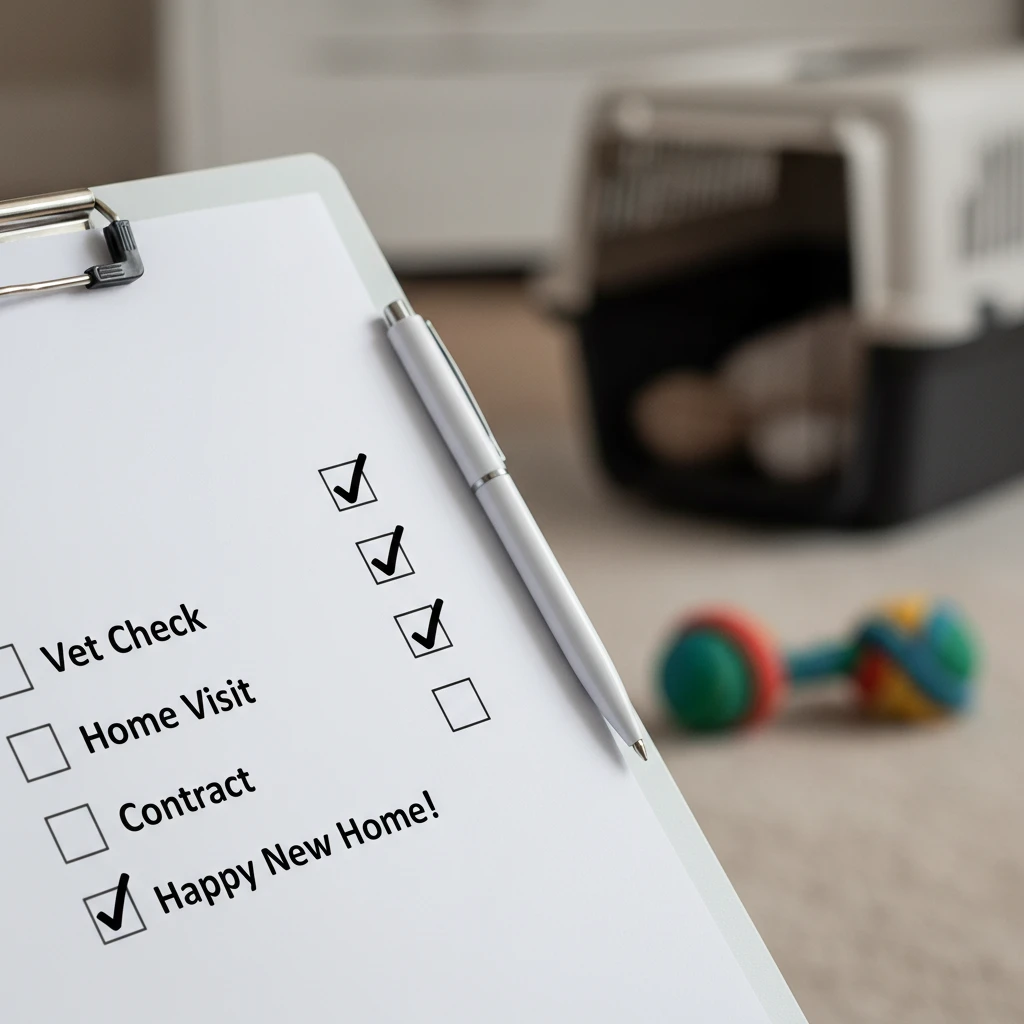
Never hand over a dog in a parking lot or public space. You must see where the dog will live. A home check is non-negotiable for ethical rehoming.
Conducting a Home Check
When visiting the potential home, look for specific safety features:
- Fencing: Is the property fully fenced? Is the fence high enough to prevent jumping? are there gaps where a dog could squeeze through?
- Environment: Is the home clean and safe? Are there hazards like exposed wires or toxic plants?
- Sleeping Arrangements: Where will the dog sleep? If they say “in the garage” or “outside,” and your dog is used to being inside, this is a mismatch.
The Rehoming Contract
A verbal agreement is insufficient. You should draft a rehoming contract signed by both parties. While enforcing these civilly can be difficult, they serve as a serious deterrent for bad actors. The contract should stipulate:
- Desexing: If the dog is not yet desexed, the contract must require it by a certain date, with proof provided to you.
- Return Policy: The dog must be returned to you, not sold or given away, if the new owner can no longer keep them.
- Care Standards: Agreement to provide annual vet care, proper food, and shelter.
- Transfer of Ownership: Details on when the microchip and council registration will be transferred.
For guidance on legal responsibilities regarding dog ownership and microchipping, refer to the Department of Internal Affairs or your local council’s animal control bylaws.
Red Flags to Watch For in Buyers
Predators often use similar tactics to secure dogs quickly. Be hyper-vigilant for the following red flags during your communication with potential adopters.
Urgency and “Today” Pickup
If a buyer pressures you to take the dog immediately (e.g., “I can come right now with cash”), this is a major warning sign. Impulse buyers or dog fighters want the transaction done before you have time to think or vet them. A good home will wait for the right process.
Refusal of Home Checks
If they make excuses as to why you cannot come to their house (e.g., “My house is being renovated,” “It’s messy right now,” “Let’s meet at the park instead”), do not proceed. Someone hiding their home environment is hiding the conditions the dog will live in.
Focus on Reproductive Status
If one of their first questions is “Is she fixed?” or “Has he been neutered?”, and they seem disappointed if the answer is yes, they are likely backyard breeders. Conversely, if the dog is intact, and they seem overly enthusiastic, this is equally dangerous.
The “Sob Story”
Manipulators often use emotional stories to bypass your vetting. They might claim their dog just died and their child is heartbroken, or they are rescuing the dog from a bad situation. While some stories are true, manipulators use them to make you feel guilty for asking tough questions. Remain objective.
Conclusion
The risks of selling a dog online in New Zealand are real and severe. From the horrors of dog fighting to the neglect of puppy mills, the dangers lurking behind anonymous online profiles are too great to ignore. As an owner, you are the last line of defense for your pet. By choosing ethical rehoming through registered charities, or by strictly adhering to vetting protocols including home checks and contracts, you ensure that your dog’s next chapter is one of love and safety, not suffering. Never prioritize convenience over the welfare of a life that depends on you.
People Also Ask
Is it illegal to sell dogs on Facebook in NZ?
While not illegal under NZ law to sell dogs generally, Facebook’s own Commerce Policies strictly prohibit the sale of live animals. Posts attempting to sell dogs are frequently removed, and users often resort to code words or “rehoming fees” to bypass these rules, which removes safety oversight.
How can I rehome my dog safely in NZ?
The safest method is to surrender your dog to a registered charity like the SPCA or a breed-specific rescue. If rehoming privately, you must conduct vet reference checks, inspect the potential adopter’s home personally, and use a signed rehoming contract.
What are the dangers of “free to good home” ads?
“Free to good home” ads attract predators looking for bait dogs for fighting, animal hoarders, and class-B dealers who sell animals for research. A monetary adoption fee (donated to charity) or rigorous vetting acts as a necessary barrier to these dangers.
Can I sell my dog on TradeMe?
Yes, TradeMe allows the sale of dogs but has strict listing policies. You must comply with the Animal Welfare Act, and they restrict certain breeds. However, listing on TradeMe still requires the seller to perform their own vetting of buyers to ensure the dog’s safety.
What questions should I ask someone wanting to buy my dog?
Ask about their previous pet history, their current vet (and call for a reference), their housing situation (own vs. rent), their work schedule, fence security, and their plan for the dog’s exercise and training.
Why do rescues require home checks?
Home checks verify that the environment is safe, secure, and suitable for the specific dog. They ensure fences are high enough to prevent escape, there are no hazardous conditions, and that the household members (and other pets) interact well with the dog.