To find the right pet NZ, you must rigorously evaluate your current housing situation, activity level, and financial stability against the specific needs of different animal breeds. Successful matching involves researching breed temperaments, understanding New Zealand’s specific rental tenancy laws regarding pets, and utilizing ethical rehoming platforms to ensure the animal’s history aligns with your family’s lifestyle.
Considering Your Lifestyle & Needs
Adopting a pet is a life-changing decision that requires honest self-reflection. In New Zealand, where our outdoor lifestyle is prominent but our housing market can be volatile, finding a pet that aligns with your daily reality is crucial for a lifelong bond. Before browsing listings, you must assess the fundamental pillars of your lifestyle.
Assessing Your Time Availability
The most common reason pets are returned to shelters is a mismatch in time expectations. Dogs, particularly working breeds common in NZ like Border Collies or Huntaways, require significant mental and physical stimulation. If you work long hours away from home, a high-energy dog may develop behavioral issues due to boredom.
Conversely, while cats are generally more independent, they still require social interaction and play. Small animals like rabbits or guinea pigs need daily cleaning and supervision. Ask yourself: How many hours a day can I actively dedicate to a pet? If the answer is less than one hour, a lower-maintenance senior cat or a fish aquarium might be a more ethical choice than a puppy.
Housing and Tenancy in New Zealand
Housing security is a major factor in the Kiwi pet landscape. If you are renting, you face specific challenges. While recent changes to the Residential Tenancies Act have made it slightly easier to request pets, landlords can still refuse based on reasonable grounds. Before falling in love with a large dog, check your tenancy agreement and body corporate rules.
Space constraints also dictate compatibility. A large section in the Waikato might be perfect for a heading dog, but an apartment in Auckland CBD requires a pet adaptable to indoor living. Consider your fencing as well; many NZ shelters will not rehome dogs to properties without secure, high fencing.

Activity Levels and Physical Capability
Are you an avid tramper who spends weekends in the Waitākere Ranges, or do you prefer a quiet Sunday with a book? Your pet must match your energy. A mismatch here leads to frustration for the owner and anxiety for the pet. Active owners should look for breeds with endurance, whereas less active individuals or seniors might find the perfect match in a Greyhound (known as “40mph couch potatoes”) or an older cat.
Pet Compatibility Guide: Finding Your Match
Understanding the nuances of different species and breeds is the cornerstone of making the right choice. New Zealand has a unique mix of working breeds, domestic companions, and strict biodiversity laws that influence pet ownership.
Dogs: Working Breeds vs. Companions
In NZ, you will frequently encounter “bitsers” or mixed breeds, often containing working genetics. These dogs are intelligent and high-energy.
- High Energy: Collies, Huntaways, Jack Russell Terriers. These need jobs to do and extensive exercise.
- Moderate Energy: Labradors, Spaniels. Great family pets but still require daily walks.
- Low Energy: Greyhounds, Bulldogs, older mixed breeds. Ideal for smaller homes or less active owners.
Cats: Indoor vs. Outdoor Debate
New Zealand has one of the highest rates of cat ownership in the world. However, given our precious native birdlife, the conversation around containment is shifting. When finding the right cat, consider if you can provide an enriching indoor environment or a “catio.” Some cats, particularly former strays rehomed through ethical groups, may require outdoor access, while others (like Ragdolls or shy rescues) thrive strictly indoors.
Small Animals and Exotics
Don’t underestimate the personality of small animals. Rats are incredibly intelligent and social, requiring bonding time similar to dogs. Rabbits can be house-trained but are destructive chewers. These pets are often excellent for families with limited space, provided the parents oversee the care.
The Financial Reality of Pet Ownership in NZ
Love is free, but pet care is not. To find the right pet, you must ensure your budget can sustain them for 10-20 years. In New Zealand, the cost of living crisis impacts pet owners significantly.
Veterinary Costs and Insurance
Veterinary bills can be substantial. A simple consultation can cost between $60-$100, while emergency surgeries run into the thousands. Pet insurance is highly recommended in NZ to mitigate these risks. Breeds prone to health issues (like Pugs with breathing difficulties or large dogs with hip dysplasia) will have higher insurance premiums.
Registration and Microchipping
All dogs over three months old must be registered with their local council in New Zealand. Fees vary by region but generally range from $100 to $200 annually. Additionally, microchipping is mandatory for dogs and highly recommended for cats. You should register your pet on the New Zealand Companion Animal Register (NZCAR) to ensure they can be returned if lost.
The Role of PetRescue & Ethical Rehoming
Finding the right pet isn’t just about the animal; it’s about the source. Ethical rehoming is the gold standard for animal welfare in New Zealand.
Why Choose Rescue Over Retail?
Adopting from a shelter or rescue organization saves two lives: the animal you adopt and the one who takes their place in the shelter. Platforms like PetRescue, SPCA, and breed-specific rescue groups conduct behavioral assessments. This means they can tell you if a dog is good with cats, if a cat is terrified of loud noises, or if a rabbit needs a companion.
The Matching Process
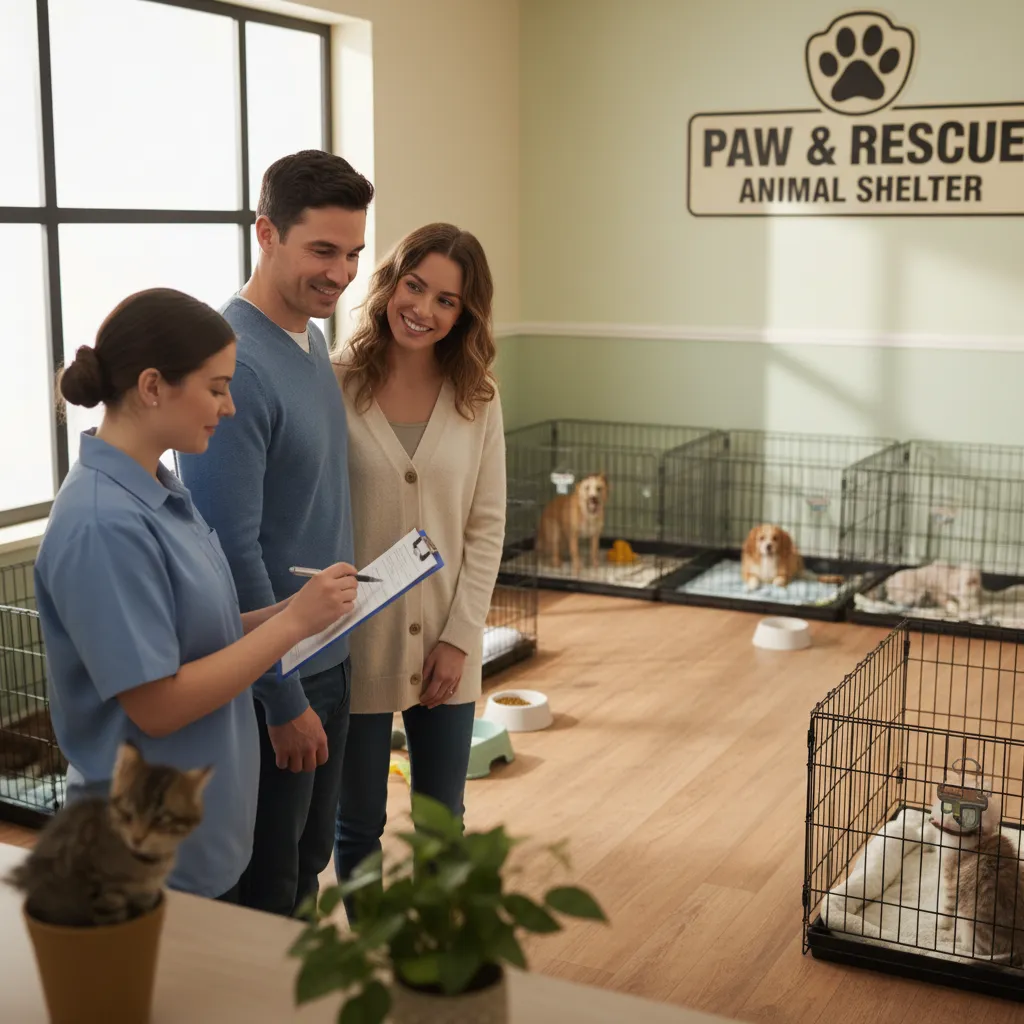
Ethical rehoming organizations act as matchmakers. They are not trying to “sell” you an animal; they are trying to place the animal in a forever home. Be prepared for a vetting process. This may include:
- Application Forms: Detailed questionnaires about your home and lifestyle.
- Property Checks: Verifying fences are secure (often done via photos or video call).
- Meet and Greets: Bringing your current dog or family members to meet the potential new pet.
Trust their expertise. If a shelter staff member suggests a specific dog isn’t right for you, it is to prevent heartbreak later.
Questions to Ask Potential Owners or Shelters
Whether you are adopting from a shelter or a private rehoming situation, asking the right questions is vital to uncover potential issues before you commit.
Behavioral History
- “How does this pet react to being left alone?” (Checks for separation anxiety).
- “Has this animal ever shown aggression over food or toys?” (Resource guarding).
- “How are they with children, strangers, or other animals?”
Medical Background
- “Is the pet desexed, vaccinated, and microchipped?”
- “Are there any known chronic health conditions or allergies?”
- “When was their last worming and flea treatment?”
Routine and Preferences
- “What food are they currently eating?”
- “Where do they sleep at night?”
- “What is their favorite type of play?”
Preparing Your Home for the New Arrival
Once you have found the right pet, preparation is the final step to ensure the match is successful. Bringing a new animal into a chaotic environment can cause immediate stress and regression in training.
Pet-Proofing
Look at your home from the pet’s perspective. Secure loose cables, remove toxic plants (like lilies for cats), and ensure household chemicals are locked away. For dogs, check your perimeter fencing for gaps. For cats, create vertical spaces like shelving or trees where they can retreat if they feel overwhelmed.
The “Decompression” Period
Rescue animals often follow the “3-3-3 Rule”:
- 3 Days: To decompress. They may be scared, not eat, or hide.
- 3 Weeks: To learn your routine. Their personality starts to emerge.
- 3 Months: To feel at home. They build trust and true bonding occurs.
Patience is the most valuable tool you have during this transition.
Finding the perfect pet match in New Zealand requires a blend of heart and head. By honestly assessing your lifestyle, understanding the financial commitments, and asking the right questions, you ensure that your new companion isn’t just a pet, but a permanent family member. For more information on responsible ownership, visit the SPCA New Zealand Advice & Welfare section.
Frequently Asked Questions
How much does it cost to adopt a dog in NZ?
Adoption fees in New Zealand typically range from $250 to $400 for dogs. This fee generally covers desexing, microchipping, the first round of vaccinations, flea/worm treatment, and registration with the NZ Companion Animal Register. Puppies may sometimes have higher fees due to additional vaccination requirements.
Can I have a pet in a rental property in NZ?
Yes, but you must obtain the landlord’s consent. Under current tenancy laws, landlords can only refuse a request for a pet on reasonable grounds (e.g., the property is not fully fenced or body corporate rules prohibit it). It is recommended to create a “Pet CV” to present to your landlord to prove responsible ownership.
What is the best family dog for the NZ lifestyle?
There is no single “best” breed, but Labradors and Golden Retrievers are popular for their gentle nature. However, mixed breeds (often called “bitsers”) from shelters are excellent choices as they are often resilient and unique. The best dog is one whose energy level matches your family’s activity level.
How do I rehome a pet ethically in NZ?
To rehome a pet ethically, contact reputable organizations like the SPCA, PetRescue partner shelters, or breed-specific rescue groups. Avoid giving pets away for free on social media or trading sites, as this can put the animal at risk. Ethical shelters ensure the new owners are vetted properly.
Are indoor cats better for NZ wildlife?
Yes, keeping cats indoors or in a contained “catio” significantly protects New Zealand’s native wildlife, including birds and lizards. It also protects the cat from getting hit by cars, fighting with other cats, or contracting diseases. Many NZ shelters now advocate for indoor-only or contained lifestyles.
What small pets are legal in NZ?
Common legal small pets in NZ include rabbits, guinea pigs, rats, mice, and chinchillas. However, certain animals common overseas, like hamsters, gerbils, snakes, and tortoises, are illegal in New Zealand due to biosecurity laws to protect local agriculture and flora.