A Fox Terrier in NZ, often affectionately called the “Foxie,” is a spirited and intelligent dog breed historically favored for pest control on New Zealand farms. Known for their high energy, tenacity, and strong prey drive, these dogs have evolved from working roots to become loyal, albeit independent, family companions suited for active Kiwi lifestyles.
The Foxie’s Role in NZ History
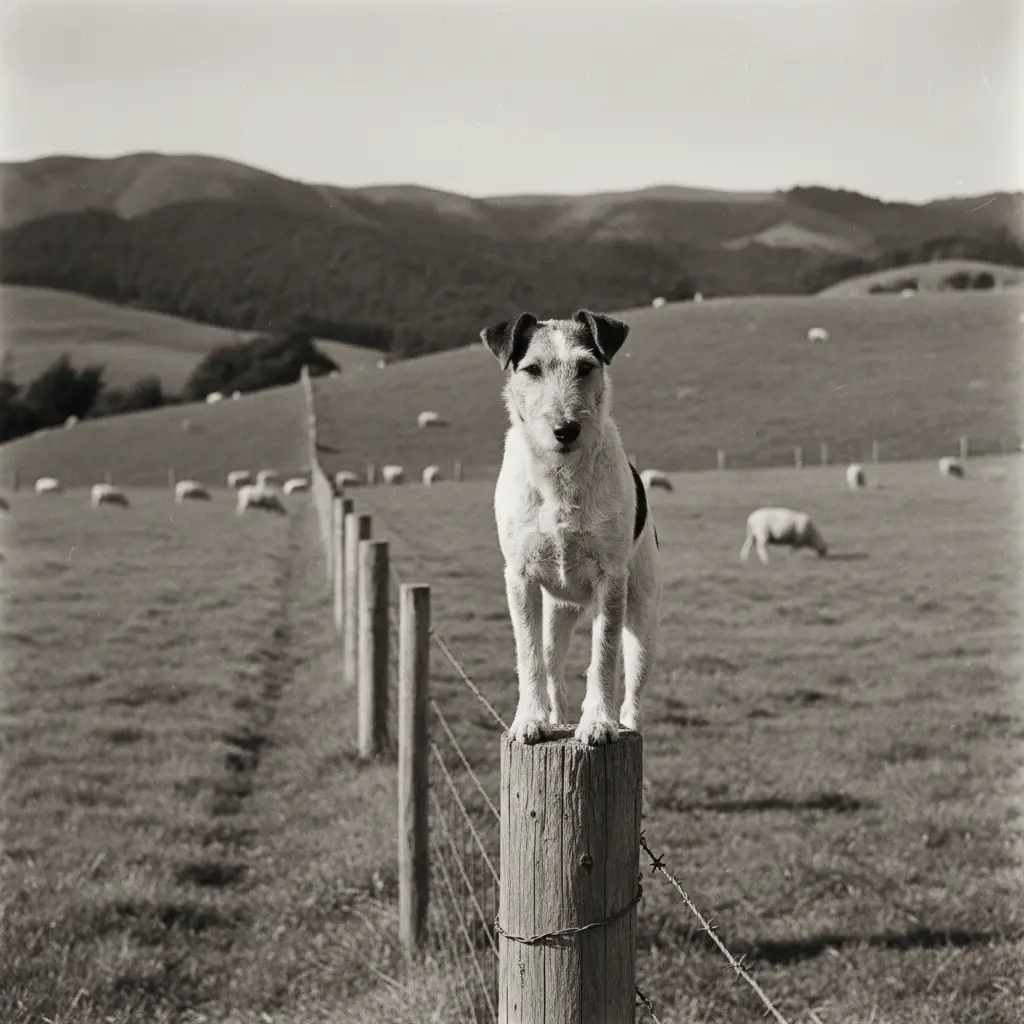
To understand the Fox Terrier in New Zealand is to understand a significant chapter of the country’s agricultural history. Unlike many breeds that were imported strictly for the show ring, the Fox Terrier arrived in Aotearoa with a job to do. Since the late 19th century, these dogs have been an integral part of the rural landscape, earning their keep alongside Huntaways and Heading dogs.
The “Kiwi Foxie” became a staple on sheep and beef stations primarily due to the introduction of rabbits and other pests. As rabbit populations exploded in the South Island and parts of the North Island, farmers required a dog small enough to enter burrows yet fierce enough to dispatch vermin efficiently. The Fox Terrier was the perfect solution. Their courage is legendary; a 7-kilogram Foxie will often stand its ground against adversaries three times its size.
Beyond pest control, the Fox Terrier became a cultural icon. It is the dog often seen balancing precariously on the back of a ute, standing guard over the flat deck while the farmer visits town. While the registered Smooth Fox Terrier and Wire Fox Terrier are distinct breeds recognized by Dogs New Zealand, the colloquial “Foxie” found on many farms is often a working strain, bred for gameness and durability rather than strict conformation to breed standards.
Prey Drive and Compatibility
One of the most critical aspects potential owners must understand about the Fox Terrier in NZ is their profound prey drive. This is not a behavioral flaw; it is a genetic feature that has been honed over generations. In a domestic setting, however, this trait requires careful management.
The Risk to Native Wildlife
New Zealand is home to unique, flightless birds, including the Kiwi and the Weka. Fox Terriers pose a significant threat to ground-dwelling native wildlife. Their instinct is to chase and grab anything that moves quickly. If you live in an area near bushland or where native birds are present, avian aversion training is not just recommended—it is often a moral imperative.
Cats and Small Pets
Can a Fox Terrier live with a cat? The answer is a cautious “maybe.” If raised with a confident cat from puppyhood, a Fox Terrier can learn to respect the feline as a member of the pack. However, strange cats wandering into the garden are fair game. Smaller pets, such as guinea pigs, rabbits, or chickens, should never be left unsupervised with a Fox Terrier. The movement of small animals triggers an predatory sequence that is difficult to interrupt once engaged.
Compatibility with Other Dogs
Fox Terriers are generally bold and assertive. They do not view themselves as small dogs. This “terrier complex” can lead to friction with other dominant dogs. However, they are pack-oriented animals. They often thrive in households with other dogs, provided the other dogs are tolerant and the hierarchy is well-managed. In New Zealand dog parks, owners should be vigilant; a Foxie will rarely start a fight, but they will almost certainly finish one if provoked.
Training a Stubborn Terrier
There is a pervasive myth that Fox Terriers are untrainable or stubborn. This is a misunderstanding of the terrier intellect. Unlike a Border Collie, which works with you, a Fox Terrier works for themselves. They are independent thinkers who need to know “what’s in it for me?”
Positive Reinforcement is Key
Old-school dominance training methods generally fail with Fox Terriers and can lead to aggression. These dogs respond best to positive reinforcement. Food is a powerful motivator, as are toys. Because they get bored easily, training sessions must be kept short, upbeat, and varied. Repetitive drilling will cause a Foxie to shut down or wander off to find something more interesting to do.
Recall Challenges
Achieving a reliable recall (coming when called) is the holy grail of Fox Terrier ownership. Because their nose and prey drive can override their hearing, owners must practice recall daily in low-distraction environments before attempting it off-leash. In many cases, a long line (tracking lead) is the safest way to exercise a Foxie in open spaces.
Mental Enrichment
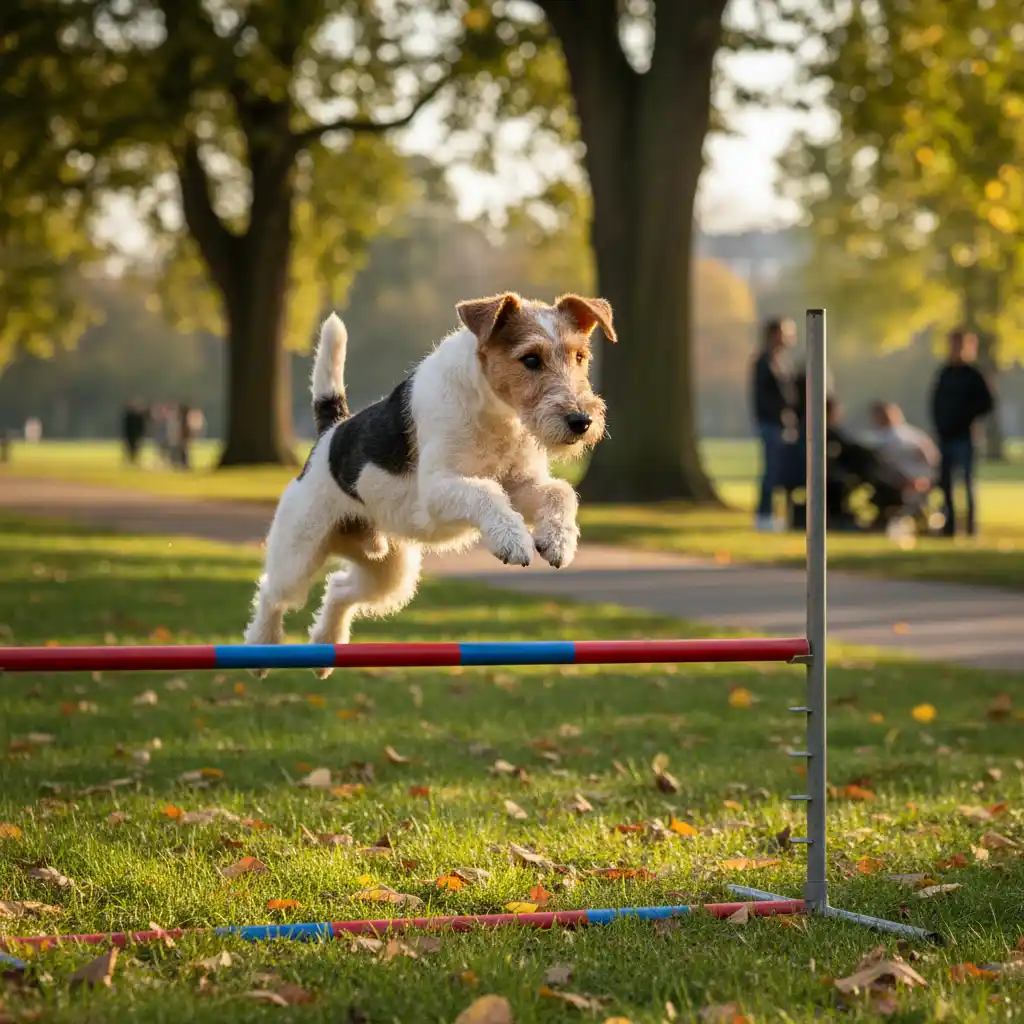
A bored Fox Terrier is a destructive Fox Terrier. If they do not have a job, they will create one, such as excavating your landscaped garden or dismantling your sofa. Puzzle toys, scent work, and agility training are excellent ways to burn off mental energy. Agility is particularly popular in NZ, and Fox Terriers excel at it due to their speed and tight turning radius.
Grooming, Maintenance, and Health
The maintenance requirements of a Fox Terrier depend largely on the coat variety: Smooth or Wire.
Smooth Fox Terrier Grooming
The Smooth Foxie is the classic “wash and wear” dog. Their short, dense coat requires minimal grooming—usually just a weekly brush to remove loose hair. However, they do shed, and their white hairs have a tendency to weave themselves into fabrics and carpets.
Wire Fox Terrier Grooming
The Wire Fox Terrier is hypoallergenic to a degree, as they do not shed profusely. However, their coat requires significant maintenance. To maintain the correct texture and color, the coat must be hand-stripped (plucking out dead hairs) several times a year. Clipping the coat is easier but will soften the texture and fade the markings over time.
Health Concerns in New Zealand
Fox Terriers are generally a robust, long-lived breed, often reaching 13 to 15 years of age. However, there are specific health considerations for NZ owners:
- Patellar Luxation: Slipping kneecaps are common in small breeds. unexpected skipping or hopping while running can be a sign.
- Lens Luxation: An eye condition that can lead to blindness. Responsible breeders will DNA test for this.
- Skin Allergies: New Zealand’s wandering jew (Tradescantia fluminensis) and various grasses can cause contact dermatitis, particularly on the belly and paws of white dogs.
- Sunburn: The white pigment on their ears and nose makes them susceptible to sunburn and subsequent skin cancer in the harsh NZ sun. Pet-safe sunscreen is recommended during summer.
Exercise and Lifestyle Requirements
Do not let their size fool you; the Fox Terrier is not a lap dog. While they enjoy a cuddle in the evening, they are high-energy athletes. A quick walk around the block is insufficient. They require at least 45 to 60 minutes of vigorous exercise daily.
They are adaptable and can live in apartments if their exercise needs are met, but a home with a securely fenced yard is ideal. Note the emphasis on “secure.” Fox Terriers are expert escape artists. They can jump surprisingly high and dig with industrial efficiency. Fences should be at least 1.8 meters high for athletic individuals, and burying chicken wire at the base of the fence can prevent them from tunneling out.
Finding a Fox Terrier in NZ
If you are looking to add a Fox Terrier to your whānau, you have two primary routes: a registered breeder or a rescue organization.
Registered Breeders
For a purebred Smooth or Wire Fox Terrier, always contact breeders registered with Dogs New Zealand. Responsible breeders will provide health clearances for the parents and offer lifetime support. Be prepared to wait; litters are not constantly available.
Rescue and Adoption
There is a steady stream of “Foxie crosses” and working-strain terriers entering the rescue system in New Zealand. These dogs often end up in shelters like the SPCA due to owners underestimating their energy levels. Adopting a rescue Foxie can be incredibly rewarding. These dogs are often incredibly grateful and bond deeply with their new owners. When adopting, ask specifically about the dog’s history with stock and cats to ensure a safe transition into your home.

Frequently Asked Questions
Are Fox Terriers good family dogs?
Yes, Fox Terriers can be excellent family dogs. They are playful, tireless, and generally fond of children. However, they can be boisterous and may nip when overexcited, so they are best suited for families with children who are old enough to respect the dog’s boundaries.
Do Fox Terriers bark a lot?
Fox Terriers are vocal watchdogs. They will alert you to anyone approaching the property. While they are not nuisance barkers by nature, boredom can lead to excessive barking. Training the “quiet” command early is essential.
What is the difference between a Smooth and Wire Fox Terrier?
The main difference is the coat. Smooth Fox Terriers have short, flat hair and shed moderately. Wire Fox Terriers have a rough, broken coat that sheds very little but requires hand-stripping or clipping. Temperament-wise, they are very similar, though some argue Wires are slightly more aloof.
Are Fox Terriers hard to potty train?
They can be. Because they are easily distracted, they may forget to finish their business while outside. Crate training and a strict schedule usually resolve this issue quickly.
Can I let my Fox Terrier off-leash?
It is risky. Due to their high prey drive, a Fox Terrier is likely to ignore commands if they spot a rabbit, cat, or bird. Off-leash activities should be restricted to fully fenced areas unless the dog has a rock-solid recall.
How long do Fox Terriers live?
Fox Terriers are a long-lived breed. With proper care, diet, and exercise, it is common for them to live between 13 and 15 years, with some reaching even older ages.