Identifying plants toxic to dogs nz is essential for responsible pet ownership. The most critical threats include the native Karaka tree, whose berries contain fatal neurotoxins, and the invasive Wandering Jew, which causes severe allergic dermatitis. Additionally, native species like the Ngaio and Kowhai pose significant risks of liver damage and gastrointestinal distress if ingested.
Understanding Plant Toxicity in New Zealand
New Zealand is home to unique flora that is breathtaking to behold but potentially lethal to our four-legged companions. For pet owners, particularly those involved in pet rescue and rehabilitation, understanding the botanical landscape is a matter of life and death. While many kiwi backyards are filled with lush greenery, hidden dangers lurk within both native bush blocks and suburban gardens.
The toxicity of a plant depends on several factors, including the part of the plant ingested (roots, leaves, flowers, or seeds), the quantity consumed, and the size and species of the animal. While dogs are often the primary victims due to their scavenging nature and tendency to chew sticks or seeds, cats are also at risk, particularly from pollen and foliage contact.
In this guide, we will categorize the most dangerous flora found in New Zealand, focusing heavily on the lethal Karaka berry and the ubiquitous Wandering Jew, to ensure you can identify and manage these risks effectively.
The Karaka Tree: New Zealand’s Deadliest Neurotoxin
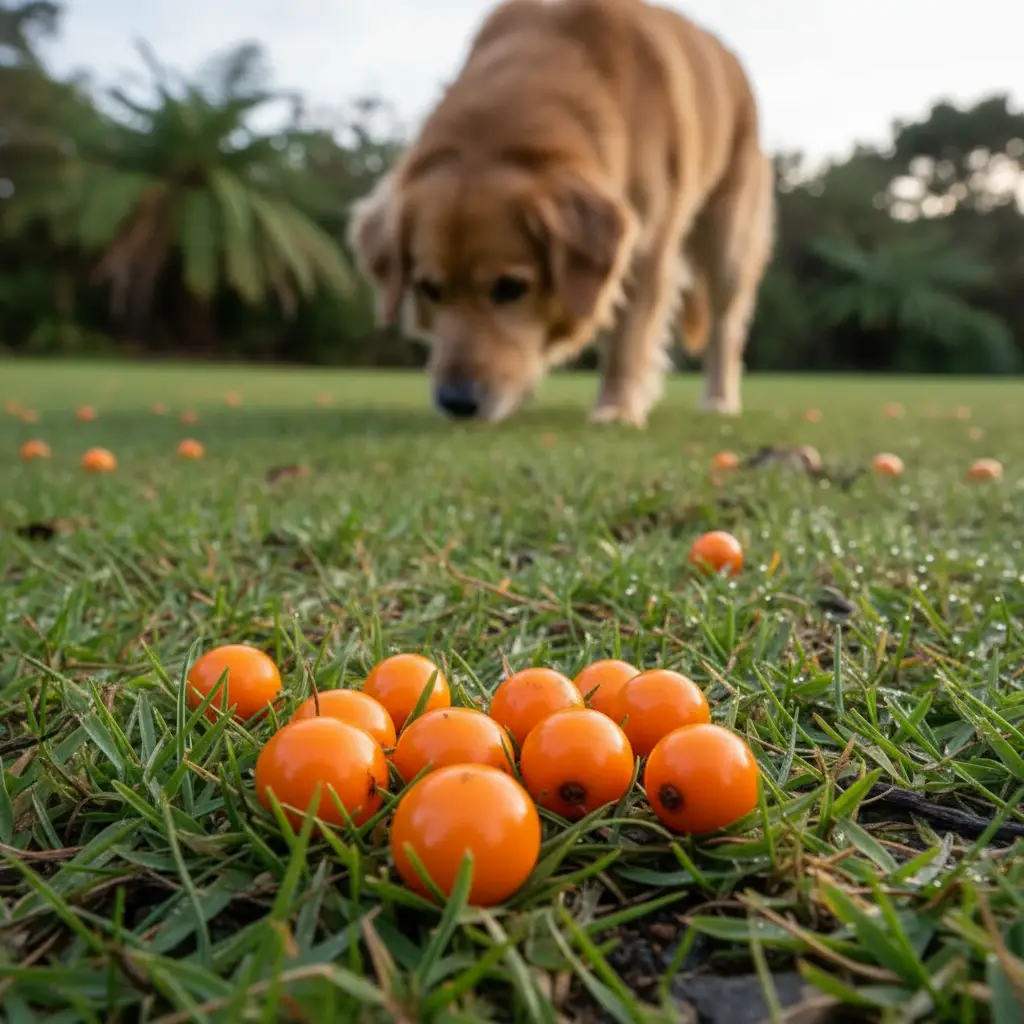
If there is one plant every New Zealand dog owner must be able to identify, it is the Karaka tree (Corynocarpus laevigatus). Often found in coastal areas and widely planted in parks and schools for its shade and glossy foliage, the Karaka produces a bright orange fruit that is highly attractive to dogs but devastatingly toxic.
The Danger of the Kernel
The flesh of the Karaka berry is relatively harmless, but the hard inner kernel contains a potent toxin called karakin. Karakin is a neurotoxin that, once digested, converts into a compound that inhibits enzymes in the body, leading to severe neurological failure.
The danger period is typically from January to April, when the berries ripen, turn orange, and fall to the ground. However, the kernels remain toxic for a long time even after the flesh has rotted away. A dried, brown kernel hidden in the grass can be just as lethal as a fresh one.
Symptoms of Karaka Poisoning
Because the kernel must be digested to release the toxin, symptoms are often delayed by 24 to 48 hours. This delay can be fatal, as owners may not associate the symptoms with a walk taken the previous day. Signs include:
- Weakness and lethargy
- Vomiting and confusion
- Hind leg paralysis
- Severe convulsions and seizures
- Respiratory failure
Critical Action: If you suspect your dog has eaten a Karaka berry, do not wait for symptoms. Take them to a vet immediately. Early induction of vomiting is the only effective prevention before the toxin is absorbed.
Wandering Jew (Tradescantia): The Silent Skin Irritant
While not a native plant (it is an invasive weed from South America), Wandering Jew (Tradescantia fluminensis) is so pervasive in New Zealand environments that it is often discussed alongside native hazards. It creates a dense carpet in damp, shady areas of gardens, bush reserves, and riverbanks.
The Allergic Reaction
Unlike the Karaka, Wandering Jew is rarely fatal, but it causes significant misery. It is a primary cause of contact dermatitis in New Zealand dogs. The plant causes an immediate allergic reaction when a dog’s skin brushes against it.
This is commonly seen on the:
- Stomach and groin
- Under the “armpits”
- Between the toes and on the paws
- Under the chin
Identifying the Rash
If your dog returns from a walk or the garden scratching furiously, check their underside. The rash typically presents as angry, red, inflamed skin with small pustules. Over time, the skin may thicken and become “elephant-like” due to chronic scratching and secondary infections.
Management: Removing Wandering Jew is difficult as it regrows from tiny fragments. For pet owners, the best defense is avoidance. If contact occurs, wash your dog’s paws and belly with cool water immediately after the walk to remove the allergens.
Other Dangerous NZ Native Plants for Pets
Beyond the Karaka, New Zealand’s native bush contains several other species that possess toxic properties. While some are less palatable to animals, inquisitive puppies and bored dogs may still ingest them.
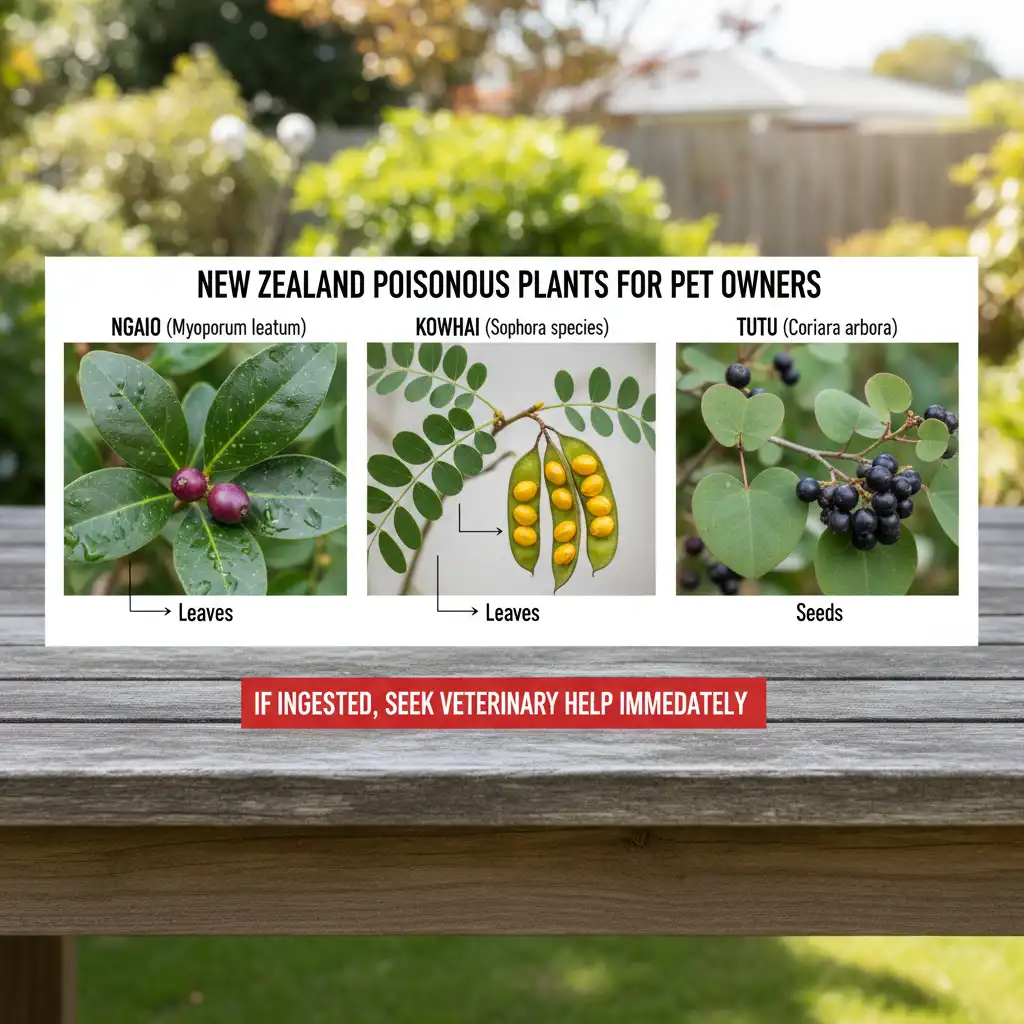
1. The Ngaio (Myoporum laetum)
The Ngaio is a common coastal tree distinguished by the small oil glands visible as translucent dots on its leaves. It contains a liver toxin called ngaione. Both the leaves and the reddish-purple berries are toxic. Ingestion can lead to severe photosensitivity (sunburn), liver failure, and death in both dogs and livestock.
2. Kowhai (Sophora microphylla)
The Kowhai is New Zealand’s national flower, beloved for its yellow blooms. However, all parts of the tree are poisonous, with the seeds being the most dangerous. They contain cytisine, which is similar in structure to nicotine. Ingestion can cause gastrointestinal upset, vomiting, and in rare cases, heart rate abnormalities.
3. Tutu (Coriaria arborea)
The Tutu bush is arguably New Zealand’s most toxic native plant regarding potency, though dogs eat it less frequently than livestock. It contains tutin, a poison that attacks the nervous system. Even a small amount of foliage can cause drooling, excitement, convulsions, and death due to respiratory paralysis. This is the same plant responsible for “toxic honey” incidents when bees feed on vine hoppers that have ingested Tutu sap.
4. Titoki (Alectryon excelsus)
The Titoki tree produces attractive seeds housed in a bright red, fleshy aril. While the fruit looks appealing, the seeds contain cyanogenic glycosides. If chewed and ingested, these can release cyanide, causing rapid breathing, shock, and potentially death, although large quantities are usually required for severe toxicity in dogs.
Common Non-Native Garden Hazards in NZ
While focusing on natives is crucial, many NZ gardens are a mix of native and exotic species. It is vital to briefly mention common imports that cause frequent poisoning cases in New Zealand veterinary clinics.
- Lilies (Lilium species): Extremely toxic to cats. Even licking pollen off their fur can cause acute kidney failure. They are less toxic to dogs but still cause stomach upset.
- Oleander: Every part of this shrub is toxic to dogs and cats, affecting the heart.
- Daffodils: The bulbs contain lycorine, which triggers severe vomiting.
- Rhododendrons and Azaleas: Common in NZ gardens, these contain grayanotoxins which can lead to coma and cardiovascular collapse.
Recognizing Symptoms of Plant Poisoning
Because pets cannot tell us what they have eaten, owners must be vigilant in observing behavioral changes. Symptoms vary depending on the toxin but generally fall into three categories:
Gastrointestinal Signs
This is the most common immediate reaction. Look for profuse vomiting, diarrhea (sometimes bloody), excessive drooling, and loss of appetite. Plants like Kowhai and Daffodils often trigger this.
Neurological Signs
These are critical and indicate serious poisoning (e.g., Karaka or Tutu). Symptoms include muscle tremors, seizures, uncoordinated walking (ataxia), dilated pupils, and extreme lethargy or hyperactivity.
Dermatological Signs
As seen with Wandering Jew, these signs include obsessive scratching, chewing of paws, redness, swelling, and hair loss.
Immediate First Aid: What to Do If Your Pet Ingests a Toxin
Time is the most critical factor in treating poisoning. If you witness your dog eating a suspicious plant or notice symptoms, follow these steps immediately:
- Remove the Source: Safely remove any remaining plant material from your pet’s mouth. Keep them away from the area.
- Identify the Plant: If possible, take a photo or a sample of the plant (wear gloves if unsure). This helps the vet determine the antidote or treatment plan.
- Call the Professionals:
- Contact your veterinarian immediately.
- Alternatively, call the New Zealand National Poisons Centre at 0800 POISON (0800 764 766). They operate 24/7 and can provide specific advice on NZ flora.
- Do NOT Induce Vomiting: Unless specifically instructed by a vet, do not try to make your pet vomit. Some toxins can cause more damage coming back up, or your pet may inhale the vomit into their lungs (aspiration pneumonia).
- Avoid Home Remedies: Do not use salt water, milk, or oil. Salt water, in particular, can cause fatal sodium poisoning in dogs.
Prevention: Creating a Pet-Safe Garden in NZ
Prevention is far better than cure. To protect your furry friends, audit your property annually.
- Fencing: Fence off areas where toxic natives like Karaka trees drop their berries. If you have a Karaka tree, consider hiring an arborist to remove it or aggressively manage the fruit fall during autumn.
- Weed Control: Regularly clear Wandering Jew. Since chemicals can also be toxic, consider manual removal or using steam weeding methods, keeping pets away until the area is safe.
- Safe Alternatives: Replace toxic plants with pet-safe NZ natives. Flax (Harakeke), Hebe, and Griselinia are excellent, non-toxic choices that provide shelter and greenery without the risk.
- Training: Teach your dog the “Leave it” command. This is a life-saving skill when walking in the bush or parks where you cannot control the vegetation.
By staying informed and vigilant, you can enjoy New Zealand’s beautiful outdoors while keeping your beloved companions safe from harm. For more information on plant identification, you can consult resources like Manaaki Whenua – Landcare Research.
People Also Ask (FAQs)
What is the most poisonous plant to dogs in NZ?
The Karaka tree (Corynocarpus laevigatus) is widely considered the most dangerous due to the high toxicity of its kernels. Ingestion of the kernel can lead to delayed seizures, paralysis, and death if not treated immediately.
Is Wandering Jew poisonous to dogs?
Wandering Jew is not typically poisonous if eaten in small amounts, but it is highly allergenic. It causes severe contact dermatitis, resulting in itchy, red, and inflamed skin on dogs’ bellies and paws.
Are Kowhai trees poisonous to dogs?
Yes, all parts of the Kowhai tree are toxic, but the yellow seeds are the most dangerous. They contain cytisine, which can cause severe vomiting, diarrhea, and abdominal pain if chewed and swallowed.
What happens if a dog eats Karaka berries?
If a dog eats the flesh, they may be fine, but if they crack and eat the kernel, they are at risk of karakin poisoning. Symptoms include weakness, vomiting, and severe convulsions that often appear 24 to 48 hours after ingestion.
Are flax bushes poisonous to dogs?
No, New Zealand Flax (Harakeke) is generally considered non-toxic to dogs. However, the leaves are fibrous and tough, which can cause gastrointestinal obstruction or choking if large pieces are swallowed.
Who do I call for pet poisoning in New Zealand?
You should contact your local veterinarian immediately. You can also call the National Poisons Centre on 0800 POISON (0800 764 766) for urgent advice regarding toxic substances and plants.