NZ pet rescue partnerships involve strategic collaborations between animal shelters, council pounds, and private rehoming organizations to streamline the adoption process. These alliances aim to reduce euthanasia rates by sharing resources, coordinating transport for animals, and utilizing centralized digital platforms to connect homeless pets with suitable adopters across New Zealand.
The Landscape of Animal Welfare in New Zealand
New Zealand is a nation of animal lovers, with one of the highest rates of pet ownership in the world. However, this high demand is shadowed by a significant challenge: the overwhelming number of companion animals entering the shelter system annually. The ecosystem of animal welfare in Aotearoa is complex, comprised of the Royal New Zealand SPCA, local council pounds, and a vast network of independent charitable trusts and rescue groups. To function effectively, these entities cannot operate in silos; they must rely on robust nz pet rescue partnerships to ensure positive outcomes for vulnerable animals.
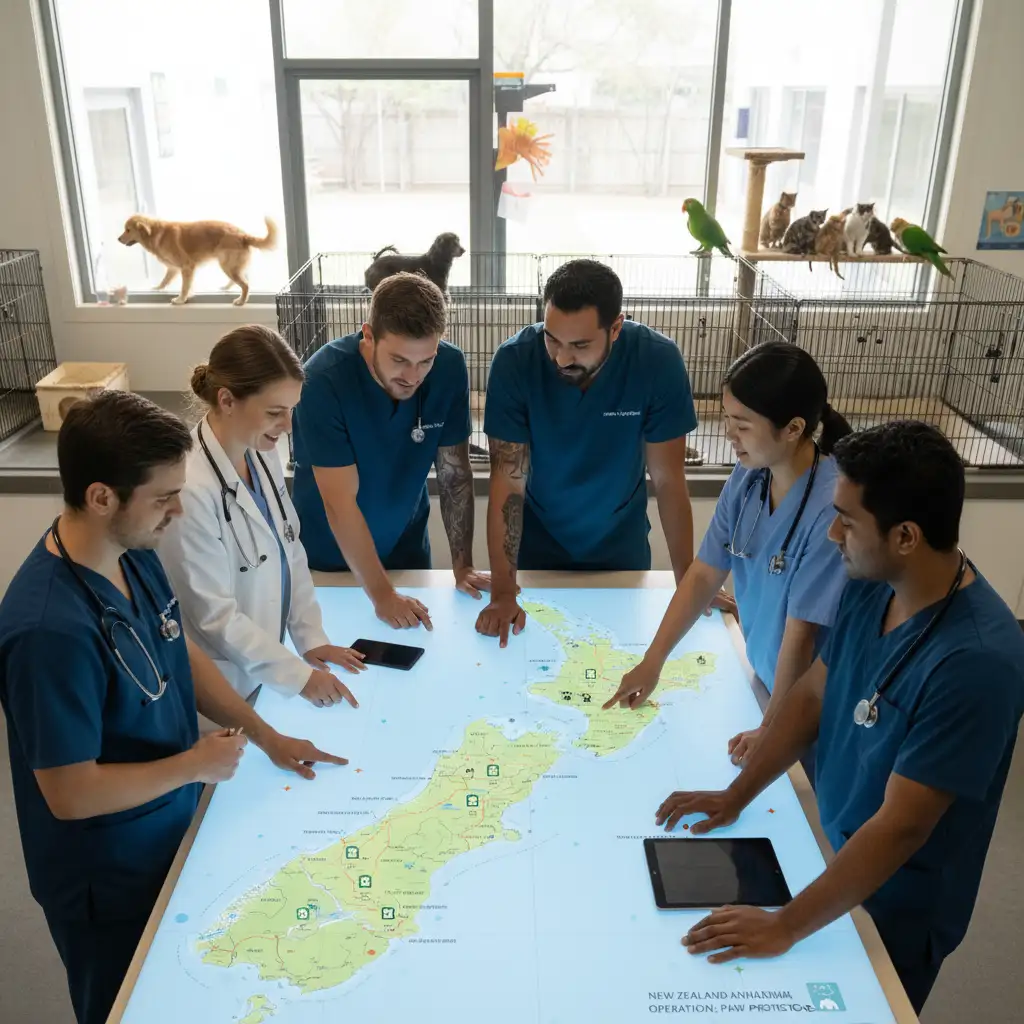
The necessity for partnership arises from the disparity in resources. While larger organizations may have established infrastructure, smaller, foster-based rescues often carry the burden of specialized care for animals with behavioral or medical needs. By forming a cohesive network, these organizations can triage cases more effectively, ensuring that a dog in a rural pound has the same chance of finding a forever home as a cat in a metropolitan shelter.
Furthermore, the geography of New Zealand presents unique logistical hurdles. High-supply areas (often rural regions with lower desexing rates) frequently struggle to find local adopters, while urban centers may have a surplus of potential owners but fewer available animals. Partnerships facilitate the movement of animals across regions, balancing the load and saving lives.
How PetRescue Collaborates with Shelters
In the digital age, the concept of a “shelter” has expanded beyond physical kennels to include sophisticated online platforms. Aggregator sites and digital databases play a pivotal role in modern nz pet rescue partnerships. These platforms act as a central hub, allowing distinct organizations to upload profiles of adoptable pets to a single, high-traffic destination. This democratization of visibility is crucial for smaller rescues that lack large marketing budgets.
Digital Integration and Data Sharing
Collaboration begins with data. By integrating shelter management software with national adoption platforms, rescues can automate the listing process. This reduces administrative fatigue for volunteers, allowing them to focus on animal care. These platforms often provide backend support, offering tools for managing foster networks, processing adoption applications, and tracking medical histories.
Standardizing Adoption Criteria
One of the friction points in animal welfare is the variance in adoption policies. Some rescues have rigorous, almost prohibitive requirements, while others are more open. Through collaborative networks, organizations are moving toward standardizing ethical rehoming criteria. This involves sharing best practices for vetting potential owners—focusing on education and conversation rather than interrogation—to increase the number of successful matches while maintaining animal safety.
Reducing Shelter Overpopulation Through Strategic Alliances
The ultimate goal of any rescue partnership is to put itself out of business by solving the root cause: overpopulation. Reactive work—rehoming—must be balanced with proactive strategies. In New Zealand, this is primarily achieved through high-volume desexing programs and Trap-Neuter-Return (TNR) initiatives for stray cat colonies.
The Desexing Mandate
Independent rescues often partner with veterinary clinics to access reduced-rate surgeries. However, the most impactful partnerships occur between rescues and local councils. By pooling funds, these entities can offer free or subsidized desexing, microchipping, and registration events in lower-income communities. This targeted approach prevents unwanted litters from entering the system in the first place.
Managing the Stray Cat Crisis
New Zealand faces a specific environmental and welfare challenge regarding stray and feral cats. Conservation groups and animal welfare organizations often find themselves at odds; however, progressive partnerships are bridging this gap. By agreeing on humane management strategies, rescues can focus on desexing and rehoming sociable cats, while working with authorities to manage feral populations humanely. For authoritative information on New Zealand’s approach to animal welfare and pest management, resources like the Department of Conservation provide critical context on the balance between domestic animals and native wildlife.
Referral Programs, Resource Sharing, and Logistics
No single organization can handle every type of animal. A council pound is designed for short-term holding and animal control, not for rehabilitating a dog with severe anxiety or a cat with complex medical needs. This is where referral programs within nz pet rescue partnerships become a lifeline.
Specialized Rehabilitation Networks
When a general admission shelter receives an animal requiring specialist care—such as neonatal kittens, greyhounds retiring from racing, or dogs with behavioral trauma—they rely on breed-specific or specialist rescues. These transfer agreements ensure animals are moved out of high-stress kennel environments and into experienced foster homes where they can decompress and heal.
The Logistics of Rescue
Transporting animals is a massive logistical undertaking. “Rescue flights” and coordinated road transport runs are common in New Zealand. For example, a surplus of puppies in the Far North might be transported to Christchurch where there is a shortage of adoptable dogs. These transfers require precise coordination between sending and receiving organizations to ensure strict disease control protocols (such as Parvovirus testing) are followed before movement occurs.
Resource Banks
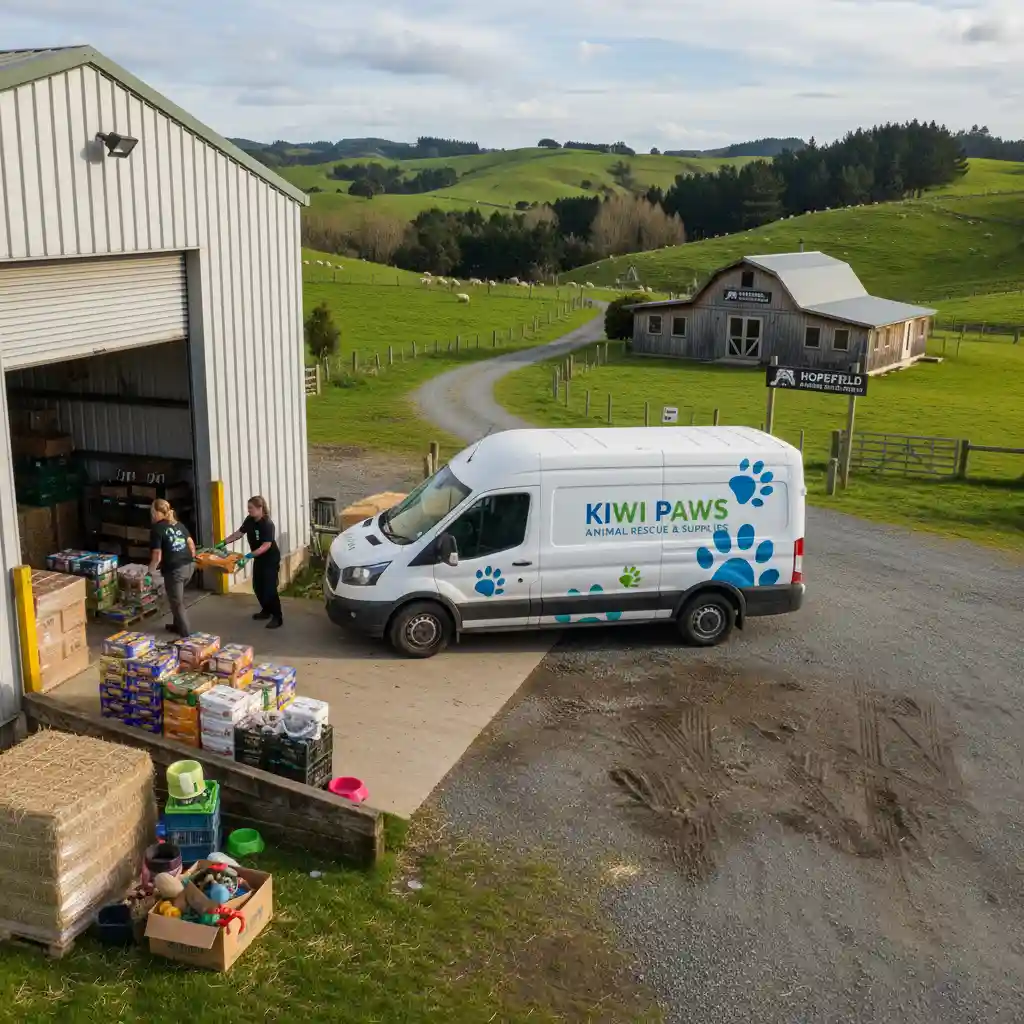
Partnerships also extend to physical goods. Larger organizations often receive pallet-loads of donated food or bedding. Through formal networks, these resources are distributed to smaller, community-based rescues that might otherwise struggle to feed the animals in their care. This “food bank” model for rescues ensures that economic downturns do not compromise animal welfare standards.
Corporate and Community Partnerships
To sustain their operations, ethical rehoming groups must look beyond the animal sector and engage with the business world. Corporate Social Responsibility (CSR) partnerships are becoming a vital revenue stream for NZ rescues.
Sponsorships and Grants
Pet food manufacturers, insurance companies, and retail chains are natural partners. These entities often provide the “basics”—food and flea treatments—in exchange for brand visibility. However, effective partnerships go deeper. Businesses are increasingly offering payroll giving schemes, where employees can donate a portion of their pre-tax income to a chosen rescue, or offering paid volunteer days for staff to help at shelters.
Retail Adoption Centers
A significant shift in ethical rehoming is the move away from selling puppies and kittens in pet stores. Instead, major NZ pet retailers now partner with rescues to host “adoption days” or house permanent satellite adoption centers within their stores. This provides high visibility for rescue animals and allows the retailer to sell the associated products (beds, leashes, food) without participating in the controversial commercial breeding industry.
Volunteering and Community Involvement
At the heart of every nz pet rescue partnership is the volunteer workforce. While staff may manage the administration, volunteers execute the daily care, transport, and fundraising.
The Foster Care Network
Foster carers are the unsung heroes of the rescue world. By opening their homes, they expand a shelter’s capacity beyond its physical walls. Partnerships are essential here to provide support structures for fosters. A robust rescue partnership ensures that foster carers have 24/7 access to veterinary advice, behavioral support, and all necessary supplies. Without this support system, foster burnout becomes a significant risk.
Skill-Based Volunteering
Modern rescues need more than just dog walkers. They require accountants, social media managers, photographers, and grant writers. Community partnerships often involve local professionals donating their services pro bono. For instance, a local marketing agency might partner with a rescue to redesign their website, drastically improving their ability to attract donations and adopters.
The Future of Ethical Pet Rehoming in NZ
As New Zealand moves forward, the nature of rescue partnerships is evolving. We are seeing a shift toward data-driven decision-making and stronger advocacy for legislative change. Organizations like Companion Animals New Zealand are instrumental in gathering data and setting standards that influence national policy.
The future lies in “pre-surrender” intervention. Instead of waiting for an animal to be surrendered, partnerships between rescues and social services (such as women’s refuges or emergency housing providers) are being developed to help owners keep their pets during crises. This holistic approach recognizes that animal welfare is inextricably linked to human welfare.
By strengthening nz pet rescue partnerships, the sector can move from a model of crisis management to one of sustainable community support, ensuring that every companion animal in Aotearoa has the opportunity for a safe, healthy, and happy life.
Frequently Asked Questions
How do I partner with a pet rescue in NZ?
To partner with a pet rescue, identify local organizations that align with your values. If you are a business, propose a sponsorship or resource-sharing model. If you are an individual, inquire about foster networks or skill-based volunteering. Contact the rescue’s management team directly with a clear proposal of how you can assist their operations.
What is the biggest challenge for NZ animal shelters?
The biggest challenge is the overpopulation of companion animals, particularly cats, combined with a lack of resources (funding, volunteers, and foster homes). The seasonal influx of kittens (“kitten season”) places immense strain on shelter capacity and veterinary budgets every year.
Do NZ shelters work together?
Yes, many NZ shelters and rescues work together through transfer agreements, shared databases, and resource distribution. Organizations frequently transfer animals from high-capacity areas to regions with more potential adopters to avoid euthanasia and balance the workload.
How can businesses support NZ pet rescues?
Businesses can support rescues through financial sponsorship, donating products or services, implementing payroll giving schemes, organizing staff volunteer days, or hosting adoption events. Retailers can also choose to host rescue animals for adoption instead of selling commercially bred pets.
What is the difference between the SPCA and independent rescues?
The SPCA (Society for the Prevention of Cruelty to Animals) is a nationwide organization with legal powers to investigate animal cruelty and enforce the Animal Welfare Act. Independent rescues are typically charitable trusts run by volunteers that focus on rehabilitation and rehoming but do not have legal enforcement powers.
Is there a central database for lost pets in NZ?
While there is no single government-mandated database visible to the public, the New Zealand Companion Animal Register (NZCAR) is the primary microchip database used by vets and rescues to reunite lost pets. Additionally, site aggregators like LostPet.co.nz utilize partnerships to share lost pet alerts.