Pet behavior training in New Zealand is a crucial process that involves teaching animals appropriate responses and modifying undesirable actions, fostering a harmonious relationship between pets and their owners. It encompasses understanding animal psychology, implementing ethical training methods, and proactively addressing common issues to ensure a well-adjusted and happy companion animal within the unique New Zealand environment.
Understanding Pet Psychology: The Foundation of Effective Training
Before embarking on any training journey, it’s paramount for New Zealand pet owners to grasp the fundamental principles of pet psychology. Understanding why pets behave the way they do is the first step towards effective modification and building a stronger bond. Pets, whether canines, felines, or other companions, are driven by instincts, learned associations, and their environment. Recognizing these underlying motivations allows for a more empathetic and successful approach to training.
The Basics of Animal Learning: Classical vs. Operant Conditioning
Two primary theories underpin most animal training: classical and operant conditioning. Classical conditioning, famously demonstrated by Pavlov, involves associating an involuntary response with a new stimulus. For example, a dog might learn to associate the sound of its owner grabbing the lead with an exciting walk. Operant conditioning, on the other hand, focuses on voluntary behaviors and their consequences. Pets learn to perform or avoid certain actions based on the rewards (positive reinforcement) or punishments (positive punishment, though often avoided in modern, ethical training) they receive. In NZ, trainers increasingly advocate for positive reinforcement, which involves rewarding desired behaviors, as it builds trust and promotes a positive learning experience for the pet.
Recognizing Canine and Feline Communication
Pets communicate constantly, but often in subtle ways that humans might miss. Understanding their body language, vocalizations, and scent marking is vital. A wagging tail doesn’t always mean happiness; its speed and position, combined with other signals, convey a range of emotions. Similarly, a cat’s ear position, tail flicks, and purrs offer insights into its mood. New Zealand pet owners can significantly improve their training outcomes and deepen their connection by learning to interpret these cues, responding appropriately to their pet’s emotional state, and anticipating their needs.
Environmental Factors and Their Impact
A pet’s environment plays a colossal role in its behavior. Factors such as access to outdoor spaces, noise levels, the presence of other animals or people, and even the type of flooring can influence a pet’s comfort and behavior. For example, a dog living in a high-density urban area of Auckland might develop reactivity due to constant exposure to new stimuli, whereas a cat in a quiet rural setting might exhibit different behavioral patterns. Creating a safe, stimulating, and predictable environment is a cornerstone of good pet welfare and behavior management in New Zealand homes.
The Role of Breed and Genetics
While every pet is an individual, breed and genetic predispositions undeniably influence behavior. A working dog breed like a Border Collie will naturally have a stronger herding instinct and higher energy levels than a Basset Hound. Similarly, some cat breeds are known for being more vocal or independent. Understanding these inherent traits can help New Zealand pet owners set realistic expectations for training, choose appropriate activities, and tailor their approach to suit their pet’s natural inclinations. Reputable breeders in NZ provide insights into the genetic history and potential temperaments of their animals.

Effective Training Techniques: Building Positive Habits
With a solid understanding of pet psychology, New Zealand pet owners can then apply a range of effective training techniques designed to foster desirable behaviors and modify unwanted ones. The emphasis should always be on positive, reward-based methods that strengthen the pet-owner bond and make learning an enjoyable experience.
Positive Reinforcement: The Cornerstone of Ethical Training
Positive reinforcement is the most humane and effective method for pet training. It involves adding something desirable to the environment (a treat, praise, a favorite toy, a game) immediately after a pet performs the correct behavior. This increases the likelihood of the behavior being repeated. For instance, when your dog sits on command, offering a small, tasty treat reinforces that action. This approach not only teaches your pet what you want them to do but also builds their confidence and willingness to learn, fostering a positive relationship built on trust rather than fear.
Consistency and Patience: Keys to Success
Training is not a one-time event; it’s an ongoing process that requires immense consistency and patience. Every family member in a New Zealand household should use the same commands, hand signals, and reward systems to avoid confusing the pet. Short, frequent training sessions (5-10 minutes, several times a day) are far more effective than long, infrequent ones. Remember, pets learn at their own pace, and setbacks are a natural part of the journey. Celebrate small victories and remain patient, especially with young animals or those with a history of behavioral issues.
Early Socialization and Puppy/Kitten Classes
Early socialization is critical for developing a well-adjusted pet, particularly for puppies and kittens in New Zealand. Exposing young animals to a variety of sights, sounds, people, and other friendly animals in a controlled, positive manner between 3 to 16 weeks of age helps them develop confidence and reduces the likelihood of fear-based aggression or anxiety later in life. Many vet clinics and pet stores across NZ offer puppy or kitten classes, providing structured opportunities for positive socialization and basic obedience training.
Clicker Training and Lure-Reward Methods
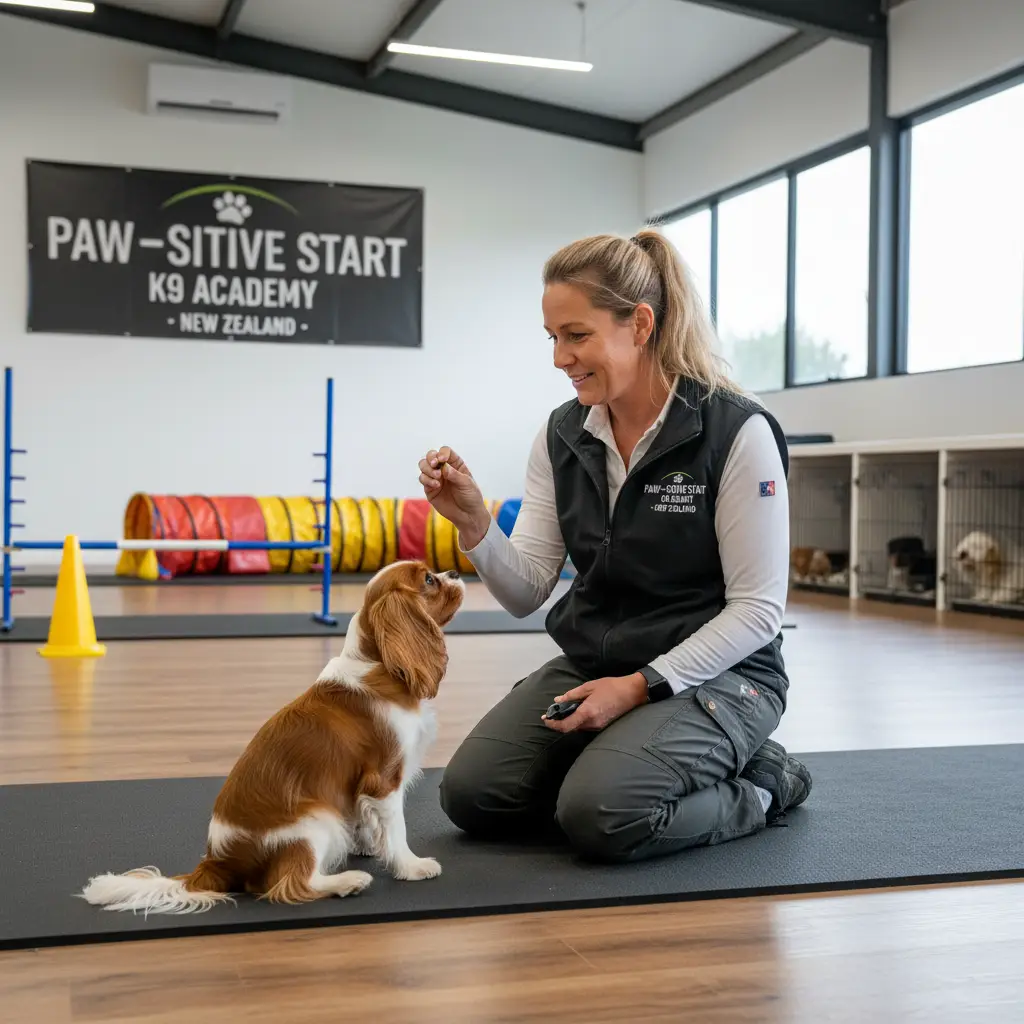
Clicker training is a precise form of positive reinforcement where a distinct sound (the click) marks the exact moment a pet performs the desired behavior, followed immediately by a reward. This precision helps pets understand exactly what they are being rewarded for. Lure-reward methods involve using a treat to guide a pet into a desired position (e.g., holding a treat over a dog’s head to encourage a sit). Once the pet performs the action, the lure is faded, and the behavior is rewarded. Both techniques are highly effective for teaching new commands and shaping complex behaviors.
Addressing Specific Commands: Sit, Stay, Recall, Leash Manners
Mastering basic commands is essential for safety and good citizenship. ‘Sit’ and ‘Stay’ are foundational for control and impulse management. A reliable ‘Recall’ (coming when called) is vital for off-leash safety, especially when enjoying New Zealand’s many dog-friendly parks and beaches. Leash manners, teaching your dog to walk calmly without pulling, make walks enjoyable for both owner and pet. These commands require consistent practice in various environments to ensure reliability.
Addressing Common Behavioral Issues: Solutions for NZ Pets
Even with the best intentions and training, pets in New Zealand may develop behavioral issues. Understanding the root cause of these problems is crucial for implementing effective solutions, often requiring a combination of training, environmental management, and sometimes professional intervention.
Separation Anxiety: Causes and Management in NZ Homes
Separation anxiety is a common issue for dogs, manifesting as destructive chewing, excessive barking, house soiling, or pacing when left alone. It often stems from an over-attachment to owners and a lack of confidence. Management strategies include gradual desensitization to departure cues, providing mentally stimulating toys, ensuring sufficient exercise before alone time, and sometimes using calming aids or medication under veterinary guidance. Consulting with an experienced pet behaviorist in NZ is highly recommended for severe cases.
Destructive Chewing and Digging
Destructive chewing and digging can be signs of boredom, anxiety, lack of appropriate outlets, or even teething in puppies. Solutions involve providing plenty of appropriate chew toys, ensuring adequate physical and mental exercise, supervising pets, and creating designated digging areas for dogs with strong instincts. For destructive chewing, positive redirection to a suitable item is key. Find durable, safe chew toys available from NZ pet stores.
Excessive Barking/Meowing
Excessive vocalization can be triggered by boredom, attention-seeking, fear, territoriality, or anxiety. Addressing this requires identifying the trigger. For boredom, increase exercise and mental stimulation. For attention-seeking, ignore the barking and reward silence. For territorial barking, manage exposure to triggers (e.g., closing curtains). Patience and consistency are vital, along with teaching an alternative, quiet behavior.
Aggression Towards Other Pets or Humans
Aggression is a serious issue that demands immediate professional intervention. It can stem from fear, resource guarding, pain, territoriality, or genetics. Never punish aggression, as this can worsen the problem. Instead, seek guidance from a certified veterinary behaviorist or a qualified dog trainer in New Zealand specializing in aggression. Management typically involves safety protocols, behavior modification techniques, and sometimes medication to reduce anxiety or reactivity.
For further resources on pet behavior and welfare, the SPCA New Zealand offers valuable guides and support for pet owners dealing with various challenges.
House Training Challenges
House training issues, especially for puppies or newly adopted pets, can be frustrating. A consistent schedule of potty breaks, rewarding successful elimination outdoors, and immediate cleanup of accidents (without punishment) are essential. For adult dogs, ensure there are no underlying medical conditions. For cats, ensure litter boxes are clean, in appropriate locations, and there are enough for the number of cats in the household. Accidents inside can sometimes signal stress or litter box aversion.
Resource Guarding
Resource guarding occurs when a pet defends food, toys, sleeping spots, or even people. This behavior can range from mild growling to biting. It’s often rooted in insecurity. Management involves teaching the pet that approaching their resources leads to good things (e.g., trading for a higher-value treat), avoiding confrontational approaches, and seeking professional help. Never challenge a resource-guarding pet, as this can escalate the behavior.
Fear-Based Behaviors (Loud Noises, Strangers)
Many pets exhibit fear of loud noises (thunderstorms, fireworks) or unfamiliar people/animals. Desensitization and counter-conditioning are key. Gradually expose the pet to the fear-inducing stimulus at a low intensity while simultaneously pairing it with something positive (treats, praise). Creating a safe ‘den’ for the pet during fearful events can also help. For severe phobias, consult with a veterinarian or a qualified behaviorist in NZ.

Building a Strong Bond with Your Pet: Beyond Training
While effective training techniques are crucial for managing behavior, the ultimate goal for any New Zealand pet owner is to forge a deep, loving, and trusting bond with their animal companion. This connection goes beyond commands and obedience; it’s about mutual understanding, respect, and shared experiences.
Play and Enrichment: Beyond Basic Needs
Play is fundamental to a pet’s physical and mental well-being and a powerful tool for bonding. Regular play sessions with appropriate toys (interactive puzzle toys, fetch, tug-of-war for dogs, feather wands for cats) satisfy natural instincts, reduce boredom, and provide an outlet for energy. Environmental enrichment, such as puzzle feeders, scent work, and varied walking routes, keeps pets engaged and prevents behavioral problems stemming from monotony. Providing a stimulating environment demonstrates care and deepens the bond.
Understanding Your Pet’s Unique Personality
Just like humans, every pet has a unique personality, quirks, and preferences. Some dogs are cuddle bugs, while others prefer their space. Some cats are outgoing, while others are shy. Taking the time to observe and truly understand your pet’s individual character, respecting their boundaries, and catering to their specific needs fosters a sense of security and trust. This individualised approach strengthens the relationship beyond generic training protocols.
Trust and Routine: Creating a Predictable Environment
Pets thrive on routine and predictability. Consistent feeding times, regular exercise schedules, and predictable interactions create a sense of security and reduce anxiety. When pets know what to expect, they feel safer and more confident in their environment and with their human companions. This trust forms the bedrock of a strong, healthy relationship, making training easier and life more enjoyable for both parties.
The Importance of Exercise and Mental Stimulation
Adequate physical exercise is non-negotiable for a healthy pet, especially in New Zealand where many breeds are active. A tired dog is often a well-behaved dog. Beyond physical exertion, mental stimulation is equally important. Training sessions, puzzle toys, sniff walks, and learning new tricks all challenge a pet’s mind, preventing boredom-related behaviors and enhancing their cognitive function. A pet that is both physically and mentally satisfied is a happier, more bonded companion. For an overview of animal intelligence, consider resources like Wikipedia’s page on Animal Cognition.
Seeking Professional Help in NZ: Veterinarians, Certified Trainers, and Behaviorists
Sometimes, despite best efforts, pet owners in New Zealand face challenges that require professional guidance. Veterinarians are the first point of contact for any sudden behavioral change, as medical issues can often underlie behavioral problems. For persistent training difficulties or complex behavioral issues, consulting a certified professional dog trainer (CPDT) or a veterinary behaviorist is crucial. These experts can offer tailored strategies and support, helping both pet and owner navigate complex situations safely and effectively, ensuring the well-being of the beloved companion.
People Also Ask About Pet Behavior Training in NZ
What is the best way to find a pet behaviorist in NZ?
To find a pet behaviorist in New Zealand, start by asking your veterinarian for recommendations. They often have connections with qualified professionals. You can also search online directories for certified professionals, such as those listed by the APDT NZ (Association of Professional Dog Trainers New Zealand) or ACVB (American College of Veterinary Behaviorists), ensuring they have recognized certifications and positive client reviews.
How much does pet behavior training cost in New Zealand?
The cost of pet behavior training in New Zealand varies significantly depending on the type of service (group classes, private sessions, boot camps), the trainer’s experience, and the specific issue being addressed. Group puppy classes might range from $150-$300 for a course, while private one-on-one sessions could be $80-$200 per hour. Intensive behavioral consultations for serious issues can be more expensive, potentially $300-$800 for an initial assessment and follow-up plans.
When should I start training my puppy or kitten in NZ?
You should start training your puppy or kitten as soon as you bring them home, typically around 8-12 weeks of age. Early socialization and basic obedience (like house training and bite inhibition) are crucial during this formative period. Enroll them in puppy or kitten preschool classes to ensure they learn appropriate social skills in a safe environment, setting them up for a well-adjusted life.
Are there specific laws for dog training in New Zealand?
While New Zealand does not have specific laws directly dictating dog training methods, the Animal Welfare Act 1999 governs the care and treatment of animals, prohibiting cruelty and promoting their welfare. This implicitly encourages humane, force-free training methods. Local councils also have bylaws regarding dog control, leashing, and nuisance barking, which good training can help address, ensuring responsible pet ownership.
Can older pets in NZ be trained to change their behavior?
Yes, older pets in New Zealand can absolutely be trained to change their behavior. The adage ‘you can’t teach an old dog new tricks’ is a myth. While it may take more patience and consistency, older pets are often more focused and eager to please. They can learn new commands, break old habits, and even overcome long-standing behavioral issues with the right positive reinforcement techniques and professional guidance if needed.
What are common behavioral issues for cats in NZ?
Common behavioral issues for cats in New Zealand include inappropriate urination/defecation outside the litter box, scratching furniture, aggression towards other pets or humans, excessive vocalization, and compulsive behaviors like over-grooming. Many of these stem from stress, lack of environmental enrichment, territorial disputes, or underlying medical conditions. Addressing them often involves environmental modification, stress reduction, and veterinary consultation.