Owning a pet in New Zealand is a rewarding experience, deeply ingrained in the Kiwi lifestyle. From beach runs with rescue dogs to cozy evenings with companion cats, our pets are family. However, unlike human healthcare in New Zealand, which is subsidized by the government, veterinary care is a private industry. There is no “ACC for pets,” meaning owners are fully liable for the costs of accidents and illnesses. This reality makes understanding pet insurance critical for responsible pet ownership.
A comprehensive pet insurance NZ comparison involves evaluating policy premiums, annual coverage limits, co-payment percentages, and specific exclusions to determine the best financial protection for your animal. By comparing these factors across major providers, Kiwi pet owners can secure coverage that mitigates the high costs of emergency veterinary surgery and chronic illness management.
The Landscape of Pet Insurance in New Zealand
In recent years, the veterinary industry in New Zealand has seen a significant shift. Advances in veterinary medicine mean that conditions once considered untreatable can now be managed with sophisticated surgeries, chemotherapy, and long-term medication. While this is excellent news for pet longevity, it comes with a substantial financial burden. A simple fracture repair can cost upwards of $3,000, while complex surgeries like a total hip replacement can exceed $8,000.
Despite these rising costs, insurance uptake in New Zealand still trails behind countries like the UK. However, the market is maturing. We now have a variety of underwriters and providers offering everything from basic “accident-only” plans to comprehensive “gold standard” policies that cover illness, dental care, and even alternative therapies.
For those in the Pet Rescue NZ community, insurance is particularly pertinent. Rescue animals may come with unknown histories, and while mixed breeds generally benefit from hybrid vigor, they are not immune to accidents or age-related diseases. Securing insurance early is the most effective way to guarantee that financial constraints never dictate the quality of care your rescue pet receives.

Comparing Pet Insurance Providers in NZ
Conducting a thorough pet insurance NZ comparison requires looking beyond the monthly premium. While a low monthly fee is attractive, it often correlates with high excess payments, low annual limits, or strict sub-limits on specific conditions. When analyzing providers such as Southern Cross Pet Insurance, PD Insurance, Petcover, and AA Pet Insurance, you must weigh several structural components of the policy.
1. The Excess vs. Co-payment Structure
This is often the most confusing part of a policy for new owners.
- Excess: A fixed dollar amount you pay per condition or per year (e.g., $100 or $250).
- Co-payment: A percentage of the bill you are responsible for (e.g., 20%).
Some NZ providers charge only an excess, some charge only a co-pay, and some charge both—especially as the pet ages. For example, a policy might cover 100% of the bill after a $150 excess for a puppy, but once the dog turns 8, the policy might switch to covering only 80% of the bill. Always check the “aging” clauses in the Product Disclosure Statement (PDS).
2. Annual Limits and Sub-limits
The “Annual Limit” is the maximum amount the insurer will pay in a 12-month period. In the NZ market, this can range from $5,000 to over $20,000.
Crucial Tip: Look for “sub-limits.” A policy might have a generous $15,000 annual limit but a strict $1,000 sub-limit for cruciate ligament surgery. Given that cruciate surgery often costs $3,000+, such a sub-limit would leave you significantly out of pocket.
3. Accident Only vs. Comprehensive
When comparing policies, ensure you are comparing apples with apples:
- Accident Only: Covers physical injuries (hit by a car, snake bite, broken bone). It does not cover illnesses (cancer, diabetes, skin infections).
- Accident and Illness: The most common choice. Covers injuries and sickness.
- Comprehensive/Premium: Often includes extras like dental illness, boarding fees if you are hospitalized, and vaccinations (usually as an optional add-on).
Understanding Policy Coverage and Exclusions
To truly master your pet insurance NZ comparison, you must understand what is not covered. Exclusions are standard across the industry, but the specifics vary.
Pre-existing Conditions
This is the golden rule of pet insurance: No provider covers pre-existing conditions. If your cat has visited the vet for a limp before you bought the policy, any future arthritis or issues related to that leg will likely be excluded. This is why insuring your pet as a puppy or kitten—or immediately upon adoption—is vital. Some insurers in NZ offer a review of pre-existing conditions if the animal has been symptom-free for a set period (usually 18-24 months), but this is not guaranteed.
Bilateral Conditions
A “bilateral condition” refers to body parts that come in pairs, such as eyes, ears, and knees (cruciate ligaments). If your dog tore a cruciate ligament in the left leg before you got insurance, the insurer will often exclude the right leg as well, anticipating that the other leg is prone to the same issue. This is a massive factor for large breed owners.
Breed-Specific Exclusions
Certain breeds are high-risk. Bulldogs and Pugs often have exclusions related to their breathing (Brachycephalic Airway Syndrome). German Shepherds may have hip dysplasia exclusions unless you pay for a specific premium package. Always read the fine print regarding your specific breed.
For authoritative advice on consumer rights regarding insurance contracts, Consumer NZ provides excellent resources on what to look for in policy wording to ensure you aren’t being treated unfairly.
Is Pet Insurance Worth It in NZ?
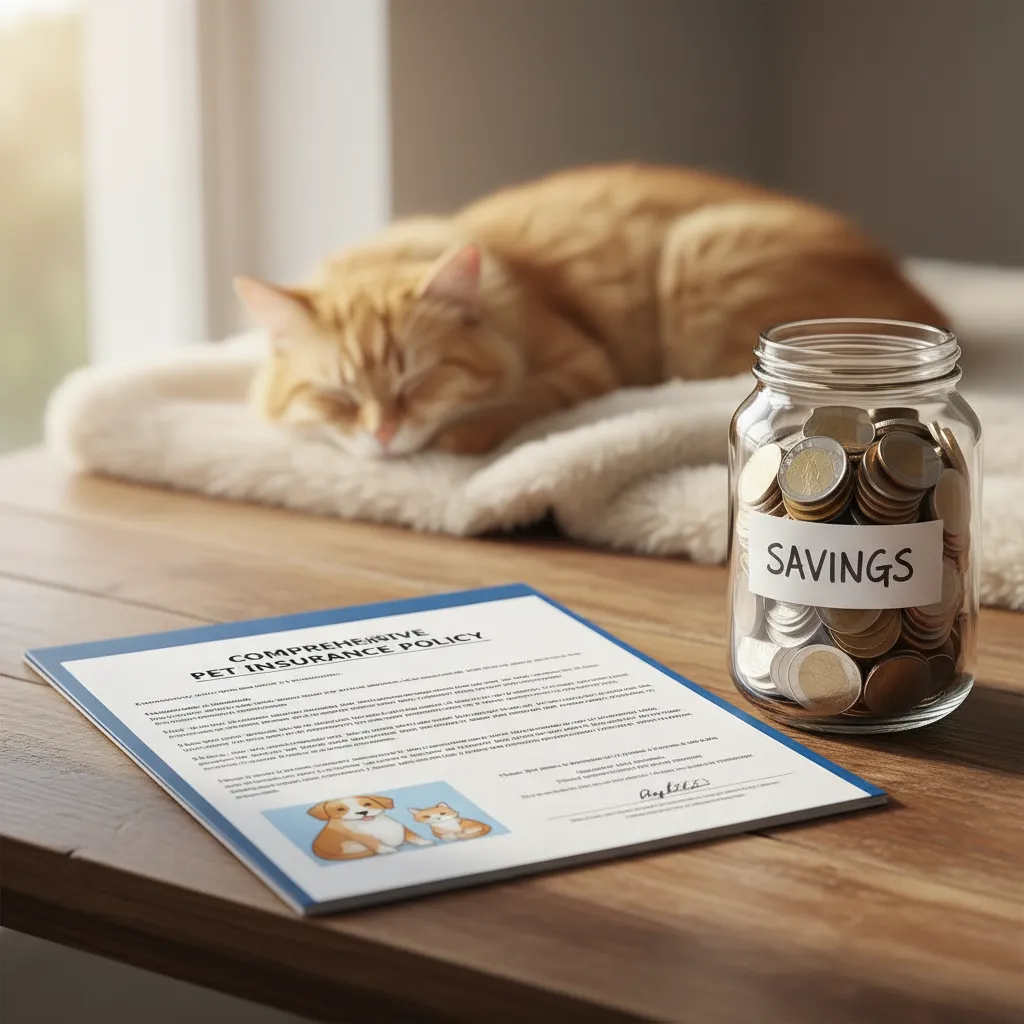
The question of value is subjective and depends on your financial resilience. To determine if it is worth it, consider the “Catastrophic Loss” model. Can you afford a sudden $5,000 bill on a Tuesday afternoon? If the answer is no, insurance is a safety net that prevents “economic euthanasia”—the heartbreaking decision to put a pet to sleep because treatment is unaffordable.
The Self-Insurance Alternative
Some financial advisors suggest “self-insurance,” where you put the equivalent of a premium (e.g., $60/month) into a savings account.
The Risk: If your pet has a major accident in month three, you only have $180 in the account. Insurance provides immediate access to thousands of dollars of coverage from the moment waiting periods are over. Furthermore, chronic conditions like diabetes require lifelong medication, which will quickly drain a savings account, whereas insurance renews the limit annually (provided it’s a “covered for life” policy).
Special Considerations for Rescue Pets
Adopting from a shelter like the SPCA or a local rescue group is a noble act, but it requires a strategic approach to insurance. Rescue pets often have gaps in their medical history.
When insuring a rescue pet:
- Get a Vet Check Immediately: Within 24 hours of adoption, have a full check-up. This establishes a baseline. Anything found after this check (and after the policy waiting period) is generally considered a new condition.
- Ask for Shelter Records: Provide your insurer with all records from the rescue organization. Transparency prevents claims from being denied later due to “non-disclosure.”
- Select Accident & Illness: Since you don’t know the genetic history, comprehensive coverage is safer than accident-only.
Tips for Making a Claim
The claim process can be stressful, usually because it coincides with your pet being unwell. However, following a strict protocol can ensure your claim is processed smoothly.
1. Keep Detailed Records
Maintain a file (digital or physical) with your pet’s full clinical history. Insurers will request the full history for the first claim to rule out pre-existing conditions. Having this ready speeds up the process significantly.
2. Understand Waiting Periods
Every policy has waiting periods. Typically, this is 21 days for illness and 48 hours for accidents. Cruciate ligament issues often have a 6-month waiting period. Do not try to claim for conditions that appeared during this window.
3. Pre-approval is Your Friend
For non-emergency surgeries (like a scheduled tooth extraction or lump removal), ask your vet to submit a “pre-approval” request to the insurer. This gives you a written guarantee that the procedure will be covered before you spend the money.
Frequently Asked Questions (PAA)
Below are some of the most common questions regarding pet insurance in New Zealand.
How much does pet insurance cost on average in NZ?
The cost varies significantly based on breed, age, and location. On average, accident-only cover can start from around $15-$20 per month, while comprehensive accident and illness cover typically ranges between $40 and $80 per month. Premiums for specific breeds (like French Bulldogs) or older pets will be higher.
Does pet insurance cover vaccinations and desexing?
Standard policies generally do not cover routine care like vaccinations, desexing, or flea/worm treatments. However, many NZ providers offer an optional “Wellness” or “Routine Care” add-on for an extra monthly fee that contributes towards these costs.
Can I get pet insurance for an older dog or cat?
Yes, but options are limited. Many providers have an upper age limit for starting a new policy (often 7 to 9 years old). Once insured, many policies offer “lifetime cover” as long as you don’t let the policy lapse, though premiums and excess usually increase with age.
What are the waiting periods for pet insurance in NZ?
Standard waiting periods are typically 48 hours for accidents and 21 to 30 days for illnesses. Specific conditions like cruciate ligament injuries often have a longer waiting period, commonly 6 months, to prevent people from buying insurance only after an injury occurs.
Does pet insurance cover pre-existing conditions?
No, pet insurance policies in NZ do not cover pre-existing conditions. A pre-existing condition is any ailment or injury that showed symptoms or was treated before the policy start date or during the waiting period. Some insurers may waive this exclusion for certain conditions if the pet has been symptom-free for a long period.
Is there a multi-pet discount available?
Yes, most major New Zealand pet insurance providers offer a multi-pet discount, typically ranging from 5% to 10% off the premium for each additional pet added to the policy.
Ultimately, choosing the right protection for your furry family member is about peace of mind. By performing a detailed pet insurance NZ comparison, you ensure that when the unexpected happens, your focus remains entirely on your pet’s recovery rather than your bank balance.