To find the best pet products in NZ, discerning pet owners must navigate a diverse market of pet food, accessories, and health items. This definitive guide offers an in-depth comparison of top-rated pet essentials and services available across New Zealand, empowering you to make optimal choices for your beloved companions’ wellbeing.
Unbiased Product Reviews: Finding Quality for Your Companion
Selecting the right products for your pet is paramount to their health, happiness, and longevity. New Zealand’s pet market offers a vast array of choices, but quality varies significantly. This section delves into crucial product categories, providing insights to help you distinguish between good, better, and best, ensuring your pet receives nothing short of excellence. Our focus is on transparency, effectiveness, and value, enabling you to cut through marketing noise and identify truly beneficial items.
Nutrition: Deciphering Pet Food Labels
The foundation of a healthy pet begins with their diet. In NZ, pet food options range from dry kibble and wet food to raw and fresh diets, each with proponents and detractors. When evaluating pet food, meticulous label reading is essential. Look for specific, named meat sources as the primary ingredient (e.g., “chicken meal” instead of “meat derivatives”). Avoid foods laden with artificial colours, flavours, and excessive fillers like corn or wheat, which can be allergens for many animals. Consider brands that transparently list their ingredient sourcing and manufacturing processes. For example, some premium NZ brands pride themselves on using locally sourced, human-grade ingredients, which can offer superior nutritional profiles and digestibility. Always match the food type to your pet’s life stage, breed, activity level, and any specific health conditions they might have, consulting with your vet for tailored recommendations. The nutritional completeness and balance, often indicated by AAFCO (Association of American Feed Control Officials) statements, are key indicators of a reputable product, even if AAFCO is not an NZ-specific body, it’s a globally recognised standard for pet food nutrient profiles.
Comfort & Safety: Beds, Crates, and Carriers
A pet’s environment plays a critical role in their comfort and security. Beds should offer adequate support for joints, especially for older or larger breeds, and be made from durable, easy-to-clean materials. Orthopaedic beds with memory foam are an excellent investment for pets prone to arthritis or hip dysplasia. Crates and carriers are not just for transport; they can serve as safe havens and aid in training. For crates, choose a size that allows your pet to stand, turn around, and lie down comfortably. Material choice is important too – wire crates offer good ventilation, while plastic ones provide more den-like privacy. For carriers, prioritise secure latches, good ventilation, and comfortable handles. For cats, top-loading carriers can significantly reduce stress during vet visits. Consider crash-tested carriers for car safety, offering peace of mind during travel. Durability and ease of cleaning are recurring themes here, ensuring these essential items stand the test of time and maintain hygiene.
Play & Enrichment: Toys and Training Aids
Mental and physical stimulation is vital for a happy, well-adjusted pet. Toys should be appropriate for your pet’s size, breed, and chewing habits to prevent choking hazards or premature destruction. For aggressive chewers, look for durable rubber or nylon toys. Puzzle toys are excellent for mental enrichment, dispensing treats as pets solve challenges, which can also slow down fast eaters. Training aids, such as clickers, treat pouches, and long lines, facilitate positive reinforcement training, strengthening the bond between you and your pet. When selecting toys, consider non-toxic materials, especially for pets that tend to ingest parts. Rotating toys can keep your pet engaged and prevent boredom. Interactive toys, like laser pointers for cats or fetch toys for dogs, encourage activity. Ensuring toys meet safety standards, like those for children’s toys (though not specifically mandated for pet toys), offers an extra layer of reassurance regarding material safety and construction quality.
Grooming Essentials: Keeping Pets Pristine
Regular grooming is more than just aesthetics; it’s crucial for your pet’s health, preventing skin issues, matting, and dental problems. Essential grooming tools include brushes suitable for your pet’s coat type (e.g., slicker brushes for shedding, de-shedding tools for dense undercoats), pet-specific shampoos and conditioners (pH-balanced for animals), nail clippers, and dental care products. For dental hygiene, enzymatic toothpastes and toothbrushes are effective, alongside dental chews designed to reduce plaque and tartar. Ear cleaners formulated for pets can prevent infections. When choosing shampoos, opt for natural, hypoallergenic formulas if your pet has sensitive skin. Always introduce grooming routines gently and positively from a young age to ensure a stress-free experience for your pet. Investing in quality grooming tools will make the process easier and more effective, contributing significantly to your pet’s overall wellbeing and comfort.

Comparing Essential Pet Supplies: From Daily Needs to Special Care
Beyond the basics, a range of essential supplies caters to the specific needs of different pet types, ensuring their environment and daily routines are optimized for their species-specific requirements. This section focuses on a comparative analysis of these critical items, highlighting what to look for to provide the best possible care for your cats, dogs, small animals, and birds, while also considering their health and preventative needs.
Cat Care: Litter, Scratch Posts, and More
For feline companions, specific supplies are crucial for maintaining hygiene and providing appropriate behavioural outlets. Cat litter comes in various forms: clay, silica gel, wood pellets, and biodegradable options like corn or paper. Clumping clay litter is popular for its ease of scooping and odour control, but dust levels can be a concern. Silica gel is highly absorbent and odour-controlling but can be more expensive. Environmentally conscious owners might prefer wood or corn litters, which are often biodegradable and renewable. The choice often depends on your cat’s preference and your willingness to manage dust and tracking. Scratch posts and trees are non-negotiable for cats, providing an outlet for natural scratching behaviour, saving your furniture, and offering climbing opportunities and resting spots. Look for sturdy, tall scratch posts covered in sisal rope or cardboard, catering to both vertical and horizontal scratchers. Enrichment toys like interactive feeders and elevated perches also contribute significantly to a cat’s indoor environment.
Dog Gear: Leashes, Collars, and Apparel
For dogs, appropriate gear is vital for safety, training, and comfort, particularly during walks and outdoor adventures. Collars are essential for identification tags and leashes. Choose durable materials like nylon, leather, or biothane. Ensure the collar fits correctly – two fingers should comfortably slide underneath. Harnesses are often recommended over collars for dogs that pull, as they distribute pressure more evenly across the chest, preventing strain on the neck and trachea. Reflective stitching on collars and leashes is a smart safety feature for low-light conditions. For NZ’s varied climate, apparel like waterproof coats for winter walks or cooling vests for hot summer days can significantly enhance your dog’s comfort. For specific training needs, long lines, head halters, or no-pull harnesses might be necessary, but always seek professional advice to use them correctly. The New Zealand Ministry for Primary Industries (MPI) provides guidelines and information regarding animal welfare, which can indirectly inform choices about safe and appropriate dog gear. Visit MPI’s Animal Welfare section for more details.
Small Animal & Bird Supplies: Cages, Feeders, and Substrates
Small animals like rabbits, guinea pigs, hamsters, and birds have unique housing and environmental needs. Cages must be spacious enough for movement, exercise, and separate areas for eating, sleeping, and toileting. For rabbits and guinea pigs, large hutches with secure outdoor runs are ideal. Hamsters require deep bedding for burrowing. Bird cages should allow birds to fully extend their wings and have various perches of different diameters to prevent foot problems. Appropriate bedding/substrate is crucial: dust-free paper-based products for small animals and absorbents like pine shavings (avoid cedar due to respiratory irritants). Food bowls and water bottles/dispensers should be easy to clean and replenish. For birds, ensure perches are natural branches where possible, and provide toys for mental stimulation. Understanding the specific needs of your small pet or bird’s species is key to providing a stimulating and healthy habitat.
Health & Wellness: Supplements and Preventatives
Maintaining optimal pet health involves proactive measures, including supplements and preventative treatments. Flea, tick, and worming treatments are non-negotiable in NZ, available as spot-ons, oral medications, or collars. Always choose products appropriate for your pet’s species, weight, and age, and adhere strictly to dosage guidelines. Consult your veterinarian for the most effective and safe preventative schedule for your region and pet’s lifestyle. Supplements, while not always necessary for a balanced diet, can support specific health areas. Glucosamine and chondroitin are popular for joint health in older dogs or breeds prone to arthritis. Probiotics can aid digestion and gut health, especially after antibiotic treatment or for pets with sensitive stomachs. Omega-3 fatty acids benefit skin, coat, and cognitive function. Always discuss any supplements with your vet to ensure they are appropriate and don’t interact with existing medications or health conditions, as some products can have adverse effects if used improperly.
Evaluating Professional Pet Services: Ensuring Expert Care
Beyond products, professional services form a critical support system for pet owners in New Zealand, offering expertise that contributes significantly to a pet’s health, training, and overall quality of life. Choosing the right service providers involves careful consideration of qualifications, reputation, and the specific needs of your pet. This section guides you through evaluating these essential services to ensure your companion receives the highest standard of care.
Veterinary Care: Choosing the Right Clinic
Your choice of veterinary clinic is one of the most important decisions you’ll make as a pet owner. Look for clinics with qualified, compassionate staff, clear communication, and a range of services from routine check-ups and vaccinations to emergency care, surgery, and dental services. Consider factors like location, opening hours (including after-hours emergency options), and the clinic’s philosophy on patient care. Many clinics in NZ offer advanced diagnostics like X-rays, ultrasound, and in-house laboratory testing. Reading online reviews and seeking recommendations from other pet owners or local animal welfare organisations can provide valuable insights. Discuss pricing structures, payment plans, and pet insurance options early on. A good veterinary practice acts as a trusted partner in your pet’s long-term health journey. For information on veterinary standards and registered professionals in NZ, the Veterinary Council of New Zealand is an excellent resource.
Grooming Services: Professional Touch for Pet Hygiene
While home grooming is important, professional grooming services offer expertise for more complex needs, especially for breeds with specific coat requirements or pets with anxiety around grooming. Professional groomers can handle tasks like de-shedding, dematting, breed-specific cuts, anal gland expression, and nail trims. When choosing a groomer, look for certifications, experience with your pet’s breed, and a facility that is clean, safe, and stress-free. Ask about their handling techniques, especially if your pet is nervous or has special needs. A reputable groomer will prioritise your pet’s comfort and safety above all else. Mobile grooming services are also an option for convenience and reducing travel stress for some pets. Always check reviews and ask for before-and-after photos of their work. Regular professional grooming not only keeps your pet looking great but also allows groomers to spot potential skin issues or lumps that might otherwise go unnoticed.
Training & Behaviour: Nurturing Well-Mannered Pets
Professional training and behaviour services are invaluable for addressing behavioural challenges, developing good manners, and strengthening the bond between pet and owner. Options include group classes (puppy preschool, obedience), private one-on-one sessions, and specialised behaviour consultations. When selecting a trainer or behaviourist, seek those who employ positive reinforcement methods, which are humane and effective. Avoid trainers who use harsh, outdated, or fear-based techniques. Look for certifications from reputable organisations and experience with your pet’s specific breed or issue. A good trainer will teach you how to communicate effectively with your pet, empowering you to continue training at home. For complex behavioural issues like aggression or severe anxiety, a qualified veterinary behaviourist is often the best choice, as they can combine training with medical insights. Investing in professional training early on can prevent future problems and lead to a happier, more harmonious household.
Pet Sitting & Boarding: Trusted Care While You’re Away
When you need to travel, reliable pet care is essential. Pet sitting and boarding services offer different environments. Pet sitters come to your home, providing care in a familiar setting, which is often less stressful for pets, especially cats and small animals. They can also manage your mail, plants, and home security. Boarding kennels and catteries provide supervised care in a dedicated facility. When evaluating boarding facilities, visit in person to check cleanliness, safety protocols, exercise routines, and staff-to-pet ratios. Ask about vaccination requirements, emergency procedures, and how they handle dietary needs or medication. For pet sitters, ensure they are insured, bonded, and have excellent references. Many services also offer doggy daycare, providing supervised playtime and socialisation for dogs during the day. Choosing a reputable, caring provider ensures your pet receives excellent care while you’re away, giving you peace of mind.

Making Informed Purchasing Decisions: Value, Ethics, and Sustainability
The journey to providing the best for your pet culminates in making informed purchasing decisions. This involves more than just price; it encompasses understanding the true cost of pet ownership, knowing where to buy, leveraging community wisdom through reviews, and critically, considering the ethical and sustainable impact of your choices. In a market as dynamic as New Zealand’s pet industry, being a conscious consumer benefits not only your pet but also the wider community and environment, aligning with the values of responsible pet ownership often advocated by organisations like Pet Rescue NZ.
Budgeting for Pet Ownership: Understanding Costs
Pet ownership comes with significant financial responsibilities, often underestimated by new owners. Beyond the initial purchase or adoption fee, ongoing costs include food, regular vet check-ups, vaccinations, flea and worm treatments, grooming, toys, and potentially pet insurance. Unexpected costs can arise from emergencies, illnesses, or specialised training. Creating a comprehensive budget helps manage these expenses. Research average costs for your specific pet’s breed and size in New Zealand. For instance, large dog breeds will consume more food and require larger doses of preventatives than small breeds. Factor in costs for annual health checks, dental cleaning, and potential emergency funds. Being financially prepared ensures you can provide consistent, high-quality care without compromising on your pet’s needs, making responsible decisions easier.
Online vs. Local Stores: Where to Buy?
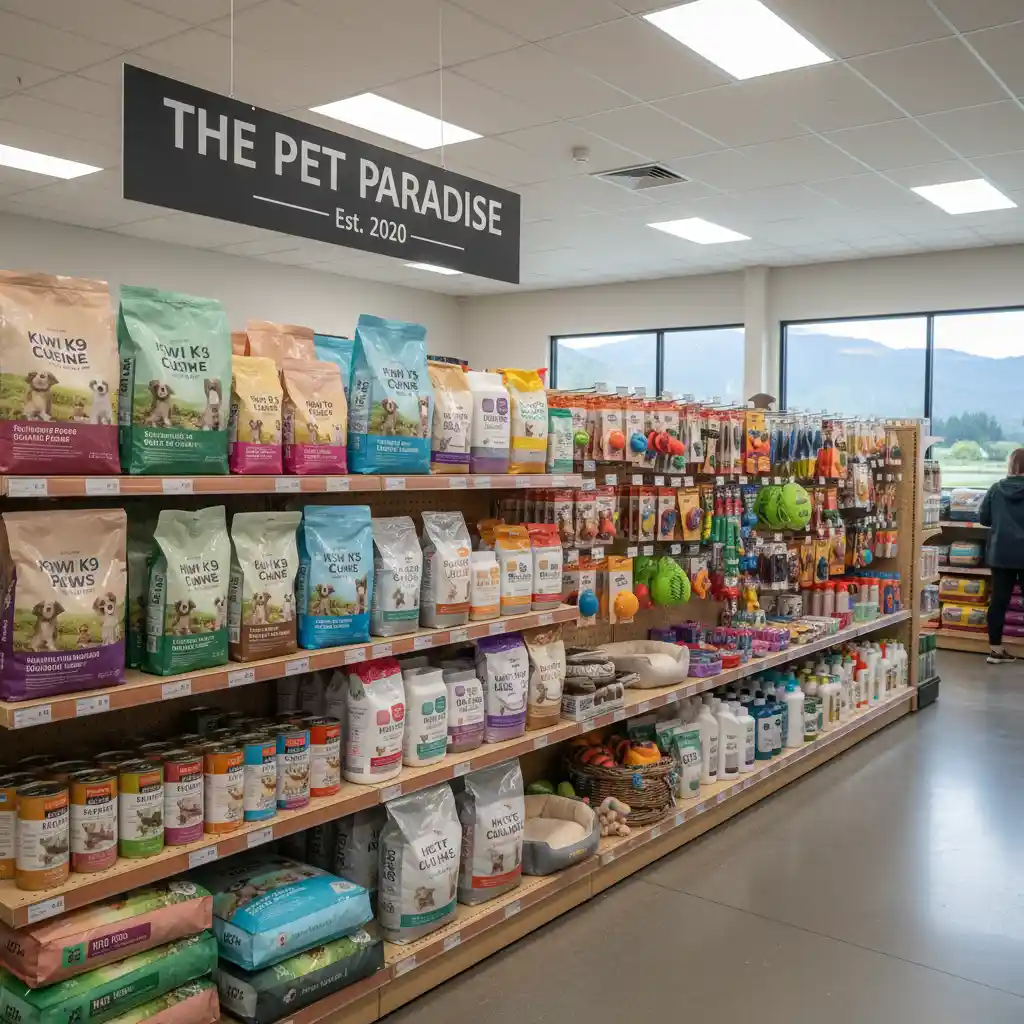
The choice between purchasing pet products online or from local brick-and-mortar stores depends on several factors. Online retailers often offer a wider selection, competitive pricing, and the convenience of home delivery, which is especially useful for bulky items like large bags of food or litter. However, local pet stores provide immediate access to products, the ability to physically inspect items, and invaluable expert advice from knowledgeable staff. Supporting local businesses also strengthens your community economy and can offer a more personalised shopping experience. Some local stores might carry unique, artisanal, or niche NZ-made products not available online. For services, local connections are paramount for building relationships with veterinarians, groomers, and trainers. A hybrid approach, buying staples online and special items or seeking advice locally, often works best for many pet owners.
Reading Reviews & Seeking Recommendations
Before making a purchase or committing to a service, leverage the power of community feedback. Online reviews on websites, social media groups, and dedicated pet forums in New Zealand can provide honest insights into product quality and service reliability. Look for trends in feedback: consistent praise for durability, effectiveness, or excellent customer service. Similarly, recurring complaints about poor quality, slow shipping, or difficult staff should raise red flags. Beyond online sources, seek recommendations from trusted friends, family, your veterinarian, or local pet rescue organisations. These personal endorsements often carry more weight and can guide you towards reputable brands and service providers who have already proven their value within the NZ pet community.
Ethical Considerations: Supporting Responsible Brands
As responsible pet owners, our purchasing decisions have a broader impact. Consider supporting brands that align with ethical practices, sustainability, and animal welfare. Look for companies that use ethically sourced ingredients, have transparent supply chains, minimise environmental impact through eco-friendly packaging or sustainable manufacturing processes, and avoid animal testing. Many NZ pet brands pride themselves on these values, often using local, natural ingredients and supporting local communities. By choosing these brands, you’re not only providing the best for your pet but also contributing to a more responsible industry. Furthermore, consider supporting businesses that give back to animal welfare charities or local pet rescue initiatives, reinforcing a cycle of care and compassion within the New Zealand pet community. Your choices can drive positive change and reflect your commitment to pets beyond your own.
People Also Ask
What are the best dog food brands available in NZ?
In New Zealand, top dog food brands often prioritised for quality include ZiwiPeak, K9 Natural, Orijen, Black Hawk, and Royal Canin. These brands are frequently recommended due to their high-quality ingredients, balanced nutritional profiles, and suitability for various life stages and dietary needs. However, the ‘best’ brand ultimately depends on your dog’s specific health requirements, breed, age, and individual preferences. Consulting with your veterinarian can help tailor the perfect choice for your canine companion.
Where can I find affordable yet high-quality pet supplies in New Zealand?
For affordable yet high-quality pet supplies in New Zealand, consider checking online retailers like Pet.co.nz, Pet Direct, and Budget Pet Products, which often have competitive pricing and frequent sales. Local discount stores and larger supermarkets also carry basic pet essentials. For specific items, often local pet stores run loyalty programs or sales. Buying in bulk for non-perishable items can also reduce costs over time. Always compare prices and read reviews to ensure quality isn’t compromised for the sake of affordability.
How do I choose the best vet clinic in my area of NZ?
Choosing the best vet clinic in your NZ area involves researching local clinics, reading online reviews, and asking for recommendations from trusted friends, family, or local pet rescue organisations. Key factors to consider include the veterinarians’ qualifications and specialisations, the range of services offered (e.g., emergency care, diagnostics), clinic cleanliness and facilities, staff compassion, and transparent pricing. Visiting the clinic beforehand for a meet-and-greet can also help you assess the environment and staff demeanour.
Are pet insurance services worth it in New Zealand?
Pet insurance in New Zealand can be a worthwhile investment, especially given the rising costs of veterinary care for unexpected illnesses or accidents. It provides financial peace of mind, allowing you to make medical decisions based on your pet’s needs rather than solely on cost. While monthly premiums are an ongoing expense, the potential for significant savings during an emergency or long-term treatment can outweigh these costs. Compare different policies, considering coverage limits, excess fees, and exclusions, to find one that best suits your budget and your pet’s health profile.
What ethical considerations should I make when buying pet products in NZ?
When buying pet products in NZ, ethical considerations include supporting brands that use sustainably sourced ingredients, environmentally friendly packaging, and demonstrate fair labour practices. Look for companies that avoid animal testing and contribute to animal welfare initiatives. Prioritising local NZ brands can also reduce carbon footprint and support the local economy. Making conscious choices helps ensure your purchases align with responsible and compassionate values for all animals and the planet.
How often should I professionally groom my pet in NZ?
The frequency of professional grooming in NZ depends largely on your pet’s breed, coat type, and lifestyle. Dogs with long, dense, or curly coats (e.g., Poodles, Shih Tzus) often require professional grooming every 4-8 weeks to prevent matting and maintain skin health. Short-haired breeds may only need grooming a few times a year for de-shedding or nail trims. Cats generally groom themselves, but long-haired breeds can benefit from professional de-shedding every few months. Always discuss a tailored grooming schedule with a professional groomer or your vet.