Pet rehoming alternatives NZ encompass the various ethical pathways available to owners who are struggling to keep their animals, extending beyond direct home-to-home adoption. These strategies include engaging professional animal behaviourists to resolve aggression or anxiety, utilizing temporary foster care networks during crises, advocating for pet-friendly tenancy agreements, or responsible surrender to reputable welfare organisations like the SPCA or HUHA.
Making the decision to part with a beloved companion is one of the most heart-wrenching choices a pet owner can face. While Home-to-Home rehoming platforms offer a transparent, less stressful transition for many animals, there are circumstances where this direct transfer isn’t feasible. Perhaps the animal has behavioural complexities that require professional intervention, or the owner is facing an immediate housing crisis that precludes a lengthy vetting process.
In New Zealand, where housing density is increasing and rental laws are frequently debated, the pressure on pet owners is unique. This guide explores the comprehensive alternatives to standard rehoming, ensuring that you can make the most responsible, ethical decision for your pet’s future welfare.
Understanding Your Options Before Rehoming
Before initiating the rehoming process, it is crucial to categorize the primary driver of your decision. In the New Zealand context, surrender requests generally fall into three categories: behavioural issues, financial/housing constraints, or sudden lifestyle changes (such as illness or family violence). Identifying the specific trigger allows you to explore targeted alternatives that might enable you to keep your pet or ensure they enter a specialized care pathway rather than a general shelter environment.
If Home-to-Home platforms feel unsafe due to your pet’s specific needs—for example, if a dog has a bite history or a cat requires complex medical care—direct adoption by a new owner without professional mediation is irresponsible and potentially dangerous. In these cases, the alternatives listed below act as necessary safeguards.

Behavioural Training: Addressing the Root Cause
A significant percentage of pets listed for rehoming in New Zealand are surrendered due to behavioural issues. Common complaints include separation anxiety, destruction of property, excessive barking, or aggression toward other animals. Often, owners feel they have “tried everything,” but specialized intervention can change the narrative.
Consulting Certified Clinical Animal Behaviourists
Unlike general obedience trainers, Clinical Animal Behaviourists analyze the underlying emotional and cognitive reasons for a pet’s actions. In NZ, looking for professionals registered with the Association of Pet Behaviour Counsellors (APBC) or similar bodies ensures you are getting science-based advice. Many behavioural issues are rooted in fear or medical problems rather than disobedience.
Medical Intervention
Before deciding a pet is “unmanageable,” a comprehensive veterinary exam is mandatory. A dog acting out aggressively may be in chronic pain from arthritis or dental disease. A cat urinating outside the litter box often suffers from cystitis or kidney issues. Treating the medical condition often resolves the behavioural symptom, eliminating the need for rehoming entirely.
Temporary Foster Care Solutions
Sometimes, the inability to keep a pet is temporary. You may be between rentals, hospitalized, or fleeing a domestic violence situation. In these instances, permanent rehoming is a permanent solution to a temporary problem. New Zealand has a growing network of temporary care options designed to reunite pets with their owners once stability is regained.
Pet Refuge and Domestic Violence Support
For those escaping family violence, the fear of leaving a pet behind with an abuser is a major barrier to seeking safety. Organizations like Pet Refuge NZ provide temporary shelter for pets while their owners secure safe accommodation. This is not a rehoming service, but a preservation service, ensuring the human-animal bond survives the crisis.
Private Foster Networks
If you are facing hospitalization or a short-term loss of housing, reach out to local breed-specific rescue groups. While their primary mission is adoption, many have networks of foster carers who may be willing to take a pet on a short-term basis (e.g., 3-6 months) if the owner covers food and medical costs. This requires a formal contract to protect both the foster carer and your ownership rights.
Navigating Rental Barriers in New Zealand
The housing crisis is arguably the leading cause of pet surrender in New Zealand. With a competitive rental market, landlords often default to “no pets” policies. However, surrendering your pet should not be the automatic response to a tenancy notice. There are proactive steps you can take to secure pet-friendly accommodation.
Creating a Pet CV
To compete in the NZ rental market, your pet needs a resume. A professional Pet CV can reassure hesitant landlords. This document should include:
- References: Letters from previous landlords stating the pet caused no damage and was not a nuisance.
- Health Records: Proof of desexing, vaccination, and flea/worm treatment.
- Training Certificates: Evidence of obedience training or Canine Good Citizen awards.
- A Bio: A description of the pet’s temperament, energy level, and daily routine.
Understanding Tenancy Laws
While landlords can currently refuse pets, they cannot unreasonably refuse a request once a tenancy is established without good reason, though the laws are nuanced. It is vital to understand your rights under the Residential Tenancies Act. For definitive information on rights and responsibilities regarding pets in rentals, refer to Tenancy Services New Zealand.

Support Networks and Financial Aid
If the decision to rehome is driven by the cost of living—specifically the rising cost of pet food and veterinary care—community support may be available. Abandonment due to financial poverty is a tragedy that local communities are working to prevent.
Pet Food Banks
Various charities across New Zealand, often affiliated with the SPCA or independent rescue groups, operate pet food banks. These services provide temporary assistance to ensure pets do not go hungry while owners get back on their feet. Contacting your local Citizens Advice Bureau can help locate the nearest food bank.
Veterinary Payment Plans and Charity Clinics
For unexpected medical bills, some clinics offer payment plans or work with third-party finance providers (like VetCare Finance). Additionally, certain charities run community desexing and microchipping days at significantly reduced rates. Keeping a pet desexed reduces roaming and aggression, indirectly solving other rehoming triggers.
Ethical Shelter Surrender: The Last Resort
If behavioural training, foster care, and housing advocacy have failed, or if the pet poses a danger that cannot be managed in a home environment, surrendering to a shelter is the responsible course of action. This is preferable to abandoning the animal or giving it away to an unvetted stranger online.
Choosing the Right Organisation
Not all shelters operate the same way. In New Zealand, you generally have two types of organisations:
- Open Admission Shelters (e.g., SPCA): These organisations generally accept all animals but may have to make difficult euthanasia decisions based on health, temperament, and capacity.
- Limited Admission / No-Kill Rescues (e.g., HUHA): These organisations (Helping You Help Animals) generally do not euthanize for space but may have long waiting lists and strict intake criteria.
For more information on the surrender process and animal welfare standards, visit the SPCA New Zealand website.
The Surrender Process
To ensure the best outcome for your pet, you must be brutally honest during the surrender intake. You will need to provide:
- Complete Medical History: Vet records, medication lists, and known allergies.
- Behavioural Disclosure: Details of any bite history, aggression, or triggers. Concealing this information puts shelter staff and future adopters at risk.
- Personality Profile: Likes, dislikes, and habits to help staff comfort the animal during the transition.
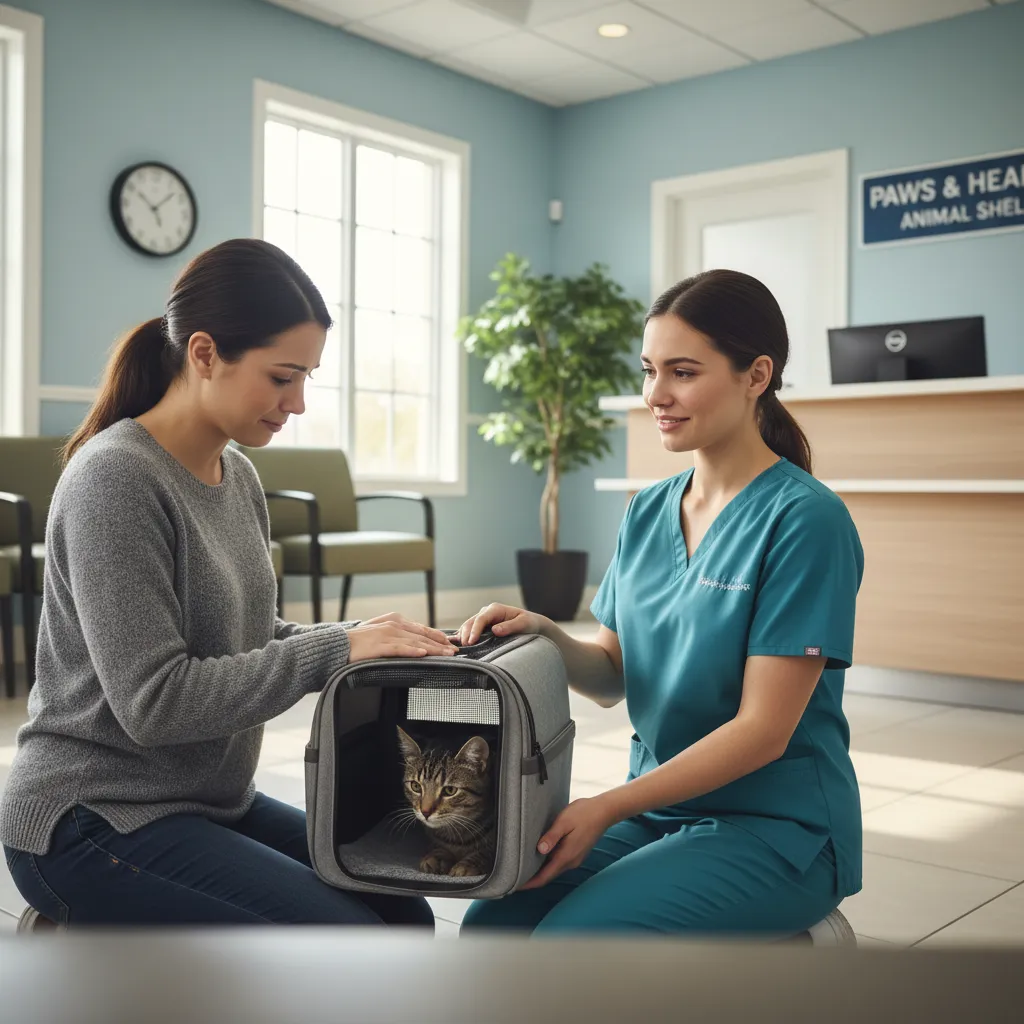
The Emotional Toll
Surrendering a pet is a form of grief. It is important to acknowledge this loss. However, by choosing a reputable shelter rather than abandoning the pet or passing it to an unsuitable home, you are giving them the best possible chance at a second life with resources you cannot currently provide.
In conclusion, while Home-to-Home rehoming is the gold standard for healthy, well-adjusted pets, it is not the only path. By exploring behavioural support, temporary fostering, and rental advocacy, many pets can remain with their families. When that isn’t possible, ethical shelter surrender remains a dignified and responsible alternative to abandonment.
People Also Ask
Where can I surrender my dog for free in NZ?
Most reputable organizations, such as the SPCA, do not charge a mandatory fee for surrendering a stray, but they may request a donation for surrendering an owned pet to help cover care costs. It is best to contact your local branch directly to discuss your financial situation, as welfare is their priority.
Can I rehome my dog if he is aggressive?
Rehoming an aggressive dog directly to another person is dangerous and carries liability risks. The ethical alternative is to consult a clinical animal behaviourist first. If management fails, you must surrender the dog to a professional facility or shelter with full disclosure of the aggression history so they can assess if rehabilitation is possible.
What happens if I can’t find a rental with my pet?
If you cannot find a pet-friendly rental, consider temporary foster care with friends, family, or a private network while you continue looking. You can also create a “Pet CV” to present to prospective landlords to prove responsible ownership, or offer to pay for a professional carpet clean at the end of the tenancy.
Are there pet food banks in New Zealand?
Yes, several charities and rescue groups operate pet food banks in New Zealand to assist owners facing financial hardship. The SPCA and local community centers often have information on where to access these supplies to prevent economic surrender.
What is the difference between SPCA and private rescues?
The SPCA is a national organization with statutory powers to enforce animal welfare laws and generally operates as an open-admission shelter. Private rescues are often smaller, volunteer-run organizations that may specialize in specific breeds and often utilize a foster-home model rather than a central kennel facility.
Is it illegal to abandon a pet in NZ?
Yes, under the Animal Welfare Act 1999, it is illegal to desert an animal in circumstances where no provision is made to meet its physical, health, and behavioural needs. Abandonment is a prosecutable offense; responsible surrender is the only legal alternative.
