Bay of Plenty Adoption Centers
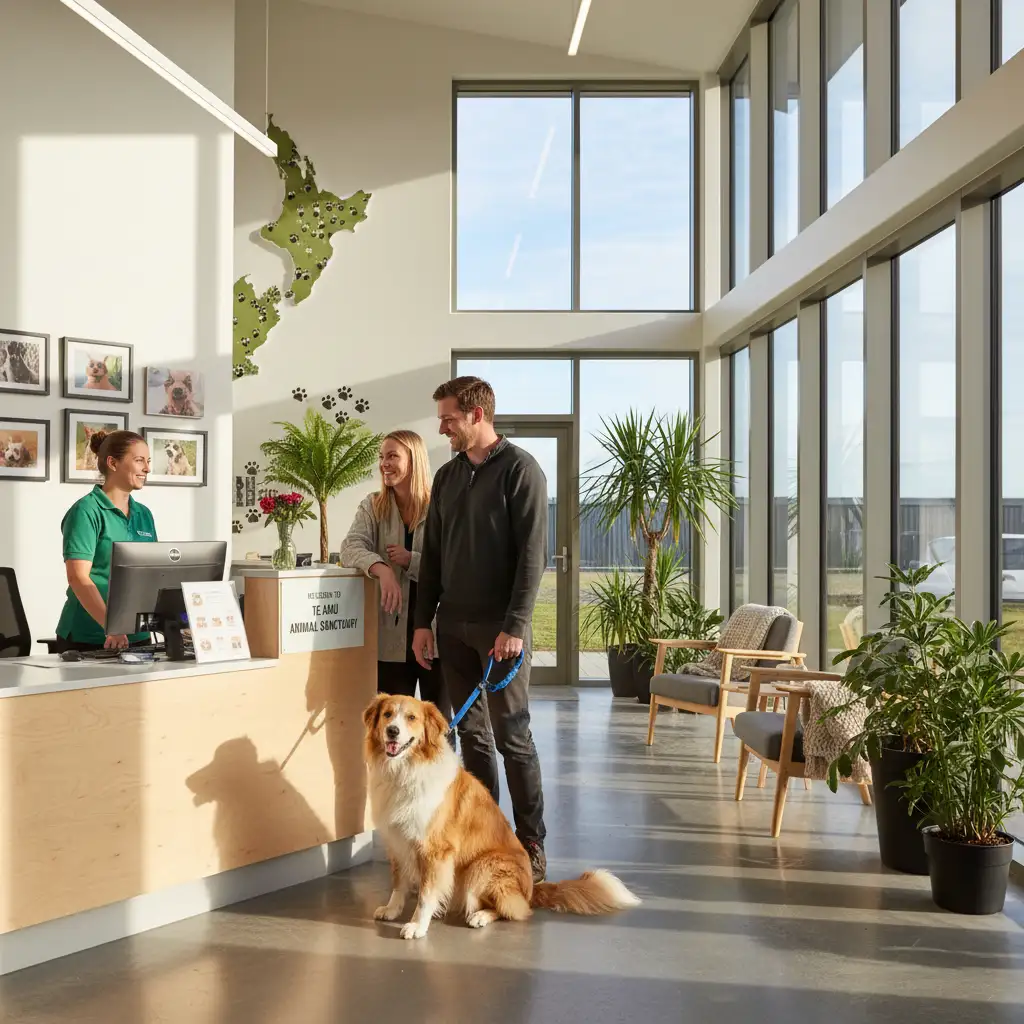
Dog rescue Tauranga encompasses a network of dedicated organizations, including the SPCA Tauranga Centre, Western Bay of Plenty District Council pounds, and private foster groups. These entities work collaboratively to rehabilitate, desex, and rehome stray or surrendered dogs, ensuring they find safe, permanent homes through a rigorous vetting and matching process.
Adopting a companion animal is one of the most rewarding decisions a person can make, yet the process involves navigating a complex ecosystem of shelters, council services, and foster networks. In the Bay of Plenty, the drive to alleviate animal homelessness is spearheaded by a mix of national organizations and tireless local volunteers. Whether you are looking for a loyal family guardian, a high-energy working breed, or a senior companion, understanding the local landscape is the first step toward a successful adoption.
This guide serves as the definitive resource for navigating adoption centers in the Bay of Plenty. We will explore the primary facilities in Tauranga and Rotorua, discuss the critical role of veterinary partnerships, and provide essential advocacy advice for tenants seeking to secure pet-friendly housing in a competitive rental market.
The Landscape of Dog Rescue in Tauranga
Tauranga, as the populous heart of the Bay of Plenty, serves as the primary hub for animal welfare services in the region. The search for a rescue dog here often begins with understanding the difference between open-admission shelters and foster-based networks. While shelters provide a physical location to view animals, foster networks operate out of private homes, offering a unique insight into how a dog behaves in a domestic environment.
The demand for dog rescue services in Tauranga has fluctuated with economic conditions and housing availability. Consequently, local rescues are often at capacity, making the role of the potential adopter crucial. Patience and preparation are key. When you search for “dog rescue Tauranga,” you are not just looking for a shop; you are entering a welfare system designed to prioritize the long-term well-being of the animal.
SPCA Tauranga: The Central Hub
The Society for the Prevention of Cruelty to Animals (SPCA) is the most recognizable name in New Zealand animal welfare. The Tauranga Centre acts as the cornerstone for rescue operations in the city and the immediate surrounds. Unlike smaller private rescues, the SPCA has the statutory power to intervene in cases of cruelty and neglect, meaning many of the dogs available for adoption here have overcome significant trauma or hardship.
Facilities and Services
Located strategically to serve the wider city, the Tauranga SPCA facility is equipped with quarantine areas, exercise runs, and veterinary suites. The focus is on rehabilitation. Before a dog is placed on the adoption floor, it undergoes a comprehensive behavioral assessment and a full health check. This includes desexing, microchipping, vaccination, and flea/worm treatment, which justifies the adoption fee—a cost that is significantly lower than the actual veterinary expenses incurred by the charity.
The Matchmaking Philosophy
The SPCA operates on a philosophy of “matchmaking” rather than first-come, first-served. When you visit the Tauranga center, the staff will evaluate your lifestyle, fencing, work hours, and family dynamic. This ensures that a high-drive working dog isn’t placed in an apartment, and a timid rescue isn’t placed in a loud, busy household. This rigorous approach reduces the return rate of animals and ensures sustainable adoptions.
Western Bay of Plenty and Rotorua Shelters
While Tauranga is the central hub, the wider Bay of Plenty region hosts other critical facilities that potential adopters should not overlook. Expanding your search to Rotorua and the Western Bay districts can significantly increase your chances of finding the right companion.
Rotorua Adoption Services
Rotorua, roughly an hour from Tauranga, has its own dedicated animal welfare infrastructure. The Rotorua SPCA works tirelessly to manage the population of stray animals in the district. Furthermore, the Rotorua Lakes Council operates a pound that often seeks to rehome unclaimed dogs rather than euthanize them. These “pound rescues” often rely on partnerships with rescue groups to facilitate adoptions. Adopting from Rotorua while living in Tauranga is common, though it may require multiple trips for meet-and-greets to ensure compatibility.
Western Bay District Council Rehoming
The Western Bay of Plenty District Council covers the rural and semi-rural areas surrounding Tauranga. Their animal services team frequently deals with wandering stock and lost dogs. While their primary mandate is animal control, many councils have shifted toward a rehoming model for unclaimed dogs that pass a temperament test. These dogs often make excellent pets but require owners who understand the responsibilities of registration and containment.
For more information on council-run animal services and regulations, you can visit the New Zealand Government’s guide to owning pets, which outlines the legal obligations for dog owners across the country.
Veterinary Clinics and Private Rehoming
Veterinary clinics in the Bay of Plenty often serve as informal adoption centers. It is not uncommon for vets to take in litters of puppies or injured animals that have been surrendered by owners unable to afford care. These “clinic cats” or “clinic dogs” are nursed back to health by the veterinary staff and then offered for adoption.
The Role of Vets in Rescue
Vets play a dual role: they are the medical backbone of formal rescue organizations (providing discounted services to charities) and they act as a safety net for individual cases. Clinics in areas like Greerton, Mount Maunganui, and Papamoa frequently have noticeboards—both physical and digital—advertising animals in need of homes. Adopting through a vet clinic offers the distinct advantage of knowing the animal has received top-tier medical attention from day one.
Private Rescue Groups and Foster Networks
Beyond the SPCA and Council facilities, the Bay of Plenty is home to several smaller, volunteer-run organizations. These groups often specialize in specific breeds or types of dogs (such as greyhounds or working breeds). Because they utilize a foster care model, these dogs live in family homes while awaiting adoption. This environment allows the foster carer to provide a detailed profile of the dog’s behavior, including housetraining status, social skills with other pets, and temperament with children.
The Adoption Process: What to Expect
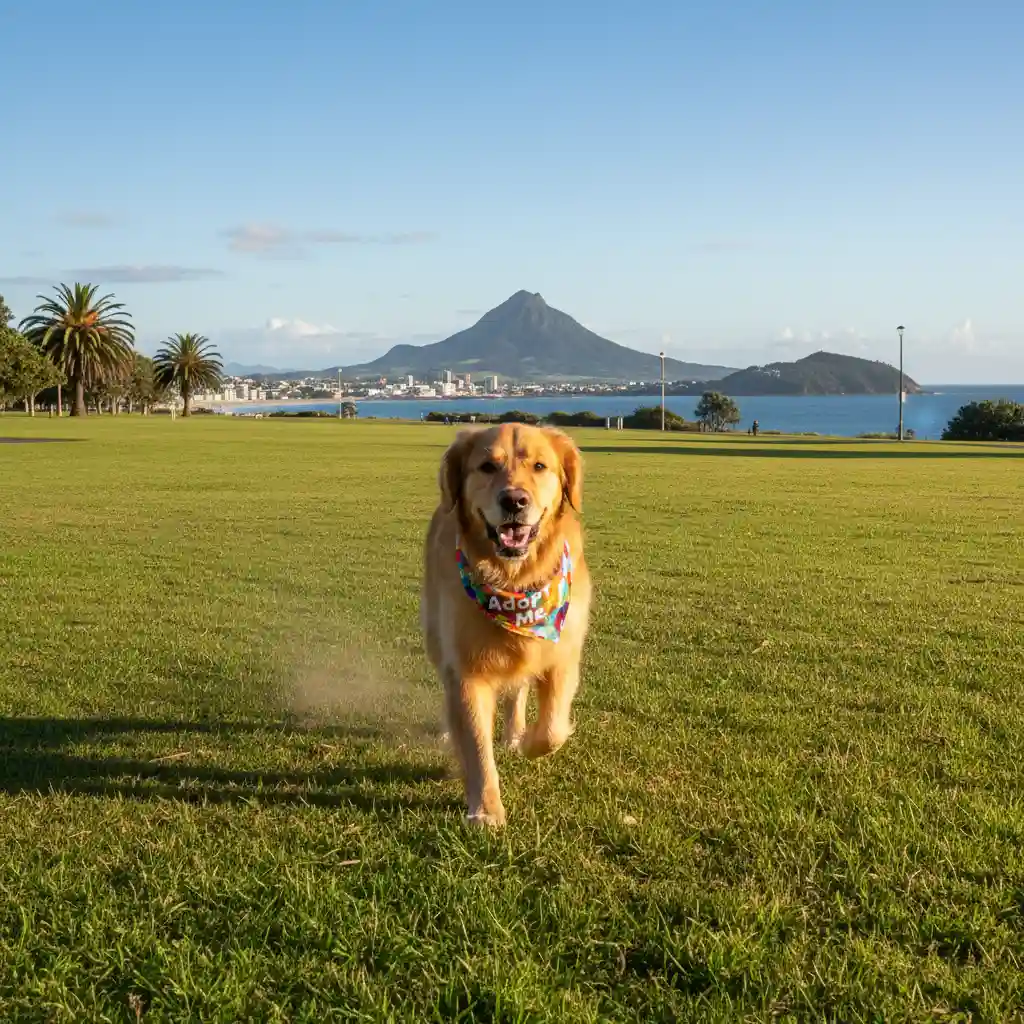
Adopting a rescue dog in Tauranga is a structured process designed to protect both the animal and the adopter. While procedures vary slightly between the SPCA, council pounds, and private rescues, the core steps remain consistent.
1. The Application
The process almost always begins with a written application. You will be asked about your housing situation (own vs. rent), the size of your property, the type of fencing you have, and your daily routine. Be honest. If you work full-time, the rescue may suggest an older, more independent dog rather than a puppy that requires constant supervision.
2. The Meet-and-Greet
If your application matches a specific dog, you will be invited for a meet-and-greet. All family members, and often existing family dogs, must attend. This interaction is critical to observe chemistry. Does the dog approach you willingly? Is your current dog accepting of the new addition?
3. Property Inspection
For dog adoptions, a property check is standard. A volunteer or staff member will visit your home to ensure the fencing is secure, high enough for the specific breed, and free of gaps. They will also check that the dog has access to shelter and a warm sleeping area.
4. Fees and Finalization
Adoption fees in the Bay of Plenty generally range from $250 to $400. This fee contributes toward the cost of desexing, microchipping, registration, vaccinations, and flea/worm treatments. Once the fee is paid and the paperwork signed, you will receive the vaccination booklet and microchip registration details.
Tenant Advocacy: Renting with Pets in the Bay
One of the most significant barriers to dog adoption in Tauranga is the rental market. Landlords are often hesitant to allow pets due to fears of property damage. However, as a tenant, there are strategies you can employ to advocate for your ability to provide a responsible home for a rescue dog.
Understanding Your Rights
Under the New Zealand Residential Tenancies Act, landlords can currently refuse pets. However, changes are frequently discussed regarding “pet bonds” or modifying the default stance. It is vital to stay updated on current tenancy laws. You can find the most current regulations on the Tenancy Services website.
Creating a Pet Resume
To compete in the Tauranga rental market, treat your pet adoption application like a job interview. Create a “Pet Resume” to present to potential landlords. This document should include:
- A Photo and Bio: A cute picture and a description of the dog’s breed, age, and temperament.
- References: Letters from previous landlords or property managers attesting that the dog caused no damage and was not a nuisance.
- Training Certificates: Proof of obedience training or Canine Good Citizen certification demonstrates responsible ownership.
- Health Records: Proof of desexing and flea/worm treatment assures the landlord the animal is clean and healthy.
Negotiating with Landlords
Offer to add specific clauses to the tenancy agreement regarding professional carpet cleaning upon vacating the property. Being proactive and transparent often alleviates landlord concerns. By demonstrating that you are a conscientious owner, you not only secure a home for yourself but also help dismantle the stigma against renting with pets.
How to Support Local Rescues
Not everyone is in a position to adopt, but the ecosystem of dog rescue in Tauranga relies heavily on community support. There are multiple ways to contribute to the cause.
Fostering
Fostering is the lifeblood of private rescues and the SPCA. By providing a temporary home, you free up space in the shelter and help a dog transition to domestic life. Fostering is ideal for those who cannot commit to a pet for 15 years but have love to give now. All costs (food, vet bills) are typically covered by the rescue organization.
Volunteering and Donations
Shelters always need manpower. Tasks range from dog walking and cleaning kennels to assisting with laundry and administration. If time is scarce, financial donations or donations of goods (blankets, high-quality food, toys) are always appreciated. Corporate sponsorship is another avenue for local Bay of Plenty businesses to get involved, offering mutual benefits of community engagement and brand visibility.
By engaging with these centers—whether through adoption, advocacy, or support—you become a vital part of the solution, helping to transform the Bay of Plenty into a safe haven for all companion animals.
People Also Ask
Where is the Tauranga SPCA located?
The Tauranga SPCA Centre is located at 43 Alach Street, Greerton, Tauranga. It serves as the main animal welfare hub for the city, handling adoptions, surrenders, and animal welfare investigations.
How much does it cost to adopt a dog in Tauranga?
Adoption fees typically range from $250 to $400 NZD. This fee generally covers desexing, microchipping, the first round of vaccinations, flea and worm treatment, and a vet check. Puppies may have higher fees than senior dogs.
Can I adopt a dog if I am renting in the Bay of Plenty?
Yes, you can, provided you have written permission from your landlord. Most rescue centers, including the SPCA, will require proof of this permission (such as a clause in your tenancy agreement or a signed letter) before finalizing an adoption.
Do Tauranga animal shelters accept stray dogs?
Stray dogs are typically the responsibility of the local Council Animal Control (Pound) rather than the SPCA initially. The Tauranga City Council or Western Bay of Plenty District Council will hold strays for a statutory period (usually 7 days) to allow owners to claim them before they are assessed for rehoming.
What is the difference between the SPCA and the Council Pound?
The SPCA is a charity focused on preventing cruelty and rehoming animals in need, often taking in surrendered or abused pets. The Council Pound is a government service focused on animal control, dog registration, and managing stray or dangerous dogs, though they also rehome suitable unclaimed dogs.
Are there specific breed rescues in the Bay of Plenty?
Yes, there are various breed-specific rescues that operate nationally with foster networks in the Bay of Plenty, such as Greyhounds as Pets or rescues for working breeds. These organizations often rely on foster carers in Tauranga and Rotorua rather than a central facility.