Preparing for a new pet in NZ involves creating a safe, welcoming environment by acquiring essential supplies, pet-proofing your home, and establishing a secure retreat. This comprehensive guide will ensure a smooth transition for your adopted companion, setting the foundation for a lifetime of happiness and responsible pet ownership tailored to New Zealand’s unique context.
Essential Supplies Checklist for Your New Pet
Bringing a new pet into your home is an exciting time, but proper preparation is crucial for a smooth transition. Having all the necessary supplies ready before your pet arrives will alleviate stress for both of you, ensuring they feel secure and comfortable from day one. This comprehensive checklist covers everything from basic necessities to comfort items, tailored for pets joining New Zealand households.
Food and Water Essentials
Selecting the right food is paramount. Discuss your new pet’s current diet with the rescue organisation or previous owner to ensure a consistent start. Sudden dietary changes can lead to digestive upset. Invest in high-quality, vet-recommended food appropriate for their species, age, and any specific health needs. Stainless steel or ceramic bowls are ideal for food and water, as they are easy to clean and resist bacteria. Always ensure fresh water is available, especially in New Zealand’s varied climate. Consider a slow feeder bowl for pets that tend to eat too quickly.
Comfort and Bedding
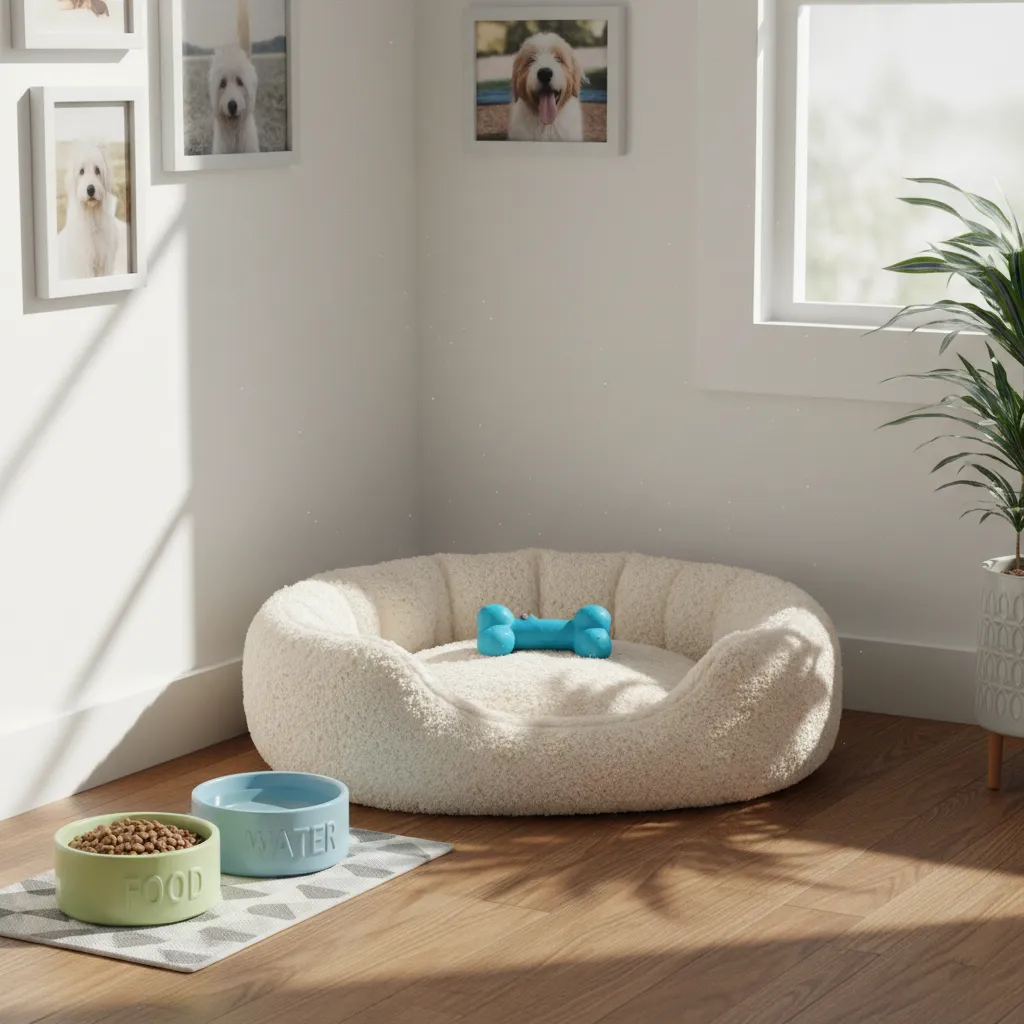
Every pet needs a comfortable place to call their own. A soft bed, crate, or designated blanket can provide a sense of security and a quiet retreat. If opting for a crate, ensure it’s appropriately sized, allowing your pet to stand up, turn around, and lie down comfortably. Introduce the crate positively, making it a safe haven rather than a place for punishment. Old blankets or towels can also add comfort and familiarity, especially if they carry scents from their previous environment or you can rub them on your new pet’s siblings/mother if possible before bringing them home.
Grooming Tools
Depending on your pet’s breed and coat type, a variety of grooming tools will be necessary. Brushes suitable for their fur, pet-specific shampoo, nail clippers, and perhaps even a de-shedding tool can help maintain hygiene and bond with your new companion. Regular grooming not only keeps them looking good but also allows you to check for any skin issues, parasites, or lumps. For dental health, consider a pet toothbrush and toothpaste – never use human toothpaste on pets.
Leash, Collar/Harness & ID Tags
For dogs, a well-fitting collar or harness and a sturdy leash are non-negotiable for walks and safety. In New Zealand, it is a legal requirement for all dogs to be registered with their local council and wear a collar with a registration tag. Additionally, an ID tag with your contact information is vital, even for indoor cats, as accidents can happen. Microchipping, while not a substitute for visible ID, is also compulsory for all dogs in New Zealand and highly recommended for cats. This provides a permanent form of identification should they ever get lost.
Toys and Enrichment
Toys are essential for mental stimulation, exercise, and preventing boredom, which can lead to destructive behaviours. Provide a variety of toys: chew toys, puzzle toys, interactive toys, and soft toys. Rotate them regularly to keep your pet engaged. For cats, scratching posts are a must to protect your furniture and provide an outlet for natural instincts. Enrichment items can mimic natural behaviours, such as sniffing, hunting, and problem-solving, contributing significantly to your pet’s overall well-being.
Waste Management
For dogs, a supply of waste bags is essential for walks, and a designated outdoor area for toileting should be established. For cats, a litter box, appropriate litter, and a scoop are fundamental. Place the litter box in a quiet, accessible location. Consider the type of litter your cat is used to, as sudden changes can deter them from using it. Always keep the litter box clean to encourage good habits.
Pet First Aid Kit
An emergency pet first aid kit is a crucial item for any responsible pet owner. It should include sterile wipes, bandages, antiseptic solution, tweezers, a thermometer, and any specific medications prescribed by your vet. Knowing basic pet first aid can make a significant difference in an emergency situation before you can reach veterinary care.
Pet-Proofing Your Living Space
Just as you would child-proof a home for a toddler, pet-proofing is a vital step in preparing for your new furry family member. Pets, especially curious puppies and kittens, explore with their mouths and paws, turning everyday household items into potential hazards. A thorough pet-proofing process ensures a safe environment where your pet can thrive without danger, giving you peace of mind.
Identifying and Securing Hazardous Substances
Many common household items are toxic to pets. This includes cleaning products, medications (both human and pet-specific), antifreeze, pesticides, and certain foods like chocolate, onions, garlic, grapes, and xylitol (a common artificial sweetener). Store all hazardous substances in high, locked cabinets where your pet cannot access them. Always clean up spills immediately. For medications, ensure they are tightly sealed and out of reach, remembering that some pets can open child-proof containers if left unsupervised.
Electrical Cords and Outlets
Exposed electrical cords can be tempting chew toys for pets, leading to electrical shocks or burns. Secure all loose cords, either by bundling them together, using cord protectors, or routing them behind furniture. Unused electrical outlets should be covered with child-proof caps. This is especially important for puppies and kittens who are naturally inclined to chew and explore with their mouths.
Small Objects and Choking Hazards
Pets can easily ingest small objects, leading to choking or internal blockages requiring emergency veterinary intervention. Common culprits include coins, buttons, sewing supplies, hair ties, rubber bands, small toys, and even pieces of broken household items. Keep floors clear of clutter and regularly inspect areas where your pet spends time for any forgotten items. Secure rubbish bins with pet-proof lids to prevent your pet from scavenging dangerous scraps.
Securing Windows and Doors
To prevent escapes, falls, or injuries, ensure all windows are securely latched, and screens are in good repair. For cats, window screens should be sturdy enough to withstand climbing or leaning. External doors should always be closed carefully, and all family members should be aware of the new pet’s presence to avoid accidental escapes. Consider installing baby gates to restrict access to certain rooms or areas of the house, particularly if there are rooms you cannot fully pet-proof.
Garden Hazards
Your garden can also pose risks. Many common plants are toxic to pets, including lilies, azaleas, rhododendrons, and oleander. Research pet-safe plants for your garden or fence off dangerous areas. Store garden chemicals, fertilisers, and pest control products securely. If you use rat or slug bait, choose pet-safe alternatives or ensure they are completely inaccessible. Always supervise your pet when they are outdoors, especially during their initial introduction to the garden space.
Furniture Protection
While not a direct safety hazard, protecting your furniture from scratches or chewing can save you a lot of hassle. Provide plenty of appropriate scratching posts for cats and durable chew toys for dogs. Cover furniture with throws or blankets, especially during the initial training period, to minimise damage. Redirect unwanted chewing or scratching behaviours to appropriate toys immediately.
Setting Up a Safe Retreat for Your New Pet
A designated safe space is indispensable for a newly adopted pet, providing them with a personal sanctuary where they can decompress, feel secure, and adjust to their new surroundings without feeling overwhelmed. This retreat acts as their personal den, a crucial element in building trust and confidence in an unfamiliar environment, especially for pets coming from a shelter or a stressful past. This concept is particularly beneficial during the initial days and weeks in your home, offering a consistent point of reference as they navigate their new world.
Designating a Quiet Space
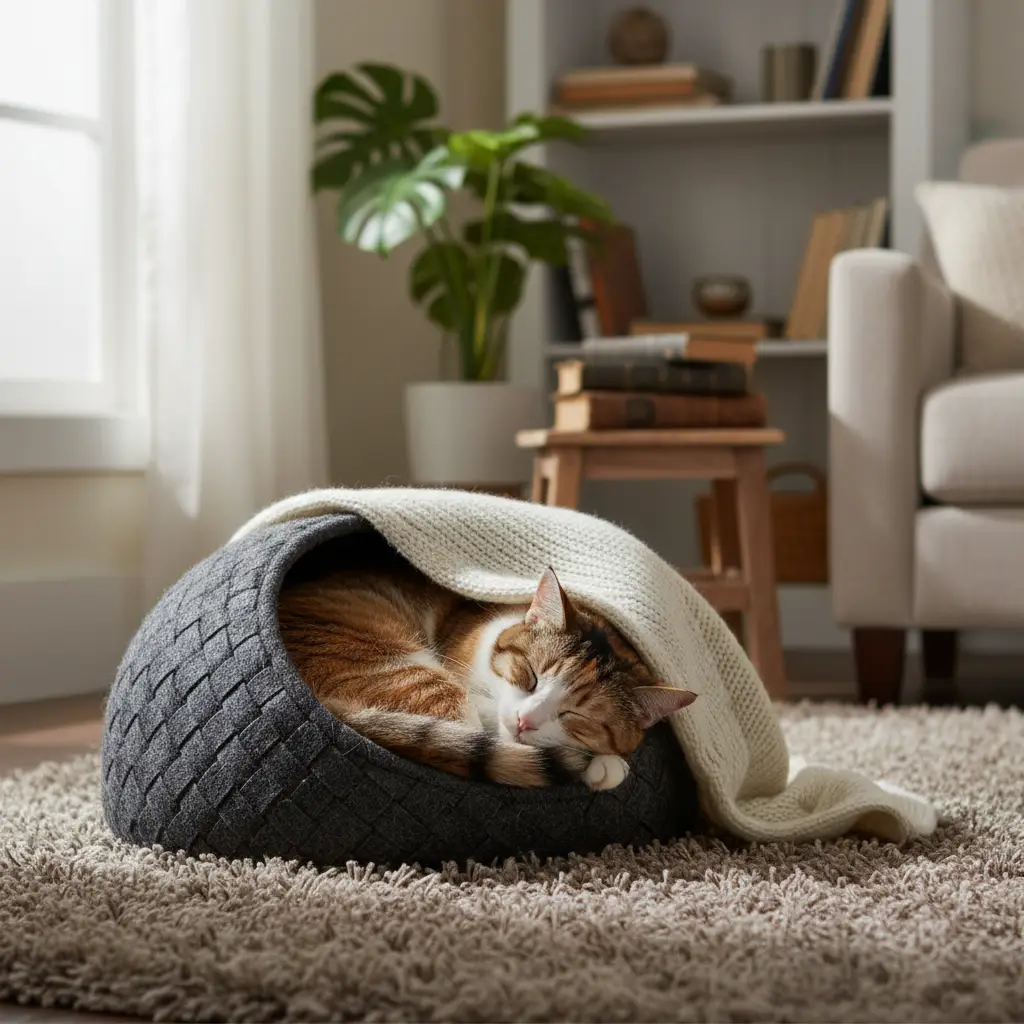
Choose a quiet, low-traffic area of your home for your pet’s retreat. This could be a spare room, a corner of a living area, or even a large crate set up in a peaceful spot. The key is that it’s a place where they won’t be constantly disturbed by household activity, loud noises, or the presence of other pets or children. For dogs, a crate can serve as an excellent den, offering a sense of security. For cats, a tall cat tree or a hidden bed under a table might be preferred, providing vertical space or an enclosed hideaway.
Establishing Routine and Predictability
Pets thrive on routine. Once your pet’s safe space is established, maintain consistency in their feeding times, potty breaks, play sessions, and rest periods. Predictability helps reduce anxiety and builds confidence. Their retreat should be part of this routine – a place they can go for uninterrupted rest after play or meals. A consistent routine signals to your pet that their world is stable and predictable, allowing them to relax and feel safe.
Introducing the Space Positively
The introduction to their safe space should always be positive. Lure them in with treats or a favourite toy. Feed them their meals in this area. Never use the retreat as a place for punishment, as this will create negative associations. The goal is for your pet to view this area as a comforting haven, not a place of isolation. Spend some quiet time with them in this space, offering gentle praise and reassurance, especially in the first few days.
Comfort and Familiarity
Fill the safe retreat with comforting items. A soft bed, a favourite blanket, and appropriate toys will make the space more inviting. If possible, bring a blanket or toy from their previous environment (e.g., the rescue shelter) that carries familiar scents. These olfactory cues can significantly reduce stress and help your pet settle in faster. You might also place an old worn t-shirt of yours in the area, allowing them to become accustomed to your scent.
Gradual Expansion of Territory
Initially, you may want to restrict your pet’s access to only a few rooms to prevent them from becoming overwhelmed. As they grow more comfortable and confident in their safe retreat and primary living areas, you can gradually expand their access to other parts of the house under supervision. Always ensure their retreat remains accessible, even when they are exploring new areas, so they have a place to retreat to if they feel anxious or need a break.
Family Integration Strategies for a Harmonious Home
Introducing a new pet to your family and existing pets requires patience, planning, and a deep understanding of animal behaviour. A well-executed integration process prevents stress, fosters positive relationships, and lays the groundwork for a harmonious household. This section provides strategies to ensure everyone, two-legged and four-legged, adjusts smoothly to the new family dynamic.
Initial Introduction: Calm and Supervised
The first meeting should be calm and controlled. When bringing your pet home, allow them to explore their designated safe space quietly first. For dog-to-dog introductions, a neutral outdoor space on leashes is often recommended, followed by short, supervised interactions at home. For cats, it’s best to keep the new cat separate for a few days, allowing them to acclimate to scents before visual introductions through a cracked door or baby gate. Always supervise initial interactions closely, looking for signs of stress or aggression, and keep them brief and positive. Avoid forcing interactions.
Children and Pets: Rules and Supervision
Children and pets can form incredible bonds, but it’s essential to set clear rules and ensure constant supervision, especially with younger children. Teach children how to interact respectfully with pets: no pulling tails, ears, or fur; no disturbing pets while they are eating or sleeping; and always approaching them gently. Demonstrate proper handling and petting techniques. Emphasise that the pet’s safe retreat is off-limits to children. Supervise all interactions, intervening immediately if either party shows signs of stress or discomfort. Educate older children on understanding pet body language, so they can recognise when a pet needs space.
Introducing to Existing Pets: Gradual and Positive
If you have existing pets, the integration process should be gradual. Scent swapping (exchanging bedding or toys between pets) before direct introductions can help familiarise them with each other. Use a baby gate or crate to allow visual but safe introductions. Feed them on opposite sides of a closed door, gradually moving bowls closer. Reward calm behaviour with treats and praise. Never leave new and existing pets unsupervised until you are absolutely certain they are comfortable and safe together. Be prepared for the process to take weeks or even months, especially with cats, who often require a slower introduction.
Understanding Pet Body Language
Learning to interpret your pet’s body language is critical for successful integration and preventing potential conflicts. For dogs, a wagging tail can mean many things, so look at the whole picture: relaxed ears, soft eyes, and a loose posture usually indicate comfort. Signs of stress include lip licking, yawning, tail tucked, rigid body, direct staring, or avoiding eye contact. For cats, flattened ears, a puffed tail, hissing, or growling are clear signs of distress. Understanding these signals allows you to intervene before a situation escalates and helps you gauge their comfort level during integration.
Training and Socialisation
Basic obedience training and ongoing socialisation are crucial for any new pet. For dogs, enrolling in puppy classes or basic obedience courses helps them learn commands, socialise with other dogs and people, and strengthens your bond. Positive reinforcement methods, using treats and praise, are always most effective. For cats, gentle handling from a young age and exposure to various sights and sounds in a controlled manner can aid in socialisation. Consistent training provides structure, builds confidence, and ensures your pet understands acceptable behaviours within your home and community.
Veterinary Care: The First Check-up
One of your first priorities after bringing your new pet home should be a visit to a local New Zealand veterinarian. This initial check-up is vital to assess their overall health, establish a baseline, and discuss a vaccination schedule, parasite control (fleas, worms), and microchipping if not already done. The vet can also advise on proper nutrition, spaying/neutering, and address any behavioural concerns. This establishes a relationship with a local vet, which is crucial for ongoing preventative care and emergency situations.
New Zealand Specific Pet Adoption Considerations
Adopting a pet in New Zealand comes with unique responsibilities and legal requirements designed to ensure animal welfare and public safety. Understanding these local nuances is essential for any prospective pet owner, helping you integrate your new companion smoothly into your home and community while complying with regulations.
Microchipping and Registration
In New Zealand, it is a legal requirement for all dogs to be microchipped and registered with their local council by three months of age or within two months of ownership. This applies to all dogs, regardless of breed or size, except working dogs on farms. Microchipping provides a permanent form of identification, linking your pet to your contact details in a national database. While not legally mandatory for cats, microchipping is highly recommended for feline friends too, significantly increasing the chances of reunification if they ever get lost. Council registration for dogs also helps fund local animal control services and ensures your dog is accounted for in the community. You can find more information about responsible dog ownership through resources like the Local Government New Zealand website.
Animal Welfare Act 1999
New Zealand’s Animal Welfare Act 1999 places a legal obligation on owners to meet the physical, health, and behavioural needs of their animals. This includes providing adequate food and water, shelter, the opportunity to display normal patterns of behaviour, appropriate physical handling, and protection from pain, distress, and disease. Familiarising yourself with the principles of this Act is fundamental to being a responsible pet owner in NZ, ensuring your pet lives a happy and healthy life under your care. The Ministry for Primary Industries (MPI) provides comprehensive guidance on animal welfare standards and regulations.
Native Wildlife Protection
New Zealand is home to unique and vulnerable native wildlife, including flightless birds and rare reptiles. Pet owners, particularly those with cats, have a significant responsibility to protect these species. Keeping cats indoors, especially at night, or using cat enclosures can greatly reduce their impact on native birds and lizards. For dogs, adhering to leash laws in conservation areas and ensuring they are well-controlled in areas with wildlife is crucial. Many councils have specific rules regarding dogs in parks and on beaches to protect local fauna.
Local Bylaws and Community Expectations
Beyond national legislation, local councils in New Zealand have their own bylaws regarding pet ownership. These can cover aspects such as dog exercise areas, leash-free zones, noise control (e.g., barking dogs), and the number of pets allowed per household. It’s important to check your local council’s website for specific regulations in your area to avoid fines and ensure you are a considerate neighbour. Additionally, community expectations often play a role; being a responsible pet owner means being mindful of your pet’s impact on others.
Pet Insurance and Veterinary Access
While not unique to New Zealand, understanding the local landscape of pet insurance and veterinary services is important. Consider pet insurance to help cover unexpected veterinary costs, which can be significant. Research local veterinary clinics and emergency animal hospitals to know where to go in case of an urgent situation. New Zealand has high standards of veterinary care, but costs can vary. Establishing a relationship with a local vet is paramount for preventative care and maintaining your pet’s long-term health.
Embracing Your New Family Member
The journey of preparing your home for an adopted pet is an act of love and commitment. By meticulously attending to essential supplies, thoroughly pet-proofing your living space, establishing a comforting retreat, and thoughtfully integrating your new companion into your family, you lay the groundwork for a lifetime of mutual joy and companionship. Remember that patience, consistency, and understanding are your greatest tools during this transitional period. Embrace the unique personality of your new pet, celebrate their small victories, and provide them with the security and affection they deserve. Your diligence in preparation will not only ease their adjustment but also deepen the bond you share, enriching your life and theirs in countless ways.
Congratulations on expanding your family with an adopted pet. The rewards of providing a loving home to an animal in need are immeasurable, and with careful preparation, you are setting both of you up for a happy, healthy, and fulfilling life together in New Zealand.
People Also Ask
What supplies do I need for a new pet in NZ?
For a new pet in NZ, you’ll need food and water bowls, appropriate high-quality food, a comfortable bed, grooming tools, a leash, collar/harness with ID tags (and registration for dogs), engaging toys, and waste management supplies. A pet first aid kit and a designated safe space are also crucial for their well-being.
How do I pet-proof my home for an adopted animal?
To pet-proof your home, secure all hazardous substances in high, locked cabinets; cover electrical cords and outlets; remove small objects that could be choking hazards; secure windows and doors; and identify and remove toxic plants from your garden. Consider using baby gates to restrict access to unsafe areas.
Where should my new pet sleep when I first bring them home?
Your new pet should have a designated, quiet, and safe retreat, such as a comfortable bed or crate, in a low-traffic area of your home. This space provides security and allows them to decompress without feeling overwhelmed. Never use this area for punishment.
How long does it take for a new pet to adjust to a new home?
The adjustment period for a new pet varies greatly, typically ranging from a few weeks to several months. Factors like the pet’s past experiences, personality, and the consistency of your routine all play a role. Patience, positive reinforcement, and a predictable environment will aid in a smoother transition.
Are there any specific pet laws in New Zealand I should know?
Yes, in New Zealand, all dogs must be microchipped and registered with their local council by three months of age or within two months of ownership. The Animal Welfare Act 1999 also mandates owners to meet their pet’s physical, health, and behavioural needs. Local councils may also have specific bylaws regarding pet ownership.
How do I introduce a new pet to existing pets or children?
Introduce new pets gradually and under supervision. For existing pets, use scent swapping and brief, controlled visual introductions. For children, establish clear rules about respectful interaction, teach gentle handling, and always supervise their interactions. Ensure existing pets have their own safe spaces too.