To prepare a pet for rehoming in NZ, owners must ensure all veterinary records are current, including vaccinations and desexing, and update the New Zealand Companion Animal Register (NZCAR). This process involves creating an honest behavioural profile, gathering legal documentation, and emotionally weaning the animal to ensure a successful, trauma-free transition to a new guardian.
Making the decision to rehome a beloved pet is one of the most difficult choices an owner can face. Whether due to housing crises, financial changes, or health issues, the priority must always shift to the welfare of the animal. In New Zealand, the landscape of pet rehoming is shifting away from shelter surrender and toward ethical, home-to-home rehoming. This method minimizes stress for the animal and ensures they bypass the trauma of a kennel environment.
However, a successful home-to-home transfer requires diligence. You cannot simply hand a leash over to a stranger. To ensure your pet lands in a forever home where they will thrive, you must act as their advocate, agent, and protector during this transition. This comprehensive guide outlines exactly how to prepare your pet for rehoming in New Zealand, covering everything from medical readiness to emotional resilience.
Health & Behavioural Assessments
Before you can responsibly advertise your pet or speak to potential adopters, you must have a crystal-clear understanding of their current physical and mental state. Rehoming an animal with undisclosed issues is unfair to the new owners and, more importantly, often results in the pet being bounced back or abandoned.
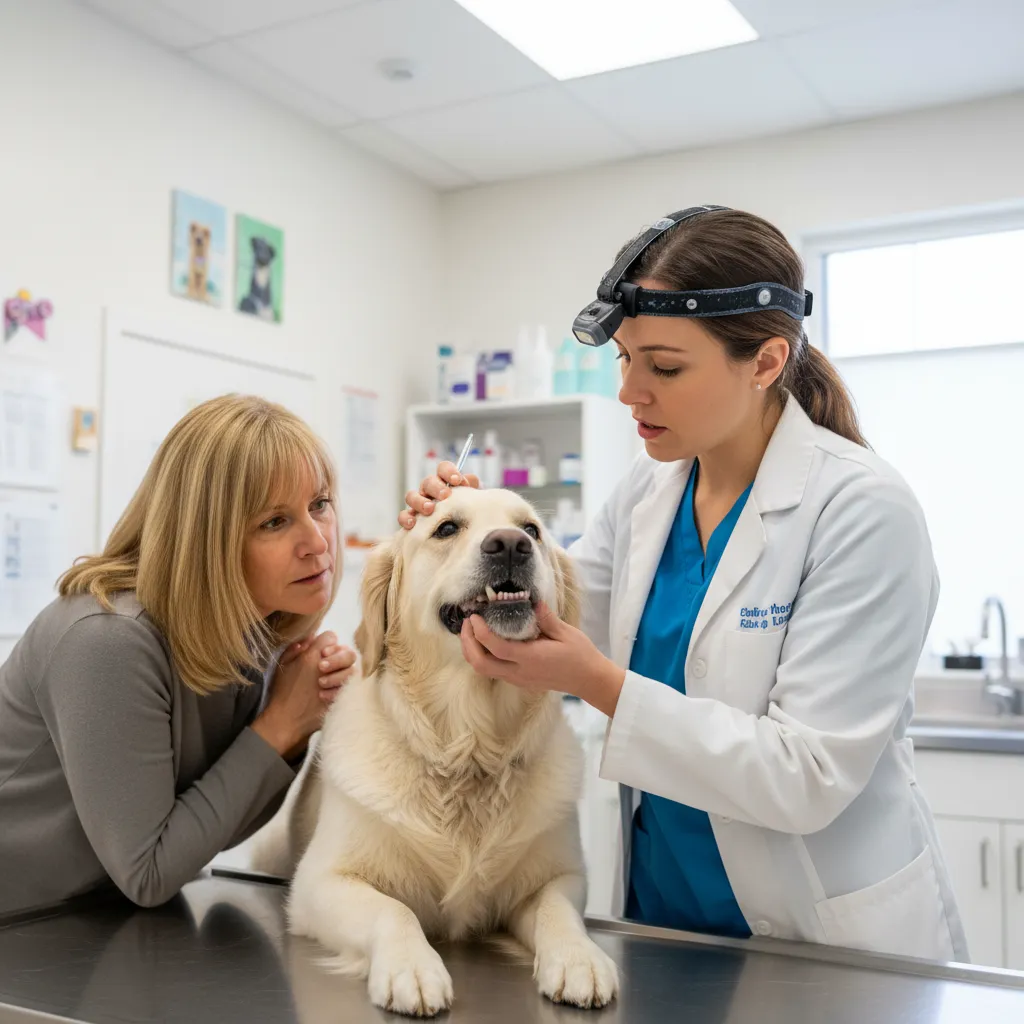
The Pre-Rehoming Vet Check
A visit to your local veterinarian is the first non-negotiable step. You need to establish a baseline of health. In New Zealand, reputable rehoming requires that the animal is desexed, vaccinated, and microchipped. If your pet is not desexed, you should prioritize this procedure before rehoming to prevent contributing to the overpopulation crisis and to make the pet more attractive to responsible adopters.
Ask your vet for a general health certificate that confirms the animal is fit for rehoming. If your pet has chronic conditions (such as arthritis in older dogs or hyperthyroidism in cats), get a written management plan. Transparency is key; a new owner might be willing to take on a pet with medical needs, provided they know the costs and care requirements upfront.
Honest Behavioural Evaluation
As the current owner, you know your pet better than anyone. You must conduct an objective assessment of their behaviour. Rose-tinted glasses can be dangerous here. If your dog has resource-guarding issues or your cat is aggressive toward children, these are not details to hide—they are critical safety facts.
Consider the following behavioral criteria:
- Socialization: How do they react to other dogs, cats, or strangers?
- Triggers: Are they afraid of fireworks, loud noises, or men in hats?
- Separation Anxiety: Can they be left alone for 4 hours? 8 hours?
- Training Level: Are they house-trained? do they have basic recall?
Gathering Essential Documentation
Bureaucracy is a boring but vital part of pet ownership in New Zealand. Having a complete folder of paperwork instills confidence in potential adopters and ensures the legal transfer of the animal is seamless.
Microchip Registration (NZCAR)
In New Zealand, microchipping is mandatory for dogs and highly recommended for cats. However, a microchip is useless if the registration details are not updated. You must ensure the chip is registered with the New Zealand Companion Animal Register (NZCAR). Before the pet leaves your care, you will need to prepare a change of ownership form for the NZCAR so the new owner can legally register the animal in their name immediately.
Council Registration
For dogs, local council registration is separate from the NZCAR. You should provide the current registration tag and paperwork. Advise the new owner that they will need to transfer the dog into their name at their local council, which often incurs a small fee or administrative process depending on the district (e.g., Auckland Council vs. Wellington City Council).
Medical Records and Diet
Compile a physical or digital folder containing:
- Vaccination booklets (showing due dates for boosters).
- Desexing certificate.
- Flea and worming history (dates and products used).
- A “Care Sheet” detailing their current diet (brand and portion size), feeding schedule, and favourite treats. Changing diet abruptly causes stomach upset, which is the last thing a stressed pet needs in a new home.
Creating a Compelling Pet Profile
When using a home-to-home platform, your pet’s profile is their resume. A poor profile leads to zero interest, while a misleading profile leads to the wrong interest. Your goal is to market your pet effectively while remaining brutally honest.
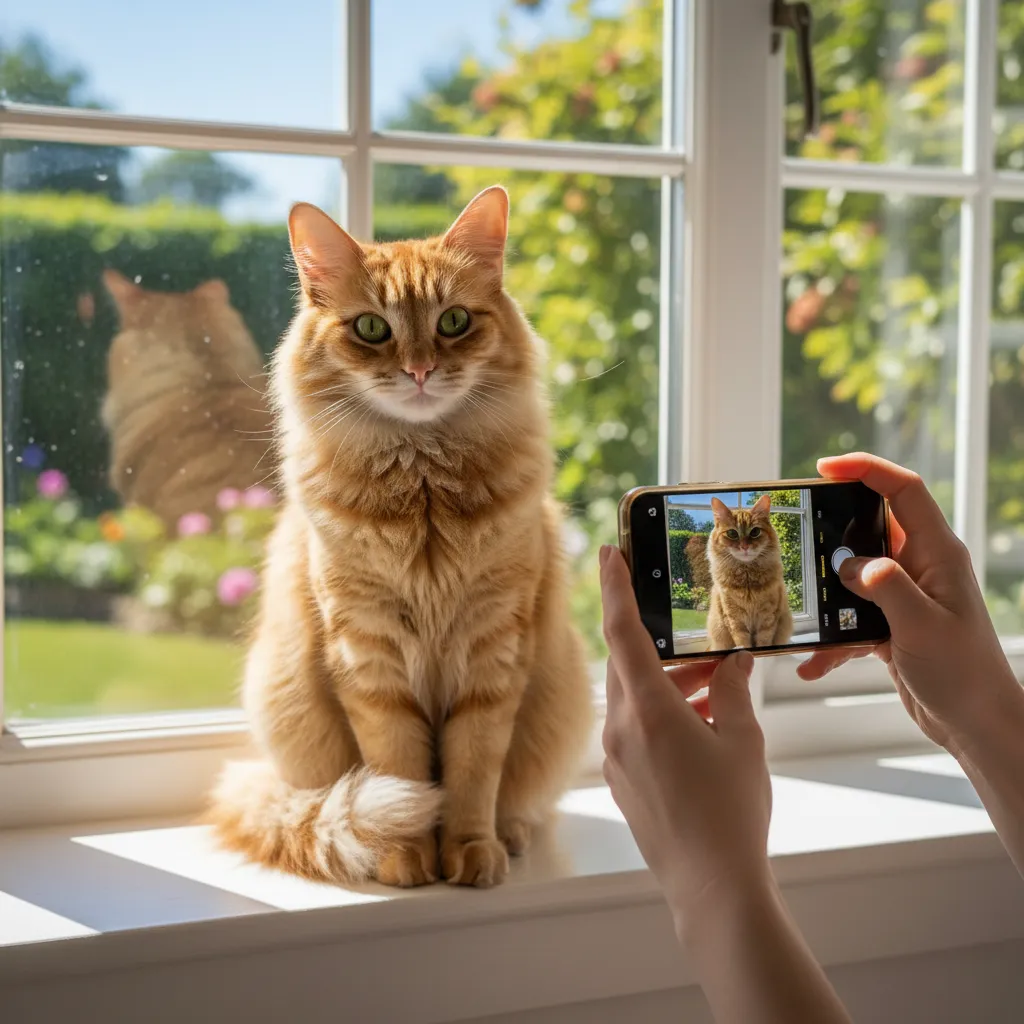
Photography Matters
Humans are visual creatures. A blurry photo of a dog in a dark room will not attract adopters. Take high-quality photos in natural light. Get down to the pet’s eye level—do not shoot from above. Capture their personality: a photo of them sleeping, one of them playing, and a clear headshot. If your pet is high-energy, a video of them playing fetch or performing tricks can be incredibly persuasive.
Writing the Bio
Avoid generic statements like “Nice dog needs home.” Instead, tell a story. Structure the bio to cover the “Three P’s”: Personality, Preferences, and Peculiarities.
- The Hook: Start with their best trait. “Bella is a 4-year-old Spaniel who lives for beach runs and evening cuddles.”
- The Needs: Be clear about the environment they need. “She requires a fully fenced section and would prefer to be the only dog in the home.”
- The Reason: Briefly mention why you are rehoming (e.g., “Due to a move overseas…”). This prevents people from assuming the pet has behavioural faults.
Screening Potential Adopters in NZ
Once inquiries start coming in, you become the interviewer. Your job is to filter out unsuitable homes. In New Zealand, where rental properties often have strict “no pets” policies, verifying housing security is paramount.
The Housing Check
Ask specifically about their living situation. Do they own their home or rent? If they rent, request written proof from the landlord that pets are allowed. Many rehoming attempts fail because a tenant thought they could have a pet, only to be told “no” by a property manager a week later.
Lifestyle Compatibility
Ask open-ended questions to gauge compatibility:
- “Describe your typical day—how long will the dog be alone?”
- “What are your plans for exercise and holidays?”
- “Do you have other pets? If so, are they vaccinated and desexed?”
Trust your gut. If something feels off, or if the adopter seems reluctant to answer questions or let you see their home (via video call or visit), do not proceed.
Emotional Preparation for Your Pet
Rehoming is traumatic for animals. They do not understand why their pack is changing. However, you can take steps to minimize this anxiety and build their resilience before the handover.
Transition Objects
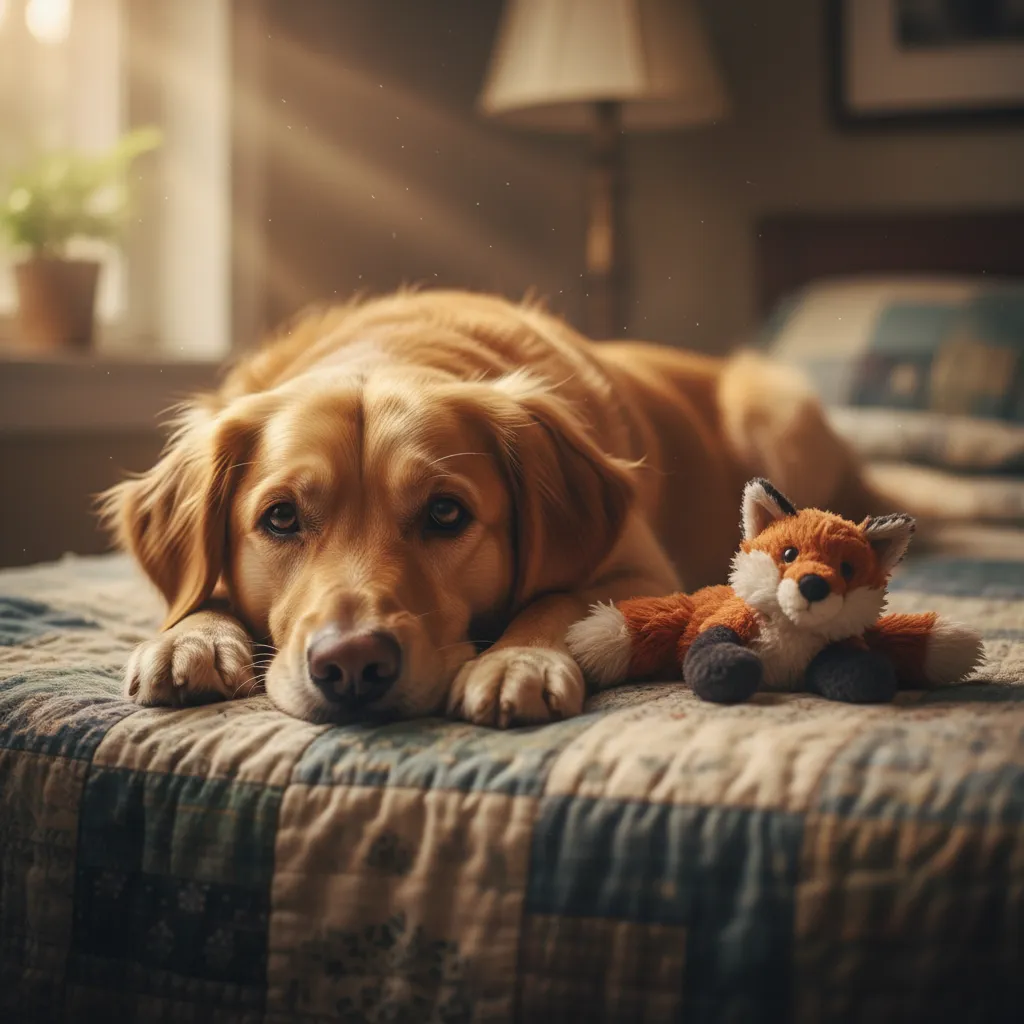
Scent is a powerful comfort mechanism for cats and dogs. Two weeks before rehoming, introduce a specific blanket or toy. Sleep with it, let the pet sleep on it, and do not wash it before they go to their new home. This object will carry the scent of “safety” and “home” into the new environment, providing a crucial anchor during the first few lonely nights.
Routine Maintenance
Animals thrive on routine. Try to keep their walking and feeding times consistent right up until the handover. If you know the new owner’s schedule (e.g., they work 9-5 and you work from home), try to gradually adjust your pet’s routine to match the new one. Start leaving them alone for slightly longer periods to build their independence.
The Goodbye
When the day comes, keep your emotions in check. Animals pick up on human distress. If you are sobbing and clinging to the animal, they will enter the new home in a state of high anxiety. Keep the handover short, positive, and calm. Hand over the leash or carrier with confidence.
Checklist for Rehoming Readiness
Use this final checklist to ensure you haven’t missed a step in the process.
- Health: Vet check complete, vaccinations up to date, desexing confirmed.
- ID: NZCAR details ready for transfer, Council tags located.
- Profile: High-quality photos taken, honest bio written.
- Kit: Food supply for 1 week, transition blanket, favourite toys, leash/collar.
- Paperwork: Medical history folder, ownership transfer forms, written routine/diet guide.
- Screening: Landlord permission verified (if applicable), home environment checked.
By following this guide, you are ensuring that your pet’s journey from your home to their new one is as safe and gentle as possible. Ethical rehoming is an act of love, ensuring that even if you cannot keep them, you are securing their future happiness.
People Also Ask
How do I rehome my dog in NZ?
To rehome a dog in NZ, you should first prepare the animal by ensuring vaccinations and desexing are current. You can then use reputable home-to-home platforms like MyBestFriend or Trade Me (Pets section), or contact breed-specific rescue groups. Always screen potential owners for housing security and lifestyle compatibility.
Is it free to rehome a pet in NZ?
While you can list a pet for free, it is generally recommended to ask for a small adoption fee to deter people looking for bait dogs or impulse acquisitions. However, surrendering to the SPCA or rescues may involve a donation or surrender fee to help cover their costs.
How do I change ownership of a dog in NZ?
You must update the New Zealand Companion Animal Register (NZCAR) by logging in and initiating a transfer or filling out a change of ownership form. Additionally, you must notify your local council to transfer the dog’s registration to the new owner.
What is the best way to rehome a cat?
The best way is a direct home-to-home transfer where the cat stays with you until a new owner is found. This avoids the stress of a cattery. Ensure the cat is desexed and microchipped, and vet potential owners to ensure they allow the cat indoors or in a safe environment.
Can I surrender my dog to the SPCA?
Yes, you can surrender a dog to the SPCA, but it is usually a last resort. You will need to contact your local centre to make an appointment. They will assess the dog’s health and behaviour to see if it is suitable for adoption. They may not accept dogs with severe aggression issues.
How long does it take to rehome a pet?
The timeline varies significantly based on the breed, age, and health of the pet. A healthy puppy may be rehomed in days, while an older dog or a pet with medical needs may take several weeks or months to find the perfect match.