Pet health prevention in NZ involves proactive measures to safeguard your companion animals from common ailments and ensure their long-term well-being. This includes a multifaceted approach encompassing robust parasite control, diligent dental hygiene, keen observation for early illness signs, and consistent veterinary care tailored to New Zealand’s unique environment and regulations.
Introduction to Pet Health Prevention in NZ
For pet owners across New Zealand, the health and happiness of their furry, feathered, or scaled companions are paramount. While the joy pets bring is immeasurable, so too is the responsibility of ensuring they live long, healthy lives free from preventable suffering. Pet health prevention is not merely about reacting to illness but about proactively establishing routines and making informed choices that build a strong foundation for lifelong wellness. This holistic approach minimises stress for both pets and owners, reduces the likelihood of costly and often painful treatments, and ultimately enhances the bond shared.
New Zealand’s unique environment presents specific considerations for pet health. From particular parasitic challenges to lifestyle factors influenced by our landscapes and climate, understanding the local context is crucial. This comprehensive guide will equip NZ pet owners with the knowledge and strategies necessary to navigate common health challenges effectively, ensuring their pets thrive. We will delve into critical areas such such as robust parasite control, the often-overlooked importance of dental hygiene, the vital skill of recognizing early signs of illness, and the fundamental role of regular veterinary check-ups in maintaining peak health. By adopting a proactive mindset, owners can significantly impact their pet’s quality of life and longevity.

Effective Parasite Control Strategies for NZ Pets
Parasites pose a constant threat to pet health, capable of causing a range of issues from mild irritation to severe, life-threatening conditions. In New Zealand, a strategic and consistent approach to parasite control is essential, considering both internal and external threats. Understanding the common parasites and implementing year-round preventative measures is a cornerstone of responsible pet ownership.
Understanding Internal Parasites: Worms
Internal parasites, commonly known as worms, can infest the gastrointestinal tract, heart, or lungs of pets. The most prevalent types in NZ include:
- Roundworms: Often seen in puppies and kittens, they can cause a pot-bellied appearance, vomiting, diarrhoea, and poor growth. Transmitted through contaminated soil, faeces, or from mother to offspring.
- Hookworms: These parasites attach to the intestinal wall, feeding on blood and potentially causing anaemia, weakness, and dark, tarry stools. Transmission is similar to roundworms, and larvae can penetrate skin.
- Whipworms: Found in the large intestine, whipworms can cause chronic diarrhoea, weight loss, and general ill thrift. They are notoriously difficult to eradicate from the environment.
- Tapeworms: Often acquired by ingesting fleas (for flea tapeworm) or consuming infected prey (for hydatid tapeworm, though less common in domestic pets with good control). Segments resembling grains of rice may be seen around the anus or in faeces.
Regular deworming is critical. Puppies and kittens require frequent deworming (e.g., every 2 weeks until 12 weeks of age, then monthly until 6 months). Adult pets typically benefit from deworming every 3-6 months, though specific recommendations may vary based on lifestyle and risk factors. Your veterinarian can advise on the most suitable broad-spectrum deworming products, which come in various forms including tablets, chewables, and spot-ons.
Battling External Threats: Fleas, Ticks, and Mites
External parasites live on the skin and coat of pets, causing intense itching, skin irritation, and potentially transmitting diseases. Key external parasites in NZ include:
- Fleas: The most common external parasite, fleas cause severe itching, allergic dermatitis, and can transmit tapeworms. Their life cycle involves eggs, larvae, pupae, and adults, meaning environmental control is as important as treating the pet.
- Ticks: While paralysis ticks (Ixodes holocyclus) are not native to mainland NZ, brown dog ticks (Rhipicephalus sanguineus) and New Zealand cattle ticks (Haemaphysalis longicornis) can be found, particularly in warmer, bushier areas. Ticks can transmit diseases and cause irritation. Careful inspection after walks in endemic areas is advised.
- Mites: Various mites can cause skin conditions like sarcoptic mange (scabies), demodectic mange, and ear mites. These often lead to intense itching, hair loss, and skin inflammation.
Prevention for external parasites usually involves year-round treatment with veterinarian-prescribed products. These can include topical spot-ons, oral tablets/chewables, and medicated collars. Many modern products offer broad-spectrum protection against multiple external parasites, and some even include internal parasite control. Environmental treatment for fleas (e.g., vacuuming, washing bedding) is also crucial to break the life cycle.
The Importance of Year-Round Protection
Parasites are not seasonal; they can thrive in various conditions throughout the year, especially in temperate climates like New Zealand’s. Consistent, year-round parasite prevention is vital for several reasons:
- Breaks the Life Cycle: Continuous treatment prevents parasites from reproducing and establishing a strong foothold in your pet or home environment.
- Prevents Disease Transmission: Many parasites can transmit serious diseases to pets and, in some cases, to humans (zoonotic diseases).
- Maintains Comfort and Health: Preventing infestations saves your pet from discomfort, skin issues, and potentially more severe health complications.
- Reduces Environmental Contamination: By treating your pet, you reduce the shedding of parasite eggs and larvae into your home and garden, protecting other animals and family members.
Consulting with your local New Zealand veterinarian is paramount. They can assess your pet’s lifestyle, risk factors (e.g., exposure to other animals, outdoor access, travel), and local parasite prevalence to recommend the most effective and safe parasite control programme. For more information on animal welfare regulations and health in New Zealand, you can refer to resources from the Ministry for Primary Industries (MPI).
Prioritizing Dental Hygiene for Optimal Pet Health
Dental disease is one of the most common health problems affecting pets, yet it often goes unnoticed by owners until it becomes severe. Prioritizing dental hygiene is not just about fresh breath; it’s a critical component of your pet’s overall health and longevity. Poor oral health can lead to significant pain, infection, and even systemic diseases affecting vital organs.
The Silent Threat of Periodontal Disease
Periodontal disease begins subtly with plaque, a sticky film of bacteria, food particles, and saliva that constantly forms on teeth. If not removed, plaque hardens into tartar (calculus), a rough, porous substance that adheres strongly to the tooth surface. Tartar provides an ideal surface for more bacteria to grow, leading to gingivitis (inflammation of the gums).
Untreated gingivitis progresses to periodontitis, where the infection spreads below the gum line, damaging the supporting structures of the tooth. This can result in bone loss, gum recession, loose teeth, and excruciating pain. Bacteria from infected gums can also enter the bloodstream and travel to other parts of the body, potentially causing serious issues in the heart, kidneys, and liver.
Daily Dental Care Routines for Pets
Preventative dental care at home is crucial to minimise the build-up of plaque and tartar. The gold standard is daily tooth brushing, though even a few times a week can make a significant difference. Here’s how to approach it:
- Pet-Specific Toothpaste: Never use human toothpaste, as it contains ingredients toxic to pets. Always use enzymatic toothpaste specifically formulated for dogs or cats, often in flavours they enjoy.
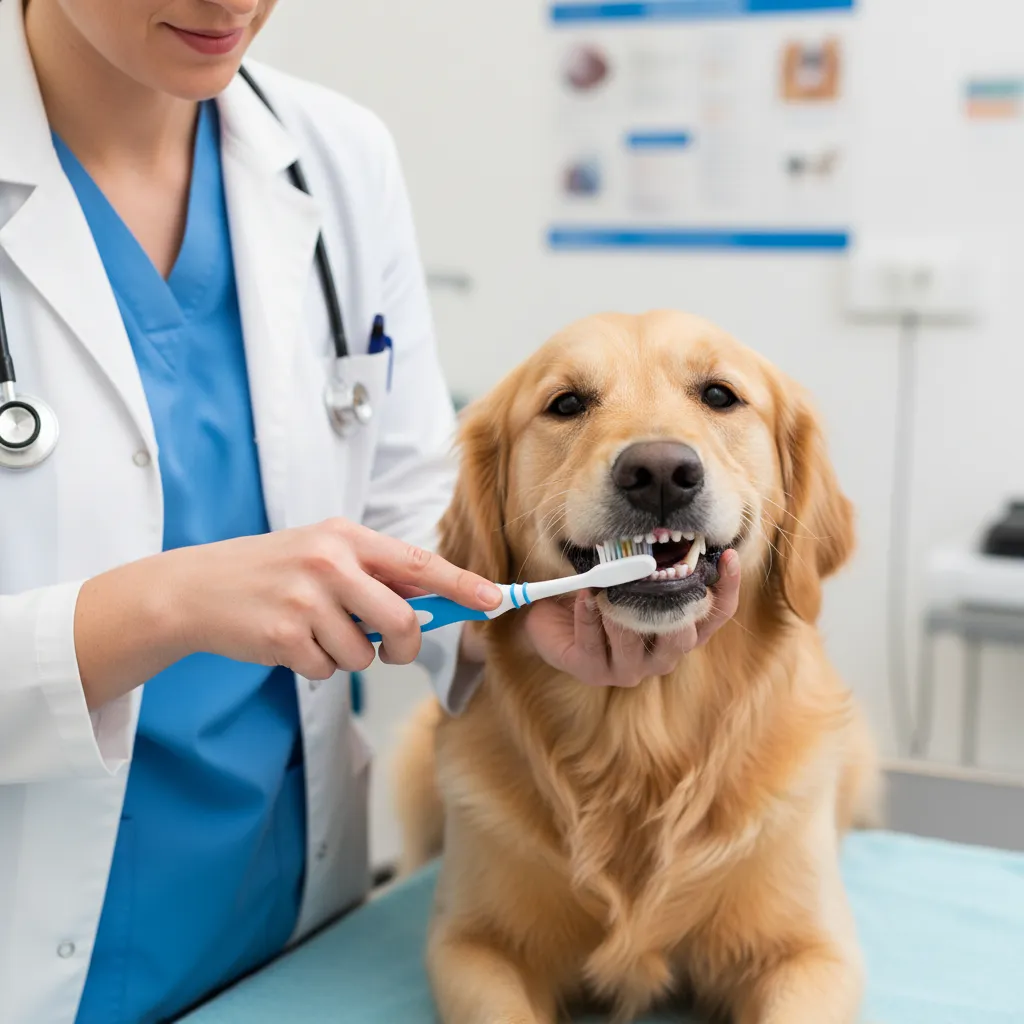
- Brushing Technique: Use a pet toothbrush or a finger brush. Gently lift your pet’s lip and focus on brushing the outside surfaces of the teeth, where plaque accumulates most. Start slowly, praise frequently, and make it a positive experience.
- Dental Diets and Chews: Certain veterinary dental diets are specially formulated with a unique kibble structure or ingredients that help mechanically clean teeth or reduce plaque formation. Dental chews and toys designed to scrape away plaque can also be beneficial, but choose reputable brands and supervise their use.
- Water Additives: Some water additives contain ingredients that help reduce bacteria in the mouth, contributing to better oral hygiene.
It’s important to introduce these routines gradually and positively, especially for adult pets not accustomed to dental care. Patience and consistency are key.
The Role of Professional Dental Cleanings
Despite the best home care, most pets will eventually require professional dental cleaning under anaesthesia. This procedure, performed by a veterinarian, allows for a thorough examination of the entire mouth, including areas below the gum line that are invisible during an awake examination. During a professional cleaning:
- Scaling: All plaque and tartar are meticulously removed from above and below the gum line using ultrasonic and hand scalers.
- Polishing: The tooth surfaces are polished to smooth out any microscopic etches created during scaling, making it harder for plaque to adhere.
- Dental X-rays: Often, dental X-rays are taken to assess the health of the tooth roots and surrounding bone, identifying issues that aren’t visible on the surface.
- Extractions: If severe periodontal disease or damaged teeth are found, extractions may be necessary to alleviate pain and prevent further infection.
Your veterinarian will recommend the appropriate frequency for professional cleanings based on your pet’s breed, age, genetics, and the effectiveness of their home care routine. Early intervention with both home care and professional cleanings can prevent painful and costly dental issues in the long run. Recognizing the signs of dental problems, such as bad breath, reluctance to eat, pawing at the mouth, visible tartar, or bleeding gums, is crucial for timely veterinary attention.
Recognizing Early Signs of Illness in Your Pet
Our pets cannot verbally communicate when they are feeling unwell, making it crucial for owners to be vigilant observers of their behaviour and physical condition. Recognizing the subtle, early signs of illness can be the difference between a minor health issue and a life-threatening condition. Proactive observation allows for timely veterinary intervention, which can significantly improve prognosis and reduce suffering.
Observing Behavioral Shifts
Changes in your pet’s normal behaviour are often the first indicator that something is amiss. Pay close attention to:
- Lethargy or Reduced Activity: A noticeable decrease in energy levels, reluctance to play, or prolonged sleeping. If your normally energetic dog is suddenly quiet and listless, or your playful cat is hiding, it warrants attention.
- Changes in Appetite or Thirst: Eating or drinking significantly more or less than usual can be a sign of various underlying conditions, from dental pain to kidney disease or diabetes.
- Changes in Social Interaction: A friendly pet becoming suddenly withdrawn, irritable, or even aggressive may be experiencing pain or discomfort. Conversely, an overly clingy pet might also be signalling distress.
- Unusual Vocalizations: Increased whining, howling, meowing, or even unusual quietness can indicate pain, fear, or anxiety.
- Changes in Litter Box Habits (Cats) or Urination/Defecation (Dogs): Straining to urinate or defecate, increased frequency, accidents inside, or changes in the consistency or colour of faeces can point to urinary tract infections, gastrointestinal issues, or other serious problems.
Any deviation from your pet’s typical daily routine and personality should be noted and investigated.
Monitoring Physical Indicators
Regularly checking your pet’s physical condition can help you spot abnormalities. A quick ‘at-home’ health check can include:
- Coat and Skin: Look for dullness, hair loss, excessive scratching, redness, scabs, lumps, or bumps. A healthy coat is usually shiny and smooth.
- Eyes: Should be clear and bright, without discharge, redness, or excessive tearing. Pay attention to changes in pupil size or cloudiness.
- Ears: Should be clean and free of odour, redness, discharge, or excessive scratching.
- Nose: Should typically be moist and clean, without excessive discharge or crusting.
- Gums: Healthy gums are usually pink and moist. Pale, blue, or very red gums, or excessive drooling, are causes for concern.
- Weight Changes: Sudden weight gain or loss without changes in diet or exercise can indicate metabolic or endocrine disorders.
- Limping or Mobility Issues: Reluctance to jump, climb stairs, or any noticeable lameness can indicate joint pain, injury, or neurological problems.
Familiarise yourself with your pet’s normal appearance and feel. Gently palpate their body for any unusual lumps or areas of tenderness.
Knowing When to Act: When to Seek Veterinary Care
While some minor issues might resolve on their own, it’s always best to err on the side of caution when it comes to your pet’s health. You should contact your veterinarian immediately if you observe:
- Persistent vomiting or diarrhoea (especially with blood).
- Difficulty breathing or excessive coughing.
- Severe lethargy or collapse.
- Unexplained pain (whining, panting, guarding a body part).
- Inability to urinate or defecate.
- Sudden weakness or paralysis.
- Seizures.
- Any suspected poisoning or injury.
For more subtle but persistent changes, a prompt call to your vet for advice is always recommended. They can guide you on whether an immediate visit is necessary or if monitoring at home is appropriate. Early detection and treatment are often key to successful outcomes and can prevent minor issues from escalating into severe, life-threatening conditions. Cultivating a keen eye for your pet’s well-being is one of the most loving and responsible things an owner can do.
The Indispensable Role of Regular Vet Check-Ups
Regular veterinary check-ups are perhaps the most crucial component of a comprehensive pet health prevention strategy. These routine visits are not just for vaccinations; they are an opportunity for a thorough assessment of your pet’s overall health, allowing for the early detection and management of potential issues before they become serious. For pet owners in New Zealand, establishing a relationship with a local veterinarian is fundamental to providing optimal care.
Beyond the Annual Jab: What a Check-up Entails
An annual (or more frequent for puppies, kittens, and seniors) vet check-up involves much more than just administering vaccinations. It’s a comprehensive health review designed to establish a baseline for your pet’s normal health and identify any deviations. Typically, a thorough check-up includes:
- Physical Examination: The veterinarian will perform a nose-to-tail examination, checking eyes, ears, nose, mouth, teeth, gums, lymph nodes, and skin for any abnormalities. They will listen to the heart and lungs, palpate the abdomen, and assess joints and musculature.
- Weight and Body Condition Scoring: Monitoring weight and assessing body condition is crucial, as obesity or underweight can indicate underlying health problems or predispose pets to various diseases.
- Vaccination Review: Discussion about appropriate vaccinations based on your pet’s age, lifestyle, and local disease prevalence (e.g., Canine Distemper, Hepatitis, Parvovirus, Leptospirosis, Kennel Cough for dogs; Feline Panleukopenia, Herpesvirus, Calicivirus for cats).
- Parasite Control Discussion: Reviewing your current parasite prevention programme and making recommendations tailored to your pet’s risk factors and local conditions.
- Nutritional Assessment: Discussing your pet’s diet, ensuring it meets their specific needs for age, breed, and activity level, and addressing any dietary concerns.
- Behavioural Consultation: Addressing any behavioural concerns, which can sometimes be linked to underlying medical conditions or stress.
These regular examinations provide a holistic view of your pet’s health, allowing your vet to gather crucial information over time, which aids in detecting subtle changes.
Tailoring Preventative Care to Your Pet’s Needs
Every pet is unique, and their preventative healthcare plan should reflect this. During your check-up, your veterinarian will consider several factors to create a personalised plan:
- Age: Puppies and kittens require more frequent visits for initial vaccinations and growth monitoring. Senior pets (typically over 7-8 years, depending on breed) benefit from more frequent check-ups and often additional preventative screenings to detect age-related conditions early.
- Breed: Some breeds are predisposed to specific genetic conditions (e.g., hip dysplasia, certain cancers). Your vet can advise on relevant screenings.
- Lifestyle: An indoor-only cat has different risks than an outdoor adventurer. A dog that frequents dog parks or rural areas will have different parasite and vaccination needs than a couch potato.
- Environment: Local disease prevalence, climate, and common environmental hazards in your specific NZ region.
This tailored approach ensures your pet receives the most relevant and effective preventative care possible, optimising their chances for a long and healthy life.
The Power of Early Detection Through Preventative Screenings
Beyond the physical exam, preventative screenings play a critical role, especially for older pets or those with specific breed predispositions. These can include:
- Blood Tests: Routine blood work can provide insights into organ function (kidneys, liver), detect diabetes, thyroid issues, or anaemia, often before clinical signs are apparent.
- Urine Tests: Urinalysis can detect urinary tract infections, kidney disease, and diabetes.
- Faecal Tests: Regular faecal examinations help identify internal parasites not covered by routine dewormers or confirm effectiveness of treatment.
- Radiographs (X-rays) or Ultrasound: Can be used to screen for conditions like arthritis, certain heart conditions, or abdominal abnormalities.
Early detection through these screenings allows for prompt intervention, which can prevent the progression of diseases, manage chronic conditions more effectively, and significantly improve your pet’s quality of life and prognosis. For example, early detection of kidney disease can lead to dietary changes and medication that can extend a pet’s life by years. Regular vet check-ups are an investment in your pet’s future, ensuring they receive the best possible care from birth through their golden years. The New Zealand Veterinary Association (NZVA) offers a wealth of resources on responsible pet ownership and veterinary care standards in the country.
Conclusion: A Proactive Approach to Pet Health
Preventing common pet health issues in New Zealand is an ongoing commitment that rewards both pet and owner with a lifetime of companionship and well-being. By embracing a proactive and informed approach, pet owners can significantly reduce the risk of illness, alleviate suffering, and avoid the emotional and financial strain of managing advanced diseases. The pillars of prevention – comprehensive parasite control, diligent dental hygiene, keen observation for early signs of illness, and consistent veterinary check-ups – collectively form a robust defence against a myriad of health challenges.
Remember, your veterinarian is your most valuable partner in this journey. They possess the expertise to tailor preventative plans specifically for your pet, considering their individual needs, lifestyle, and the unique environmental factors of New Zealand. Investing time and effort into preventative care is not merely about avoiding problems; it’s about nurturing a thriving, happy, and healthy pet who can fully enjoy their life alongside you. Embrace these strategies, stay vigilant, and enjoy the profound bond you share with your cherished companion for many years to come.
People Also Ask About Pet Health Prevention
What are the most common pet health issues in New Zealand?
In New Zealand, common pet health issues include dental disease (affecting a vast majority of adult pets), parasitic infestations (fleas, worms), skin allergies, obesity, and age-related conditions such as arthritis and kidney disease. Additionally, infectious diseases like kennel cough in dogs and cat flu are prevalent, highlighting the importance of vaccination.
How often should I take my pet for a vet check-up in NZ?
For adult pets in New Zealand, an annual veterinary check-up is generally recommended to monitor their overall health, update vaccinations, and discuss preventative care. Puppies and kittens require more frequent visits for their initial vaccination series and growth monitoring, while senior pets (typically over 7-8 years) may benefit from bi-annual check-ups and additional screenings due to their increased risk of age-related conditions.
What is the best way to prevent fleas and ticks in NZ pets?
The best way to prevent fleas and ticks in NZ pets is through consistent, year-round use of veterinarian-prescribed preventative products. These often come as oral tablets/chewables or topical spot-ons and offer broad-spectrum protection. Environmental control, such as regular vacuuming and washing pet bedding, is also crucial to break the flea life cycle.
Can diet significantly impact my pet’s long-term health?
Absolutely. Diet plays a fundamental role in your pet’s long-term health. A high-quality, nutritionally balanced diet appropriate for their age, breed, and activity level can prevent obesity, support organ function, maintain a healthy coat, boost the immune system, and reduce the risk of various diseases. Always consult your vet for dietary recommendations.
How do I know if my pet’s dental health is poor?
Signs of poor dental health in pets include bad breath (halitosis), visible tartar build-up on teeth (yellow or brown), red or bleeding gums (gingivitis), difficulty eating, pawing at the mouth, drooling, or a change in appetite. If you notice any of these symptoms, a veterinary dental check-up is highly recommended.
Are there specific vaccinations required for pets in New Zealand?
In New Zealand, while no vaccinations are legally ‘required’, core vaccinations are strongly recommended by veterinarians to protect pets from highly contagious and often fatal diseases. For dogs, this includes Canine Distemper, Hepatitis, and Parvovirus, with Leptospirosis and Kennel Cough often recommended based on lifestyle. For cats, core vaccines protect against Feline Panleukopenia, Herpesvirus, and Calicivirus. Your vet will advise on specific needs.