To give up a cat for adoption in NZ, you must contact a reputable animal welfare organization like the SPCA or a local cat rescue to schedule a surrender appointment. You will typically be required to provide the cat’s medical history, prove ownership, and pay a surrender fee to help cover the costs of desexing, vaccination, and rehoming.
Making the decision to rehome a companion animal is never easy. Whether due to a change in living circumstances, financial hardship, or health issues, finding a safe new home for your pet is a priority. In New Zealand, the process is structured to ensure the welfare of the animal while managing the significant strain on shelter resources. This guide provides a comprehensive overview of how to navigate the rehoming system, the differences between surrendering strays and owned pets, and a directory of organizations that can help.
The Reality of Cat Rehoming in New Zealand
New Zealand has one of the highest rates of cat ownership in the world, but this love for felines comes with a complex set of challenges. The primary issue facing anyone wishing to give up a cat for adoption is shelter capacity. Rescue organizations across the country, from Auckland to Invercargill, operate under immense pressure, particularly during “kitten season” (typically spring through late summer).
Shelters are not merely warehouses for animals; they are care facilities that must adhere to strict welfare codes. When a shelter reaches capacity, they physically cannot accept new animals without compromising the health and safety of those already in their care. This is why “walk-in” surrenders are rarely accepted anymore. Almost every reputable organization requires a pre-booked appointment and a discussion about the animal’s temperament and health before acceptance.
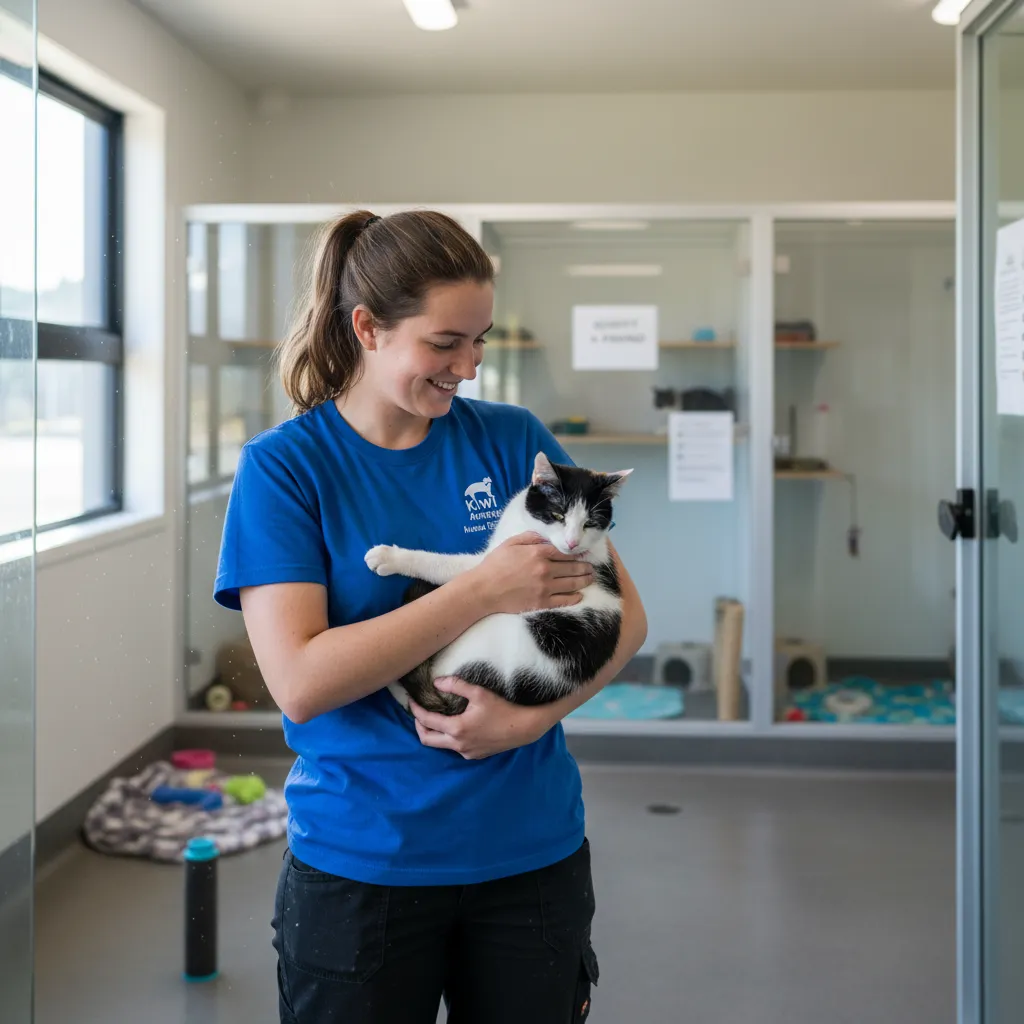
Furthermore, New Zealand faces a distinct issue with unowned cat populations. The line between a stray (a lost or abandoned domestic cat) and a feral cat (unsocialized and living wild) is legally and practically significant. Shelters prioritize adoptable, socialized animals. Understanding this landscape is crucial for managing your expectations when you reach out for help.
Owned Pets vs. Stray Cats: Knowing the Difference
When you contact an organization to give up a cat for adoption in NZ, the first question they will ask is whether the cat is your property or a stray you have found. The surrender path differs significantly for these two categories.
Surrendering Owned Cats
If the cat is yours, you have legal authority to sign it over to a rescue. This process involves a legal contract where you relinquish ownership rights. Because the cat has a known history, shelters expect you to provide details on:
- Medical History: Vaccination records, desexing certificates, and any known chronic conditions.
- Behavioral Traits: How the cat interacts with children, dogs, or other cats.
- Dietary Needs: Current food brands and feeding schedules to minimize stress-induced stomach issues.
Surrendering Stray Cats
Dealing with a stray is more complex. You cannot legally surrender an animal you do not own until reasonable steps have been taken to locate the owner. If you find a cat you believe is stray and wish to take it to a shelter, the organization will usually require:
- Paper Collars: Many rescues ask you to put a paper collar on the cat for 7 days with your contact number to see if an owner responds.
- Microchip Scanning: You should take the cat to a local vet (most scan for free) to check for a microchip before contacting a shelter.
- Found Listings: Posting on “Lost and Found” pages (like Lost Pet Finders NZ) is often a prerequisite before a shelter will intake a stray.
It is important to note that if a shelter determines a cat is feral (wild) rather than a stray domestic, they may not accept it for adoption. Feral cats are often subject to trap-neuter-return programs or, in some regions, pest control measures, as they cannot be rehomed as pets.
The Official Surrender Process
Once you have identified a shelter with capacity, the actual surrender process is administrative and clinical. It is designed to ensure the best outcome for the cat and the safety of the staff.
1. The Assessment Interview
Before you bring the cat in, staff will conduct a phone interview. They need to know if the cat has a history of biting or aggression. Honesty is critical here. If a cat is surrendered with a known history of unprovoked aggression that isn’t disclosed, it puts staff at risk and may result in the animal being euthanized later if it is deemed unsafe for rehoming.
2. The Surrender Fee
Most private rescues and SPCA branches request or require a surrender fee. This is not a “price” for getting rid of the cat, but a contribution toward the immense cost of care. In NZ, it typically costs a shelter between $300 and $800 to prepare a single cat for adoption (covering desexing, microchipping, flea/worm treatment, food, and housing). Surrender fees generally range from $20 to $60, a small fraction of the actual cost.
3. Transfer of Ownership
You will sign a legal document transferring ownership to the organization. Once signed, you generally do not have the right to reclaim the animal or dictate who adopts it. The shelter becomes the legal guardian and makes all future decisions based on their policies.
Desexing and Medical Requirements
One of the most critical factors in rehoming is the reproductive status of the cat. New Zealand has a massive overpopulation problem, and reputable rescues operate on a strict “desex before adopt” policy.
If your cat is not desexed (spayed or neutered), this increases the burden on the shelter. Some smaller rescues may require you to pay for the desexing surgery before they accept the surrender, or the surrender fee will be higher to cover this procedure.
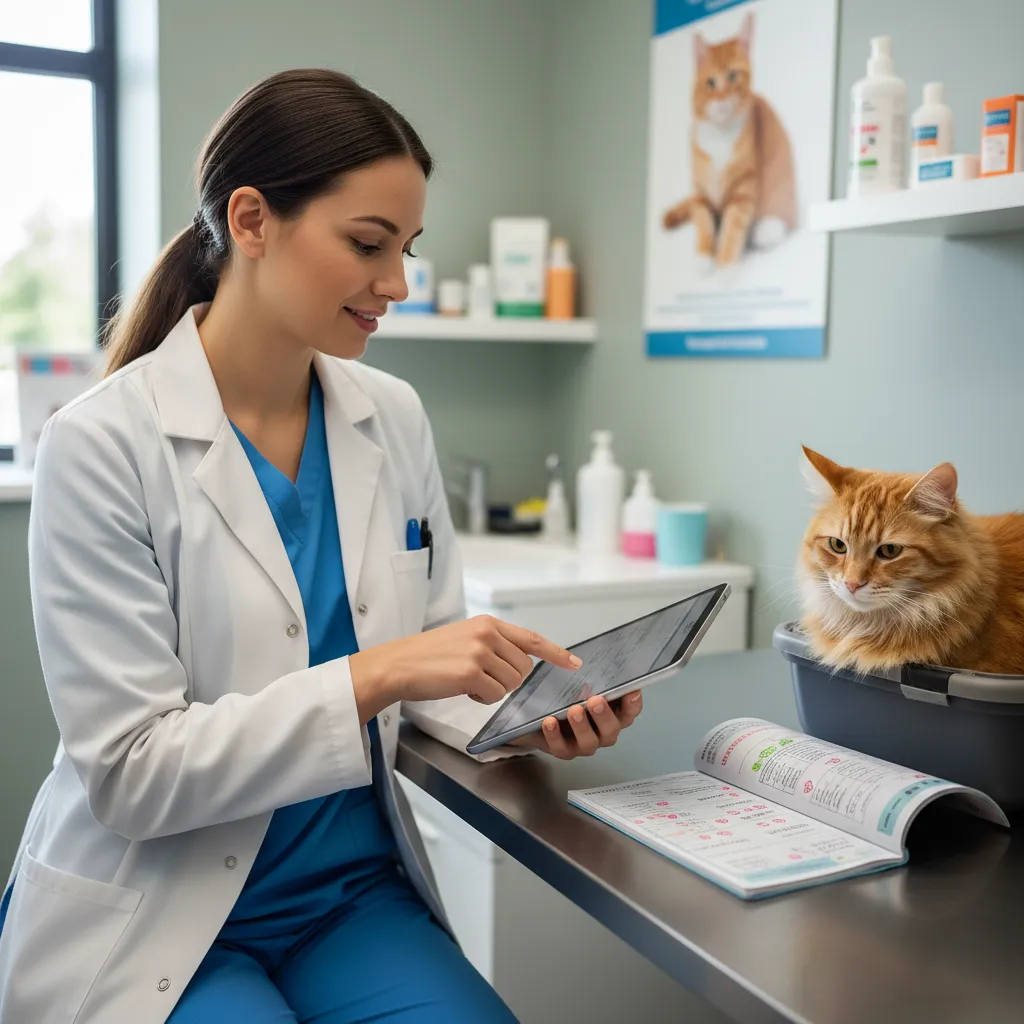
Additionally, if the cat is not up to date with vaccinations (specifically for Feline Panleukopenia, Herpesvirus, and Calicivirus), they are at high risk in a shelter environment. Shelters are high-density housing; diseases spread quickly. A cat that is fully vaccinated is a much more attractive candidate for intake because they can be placed for adoption sooner.
For authoritative information on animal welfare standards and the importance of desexing, you can refer to the SPCA New Zealand website, which provides extensive resources on responsible pet ownership.
Major Cat Rescue Organizations in NZ
Finding the right organization is key. While the SPCA is the most well-known, there are dozens of regional charities dedicated specifically to cats. Below is a list of major organizations where you can inquire about giving up a cat for adoption.
National Organizations
- SPCA New Zealand: With centers across the country, they are the largest intake organization. However, they prioritize sick, injured, and vulnerable animals. Healthy owner-surrenders are often placed on a waiting list.
Auckland Region
- The Lonely Miaow Association: Dedicated to rescuing stray and abandoned cats in Auckland. They utilize a network of foster homes rather than a central shelter.
- Gyll’s Cat Rescue: A smaller, volunteer-run group focusing on rehabilitation.
- 9 Lives Orphanage: Focuses on kittens and pregnant queens.
Wellington Region
- Cats Protection League (Wellington): A dedicated shelter in Kingston that takes in unwanted cats and kittens. They have a physical shelter and a robust adoption program.
- Kitten Inn: Based in Lower Hutt, focusing largely on pregnant cats and kittens, often taking overflow from other shelters.
Christchurch and South Island
- Cats Protection League (Canterbury): Similar to their Wellington counterpart, they offer sanctuary and rehoming services.
- Cat Rescue Christchurch: Heavily focused on desexing programs and rehoming strays.
Note: Always call or email first. Never turn up with a cat unexpectedly.
Private Rehoming and Community Options
If shelters are full, or if you wish to have more control over where your cat goes, private rehoming is an option. However, this route requires extreme diligence to ensure the cat’s safety.
TradeMe Pets:
TradeMe is a popular platform for rehoming pets in NZ. They have strict rules regarding animal welfare. When listing a cat here, be honest about why you are rehoming. Charging a rehoming fee is highly recommended to deter individuals looking for free animals for nefarious purposes (such as dog fighting bait, sadly a reality in some areas).
Community Facebook Groups:
There are many “Rehoming Pets NZ” groups. While effective, these are unregulated. If you use social media:
- Always conduct a home check of the potential new owner.
- Ask for a vet reference.
- Ensure the cat is desexed before handing it over to prevent it from being used for backyard breeding.
For more information on the legalities of animal ownership and welfare in New Zealand, the Ministry for Primary Industries (MPI) offers government-backed guidance.
Preparing a Personality Profile for Your Cat
Whether you surrender to a shelter or rehome privately, the success of the adoption depends on how well you market the cat. A generic description helps no one. A detailed personality profile helps match the cat with the right family, reducing the chance of the cat being returned.
Include the following details:
- The “Good” Habits: Is the cat litter trained? Do they use a scratch post? Do they sleep through the night?
- Social Preferences: “Loves to sit on laps but hates being picked up” is a very common and important distinction.
- Stimulation Needs: Is this a high-energy cat that needs outdoor access, or a couch potato suited for an apartment?
- quirks: Does the cat fear vacuum cleaners? Do they love running water? These details make the cat feel “real” to potential adopters.
By providing a rich, honest profile and ensuring all medical needs are met, you significantly increase the chances of your cat finding a loving, permanent home in New Zealand.

Frequently Asked Questions
Below are common questions regarding the surrender and adoption process in New Zealand.
Does SPCA NZ charge to surrender a cat?
Yes, most SPCA centers and private rescues request a surrender fee. This fee helps offset the costs of caring for the animal, including food, shelter, and veterinary treatment. The fee amount varies by branch but is typically between $20 and $50.
Can I take a stray cat to the SPCA NZ?
You can, but there are steps to follow first. You generally need to prove the cat is a stray by using a paper collar for 7 days, checking for a microchip at a vet, and listing the cat on lost pet websites. You must call the SPCA to book an appointment before bringing the cat in.
What happens if the animal shelters are full?
If shelters are at capacity, you will be placed on a waiting list. In the meantime, you may need to continue caring for the cat. Alternatively, you can try private rehoming through reputable platforms like TradeMe or ask friends and family.
Is there a no-kill policy in NZ shelters?
Most reputable NZ rescues, including the SPCA, strive for a ‘no-kill’ philosophy for healthy, rehomable animals. Euthanasia is generally reserved for animals with severe medical issues that cannot be treated or severe behavioral aggression that makes them unsafe to rehome.
How do I rehome my cat privately in NZ?
To rehome privately, ensure the cat is desexed and vaccinated. Create a detailed profile and list the cat on TradeMe Pets or community boards. Always charge a rehoming fee to deter bad actors and conduct a home check of the new owners.
Can I just drop my cat off at a shelter after hours?
No. Abandoning an animal outside a shelter is illegal and dangerous. It exposes the cat to weather, traffic, and stress. You must contact the organization during business hours to follow the proper surrender procedure.