To rehome a pet in New Zealand responsibly, you must ensure the animal is desexed, vaccinated, and temperament-tested before facilitating a direct transfer to a new owner. This process, known as private rehoming, involves using reputable platforms to vet potential adopters thoroughly, ensuring the animal avoids the stress of a shelter environment while securing a safe, permanent future.
Making the decision to find a new home for a beloved companion is one of the most heart-wrenching choices a pet owner can face. In New Zealand, where our pets are considered integral members of the whānau, the stigma surrounding rehoming can be intense. However, responsible rehoming is an act of love, not abandonment. Whether due to the housing crisis, financial hardship, or changes in health, ensuring your pet goes to a safe home is the ultimate priority.
Why Rehoming Might Be Necessary
Life is unpredictable. While the ideal scenario is for a pet to stay with their owner for life, circumstances in New Zealand have changed drastically in recent years, forcing many loving owners into difficult positions. Acknowledging the validity of these reasons is the first step toward managing the situation without guilt.
The current housing crisis is the leading cause of pet relinquishment in Aotearoa. With a shortage of pet-friendly rentals, tenants are often forced to choose between a roof over their heads and keeping their animals. Despite advocacy for changes in the Residential Tenancies Act, many landlords remain hesitant to allow pets, leaving responsible owners with few options.
Furthermore, the rising cost of living has impacted the ability to provide adequate care. Premium veterinary costs, food prices, and general husbandry expenses have skyrocketed. Responsible rehoming is preferable to keeping an animal in a situation where their medical or nutritional needs cannot be met. Other common reasons include:
- Health changes: The owner develops allergies, mobility issues, or a terminal illness.
- Behavioral incompatibility: An animal may not cope well with a new baby or other pets in the household, leading to stress or aggression.
- Relocation: Moving overseas where quarantine costs or travel stress makes taking the pet impossible.
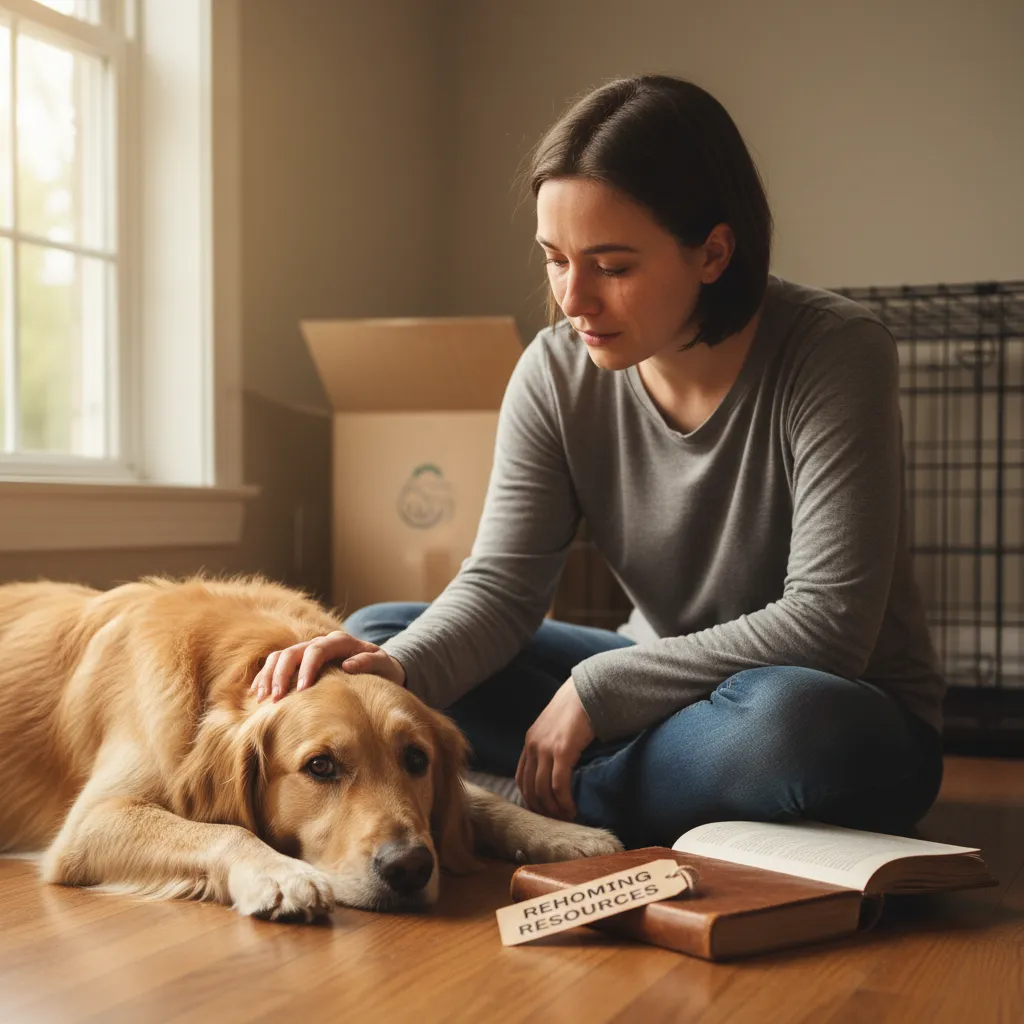
Understanding Ethical Rehoming vs. Surrender
It is crucial to distinguish between “rehoming” and “surrendering,” as they result in very different experiences for the animal.
Surrendering to a Shelter
Surrendering involves handing legal ownership of your pet over to an organization like the SPCA or a local council pound. Once surrendered, you typically lose all control over the animal’s future. While NZ shelters do incredible work, they are often at capacity. Shelter environments are high-stress and can cause anxiety in animals accustomed to a home environment. In some cases, if an animal has behavioral or medical issues, they may be deemed unadoptable.
Ethical Private Rehoming
Ethical private rehoming is a “home-to-home” transfer. The animal stays with you (or a trusted foster) until a new family is found. This method is superior for several reasons:
- Reduced Stress: The animal avoids the noise and confinement of a kennel.
- Better Matching: You know your pet best. You can provide potential owners with accurate details about their quirks, likes, and dislikes.
- Transparency: You can vet the new owners personally, ensuring peace of mind.
Alternatives to Rehoming: Have You Tried Everything?
Before initiating the rehoming process, it is worth exploring resources that might allow you to keep your pet. Sometimes, a temporary fix is all that is needed to bridge a difficult period.
Behavioral Support
If the issue is behavioral (e.g., barking, destroying furniture, aggression), consult a qualified animal behaviorist. Many issues are solvable with training. In New Zealand, look for trainers certified by the APDTNZ (Association of Pet Dog Trainers New Zealand).
Financial Assistance
If the barrier is financial, reach out to local charities. Some organizations provide pet food banks or subsidized desexing and veterinary care. Community Veterinary Clinics often offer lower-cost services for Community Services Card holders.
Pet-Friendly Housing Advocacy
If you are struggling to find a rental, create a “Pet CV” for your animal. Include references from previous landlords, vaccination records, and proof of desexing. Offering a “pet bond” (though not legally enforceable as a separate bond, offering to cover professional carpet cleaning upon exit can help) may sway a landlord.
The Step-by-Step Guide to Responsible Rehoming
If you have exhausted all alternatives and determined that rehoming is the only responsible choice, follow this protocol to ensure your pet’s safety.
1. Veterinary Preparation
Desexing is non-negotiable. Do not rehome an intact animal. Rehoming an un-desexed pet in NZ invites backyard breeders and puppy farmers who may exploit the animal for profit. Ensure vaccinations are up to date and the animal is microchipped. You must also register the microchip transfer with the New Zealand Companion Animal Register (NZCAR) once the adoption is finalized.
2. Honest Profiling
Write a bio that highlights the pet’s personality, but be brutally honest about their needs. If the dog hates cats, say so. If the cat needs daily medication, disclose it. A “sugar-coated” profile leads to failed adoptions and the animal being bounced back to you.
3. The “No Free Pets” Rule
Never list a pet as “Free to a good home.” Sadly, dog fighting rings and animal abusers exist in New Zealand. They actively look for free animals. Always charge a rehoming fee. This fee acts as a deterrent to those with bad intentions and demonstrates that the new owner is financially capable of caring for a pet. You can donate this fee to a charity if you are uncomfortable keeping it.
PetRescue.org.nz and Private Rehoming Platforms
Using the right platform is critical for visibility and safety. While social media is common, it is fraught with risks. Dedicated platforms offer more structure.
PetRescue.org.nz & Similar Directories
While “PetRescue” is a massive entity in Australia, in New Zealand, the landscape is fragmented. Platforms that function as directories for private rehoming (often referred to generically as pet rescue sites) allow you to list your pet while keeping them in your care. These platforms often provide:
- Application Forms: Standardized questions to ask potential adopters.
- Support Networks: Advice on how to handle the handover.
- Reach: Access to people specifically looking to adopt, not just buy.
TradeMe (Adoption Section)
TradeMe is the largest marketplace in NZ. They have a specific category for cats and dogs. When using TradeMe, ensure you select the “Rehome” option rather than a general sale, and be vigilant about screening questions.
Breed-Specific Rescues
If you have a specific breed (e.g., Greyhound, Labrador, Siamese), contact breed-specific rescue groups in NZ. Even if they cannot take the dog into foster care, they often run “Assisted Rehoming” programs where they advertise your dog on their high-traffic Facebook pages to pre-vetted communities.

Screening Potential Adopters: The Safety Checklist
When you receive inquiries, you must interview the applicants. Do not feel bad about being intrusive; you are the voice for your pet. Use this checklist:
- Housing Check: Ask for proof of home ownership or written landlord permission to keep a pet. Use Google Maps to check the property for fencing (if rehoming a dog).
- Vet Reference: Ask for the name of their current or previous vet. Call the vet to ask: “Did they keep vaccinations up to date? Was the animal desexed? Was the animal in good weight?”
- Household Members: Meet the whole family. If they have children, observe the interaction. If they have other dogs, organize a meet-and-greet in a neutral territory (like a park) to test compatibility.
- Lifestyle Match: Does their work schedule fit the pet’s needs? A high-energy working dog cannot be left alone in an apartment for 10 hours a day.
The Legalities and Paperwork
To protect both parties and the animal, formalize the arrangement.
The Rehoming Contract
Draft a simple agreement stating that ownership is being transferred. Crucially, include a “Return to Owner” clause. This clause states that if, for any reason, the new owner cannot keep the pet (in 2 weeks or 2 years), they must contact you first before rehoming or surrendering the animal. This ensures the pet never ends up in a pound.
Microchip Transfer
In New Zealand, microchips are registered on the NZCAR. You, as the current owner, usually need to initiate the transfer or provide the registration papers to the new owner so they can update the details. This costs a nominal fee but is essential for legal ownership transfer.
Council Registration
For dogs, you must notify your local council (e.g., Auckland Council, Wellington City Council) that you are no longer the owner. The new owner must register the dog in their name immediately.
Coping with the Emotional Toll
Rehoming a pet is a form of grief. You may experience “disenfranchised grief,” where society does not validate your pain because it was a “choice.” Remind yourself that prioritizing your pet’s welfare over your desire to keep them is an act of bravery.
Stay in touch with the new owners if they are open to it. Receiving photos of your pet happy and settled can provide immense closure. However, respect their boundaries if they prefer a clean break to allow the animal to bond with them.
For more information on animal welfare standards and your legal obligations, refer to the Ministry for Primary Industries (MPI) Animal Welfare guidelines.

People Also Ask
Can I rehome my dog myself in NZ?
Yes, you can legally rehome your dog yourself in New Zealand. However, you must ensure the dog is registered with the local council and that the microchip details are updated on the NZCAR. It is strongly recommended to desex the dog and charge a rehoming fee to ensure safety.
Does the SPCA charge to surrender a pet?
The SPCA generally does not charge a mandatory fee to surrender an animal, but they often request a donation to help cover the costs of care. However, acceptance is based on capacity and the animal’s health/behavior; they are not obligated to take every animal.
Is it illegal to sell pets on Facebook in NZ?
Facebook’s commerce policies prohibit the sale of live animals. While you may see “rehoming” posts in community groups, posts listing animals for sale are frequently removed. It is safer and more effective to use dedicated platforms or TradeMe’s adoption category.
What is the safest way to rehome a cat in NZ?
The safest way is to keep the cat at home while advertising through a reputable rescue organization’s “assisted rehoming” program. Always vet checks, require a home visit, and ensure the cat is desexed to prevent it from being acquired by kitten mill operators.
How do I transfer dog ownership in NZ?
To transfer ownership, you must contact your local council to remove your name from the registration and provide the new owner with the dog’s details so they can register it. You must also log in to the NZ Companion Animal Register (NZCAR) to transfer the microchip contact details.
What happens if I surrender my dog to the pound in NZ?
Council pounds in NZ are primarily for animal control. If you surrender a dog to a pound, they will attempt to rehome it if it passes a temperament test, but if the pound is full or the dog fails the test, it may be euthanized. Private rehoming is always a safer alternative.