Finding rescue animals near me NZ involves exploring a network of dedicated shelters, organisations, and community groups across New Zealand committed to animal welfare. This comprehensive guide will help you navigate the adoption process, connect with reputable rescues, and ultimately find a furry, feathered, or scaled companion whose needs and personality perfectly align with your lifestyle.
Navigating the Search for Rescue Animals Near Me NZ
Embarking on the journey to find rescue animals near me NZ begins with understanding the diverse landscape of animal welfare organisations throughout the country. New Zealand boasts a compassionate community dedicated to rescuing, rehabilitating, and rehoming animals of all kinds. From large national organisations to small, volunteer-run local groups, each plays a vital role in giving animals a second chance at a loving home. The key to successful adoption often lies in knowing where to look and how to connect with these invaluable resources.
Understanding the Landscape of Animal Rescues in New Zealand
New Zealand’s animal rescue sector is a vibrant ecosystem comprising various types of organisations. National entities like the SPCA New Zealand operate across multiple regions, offering comprehensive services from rescue and rehoming to advocating for animal welfare legislation. Alongside these giants, countless smaller, independent shelters and breed-specific rescues focus on particular types of animals, such as retired greyhounds, specific cat breeds, or even exotic birds. Each organisation has its own unique processes, foster networks, and specialisations. Understanding this variety will help you narrow down your search and find a rescue that aligns with your specific interests and location within NZ.
Online Resources and Databases
The internet is an incredibly powerful tool when searching for rescue animals near me NZ. Many rescue organisations maintain active websites and social media profiles where they list available animals, share success stories, and provide information about their adoption processes. Websites like Trade Me often have a dedicated ‘Pets & Animals’ section where shelters list animals for adoption, making it a central hub for many prospective adopters. Furthermore, aggregators and directories focused on animal welfare can provide a consolidated view of animals available from various rescues across New Zealand. Always ensure the website is legitimate and directly linked to a registered charity or reputable organisation before proceeding.
Local Shelters and Community Groups
While online searches are efficient, don’t underestimate the value of local engagement. Visiting your nearest animal shelter can provide a direct, hands-on experience, allowing you to meet animals in person and speak with staff and volunteers. Local community groups, often found on Facebook or through word-of-mouth, frequently run foster networks and smaller-scale rescue operations. These groups might have animals not yet listed on larger databases. Attending local pet expos, adoption days, or community events focused on animal welfare can also connect you directly with organisations and foster carers in your immediate vicinity, helping you find rescue animals near me NZ more effectively.
Specific Animal Rescues (Dogs, Cats, Others)
If you have a particular type of animal in mind, you can focus your search on breed-specific or species-specific rescues. For instance, numerous dedicated dog rescues cater to specific breeds or types, such as working dogs, companion breeds, or those needing specialist care. Similarly, cat-specific rescues often have extensive foster networks and can provide detailed insights into feline behaviour and needs. Beyond dogs and cats, New Zealand also has rescues for rabbits, guinea pigs, birds, and even farm animals. Tailoring your search to these specialised groups can lead you directly to experts in that animal’s care and temperament, ensuring a better match for both you and the animal.
Practical Tips for Finding the Right Rescue Pet
Finding rescue animals near me NZ involves more than just a casual search; it requires thoughtful preparation and understanding of the adoption process. To ensure a successful and lasting match, it’s crucial to approach the process with clear expectations, a willingness to learn, and an open heart. These practical tips will guide you through the initial steps, helping you prepare your home and your mindset for a new companion.
Preparing for Your New Family Member
Before you even begin seriously looking at available rescue animals, take time to prepare your home and lifestyle. Consider what type of pet truly fits your living situation. Do you live in an apartment or a house with a yard? How much time can you realistically dedicate to exercise, training, and companionship each day? Research the general needs of the type of animal you’re considering – their dietary requirements, grooming needs, potential veterinary costs, and typical lifespan. Creating a safe and welcoming environment, including necessary supplies like food bowls, bedding, toys, and secure fencing (for dogs), will make the transition smoother for your new pet and reduce stress for everyone involved.
The Application and Interview Process
Most reputable rescue organisations in New Zealand have a thorough application and interview process designed to ensure animals go to suitable homes. This process typically involves filling out a detailed application form, providing references, and undergoing an interview with a rescue representative. Some rescues may also conduct a home check to ensure your living environment is safe and appropriate for the animal you wish to adopt. While this might seem extensive, remember that these steps are in place for the welfare of the animal. Be honest and transparent throughout the process, and don’t hesitate to ask questions yourself. This is a two-way street to ensure the best possible match.
Meeting Your Potential Pet
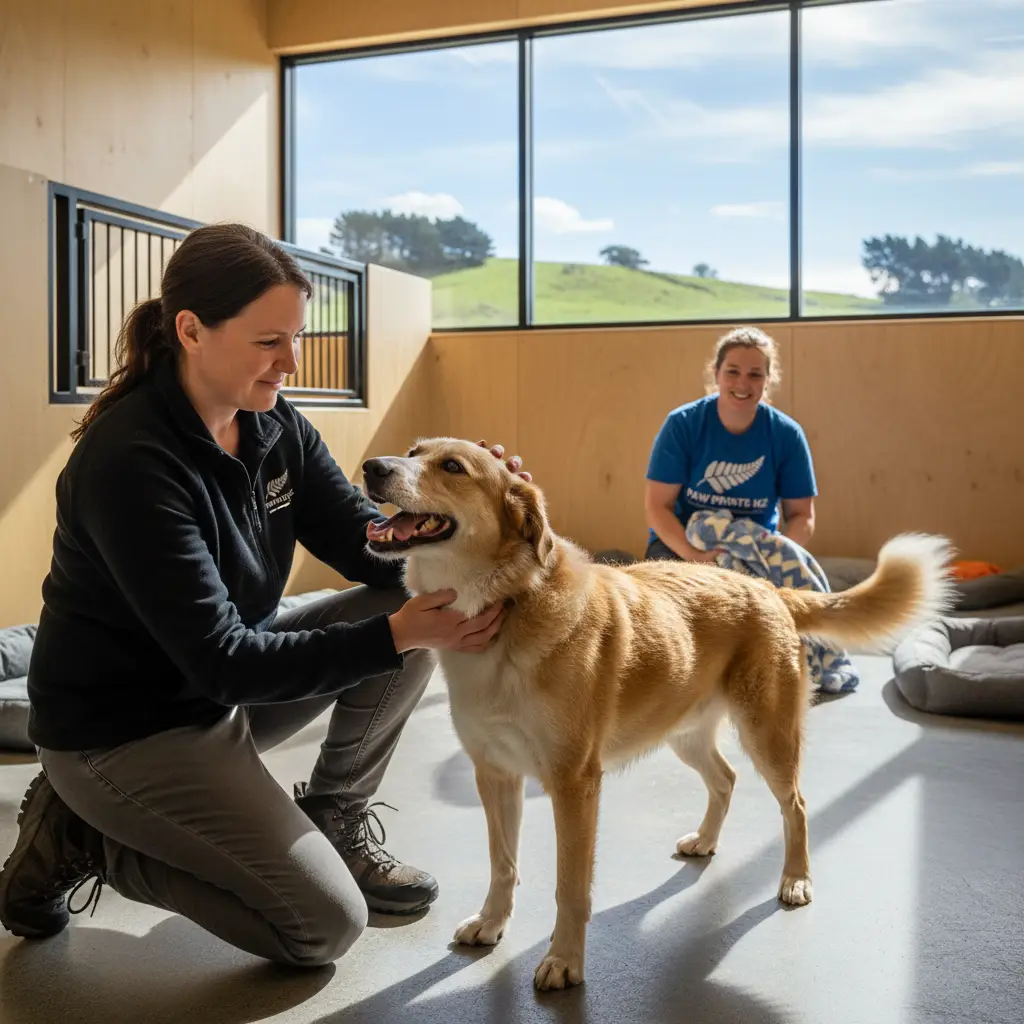
Once your application is approved, you’ll usually have the opportunity to meet potential pets. This is a critical step in finding rescue animals near me NZ. Spend quality time interacting with the animal, observing its behaviour, and seeing how it responds to you. If you have other pets or children, some rescues may facilitate a controlled meeting to assess compatibility. It’s important to be patient; some animals may be shy or overwhelmed in a shelter environment. Ask the carers about the animal’s history, known personality traits, any behavioural quirks, and health status. This information is invaluable for making an informed decision and understanding what to expect once the pet comes home.
Understanding Adoption Fees and What They Cover
Adopting a rescue animal almost always involves an adoption fee. It’s important to understand that this fee is not a purchase price but a contribution towards the significant costs incurred by the rescue organisation. These costs typically cover veterinary care (including desexing, vaccinations, microchipping, and any necessary treatments), food, shelter, and behavioural assessments. While the fee might seem substantial, it often represents only a fraction of the true cost of getting an animal ready for adoption. By paying an adoption fee, you are directly supporting the rescue’s ongoing work and helping them continue to save more lives. Always inquire exactly what the adoption fee covers to appreciate its value.
Matching Rescue Animals to Your Lifestyle
The success of an adoption hinges significantly on finding a rescue animal whose needs, energy levels, and personality are a good fit for your daily life. A mismatch can lead to stress for both the pet and the owner, potentially resulting in the animal being returned to the shelter. Thoughtful consideration of your lifestyle is paramount when looking for rescue animals near me NZ.
Assessing Your Living Situation and Schedule
Consider the practicalities of your living situation. Do you live in a bustling city apartment or a rural property with ample space? How many hours are you away from home each day for work or other commitments? A high-energy dog might struggle in a small apartment with minimal exercise, while a shy cat might prefer a quiet home over one with young children and frequent visitors. Be honest about your daily routine, your capacity for exercise, and the amount of time you can dedicate to your pet. Some animals thrive on constant companionship, while others are more independent. Matching these factors is crucial for a harmonious household.
Considering Age, Breed, and Temperament
The age, breed (or breed mix), and individual temperament of a rescue animal are key indicators of how well they might integrate into your life. Puppies and kittens, while adorable, require significant time, training, and patience. Adult animals often come with established personalities and may already be house-trained, offering a clearer picture of their future behaviour. Senior pets, though sometimes overlooked, can be wonderfully calm, affectionate companions requiring less intense exercise. Research specific breed traits if you’re drawn to a particular type, but remember that individual temperaments can vary greatly. Spend time talking with the rescue staff about the animal’s known temperament, energy levels, and any special needs.
The Importance of a Trial Period (If Available)
Some progressive rescue organisations offer a trial period, allowing the adopted animal to spend a few days or weeks in your home before the adoption is fully finalised. This can be an invaluable opportunity to see how the animal truly behaves in a home environment, how they interact with family members and existing pets, and if any unforeseen challenges arise. If a trial period is offered, embrace it. It provides a low-pressure way to ensure the best possible match and address any integration issues with the support of the rescue organisation. Always communicate openly with the rescue during this time, whether things are going perfectly or if you’re encountering difficulties.
The Adoption Journey: From Application to Integration
The journey to bringing home rescue animals near me NZ is a rewarding one, but it involves several important steps beyond the initial search. Understanding what to expect during the application, approval, and integration phases will help ensure a smooth transition for both you and your new family member.
Navigating the Application and Approval Process
Once you’ve identified a potential match, the formal application process begins. This typically involves completing a detailed form outlining your living situation, pet experience, and lifestyle. Be prepared for questions about your home environment, secure fencing (for dogs), current pets, and your capacity to provide adequate care. Many rescues will also conduct a phone interview and may request references. Some will also require a home visit to ensure your environment is suitable for the animal you’re interested in. While this process can feel rigorous, remember it’s designed to ensure the best possible outcome for the animals in their care. Transparency and honesty are key.
Bringing Your New Pet Home
The day you bring your new rescue animal home is exciting, but it can also be stressful for the pet. Plan for a calm and quiet arrival. Have all necessary supplies ready: food, water bowls, bedding, toys, and a designated safe space. For dogs, a secure crate or quiet room can provide comfort; for cats, a small room with their litter box and food can help them acclimate. Introduce them slowly to other family members and existing pets, following the rescue’s advice. Give them space and time to explore their new surroundings at their own pace. Establish a consistent routine for feeding, walks, and playtime early on to help them settle in and build trust.
Integration and Building Trust
Building trust with a rescue animal takes time and patience. Many rescue animals have experienced trauma or neglect, and they may exhibit fear, anxiety, or behavioural quirks initially. Consistency, positive reinforcement, and a predictable routine are crucial. Avoid overwhelming them with too much attention too soon. Use gentle handling, speak in soothing tones, and reward good behaviour with treats and praise. If you encounter behavioural challenges, reach out to the rescue organisation for advice; many offer post-adoption support or can recommend qualified trainers. Remember that integrating a new pet is a journey, not a destination, and celebrating small victories along the way is important. For ongoing support, resources like the SPCA New Zealand offer valuable guidance on pet care and behaviour.
Beyond Adoption: Supporting Rescue Efforts in NZ
Even if you’re not ready to adopt, there are numerous ways to contribute to the welfare of rescue animals near me NZ. Supporting these organisations is vital for their continued operation and their ability to save and rehome animals in need. Every contribution, big or small, makes a significant difference.
Fostering: A Lifeline for Animals
Fostering is one of the most impactful ways to help rescue animals without a permanent commitment. Foster carers provide temporary homes for animals, allowing them to decompress from shelter life, receive individual attention, and prepare for their forever homes. This is particularly crucial for young puppies and kittens, animals recovering from illness or injury, or those who find shelter environments overly stressful. Fostering frees up space in shelters, allowing them to rescue more animals. Many rescues provide all necessary supplies, food, and veterinary care, making fostering an accessible way to make a huge difference in an animal’s life.
Volunteering Your Time and Skills
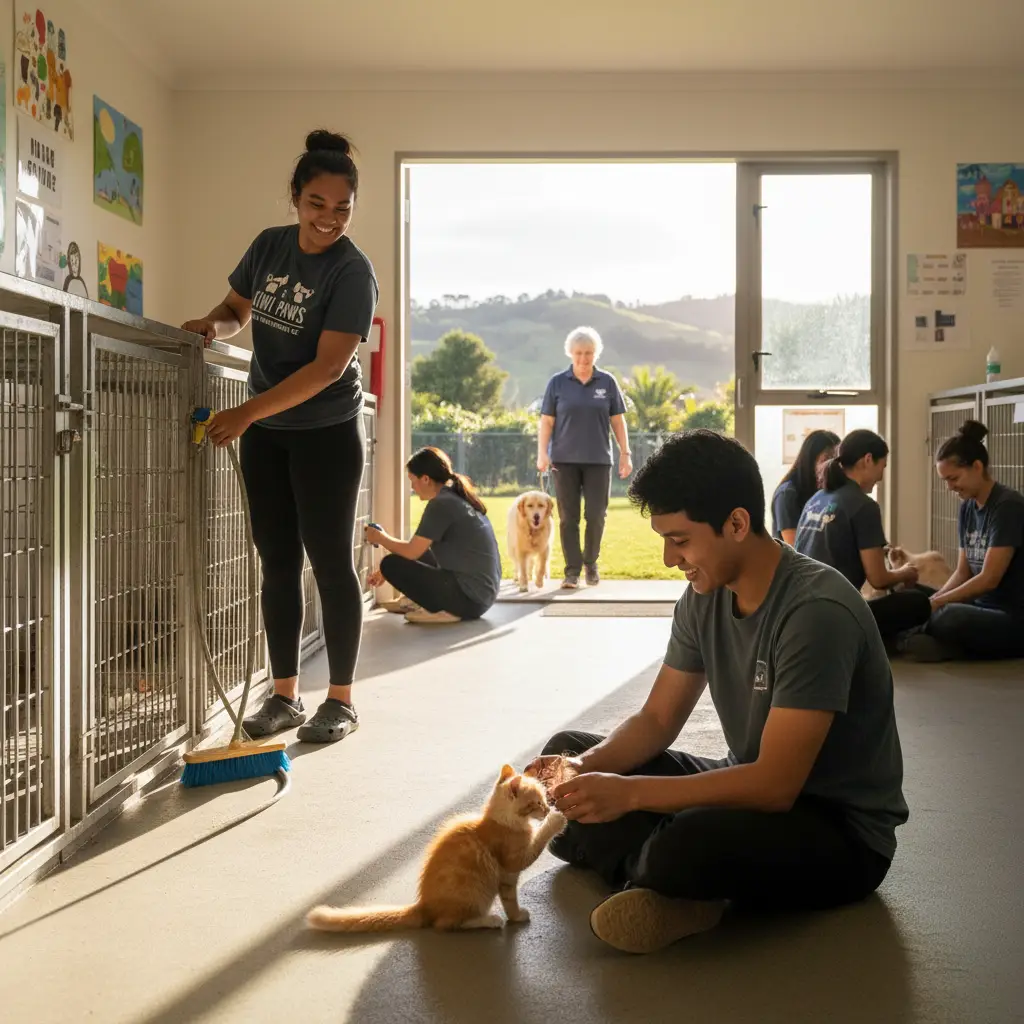
Rescue organisations rely heavily on volunteers to run their operations. Whether it’s walking dogs, cleaning kennels, playing with cats, assisting with administrative tasks, helping at adoption events, or transporting animals, there’s a volunteer role for almost every skill set and time commitment. Volunteering is a rewarding way to directly interact with rescue animals and contribute to their daily well-being. It also provides an opportunity to meet like-minded individuals and become a part of the vibrant animal welfare community in New Zealand. Check with your local SPCA branch or independent rescue for current volunteer opportunities.
Donating and Fundraising
Financial donations are the lifeblood of animal rescue organisations. Every dollar contributes to food, medical care, shelter maintenance, and operational costs. Even small, regular donations can provide consistent support. Many rescues also welcome donations of goods, such as blankets, towels, pet food, toys, and cleaning supplies. Organising or participating in fundraising events is another fantastic way to contribute. From bake sales to sponsored runs, creative fundraising efforts can raise much-needed funds and awareness for the plight of rescue animals. For information on animal welfare legislation and related government initiatives, you can consult resources from the Ministry for Primary Industries (MPI).
Bringing a rescue animal into your life is a profound decision, offering immense rewards for both you and your new companion. By following this guide to finding rescue animals near me NZ, you’ll be well-equipped to navigate the process, make an informed choice, and give a deserving animal the loving home they’ve always dreamed of. Remember, patience, compassion, and commitment are your greatest assets on this incredibly fulfilling journey.
People Also Ask
What are the most common rescue animals available in NZ?
In New Zealand, the most commonly available rescue animals are dogs and cats of all ages, breeds, and sizes. However, many rescues also take in and rehome rabbits, guinea pigs, birds, and sometimes even larger farm animals or unique pets, depending on the organisation’s specialisation and capacity. Check local shelter websites for specific availability.
How long does the adoption process typically take in New Zealand?
The adoption process in New Zealand can vary widely, typically ranging from a few days to several weeks. Factors include the specific rescue organisation’s procedures, the thoroughness of their application and interview process (including home checks), and how quickly you can meet the animal and complete necessary paperwork. Patience is key, as rescues prioritise finding the best long-term match.
Are adoption fees common, and what do they usually cover?
Yes, adoption fees are very common and essential for animal rescue organisations in New Zealand. These fees help cover the significant costs incurred by the rescue, which typically include desexing, initial vaccinations, microchipping, flea and worm treatments, any necessary veterinary care, food, and general upkeep while the animal is in their care. The fee ensures responsible pet ownership and helps rescues continue their vital work.
Can I adopt a rescue animal if I live in an apartment in NZ?
Absolutely! Many rescue organisations in NZ are happy to approve adoptions for apartment dwellers, provided the living situation is suitable for the specific animal. Key considerations include the animal’s energy levels, need for outdoor access, your commitment to regular exercise (for dogs), and building regulations regarding pets. Openly discuss your living situation with the rescue to find a compatible match.
What support do rescue organisations offer after adoption?
Many reputable rescue organisations in New Zealand offer valuable post-adoption support. This can include advice on settling your new pet, behavioural guidance, training tips, and even trial periods or return policies if the adoption doesn’t work out. It’s always best to ask about their post-adoption support services during the application process to understand what resources are available to you.
What is involved in fostering an animal in New Zealand?
Fostering an animal in New Zealand involves providing a temporary home for a rescue animal until they find their permanent family. Foster carers offer shelter, food, love, and basic training, helping the animal decompress and socialise. Rescue organisations typically cover all veterinary costs and often provide food and supplies. It’s a hugely rewarding way to help animals in need and free up space in shelters.