Settling an adopted pet in NZ requires a strategic approach grounded in patience and routine, typically adhering to the “3-3-3 Rule” of decompression. To successfully integrate a rescue animal, owners must establish a quiet sanctuary space, maintain a strict schedule to reduce anxiety, and interpret subtle body language cues to prevent overstimulation during the critical first three months of their new life.
Understanding the Transition Phase
Adopting a rescue animal is one of the most rewarding experiences a New Zealander can have, but it is also a period fraught with confusion for the animal. Whether you have adopted a greyhound retired from racing, a mixed-breed puppy from a rural shelter, or a shy cat from the SPCA, the physiological experience for the animal is similar. They are moving from a high-stress environment (the shelter or pound) to an entirely new world.
When a pet enters your home, their cortisol levels (stress hormones) are likely elevated. This state of hyper-arousal affects their ability to learn, sleep, and eat. Many new owners mistake a shut-down dog for a “calm” dog, or a hissing cat for an “aggressive” one. In reality, these are biological responses to a massive upheaval. Understanding that your new companion is likely in a state of survival mode is the first step toward empathy. Your goal is not to train them immediately, but to help them feel safe enough to reveal their true personality.
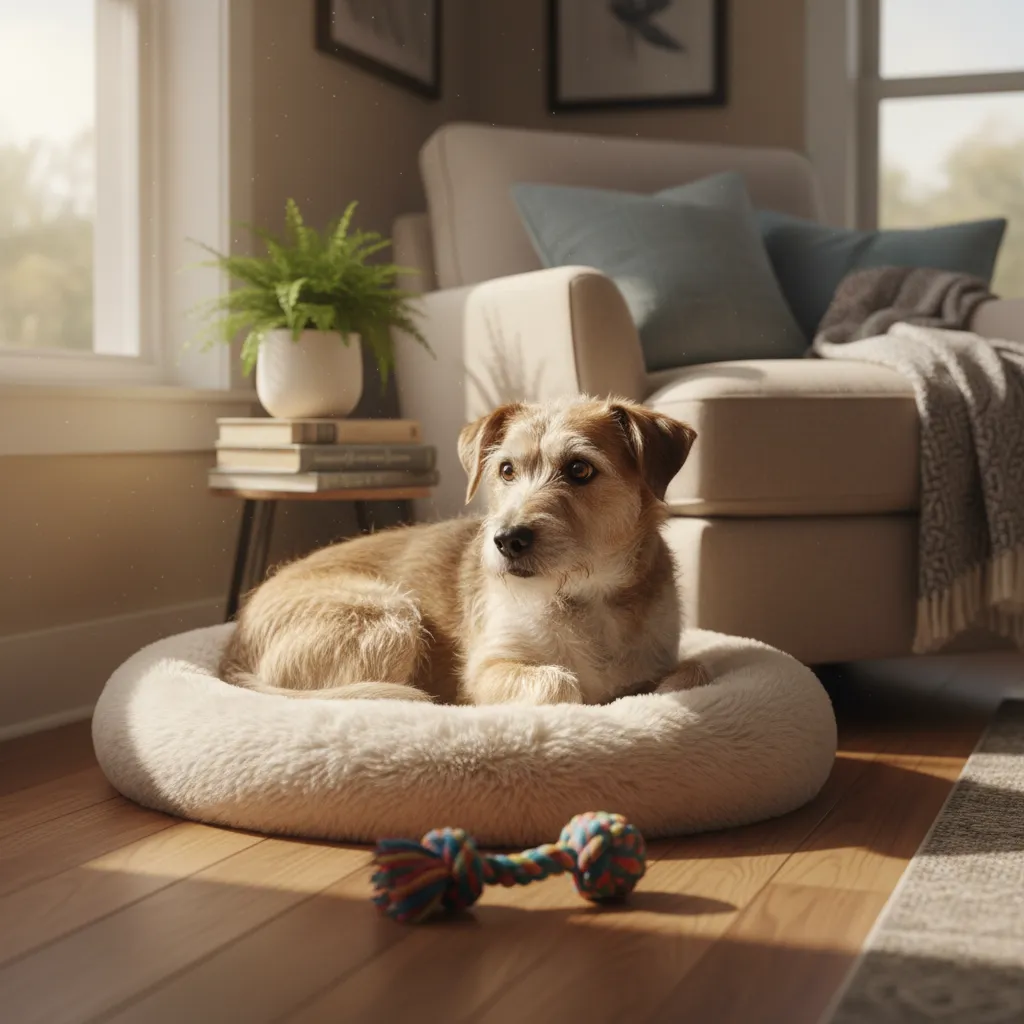
The 3-3-3 Rule: A Timeline for Adjustment
In the world of animal rescue, the “3-3-3 Rule” is the gold standard for managing expectations. While every animal is different, this general timeline helps owners understand the phases of decompression.
The First 3 Days: Decompression
During the first three days, your new pet is likely overwhelmed. They may not feel comfortable enough to be “themselves.” Common behaviors include:
- Hiding: Cats may stay under beds; dogs may retreat to crates.
- Loss of Appetite: They may refuse food or water due to nerves.
- Testing Boundaries: Or conversely, being completely shut down and compliant.
Your role here is to be a quiet observer. Do not invite the extended whānau over to meet the new dog. Keep the environment quiet and predictable.
The First 3 Weeks: Settling In
After about three weeks, your pet starts to realize this might be their forever home. They begin to settle into a routine. However, this is also when behavioral issues may start to appear. Since they feel more secure, they may start testing boundaries, barking, or showing separation anxiety. This is the critical time to establish consistent rules and routines.
The First 3 Months: true Bonding
By the three-month mark, your pet should feel secure. They have built trust and a bond with you. Their true personality is fully visible. This is when structured training can truly take off, as the dog or cat is no longer in a state of constant fight-or-flight.
Decoding Stress Signals in Dogs and Cats
Animals communicate primarily through body language. Misinterpreting these signals is the leading cause of bites and scratches during the settling-in period. You must become an expert in your pet’s silent language.
Canine Stress Signals
Dogs often give subtle warnings before they growl or snap. Look out for these “displacement behaviors” which indicate they are uncomfortable:
- Whale Eye: Showing the whites of their eyes.
- Lip Licking: Flicking the tongue in and out when no food is present.
- Yawning: A yawn when not tired is a classic sign of stress.
- Panting: Heavy panting when it isn’t hot or after exercise.
- Pacing: Inability to settle in one spot.
Feline Stress Signals
Cats are both predators and prey, making them masters of masking pain and fear. Watch for:
- Flattened Ears: Ears pressed back against the head.
- Tail Twitching: Rapid flicking of the tail tip.
- Dilated Pupils: Eyes looking black and wide.
- Crouching: Staying low to the ground with tense muscles.
If you see these signs, back off. Do not force interaction. Let the animal come to you on their own terms. For authoritative advice on animal behavior, resources like the SPCA New Zealand Advice Portal offer excellent localized guides.
Creating a Safe Sanctuary and Routine
Consistency is the antidote to anxiety. When a pet knows what to expect, their cortisol levels drop. This begins with the physical environment and the daily schedule.
The Sanctuary Room
For cats, a “sanctuary room” is non-negotiable. This should be a spare bedroom or laundry area equipped with a litter box, food, water, scratching post, and hiding spots. Keep the cat in this room for at least the first week, gradually allowing them to explore the rest of the house only when they are confident.
For dogs, a crate or a specific zone (like a gated kitchen) acts as their den. In New Zealand, crate training is widely recommended by rescue groups not as punishment, but as a management tool. The crate should be covered (to create a cave-like atmosphere) and filled with comfortable bedding. The door should remain open initially so they can choose to enter.
Establishing a Routine
Animals possess an internal clock. Try to adhere to the following schedule:
- Feeding: Feed at the exact same times morning and night. Remove the bowl after 20 minutes if they haven’t eaten to establish a rhythm.
- Toileting: For dogs, take them out immediately after waking, after eating, and after play. Use the same door and the same patch of grass.
- Sleep: Ensure they have undisturbed sleep. A tired dog is a grumpy dog.

Gentle Introductions to Family and Existing Pets
The introduction phase can make or break the relationship between your new pet and the existing members of your household. The golden rule is: Go Slow.
Introducing Dogs to Dogs
Never throw two dogs together in the backyard and hope they “work it out.” Introductions should happen on neutral territory, such as a local park or a quiet street.
- Parallel Walking: Have one person walk the resident dog and another walk the new dog. Walk parallel to each other at a distance where neither dog is reacting.
- Gradual Approach: Slowly close the distance over the course of the walk. Allow brief sniffing (3 seconds max) then call them away.
- Home Turf: When bringing them home, keep them separated or on-leash initially. Remove all high-value toys and food bowls to prevent resource guarding.
Introducing Cats (Scent Swapping)
Cats rely heavily on scent. Before they see each other, they should smell each other.
- The Swap: Take a blanket the new cat has slept on and place it near the resident cat’s food bowl, and vice versa. This associates the stranger’s scent with something positive (food).
- Visual Contact: Use a baby gate or crack the door slightly so they can see each other without physical contact. Feed them on opposite sides of the door.
- Physical Contact: Only allow physical interaction once there is no hissing or growling through the barrier.
Kids and Rescue Pets
Children must be taught that the new pet is not a toy. For the first few weeks, interactions should be actively supervised. Teach children never to disturb a sleeping animal or approach a dog while it is eating. In NZ, many bites occur in the home because a child hugged a dog that was giving stress signals.
Long-Term Bonding and Behavioral Health
Once the initial settling-in period is over, focus shifts to long-term bonding and enrichment. A bored pet is a destructive pet.
Decompression Walks (Sniffaris)
Instead of a fast-paced power walk, take your new dog on a “Sniffari.” Put them on a long line (5-10 meters) and let them lead the way. Sniffing lowers a dog’s heart rate and provides mental stimulation. New Zealand has an abundance of bush walks and beaches perfect for this, but ensure you adhere to local leash laws.
Mental Enrichment
Ditch the food bowl. Use puzzle toys, snuffle mats, or scatter feeding in the grass. Working for food builds confidence and burns mental energy. For cats, vertical space is crucial. Ensure you have cat trees or shelves where they can observe the household from a height.
Positive Reinforcement Training
Avoid dominance-based training methods, which can damage the fragile trust you are building. Use positive reinforcement (treats and praise) to reward desired behaviors. If your rescue dog sits, reward them. If they walk calmly, reward them. Focus on what you want them to do, rather than punishing what you don’t want them to do.

NZ Specific Considerations for Adopters
Adopting in New Zealand comes with unique environmental factors that owners should prepare for.
Fencing and Containment
Kiwi backyards often have “number 8 wire” fencing solutions that might not hold a determined escape artist. Before bringing your dog home, walk your perimeter. Look for gaps under fences or spots where a dog could climb over. Rescue organizations will often require a property check, but it is your responsibility to maintain security.
Fireworks and Thunderstorms
While NZ doesn’t have many predators, we do have Guy Fawkes. Adopted pets often have unknown trauma regarding loud noises. Prepare for November by creating a sound-proof bunker in your home and talking to your vet about anti-anxiety medication if necessary.
Vet Registration and Microchipping
In New Zealand, you must register your dog with your local council. Ensure the microchip details are updated from the rescue organization’s name to yours immediately. This is vital for reunification if your pet escapes during the settling period. You can check the New Zealand Companion Animal Register to ensure your details are correct.
By following these guidelines and respecting the adjustment timeline, you are setting the foundation for a life of companionship. The key to settling an adopted pet in NZ is empathy—viewing the world through their eyes and giving them the time they need to feel safe.
Frequently Asked Questions
How long does it take for a rescue dog to settle in?
While every dog is different, the general guideline is the 3-3-3 rule: 3 days to decompress, 3 weeks to learn the routine, and 3 months to feel fully at home. Some dogs with severe trauma may take longer, up to a year, to fully trust their new owners.
Why is my adopted dog not eating?
It is very common for dogs to refuse food during the first few days due to stress and high cortisol levels. Do not panic. Offer high-value food (like warm chicken or wet food) and leave them alone to eat in a quiet space. If they do not eat for more than 48 hours, consult a vet.
Should I crate train my rescue dog?
Yes, crate training is highly recommended for rescue dogs in NZ. It provides them with a safe, den-like space where they can retreat when overwhelmed. It also aids in toilet training and prevents destructive behavior while you are asleep or away.
How do I introduce a rescue dog to my cat?
Keep them separated initially. Use scent swapping (exchanging bedding) so they get used to each other’s smell. When introducing them face-to-face, keep the dog on a leash and ensure the cat has an escape route (high ground). Reward the dog for ignoring the cat.
What if my rescue dog has separation anxiety?
Separation anxiety is common. Start by leaving the dog alone for very short periods (seconds, then minutes) and gradually build up. Do not make a fuss when leaving or returning. Provide enrichment toys like frozen kongs to keep them occupied while you are gone.
Can I take my rescue dog to the dog park immediately?
No. You should avoid dog parks for at least the first few weeks or months. You do not know your dog’s social skills yet, and a bad experience early on can cause lasting reactivity. Focus on bonding with you first before introducing them to strange dogs.