Adopting a pet is a deeply rewarding experience, offering a second chance at happiness for an animal in need and bringing immense joy to a household. In New Zealand, the process is designed to ensure that every pet finds a loving, suitable, and permanent home. This comprehensive guide will walk you through every stage, from the initial application to the joyous moment you welcome your new companion into your family, providing essential insights for a smooth and successful adoption journey.
The pet adoption process in NZ typically involves several key stages, including submitting an application, undergoing interviews and home checks, and participating in meet-and-greets. These steps ensure that potential adopters are thoroughly vetted and that pets are matched with environments conducive to their welfare, leading to successful and lasting placements.
The Decision to Adopt: Why It Matters
Choosing to adopt a pet is a significant commitment that extends beyond merely bringing an animal into your home; it’s about providing a lifeline. In New Zealand, thousands of animals find themselves in shelters each year, often through no fault of their own. These animals, ranging from playful puppies and kittens to wise senior companions, are all patiently waiting for a second chance at a loving family. The decision to adopt is not just a personal one; it has a profound impact on animal welfare within the community.
Ethical Considerations and Animal Welfare
By opting for adoption over purchasing from breeders or pet stores, you directly contribute to reducing the demand for commercial breeding operations, many of which can perpetuate unethical practices. Adopting from reputable rescue organisations or shelters in New Zealand supports their vital work in rescuing, rehabilitating, and rehoming animals. These organisations dedicate immense resources to providing veterinary care, nutrition, behaviour assessment, and socialisation for their residents, ensuring they are healthy and ready for a new life. Your adoption fee directly contributes to these life-saving efforts, allowing shelters to continue their crucial work.
The Benefits for Adopters and Pets
The benefits of adopting a pet are multi-faceted. For the animal, it means a safe, stable, and loving environment, often a stark contrast to their previous circumstances. Many adopted pets come with a unique gratitude, forming deep bonds with their new families. For adopters, the rewards are immeasurable. Pets offer companionship, unconditional love, and can significantly enhance mental and physical well-being. They encourage outdoor activity, provide comfort, and often bring laughter and joy into the home. Furthermore, many shelter animals are already house-trained, socialised, and have basic obedience skills, making their integration into a new home potentially smoother than that of a very young puppy or kitten.

Navigating the Application and Interview Stage
Once you’ve made the heartfelt decision to adopt, the practical journey begins with the application and interview stage. This phase is critical for rescue organisations to understand your lifestyle, living situation, and what you’re looking for in a pet, ensuring a harmonious match for both parties.
Finding the Right Rescue Organisation
New Zealand is home to numerous dedicated animal rescue groups and shelters. Start by researching organisations in your local area or those specialising in particular breeds or types of animals if you have a preference. Reputable organisations often have clear websites detailing their adoption processes, available animals, and their mission. Look for transparency in their operations, good reviews, and a clear focus on animal welfare. Organisations like SPCA New Zealand are well-known, but many smaller, local rescues do incredible work too. Don’t hesitate to visit their facilities if possible, or engage with them via phone or email to get a sense of their approach.
Completing the Application Form: What to Expect
The adoption application form is the first formal step. It’s designed to gather comprehensive information about you, your household, and your experience with pets. Expect questions about:
- Your living situation (house, apartment, rented, owned, size of yard, fencing).
- Household members (adults, children, other pets).
- Your lifestyle (work hours, time spent at home, activity levels).
- Previous pet ownership experience.
- Your reasons for wanting to adopt.
- Your understanding of pet care responsibilities (vet care, training, diet).
- References (often personal or veterinary references).
Be honest and thorough in your responses. This isn’t a test to pass or fail, but an opportunity for the rescue to get to know you and assess suitability. Providing accurate information from the outset ensures the best possible match.
The Interview Process: Preparing for Success
Following a review of your application, you’ll typically be invited for an interview. This might be conducted over the phone, via video call, or in person at the shelter. The interview is a chance for the adoption counsellor to delve deeper into your application, clarify any points, and discuss your expectations. Be prepared to talk about:
- Your daily routine and how a pet would fit into it.
- Your approach to pet training and behaviour management.
- Your financial capacity to provide for a pet’s needs (food, vet care, insurance).
- Any concerns or questions you have about pet ownership or the adoption process.
This is also your opportunity to ask questions about the organisation, their animals, and what support they offer post-adoption. A well-prepared adopter shows commitment and a thoughtful approach to pet ownership.

Home Checks and Meet-and-Greets: Ensuring a Perfect Match
These two stages are crucial for verifying that the potential home is safe and suitable for the pet, and that the pet’s personality aligns well with the adopter’s lifestyle and existing household members.
Understanding the Home Visit Purpose
A home check, often conducted by a volunteer or staff member from the rescue organisation, is a standard part of the adoption process in NZ. Its primary purpose is not to judge your housekeeping skills but to ensure the physical safety and suitability of your environment for a pet. They will look for:
- **Safety:** Secure fencing (for dogs), potential hazards, appropriate living spaces.
- **Resources:** Access to shelter, water, and appropriate sleeping areas.
- **Suitability:** Whether the home aligns with the specific needs of the animal you’re interested in (e.g., a quiet home for a shy cat, a large yard for an energetic dog).
- **Rental Agreements:** If renting, proof that pets are allowed according to your tenancy agreement.
This visit is also a great opportunity for you to ask more specific questions about pet-proofing your home or preparing for your new arrival.
Preparing Your Home for Inspection
While you don’t need to deep clean every corner, ensure your home is generally tidy and safe. Focus on areas where the pet will spend most of its time. For dog adoptions, ensure your yard is securely fenced with no escape routes. For cat adoptions, check window screens and ensure there are safe, elevated spaces for them. Have your rental agreement clause regarding pets readily available if applicable. Being prepared demonstrates your seriousness and commitment to responsible pet ownership.
The Importance of Meet-and-Greets with Potential Pets
Meet-and-greets are perhaps the most exciting part of the process. This is your chance to interact directly with the animal you’re considering. It’s vital to observe their behaviour, personality, and how they respond to you. Don’t rush this process. Spend time playing, petting, and simply sitting with the animal. Ask the shelter staff about the pet’s quirks, habits, and any known history. This interaction helps confirm if your personalities and lifestyles are a good match. Remember, it’s a two-way street; the pet also needs to feel comfortable with you.
Introducing Existing Pets (if applicable)
If you already have pets, especially dogs, the rescue organisation will often require a “dog-dog” or “cat-cat” meet-and-greet. This controlled introduction, usually on neutral territory or at the shelter, is critical to assess initial compatibility. Follow the guidance of the shelter staff closely, as they have experience facilitating these introductions safely. A slow, supervised introduction is key to minimising stress and ensuring a smooth transition for all animals involved. Patience is paramount during this stage, as successful integration can take time.
Finalizing the Adoption: Bringing Your New Companion Home
After navigating the application, interview, home check, and meet-and-greet stages, the exciting moment of finalising the adoption approaches. This involves paperwork, fees, and crucial preparations for your new pet’s arrival.
Adoption Agreements and Fees in NZ
Once a suitable match is confirmed, you will sign an adoption agreement. This legal document outlines your responsibilities as a pet owner and the terms and conditions of the adoption. It typically covers aspects such as providing adequate care, food, shelter, veterinary attention, and not rehoming the animal without the rescue’s knowledge. Carefully read and understand every clause before signing. The adoption fee, which varies by organisation and animal, is a one-time payment that helps cover the costs of veterinary care (desexing, microchipping, vaccinations, worming, flea treatment), food, and shelter expenses incurred by the rescue. These fees are essential for the sustainability of animal welfare services in New Zealand. For an example of the typical services provided, you can review information from organisations like SPCA New Zealand’s adoption process guidelines.
Post-Adoption Support and Resources
Reputable rescue organisations in New Zealand often provide significant post-adoption support. This can include advice on diet, training tips, behavioural guidance, and even a grace period for returns if the adoption doesn’t work out (though this is rare with thorough vetting). Don’t hesitate to reach out to the organisation with any questions or concerns in the weeks and months following the adoption. They are a valuable resource and genuinely want to see a successful placement.
Essential Preparations for Welcoming Your New Pet
Before your new family member arrives, ensure your home is fully prepared:
- **Food & Water:** Have appropriate food (ask the shelter what they were eating), food bowls, and a fresh water bowl ready.
- **Bedding:** A comfortable bed or crate where they can feel safe and sleep.
- **Leash, Collar & Tags:** For dogs, a well-fitting collar with identification tags and a leash. For cats, a carrier for transport and initial safe space.
- **Litter Box & Litter:** For cats.
- **Toys:** A selection of appropriate toys for mental stimulation and play.
- **Safety:** Pet-proof your home by removing potential hazards, securing cleaning supplies, and blocking off unsafe areas.
- **Vet Appointment:** Schedule a check-up with your local veterinarian shortly after adoption to establish care and ensure they are healthy.
The First Few Weeks: Settling In
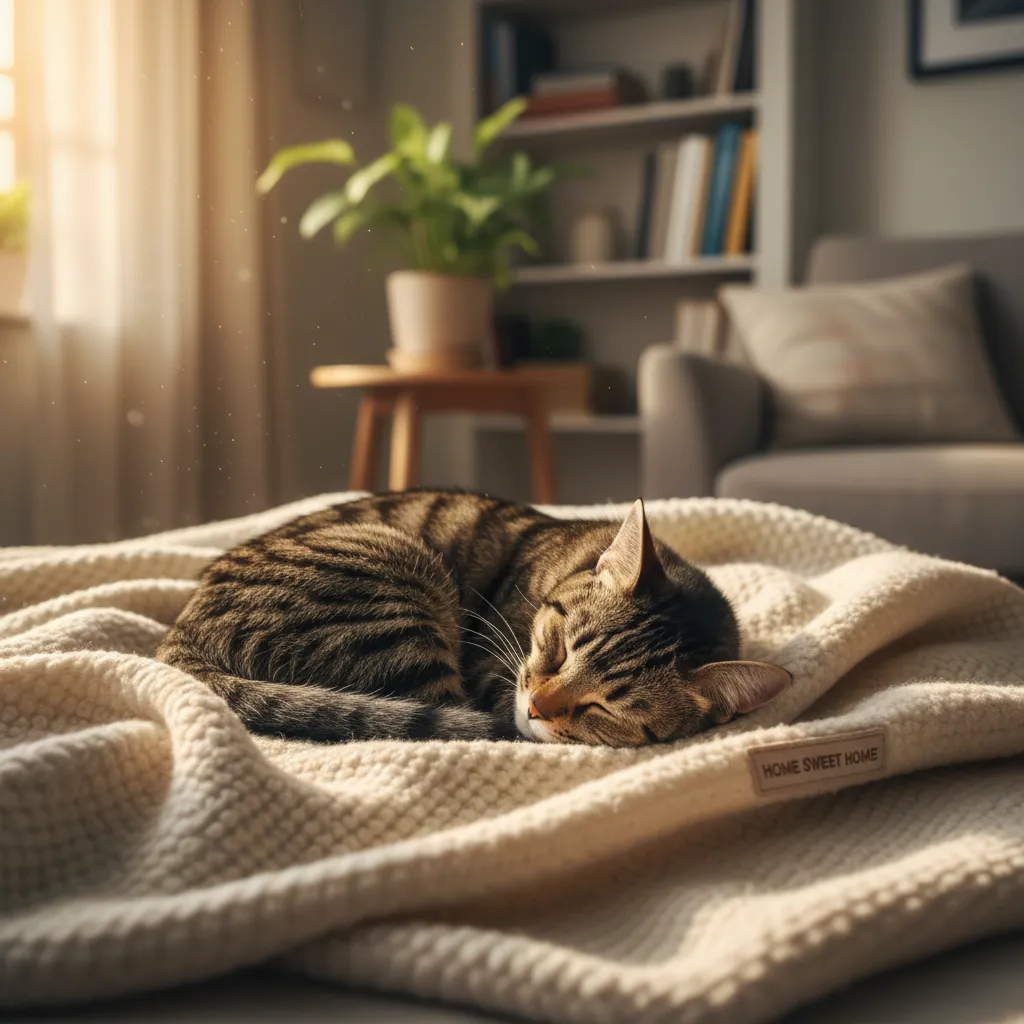
The initial period in a new home can be stressful for an adopted pet. They need time to adjust to new sights, sounds, smells, and routines. Be patient, provide a quiet space, and stick to a consistent schedule for feeding, walks (for dogs), and playtime. Avoid overwhelming them with too many visitors or activities in the first few days. Gradually introduce them to different parts of the house and family members. Positive reinforcement and gentle reassurance will help build trust and strengthen your bond. Remember that it can take several weeks, or even months, for a pet to fully settle and reveal their true personality.
Common Challenges and How to Overcome Them
While pet adoption is incredibly rewarding, it’s not uncommon to encounter a few bumps in the road as your new companion adjusts. Being prepared for these potential challenges can make the transition smoother for everyone.
Adjusting to a New Environment
Pets, like humans, can experience stress when moving to a new environment. This might manifest as shyness, hiding, temporary loss of appetite, or accidents indoors. To help them adjust:
- **Create a Safe Space:** Designate a quiet, secure area (e.g., a crate, a spare room, a specific bed) where your pet can retreat and feel safe.
- **Maintain Routine:** Establish a consistent daily routine for feeding, walks, and playtime. Predictability helps reduce anxiety.
- **Patience is Key:** Give your pet time. It can take weeks or even months for them to fully settle in and show their true personality. Avoid forcing interactions; let them come to you on their own terms.
Behavioural Considerations
Some adopted pets may come with pre-existing behavioural issues due to past experiences or lack of training. These could include separation anxiety, leash pulling, house-soiling, or fear of certain objects/people. Addressing these requires a proactive and compassionate approach:
- **Seek Professional Help:** If you encounter significant behavioural challenges, don’t hesitate to consult a qualified positive reinforcement dog trainer or a veterinary behaviourist. Many rescue organisations also offer behavioural support or can recommend trusted professionals.
- **Consistent Training:** Implement consistent, positive reinforcement training from day one. Focus on basic obedience and good manners.
- **Understand the Cause:** Try to understand the root cause of the behaviour. Is it fear, anxiety, lack of stimulation, or simply a need for boundaries? Addressing the cause is more effective than just treating the symptoms.
- **Enrichment:** Ensure your pet receives adequate mental and physical stimulation through toys, puzzles, walks, and play. A bored pet can often become a destructive one.
Building a Bond
Forming a strong bond with your adopted pet is a gradual process built on trust, consistency, and positive interactions. It won’t happen overnight, but consistent effort will yield incredible results:
- **Positive Interactions:** Engage in gentle play, regular petting (if the pet enjoys it), and calm, reassuring communication.
- **Feeding and Care:** Being the provider of food, water, and comfort helps establish you as a benevolent caregiver.
- **Quality Time:** Spend dedicated one-on-one time with your pet, even if it’s just sitting quietly in the same room.
- **Respect Their Boundaries:** Learn your pet’s body language and respect their need for space. Forcing interactions can hinder bond-building.
Remember that the challenges are temporary, and with patience, understanding, and love, you can help your adopted pet blossom into a cherished family member. Resources from organisations like the New Zealand Ministry for Primary Industries (MPI) provide foundational guidelines for responsible pet ownership and welfare.
A Lifetime of Love: The Rewarding Journey of Pet Adoption in NZ
The journey of pet adoption in New Zealand is a testament to compassion, patience, and the incredible bond that can form between humans and animals. From the initial search for the perfect companion to the detailed application and interview process, the thorough home checks, and the exciting meet-and-greets, every step is designed to ensure a successful, lasting placement. By choosing to adopt, you are not only gaining a loving family member but also actively contributing to the welfare of animals across the country, giving a deserving creature a second chance at a joyful life.
While challenges may arise as your new pet adjusts, the support provided by reputable rescue organisations, coupled with your patience and dedication, will help overcome them. The unconditional love, companionship, and endless joy that an adopted pet brings into a home are unparalleled. The commitment to responsible pet ownership is a commitment to a lifetime of shared happiness. Embrace this journey, and you will discover the profound rewards of opening your heart and home to an animal in need, creating an unbreakable bond that enriches both your lives beyond measure.
People Also Ask
How long does the pet adoption process usually take in NZ?
The pet adoption process in New Zealand can vary widely, typically ranging from a few days to several weeks. This timeline depends on factors like the specific rescue organisation’s procedures, the thoroughness of their vetting (which includes application review, interviews, home checks, and meet-and-greets), and the availability of suitable pets. Some adoptions may be quicker if all checks are fast-tracked and a perfect match is found immediately, while others might take longer if extensive checks are required or if the adopter is waiting for a specific type of animal.
What are the typical costs associated with pet adoption in NZ?
The costs associated with pet adoption in NZ primarily consist of an adoption fee, which generally ranges from NZD $150 to $400 for cats and NZD $250 to $700+ for dogs, depending on the animal’s age, breed, and the rescue organisation. This fee typically covers initial veterinary care such as desexing, microchipping, initial vaccinations, worming, and flea treatment. Beyond the adoption fee, new pet owners should budget for ongoing expenses like food, grooming, toys, routine vet check-ups, pet insurance, and any necessary training.
Can I adopt a pet in NZ if I live in a rental property?
Yes, it is possible to adopt a pet in NZ if you live in a rental property, but you must obtain explicit permission from your landlord. Rescue organisations will require proof, usually in the form of a written agreement or clause in your tenancy agreement, stating that pets are allowed. Some landlords may also specify conditions regarding the type or size of pet. Being upfront and having clear communication with your landlord and the rescue organisation is crucial for a successful adoption in a rental situation.
What kind of support do rescue organisations offer after adoption?
Many reputable rescue organisations in NZ offer valuable post-adoption support. This can include advice on nutrition, behaviour, and training; access to their network of vets or trainers; and guidance during the initial adjustment period. Some even provide a grace period for returns if the adoption doesn’t work out, though this is usually a last resort. Their goal is to ensure the pet remains in a loving home, so they are generally keen to assist with any challenges that may arise.
Do all adopted pets come microchipped and desexed in New Zealand?
Yes, virtually all reputable animal rescue organisations and shelters in New Zealand ensure that pets are microchipped and desexed (spayed or neutered) before they are adopted out. This is a standard practice to promote responsible pet ownership, control pet overpopulation, and ensure the health and safety of the animals. These services are typically included in the adoption fee, highlighting the value of adopting from a rescue rather than purchasing from other sources.
What if the adopted pet doesn’t get along with my existing pets?
If an adopted pet doesn’t get along with your existing pets, it’s important to first ensure you followed the rescue’s guidelines for introduction (often a slow, supervised process). If issues persist, immediately contact the rescue organisation for guidance. They often have experienced staff or behavioural experts who can offer advice on managing introductions, behavioural modification techniques, or can recommend professional trainers. In rare cases where compatibility cannot be achieved despite extensive efforts, rescue organisations typically have policies for returning the animal, although they always aim for a successful resolution.