Rescue dogs NZ refers to the diverse ecosystem of animal welfare organizations, including the SPCA, council pounds, and private charitable trusts, dedicated to rehabilitating and rehoming displaced canines across New Zealand. To adopt, prospective owners must navigate a vetting process that typically includes a formal application, a property inspection to verify secure fencing, and the payment of an adoption fee that covers desexing, microchipping, and vaccinations.
The Landscape of Rescue Dogs in New Zealand
New Zealand is a nation of dog lovers, yet the demand for rescue services remains critically high. Understanding where these dogs come from and the organizations that support them is the first step in your adoption journey. Unlike some countries where stray dogs roam the streets, New Zealand’s stray population is largely managed through a network of council pounds and rescue organizations.
The rescue ecosystem in New Zealand is generally divided into three main categories:
1. The SPCA (Society for the Prevention of Cruelty to Animals)
The SPCA is the largest and most well-known animal welfare organization in the country. They possess the legal authority to enforce the Animal Welfare Act 1999. Dogs entering the SPCA often come from situations of neglect, abuse, or abandonment. The SPCA operates centers nationwide, providing comprehensive veterinary care, behavioral rehabilitation, and rehoming services.
2. Private Rescue Trusts and Charities
Dozens of private organizations operate throughout New Zealand, often relying entirely on volunteers and donations. Organizations like HUHA (Helping You Help Animals), Chained Dog Rehabilitation & Rehoming, and various regional trusts play a vital role. These groups often utilize a foster-care model, where dogs live in private homes while awaiting adoption. This environment allows for better behavioral assessment and socialization compared to a kennel environment.
3. Council Pounds
Local councils, such as the Auckland Council or Christchurch City Council, manage animal control. Dogs found roaming are taken to the pound. If unclaimed by their owners within a statutory period (usually seven days), these dogs may be put up for adoption. While some pounds work closely with rescue groups to rehome unclaimed dogs, others may facilitate direct adoptions. Adopting from a pound can be a life-saving decision for a dog running out of time.
The Adoption Process: Step-by-Step
Adopting a rescue dog is not as simple as walking into a shop and purchasing a pet. Reputable rescues in New Zealand prioritize “furever” homes, meaning they invest significant effort in matching the right dog with the right family to prevent future returns. While procedures vary between organizations, the general workflow remains consistent.
Step 1: The Application
Most rescues require a detailed written application. You will be asked about your work hours, the ages of family members, activity levels, and experience with dogs. Be honest. If you work full-time, a high-energy Huntaway cross might not be the right fit, but a retired Greyhound could be perfect.
Step 2: The Meet and Greet
If your application is shortlisted, you will be invited to meet the dog. If you already own a dog, a “dog introduction” is mandatory to ensure the two animals get along. This is usually conducted on neutral ground at the rescue center under the supervision of a behaviorist or experienced volunteer.
Step 3: The Property Check
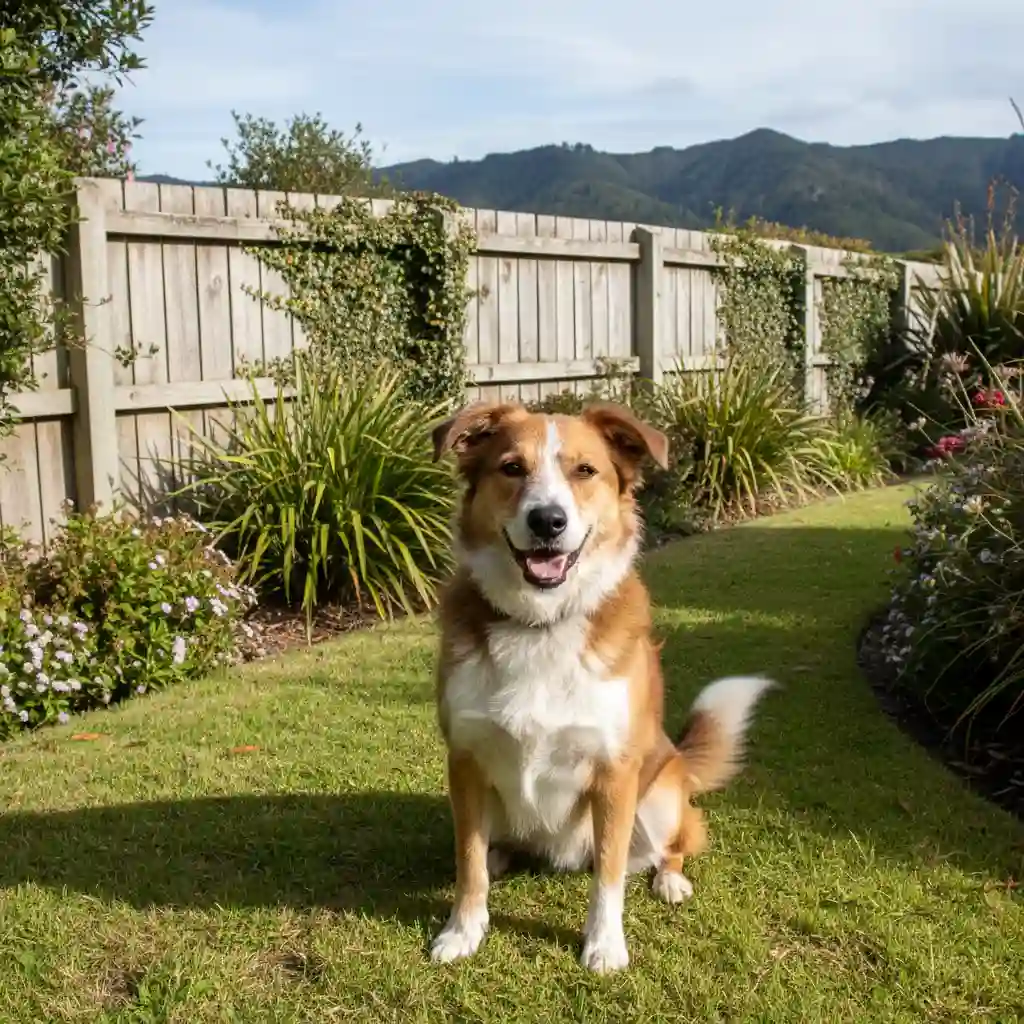
This is often the hurdle that surprises new applicants. A volunteer will visit your home to inspect your property. They are primarily looking for security. In New Zealand, secure fencing is non-negotiable for most rescues. They will check for gaps in hedges, gate latches, and fence height appropriate for the size of the dog.
Step 4: Adoption Finalization
Once approved, you will sign an adoption contract. This legal document outlines your responsibilities, including the requirement to return the dog to the rescue if you can no longer care for it. You will also pay the adoption fee at this stage.
New Zealand Specific Requirements: Fencing and Housing
One of the most common reasons adoption applications are declined in New Zealand is inadequate fencing. Unlike some countries where crate training or indoor living is the primary focus, the “Kiwi backyard” culture means dogs spend time outside.
The Fencing Standard
Rescues typically require a fully fenced section with no gaps. For medium-to-large dogs, fences usually need to be at least 1.5 to 1.8 meters high. Farm fencing (post and wire) may need to be reinforced with mesh to prevent dogs from pushing through. If you are renting, you must provide written permission from your landlord allowing a dog on the premises.
Rental Challenges
New Zealand’s rental market can be difficult for pet owners. If you are renting, having a “Pet CV” ready for your landlord can be helpful, but be aware that many rescues are hesitant to rehome to insecure tenancies due to the high rate of dogs being returned when tenants are forced to move. Demonstrating a long-term lease or a history of stable pet ownership in rentals can help your application.
Preparing for Your Rescue Dog
Bringing a rescue dog home requires preparation. These dogs often have unknown histories and may be anxious. Setting up your environment for success is crucial.
Essential Supplies
- High-Quality Food: Ask the rescue what the dog is currently eating to transition them slowly and avoid stomach upset.
- Crate and Bedding: A crate provides a safe haven or “den” for the dog.
- Collar, Harness, and Leash: A martingale collar is often recommended for rescue dogs as it prevents them from slipping out if they panic.
- ID Tag: Even if the dog is microchipped, a physical tag with your phone number is essential.
The 3-3-3 Rule: Behavioral Decompression
When a rescue dog arrives at your home, they undergo a period of massive adjustment. Animal behaviorists often refer to the “3-3-3 Rule” to describe the phases of decompression.
The First 3 Days: Decompression
The dog may feel overwhelmed, scared, and unsure of what is happening. They might not eat, may hide under furniture, or test boundaries. During this time, do not overwhelm them with visitors or excessive affection. Give them space and keep the environment quiet.
The First 3 Weeks: Settlement
The dog starts to settle in. They begin to realize this might be their forever home. You might see their true personality start to emerge—both the good and the bad. This is when behavioral issues might surface, and it is the critical time to establish routine and boundaries.
The First 3 Months: Bonding
The dog now feels secure. They trust you and understand their routine. This is when true bonding occurs, and advanced training can really take root.
For authoritative advice on animal care and welfare standards in New Zealand, the SPCA New Zealand provides extensive resources and guidelines that all prospective owners should review.
Breed-Specific and Specialized Rescues
New Zealand has a unique agricultural history, which influences the types of dogs often found in rescues. Additionally, specialized groups exist for specific breeds.
Working Breeds (Huntaways and Heading Dogs)
New Zealand farming breeds, such as Huntaways and Heading dogs, frequently appear in rescues. These are high-energy, intelligent dogs that require significant mental and physical stimulation. They are not suitable for apartment living but make incredible companions for active families who enjoy running, hiking, or agility training. “Failed” farm dogs often make excellent pets as they are usually well-socialized but simply lacked the drive for stock work.
Greyhound Adoption Programs
Organizations like Greyhounds as Pets (GAP) specialize in rehoming retired racing greyhounds. Contrary to popular belief, many greyhounds are “couch potatoes” who require short bursts of exercise followed by long naps. They are often suitable for families with lower activity levels, though their prey drive regarding cats and small animals must be managed.
Bully Breed Rescues
Staffordshire Bull Terriers and their crosses are overrepresented in NZ shelters. Specific rescues dedicate themselves to these breeds, advocating for their affectionate nature. These dogs often face stigma but are frequently loyal, loving family pets when placed in the right environment.

Financial Considerations and Legal Obligations
Adopting a dog is a financial commitment. While the initial adoption fee is lower than purchasing a puppy from a breeder, the ongoing costs are significant.
Adoption Fees
Adoption fees in New Zealand typically range from $250 to $400. This is a subsidized cost. If you were to pay privately for the services included (desexing, microchipping, vaccination, flea/worm treatment, and registration), the cost would likely exceed $800. The adoption fee is a contribution toward the rescue’s costs, not a purchase price.
Council Registration
Under the Dog Control Act 1996, all dogs over the age of three months must be registered with their local council. This is an annual fee. Failure to register your dog can result in significant fines and the potential seizure of the animal. You can find details on registration requirements via the New Zealand Government’s Dog Control section.
Veterinary Insurance
Veterinary costs in New Zealand are rising. Emergency surgery can cost thousands of dollars. It is highly recommended to secure pet insurance immediately upon adoption. Some rescues offer a few weeks of free trial insurance, which you should activate immediately.
Conclusion
Adopting a rescue dog in New Zealand is a journey that transforms lives—both yours and the dog’s. Whether you choose a scruffy terrier from the local pound, a retired greyhound, or a loyal Huntaway cross, you are contributing to a solution for animal welfare in Aotearoa. By understanding the process, preparing your home, and committing to the long-term care of your new companion, you ensure that your rescue dog never has to be rescued again.
People Also Ask
How much does it cost to adopt a dog in NZ?
Adoption fees in New Zealand typically range between $250 and $450 NZD. This fee generally includes desexing, the first vaccination, microchipping, flea and worm treatment, and sometimes the initial council registration.
Can I adopt a dog if I rent in NZ?
Yes, but it is more difficult. Most rescues require written permission from your landlord. Having a “Pet CV” for your dog and demonstrating a history of responsible tenancy can improve your chances.
What is the best dog rescue in New Zealand?
There is no single “best” rescue, but the SPCA is the largest nationwide organization. Other highly reputable groups include HUHA, Chained Dog Rehabilitation & Rehoming, and breed-specific groups like Greyhounds as Pets (GAP).
Do rescue dogs come desexed?
Yes, reputable rescue organizations in New Zealand will almost always desex dogs before adoption to prevent unwanted litters. If the puppy is too young, they will usually issue a voucher for desexing at a later date, which is part of the adoption contract.
How long does the adoption process take?
The process can take anywhere from a few days to a few weeks. It depends on the availability of volunteers to conduct property checks and the time required to process your application and arrange a meet-and-greet.
Are rescue dogs aggressive?
Most rescue dogs are not aggressive; they are simply displaced. However, some may have behavioral issues due to past trauma. Reputable rescues conduct behavioral assessments to identify any issues and will disclose these to potential adopters to ensure a safe match.