Comprehensive pet care guides in NZ offer vital information for current and prospective pet owners, ensuring all animals receive the optimal environment, nutrition, and companionship they require. These resources cover a spectrum of needs, from basic daily routines to advanced health considerations, crucial for fostering happy, healthy pets across Aotearoa.
Navigating Pet Care Guides NZ: A Comprehensive Overview
Embarking on the journey of pet ownership in New Zealand is a rewarding experience, but it comes with the significant responsibility of understanding and meeting the diverse needs of various animal companions. The unique environmental conditions, legal frameworks, and cultural approaches to animal welfare in Aotearoa necessitate localised, comprehensive guidance. This section serves as your initial compass, highlighting the importance of tailored information to ensure every pet thrives in its Kiwi home.
The Unique Pet Landscape of Aotearoa
New Zealand’s isolated geographical position has shaped a distinct ecosystem, influencing both native wildlife protection and the regulations surrounding introduced species, including pets. From the common household cat and dog to more niche exotic animals, each pet type contributes to a vibrant but complex pet landscape. Understanding this context is the first step towards informed and ethical pet ownership. Local regulations often dictate specific requirements for vaccinations, microchipping, and animal registration, which can vary slightly between regions. Furthermore, the prevalence of certain pests and diseases in New Zealand impacts veterinary recommendations and preventative care strategies, making general international advice insufficient without local adaptation.
Why Localised Guidance Matters
While global pet care advice offers a foundational understanding, New Zealand-specific pet care guides are indispensable. They address critical local nuances such as climate considerations for outdoor animals, specific biosecurity measures for imported pets, and the availability of certain veterinary specialities or feed products. Moreover, organisations like Pet Rescue NZ play a crucial role in rehoming animals and providing community-specific advice, reflecting local challenges and opportunities. Accessing information that aligns with national legislation, such as the Animal Welfare Act 1999, ensures compliance and promotes best practices tailored to the New Zealand context. Relying on local experts and resources helps pet owners navigate everything from council bylaws on dog control to dietary advice from veterinarians familiar with locally available ingredients and potential allergies unique to the region.
Essential Care Requirements for Common Companion Animals in New Zealand
The vast majority of New Zealand households share their lives with dogs, cats, birds, and small mammals. While they bring immense joy, each species comes with distinct care requirements that demand attention to detail and a commitment to their well-being. This section delves into the specific needs of these popular pets, providing actionable insights for their daily care and long-term health in an NZ setting.
Canine Companions: Understanding Dog Needs
Dogs are often considered man’s best friend, and their care involves more than just food and shelter. In New Zealand, responsible dog ownership includes adherence to local council regulations regarding registration, leash laws, and nuisance control. Physically, dogs require regular exercise tailored to their breed, age, and health, ranging from daily walks to vigorous runs or agility training. Mental stimulation is equally crucial, achieved through training, puzzle toys, and socialisation with other dogs and humans. A balanced diet appropriate for their life stage and activity level, along with consistent access to fresh water, forms the nutritional cornerstone. Routine veterinary check-ups, vaccinations, parasite control (fleas, ticks, worms), and dental care are non-negotiable for their health. Training, especially positive reinforcement methods, fosters a well-behaved dog and strengthens the bond between pet and owner. Puppy socialisation classes are highly recommended to ensure a well-adjusted adult dog.

Feline Friends: The Nuances of Cat Care
Cats, with their independent nature, still require significant care and attention. Providing a safe and stimulating indoor or indoor/outdoor environment is key. For indoor cats, enrichment includes scratching posts, climbing structures, and interactive toys to prevent boredom and destructive behaviours. A high-quality diet, fresh water, and a clean litter box are fundamental. Regular grooming, especially for long-haired breeds, helps prevent matting and hairballs. Veterinary care for cats includes annual check-ups, vaccinations against common feline diseases, and regular parasite control. Desexing is strongly encouraged to prevent unwanted litters and reduce roaming behaviours. Microchipping is also vital for identification if they ever get lost. Understanding feline body language is crucial for building trust and addressing any potential health or behavioural issues early on.
Avian Adventures: Caring for Birds
Birds, from small finches to larger parrots, can be wonderful companions but have very specific environmental and dietary needs. Their enclosures must be appropriately sized, safe, and clean, providing ample space for movement and flight. A varied diet, often including specialised pellets, fresh fruits, vegetables, and seeds, is essential, as dietary deficiencies are common in pet birds. Mental stimulation through toys, perches of varying textures, and social interaction is critical to prevent plucking and other stress-related behaviours. Regular veterinary check-ups with an avian vet are crucial, as birds can hide signs of illness effectively. Owners should also be aware of common household hazards, such as toxic fumes from non-stick cookware, which can be fatal to birds. Providing opportunities for bathing or misting also contributes to their feather health.
Small Mammals: Rodents, Rabbits, and Ferrets
Rabbits, guinea pigs, hamsters, rats, and ferrets each have unique requirements. Rabbits need a diet high in hay for dental and digestive health, along with fresh greens and a small amount of pellets. They require spacious enclosures and opportunities for exercise and socialisation, either with humans or other rabbits. Guinea pigs also need constant access to hay and a daily source of Vitamin C. Hamsters and rats are highly intelligent and need stimulating environments with tunnels, wheels, and opportunities to burrow. Ferrets are carnivores requiring a high-protein diet and interactive playtime. All small mammals benefit from regular cage cleaning, appropriate bedding, and veterinary care from vets experienced with exotic small animals. It’s important to research the specific needs of each species before adoption, as their lifespans and care complexities can vary significantly.
Aquatic Wonders: Fish Care Basics
Keeping fish might seem straightforward, but it requires a careful balance of environmental factors. The most critical aspect of fish care is maintaining excellent water quality, which involves proper filtration, regular water changes, and monitoring parameters like pH, ammonia, nitrite, and nitrate levels. The size of the tank, appropriate heating, lighting, and suitable tank mates are also vital. Fish diets vary by species; some are herbivores, others carnivores, and many are omnivores, so providing the correct food is essential for their health and vibrant colours. Understanding common fish diseases and their treatments is also important for a thriving aquarium. Never overstock a tank, as this leads to poor water quality and stress for the fish. Researching the specific needs of the fish species you choose is paramount.
Exploring Less Common & Exotic Pets: Unique Considerations
While dogs and cats dominate the pet landscape, a growing number of New Zealanders are drawn to less conventional companions. However, owning exotic pets – which can range from reptiles and amphibians to certain invertebrates – comes with a unique set of challenges and responsibilities that extend beyond those of traditional pets. This section explores the critical considerations for those contemplating or already owning these fascinating, yet often demanding, creatures.
Lizards, Snakes, and Tortoises: Reptilian Responsibilities
Reptiles, including various species of lizards, snakes, and tortoises, require highly specific environmental conditions to thrive. This includes precise temperature gradients, humidity levels, and UV lighting to mimic their natural habitats. Incorrect husbandry can lead to serious health issues, such as metabolic bone disease or respiratory infections. Their diets are also highly varied and often specialised, ranging from live insects to specific types of vegetables or rodents, requiring owners to source appropriate and often live food. Long lifespans, particularly in tortoises (which can live for decades), demand a significant, long-term commitment. Furthermore, finding a veterinarian in New Zealand with expertise in reptile medicine is crucial, as their physiology and ailments differ greatly from mammals and birds.
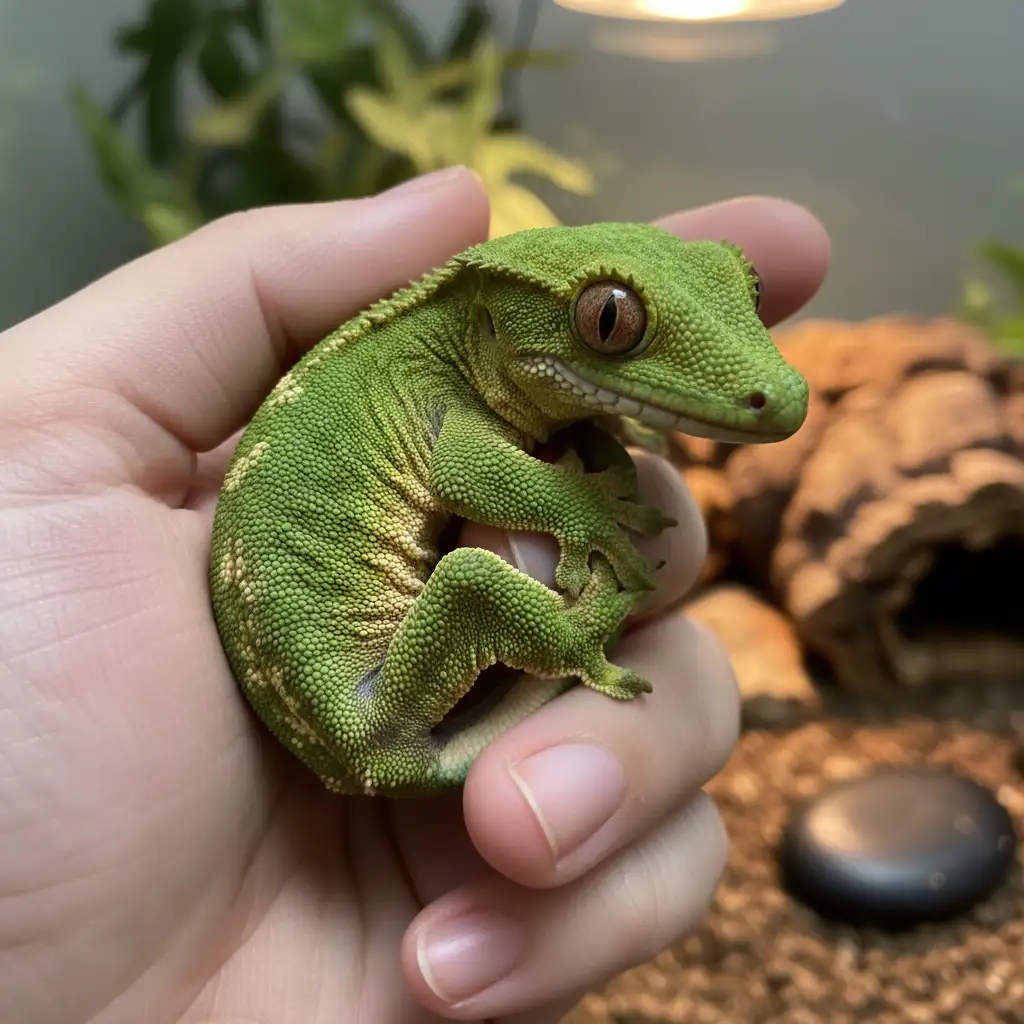
Invertebrates: Insects and Arachnids
Invertebrates such as tarantulas, scorpions, and various insect species like stick insects or giant millipedes are becoming increasingly popular as pets. While often requiring less space than other animals, their care is no less specific. Environmental control, including temperature, humidity, and substrate, is paramount. Many species are delicate and require careful handling, or no handling at all. Diets typically consist of live insects like crickets or roaches. Owners must be prepared for the unique challenges of keeping these creatures, including understanding their venom (for certain species like tarantulas), moulting processes, and relatively short lifespans for some insects. Education on species-specific needs is vital to ensure their welfare and safety for the owner.
Legalities and Ethics of Exotic Pet Ownership in NZ
Before considering an exotic pet, prospective owners in New Zealand must thoroughly investigate the legal ramifications. New Zealand has strict biosecurity laws to protect its unique native flora and fauna, meaning many species that are common pets overseas are prohibited here. The Ministry for Primary Industries (MPI) regulates the import and ownership of animals, and specific permits may be required for certain species, or they may be outright banned. Violating these laws can result in severe penalties. Beyond legality, there are significant ethical considerations. The welfare of exotic animals in captivity often relies heavily on the owner’s ability to replicate complex natural behaviours and environments. Responsible ownership means ensuring you can meet these needs, understand potential risks, and commit to sourcing from reputable, legal breeders or suppliers. It is crucial to consult official sources such as the Ministry for Primary Industries (MPI) website for the most current regulations regarding importing and keeping exotic animals in New Zealand.
The Cornerstone of Responsible Pet Ownership in New Zealand
Responsible pet ownership is more than just providing food and water; it’s a profound commitment to an animal’s entire well-being throughout its life. In New Zealand, this responsibility encompasses a range of duties, from financial planning and consistent veterinary care to behavioural enrichment and preparing for unforeseen circumstances. This section outlines the fundamental pillars that uphold the standard of care for all pets in Aotearoa, reflecting a holistic approach to animal welfare.
Lifelong Commitment and Financial Planning
A pet is a lifelong companion, and their lifespan can range from a few years for some small mammals to several decades for larger birds or reptiles. This means committing to their care for the entirety of their natural life, regardless of changes in your own circumstances. Crucially, pet ownership comes with significant financial implications. Initial costs include adoption fees or purchase price, enclosure setup, and first vet visits. Ongoing expenses involve quality food, regular veterinary care (including vaccinations, parasite control, and potential emergency treatments), grooming, training, and enrichment items. Creating a budget and considering pet insurance can help mitigate unexpected costs, ensuring you can always provide for your pet’s needs without financial strain. Many reputable organisations, like the SPCA New Zealand, offer resources on the true cost of pet ownership.
Health, Nutrition, and Veterinary Care
Optimal health for any pet begins with a balanced diet appropriate for their species, age, and activity level. Always consult with a veterinarian or a qualified animal nutritionist to establish the best feeding plan, avoiding common pitfalls of feeding human foods that can be toxic or inadequate. Regular veterinary check-ups are paramount for preventative care, early detection of illnesses, and maintaining up-to-date vaccinations and parasite control. Microchipping and registration are legal requirements for dogs in New Zealand and highly recommended for cats, providing a crucial safety net if your pet becomes lost. Learning to recognise signs of illness or distress in your specific pet type will enable you to seek timely professional help, significantly improving their prognosis and quality of life.
Socialisation, Training, and Enrichment
Beyond physical needs, pets require mental and emotional stimulation. Proper socialisation from a young age helps animals, especially dogs and cats, adapt to various people, places, and other animals without fear or aggression. Training, using positive reinforcement techniques, builds confidence, establishes boundaries, and strengthens the bond between pet and owner. For all species, environmental enrichment is vital – this includes providing toys, puzzle feeders, climbing structures, and opportunities for exploration and play. Boredom and lack of stimulation can lead to behavioural issues, stress, and even health problems. Understanding your pet’s natural behaviours and instincts allows you to provide an environment that caters to their specific needs, promoting a fulfilled and happy existence.
Emergency Preparedness and Succession Planning
Responsible ownership also involves planning for the unexpected. This includes having an emergency kit ready for your pet in case of natural disasters (common in NZ), knowing your nearest 24-hour vet clinic, and having a plan for who will care for your pet if you become ill or incapacitated. For older owners or those with long-lived pets, considering succession planning – designating a trusted individual to care for your pet should you pass away – ensures their continued well-being. These considerations, while perhaps sobering, are a testament to the depth of commitment required for truly responsible pet ownership.
Adopting, Not Shopping: Supporting Pet Rescue NZ
Finally, a cornerstone of ethical pet ownership in New Zealand is the strong encouragement to ‘adopt, don’t shop’. Organisations like Pet Rescue NZ work tirelessly to rehome abandoned, neglected, and surrendered animals, providing them with a second chance at a loving home. Adopting from a reputable rescue not only saves a life but often means the animal comes desexed, vaccinated, microchipped, and with a known history, offering invaluable support and peace of mind to new owners. Supporting these organisations strengthens community animal welfare efforts and helps reduce the number of animals in need. By choosing to adopt, you become part of a compassionate movement dedicated to providing every pet in Aotearoa with the care and home they deserve.

Understanding the diverse needs of pets, from the common to the exotic, is a critical step in becoming a truly responsible owner in New Zealand. By prioritising localised guidance, committing to lifelong care, and embracing ethical practices, every pet owner can contribute to a healthier, happier animal community across Aotearoa. Whether you’re a first-time owner or an experienced enthusiast, continuous learning and adherence to best practices will ensure your beloved companions thrive.
People Also Ask
What are the basic pet care requirements in NZ?
Basic pet care in NZ includes providing appropriate nutrition, fresh water, suitable shelter, regular exercise, and preventative veterinary care like vaccinations and parasite control. Owners must also ensure proper identification (microchipping/registration for dogs), socialisation, and mental stimulation, all while adhering to local council bylaws and the Animal Welfare Act 1999.
Is pet insurance common in New Zealand?
Pet insurance is growing in popularity in New Zealand, offering financial protection against unexpected veterinary costs from accidents or illnesses. While not mandatory, many pet owners find it valuable for managing expenses, especially for emergency care or chronic conditions. Various providers offer different levels of coverage, so comparing policies is recommended.
What exotic pets are legal to own in NZ?
New Zealand has strict biosecurity laws regarding exotic pets. Generally, most exotic mammals, birds, and reptiles are prohibited unless they meet very specific import conditions or are already established in NZ under strict control. It is crucial to check with the Ministry for Primary Industries (MPI) for current, detailed regulations, as illegal ownership can lead to severe penalties.
Where can I find pet care advice specific to Auckland?
For pet care advice specific to Auckland, consult the Auckland Council website for local bylaws, dog registration, and animal management services. Local veterinary clinics, animal shelters (like SPCA Auckland), and community pet groups can also provide tailored guidance on everything from local dog parks to specific health concerns relevant to the Auckland region.
How often should pets visit the vet in NZ?
Most pets in NZ should have at least an annual veterinary check-up. Puppies and kittens require more frequent visits for initial vaccinations and deworming. Senior pets or those with chronic conditions may also need more frequent monitoring. Regular vet visits are crucial for preventative care, early disease detection, and maintaining overall health.
What is the Animal Welfare Act 1999 in New Zealand?
The Animal Welfare Act 1999 is New Zealand’s primary legislation for protecting animals. It outlines the responsibilities of animal owners and persons in charge of animals, ensuring their physical and behavioural needs are met. This includes providing proper food, water, shelter, the opportunity to express normal patterns of behaviour, and protection from pain or distress.
