To adopt a dog in NZ, you must apply through a registered rescue organization or council shelter, ensuring your lifestyle matches the animal’s specific needs. The process typically requires a detailed application, a property inspection to verify secure fencing, landlord permission if renting, and payment of an adoption fee that covers desexing, vaccination, and microchipping.
Adopting a dog is one of the most rewarding decisions a person can make, but in New Zealand, the landscape of animal rescue is unique. From the rolling farmland that produces high-energy working breeds to the urban density of Auckland and Wellington where rental laws complicate pet ownership, navigating the path to adoption requires knowledge and preparation. This guide serves as the definitive resource for prospective owners looking to adopt a dog in NZ, bridging the gap between desire and responsible guardianship.
The State of Dog Rescue in New Zealand
New Zealand is often cited as a nation of animal lovers, with high rates of pet ownership per capita. However, the rescue sector is currently facing unprecedented pressure. Following the “pandemic puppy” boom, shelters across the North and South Islands are experiencing a surge in surrenders. This phenomenon, coupled with the cost-of-living crisis, has resulted in rescue centers operating at or above capacity.
The ecosystem of dog adoption in NZ is primarily composed of three types of entities:
- The SPCA (Society for the Prevention of Cruelty to Animals): The largest and most well-known organization, handling thousands of animals annually with centers nationwide.
- Council Shelters: Local government pounds (such as Auckland Council Animal Shelters) where stray dogs are taken. While some have adoption programs, unclaimed dogs in these facilities face higher risks of euthanasia if not claimed or transferred to rescues.
- Independent Charitable Trusts: Organizations like Chained Dog Rehabilitation & Rehoming or HUHA (Helping You Help Animals) that often rely entirely on foster networks rather than kennel facilities.
Understanding this landscape is vital because it dictates where you should look and what kind of support you will receive. Independent rescues often provide more detailed behavioral assessments because the dogs live in foster homes, whereas council pounds may have less background information but lower adoption fees.
Understanding Breed Needs in the NZ Context
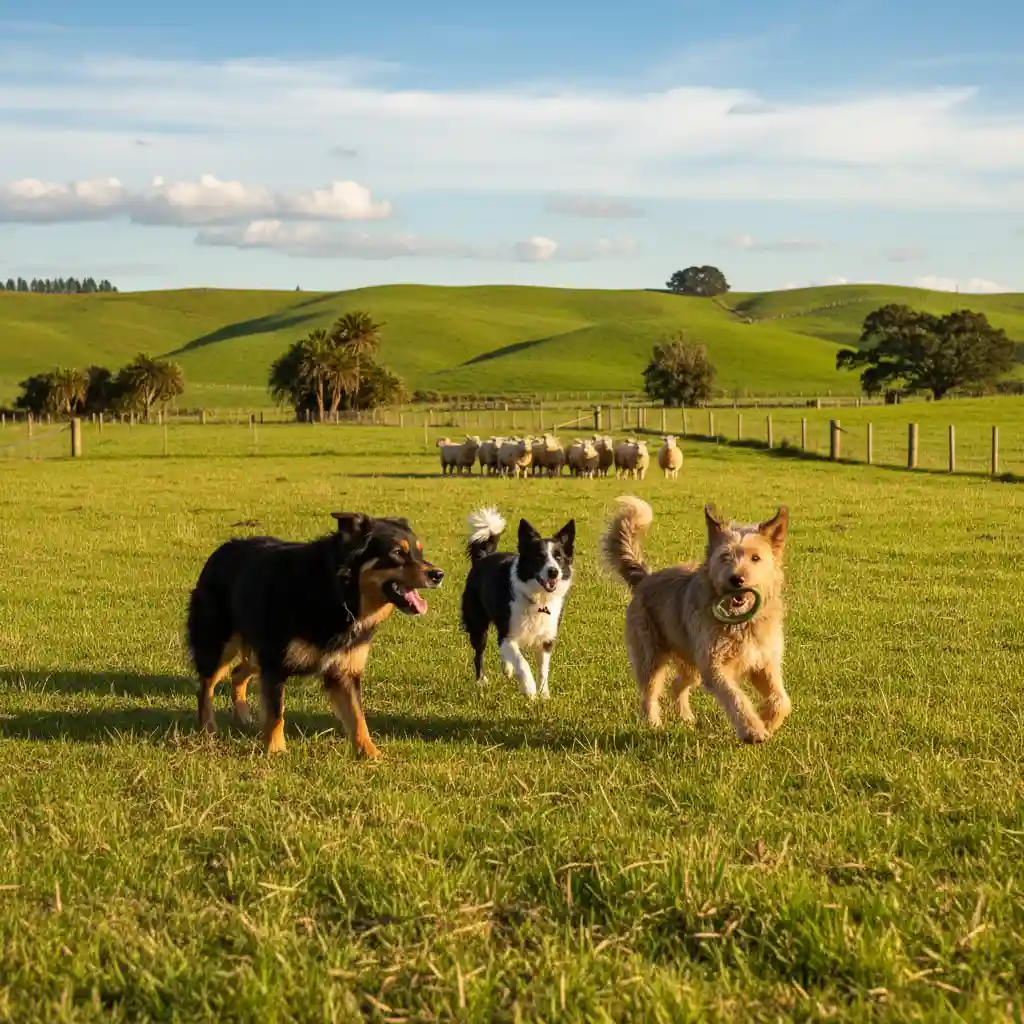
When you look to adopt a dog in NZ, you will notice a prevalence of specific breeds that reflect the country’s agricultural heritage and urban trends. Successfully rehoming a dog requires matching the breed’s genetic drives with your actual lifestyle, not just your aesthetic preference.
The Working Breed Dilemma
New Zealand shelters are frequently populated with working breeds and crosses, specifically Huntaways, Border Collies, and Heading dogs. These dogs are bred for endurance and intelligence. In a suburban setting with a small backyard, a Huntaway can develop behavioral issues like excessive barking or destructiveness if not mentally stimulated.
However, for active families who enjoy hiking in the Waitākere Ranges or running on Christchurch’s Port Hills, these dogs make exceptional companions. They are not suitable for sedentary owners leaving them alone for 10 hours a day.
Bull Breeds and Staffy Crosses
Staffordshire Bull Terrier crosses are among the most common dogs available for adoption in NZ. Despite lingering stigma, these dogs are often affectionate, loyal, and excellent family pets. They are frequently victims of housing discrimination (more on this in the Tenant Advocacy section). Prospective adopters should look past the label and assess the individual dog’s temperament.
Greyhounds
With the racing industry active in NZ, retired Greyhounds are frequently available through specific programs like Greyhounds as Pets NZ. Contrary to popular belief, they are often “45-mile-per-hour couch potatoes” and can be excellent for apartment living or lower-energy households, provided they have a warm coat for the NZ winter.
The Adoption Application Process Explained
The transactional process of adopting a dog in NZ is rigorous. Rescues are not trying to be difficult; they are trying to prevent the dog from being returned. A failed adoption is traumatic for the dog and discouraging for the human. Here is the standard workflow you should expect:
1. The Application Form
This is your first impression. You will be asked about your work hours, the ages of children in the home, the activity level of your household, and your experience with dogs. Be honest. If you work full-time, admit it; the rescue may suggest an older, more independent dog rather than a puppy.
2. Property Inspection (Fencing is Key)
This is the number one reason adoption applications in NZ are declined: fencing. Most rescues require a fully fenced section with no gaps. For large dogs, fences often need to be at least 1.8 meters high. If you have a rural property with wire fencing, you may need to mesh it to prevent dogs from slipping through.
3. The Meet and Greet
If your application passes the initial screening, you will be invited to meet the dog. All family members and any existing dogs must attend. This allows the rescue to observe interactions. Does the dog seem comfortable? Do the existing dogs display aggression?
4. The Trial Period
Many NZ rescues offer a two-week trial period. During this time, the dog lives with you, but the legal ownership remains with the rescue. This is a safety net for both parties to ensure the fit is right before the adoption is finalized.
Tenant Advocacy: Renting with Dogs in NZ
One of the most significant barriers to the “adopt a dog NZ” search intent is the rental market. New Zealand’s tenancy laws have historically allowed landlords to prohibit pets without needing to provide a reason, although recent legislative discussions have aimed to shift this balance.
The Residential Tenancies Act
As of the current legislation, while there have been moves to make rentals more pet-friendly, landlords can still decline pets. However, tenants can strengthen their case. For authoritative advice on your rights, refer to Tenancy Services, the government body governing rental laws.
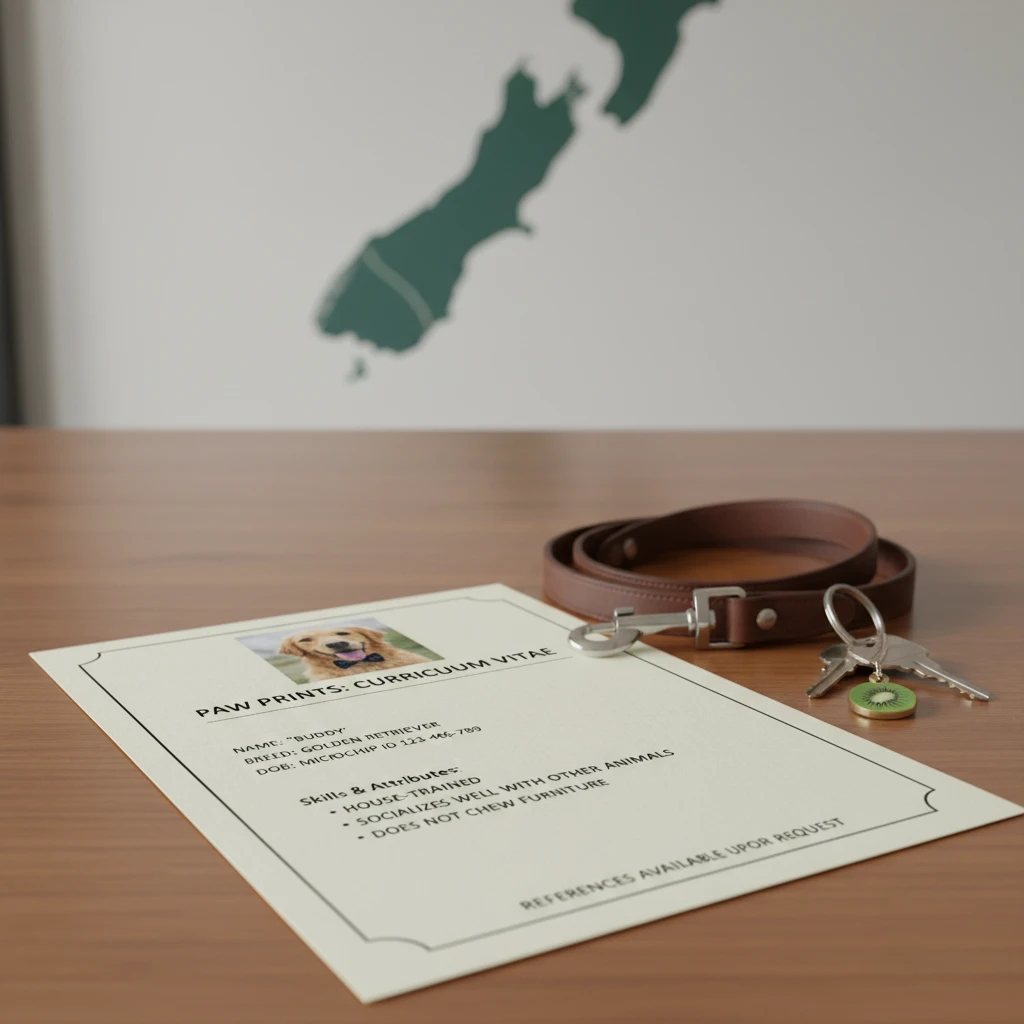
Creating a Pet CV
To successfully adopt while renting, you often need to prove to both the rescue and the landlord that you are a responsible owner. A Pet CV is an essential tool. It should include:
- References: Letters from previous landlords stating your dog caused no damage and was not a nuisance.
- Health Records: Proof of desexing, flea/worm treatment, and vaccinations.
- Training Certificates: Evidence that the dog has passed obedience training or Canine Good Citizen courses.
- Photos: Cute, non-threatening photos of the dog.
Rescues will almost always require written permission from your landlord or property manager before processing your application. Do not attempt to hide this; it will result in an immediate decline.
Preparing Your Home and Budget
Adoption fees in NZ typically range from $250 to $450. This is a bargain considering it usually covers desexing ($300+), microchipping ($60+), registration, and vaccinations. However, the ongoing costs of dog ownership in New Zealand are rising.
Ongoing Costs to Consider
- Council Registration: Every dog over 3 months old must be registered with the local council (e.g., Auckland Council, Christchurch City Council). Fees vary but are generally around $100-$180 annually.
- Vet Care: After-hours emergency vet care in NZ is expensive. Pet insurance is highly recommended, with premiums ranging from $40 to $100+ per month depending on the level of cover.
- Food: Premium dog food costs have risen. A large working breed can easily eat $40-$60 worth of food a week.
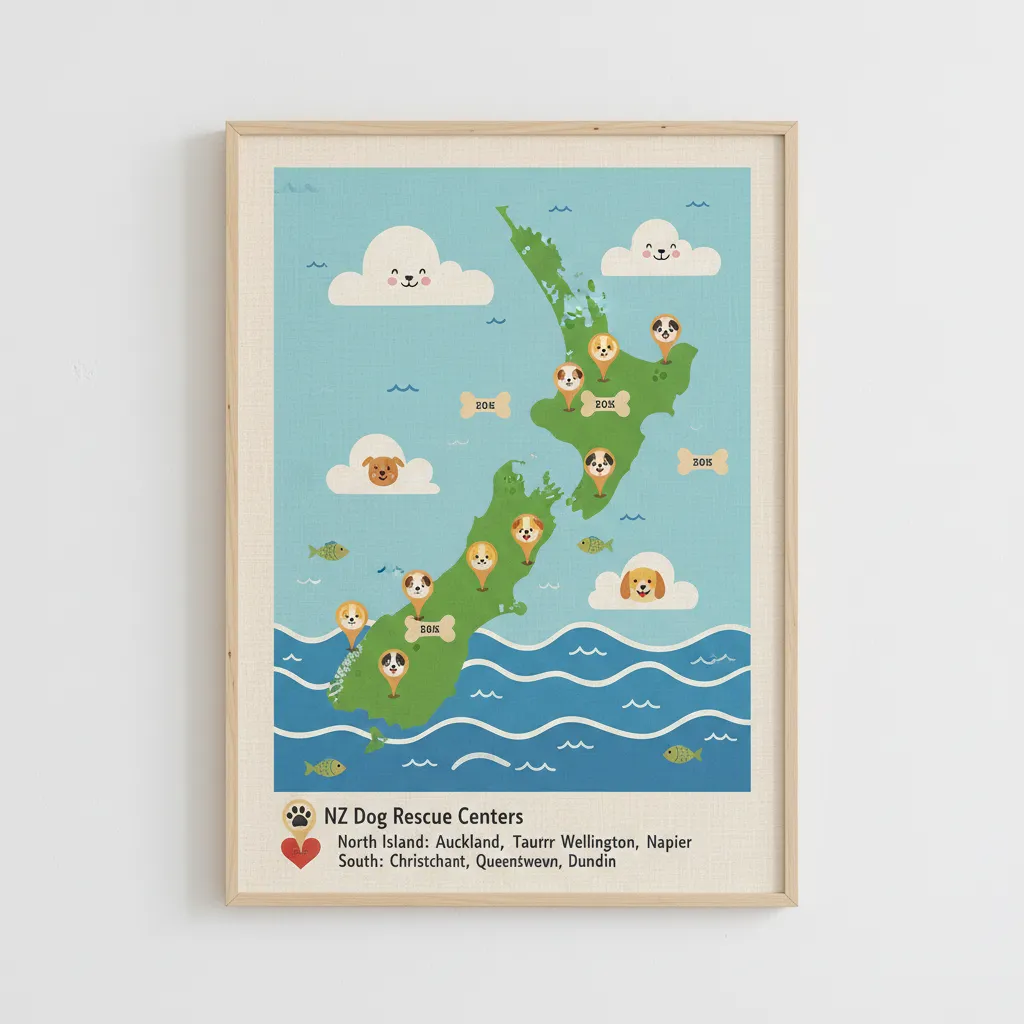
Directory of Dog Rescue Centers
While not exhaustive, this list covers major reputable organizations across the country where you can start your search to adopt a dog in NZ.
Nationwide
- SPCA: Centers in almost every major town and city.
- PetRescue.co.nz: An aggregator site listing pets from various shelters.
North Island
- Auckland: Saving Hope Foundation, Country Retreat Animal Sanctuary, RRR (Rescue, Revive, Rehome).
- Wellington: HUHA (Helping You Help Animals), Loose Leash Cat & Dog Rescue.
- Waikato/Bay of Plenty: Chained Dog Rehabilitation & Rehoming, RRR.
South Island
- Christchurch: Dogwatch Sanctuary Trust, Christchurch Bull Breed Rescue.
- Dunedin: Dog Rescue Dunedin.
For a broader view of animal welfare and registered charities, you can check the Charities Services register to ensure you are donating to or adopting from a legitimate organization.
Frequently Asked Questions
Below are answers to the most common questions regarding the dog adoption process in New Zealand.
How much does it cost to adopt a dog in NZ?
Adoption fees in New Zealand typically range between $250 and $450 NZD. This fee is subsidized and generally includes the cost of desexing, the first vaccination, microchipping, flea and worm treatment, and often the initial council registration.
Can I adopt a dog if I rent in NZ?
Yes, you can adopt a dog if you rent, but you must provide written permission from your landlord or property manager. Many rescues will verify this directly. Creating a ‘Pet CV’ for your prospective dog can help convince landlords to allow pets.
What is the most common rescue dog breed in New Zealand?
Mixed breeds, particularly Staffordshire Bull Terrier crosses and working breed crosses (such as Huntaway or Border Collie mixes), are the most common dogs found in New Zealand shelters due to accidental litters and lifestyle mismatches.
How long does the adoption process take?
The timeline varies by organization but usually takes between 1 to 3 weeks. This includes processing the application, checking references, performing a property inspection for fencing, and completing a meet-and-greet or trial period.
Do rescue dogs in NZ come desexed?
Yes, reputable rescue organizations in New Zealand will desex (neuter/spay) dogs before adoption. If the puppy is too young, the adoption contract will typically include a voucher or a mandatory clause to have the procedure done at a later date.
Can I return a rescue dog if it doesn’t work out?
Yes, most reputable rescues require you to return the dog to them if the adoption does not work out or if your circumstances change. They generally do not want the dog passed on to third parties or sold online.