The essential dog vaccination schedule in NZ typically involves a primary course for puppies, followed by regular booster shots throughout their adult lives, tailored to protect against common and potentially fatal diseases. This comprehensive guide details the recommended timeline, distinguishing between core and non-core vaccines, and highlighting their critical role in maintaining your canine companion’s optimal health and preventing widespread illness.
Recommended Vaccination Schedules for Dogs in New Zealand
Ensuring your dog receives timely and appropriate vaccinations is a cornerstone of responsible pet ownership in New Zealand. The recommended schedule is designed to provide optimal protection, particularly during the vulnerable puppy stage, and to maintain robust immunity throughout adulthood. While specific protocols may vary slightly between veterinary practices, the general guidelines provide a clear roadmap for safeguarding your pet’s health against prevalent infectious diseases.
Puppy Vaccination Schedule
Puppies are born with some immunity transferred from their mother (maternal antibodies). However, this protection wanes over the first few weeks, leaving them susceptible to illness. The puppy vaccination course is carefully timed to build their active immunity as maternal antibodies decline. In New Zealand, a typical puppy schedule often includes a series of injections:
- 6-8 Weeks Old: First vaccination. This initial shot targets core diseases such as Canine Distemper, Infectious Canine Hepatitis, and Canine Parvovirus. Some vets may also include Leptospirosis at this stage, depending on the region and risk factors.
- 10-12 Weeks Old: Second vaccination. A booster shot for the initial core vaccines is crucial to solidify the immune response. If Leptospirosis or Kennel Cough are recommended, they may be administered now or as a separate injection.
- 14-16 Weeks Old: Third vaccination (often considered the final puppy shot). This final booster ensures strong, long-lasting immunity against the core diseases. For some specific vaccines, like Leptospirosis, a second dose 2-4 weeks after the first is necessary for full protection.
It is vital that puppies complete their full vaccination course before being exposed to environments with a high risk of disease, such as dog parks, puppy classes, or kennels. Your veterinarian will advise on the safe socialisation period following the final shot.
Adult Dog Vaccination Schedule
Once a dog has completed its primary puppy course, regular booster vaccinations are essential to maintain immunity. The frequency of these boosters can vary depending on the specific vaccine and the dog’s lifestyle. Advancements in veterinary medicine have led to a more nuanced approach, with some core vaccines now providing protection for three years, while others, like Leptospirosis and Kennel Cough, typically require annual boosters due to the nature of the diseases and the type of immunity they confer.
- Annual Boosters: Traditionally, all vaccines were given annually. While this is still true for some non-core vaccines (e.g., Leptospirosis, Kennel Cough), many core vaccines now offer longer protection. Your vet will discuss which vaccines your adult dog needs yearly based on their risk assessment.
- Triennial (3-Year) Boosters: Many core components (Distemper, Hepatitis, Parvovirus) are often given every three years after the initial adult booster. This reduces the frequency of vaccinations while maintaining effective protection.
Regular annual health checks are crucial, regardless of the booster schedule. These appointments allow your veterinarian to conduct a thorough physical examination, discuss any health concerns, and tailor a vaccination program that best suits your dog’s individual needs, age, and exposure risks.
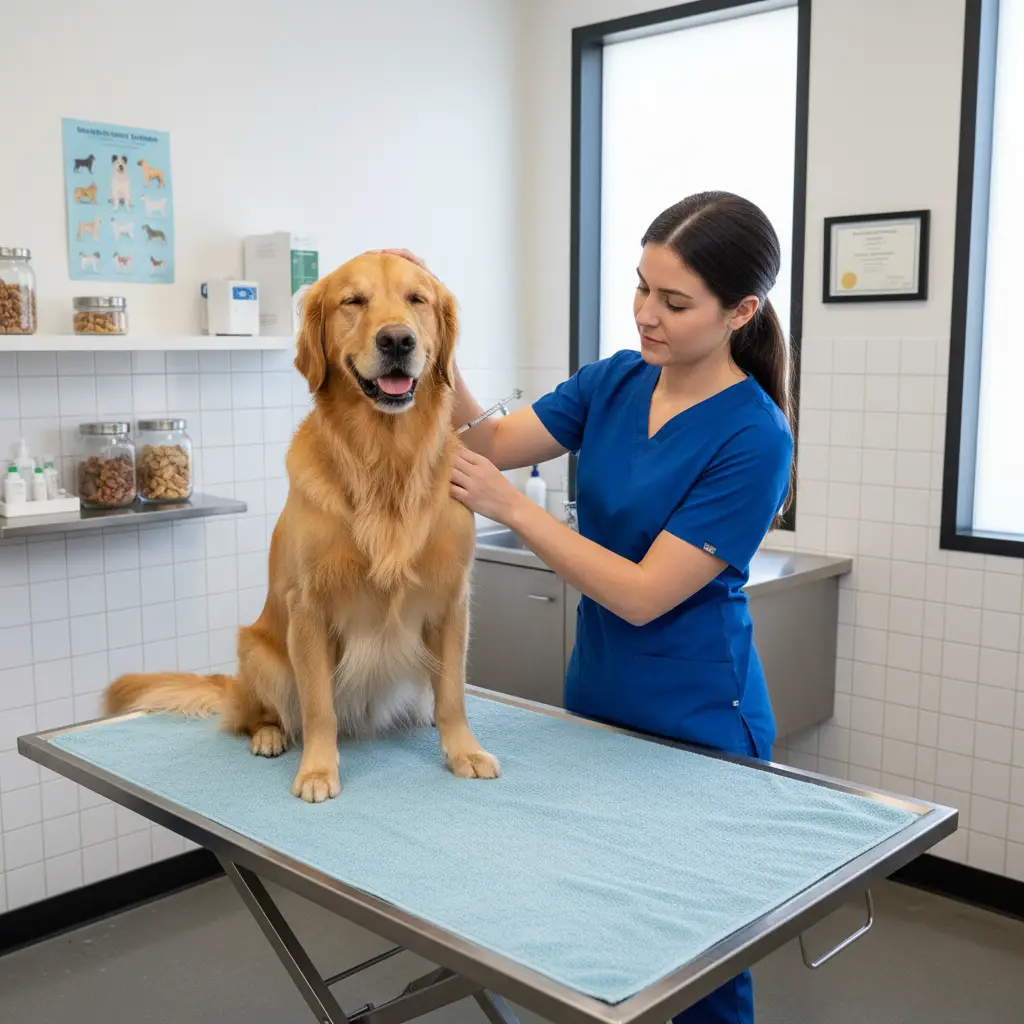
Understanding Core vs. Non-Core Vaccines for NZ Dogs
Not all vaccines are created equal, nor are they all necessary for every dog. Veterinary science categorises vaccines into “core” and “non-core” based on the prevalence of the disease, its severity, and the risk of transmission. This distinction helps veterinarians tailor a vaccination plan that provides maximum protection with minimal unnecessary medical intervention.
Core Vaccines: Essential Protection
Core vaccines are considered essential for all dogs, regardless of their lifestyle or geographic location within New Zealand, due to the severe, often fatal nature of the diseases they prevent and their widespread presence. These diseases pose a significant public health risk or are highly contagious and debilitating for dogs.
- Canine Distemper Virus (CDV): A highly contagious and often fatal disease affecting multiple body systems, including respiratory, gastrointestinal, and neurological systems.
- Canine Adenovirus (CAV-1), leading to Infectious Canine Hepatitis (ICH): A severe viral infection that primarily targets the liver, kidneys, and eyes.
- Canine Parvovirus (CPV): An extremely contagious and deadly gastrointestinal virus, particularly dangerous for puppies, causing severe vomiting, diarrhoea, and dehydration.
- Leptospirosis: While often considered core in many parts of New Zealand due to environmental prevalence, particularly in rural or high-rainfall areas, it’s sometimes debated. However, given its zoonotic potential (transmissible to humans) and the severity of the disease in dogs, most vets in NZ recommend it as core. Leptospirosis is caused by bacteria found in contaminated water and soil, often spread by wildlife.
The DHP (Distemper, Hepatitis, Parvovirus) vaccine is often combined into a single injection, making it efficient to administer. Leptospirosis is typically given as a separate vaccine, often requiring an initial course of two injections, 2-4 weeks apart, followed by annual boosters.
Non-Core Vaccines: Tailored Prevention
Non-core vaccines are recommended based on a dog’s individual risk factors, such as their geographic location, lifestyle, and potential for exposure to specific pathogens. These vaccines protect against diseases that may be less widespread or less severe, or only relevant to dogs with particular exposures.
- Canine Parainfluenza Virus (CPIV) and Bordetella bronchiseptica (components of Kennel Cough vaccine): These agents are primary contributors to Canine Infectious Respiratory Disease (CIRD), commonly known as Kennel Cough. This vaccine is highly recommended for dogs that frequently interact with other dogs, attend doggy daycare, go to boarding kennels, participate in dog shows, or visit dog parks. While generally not life-threatening, Kennel Cough can be highly unpleasant and can lead to more serious secondary infections.
When considering non-core vaccines, a thorough discussion with your veterinarian is paramount. They will assess your dog’s specific circumstances, including travel plans, social habits, and local disease outbreaks, to determine if additional protection is warranted. For instance, a city-dwelling apartment dog with minimal outdoor exposure might have different non-core vaccine needs than a farm dog living near livestock and waterways.
The Critical Importance of Regular Boosters
Vaccinations are not a one-and-done solution; their effectiveness relies heavily on regular booster shots. The initial puppy vaccination course creates an immune memory, teaching the body to recognise and fight off specific pathogens. However, this immune memory, and the protective antibodies it generates, naturally wanes over time. Boosters serve to “remind” the immune system, reactivating and strengthening its defences to maintain a robust level of protection against diseases.
Missing a scheduled booster can leave your dog vulnerable. As antibody levels drop below a protective threshold, the dog becomes susceptible to infection once more. This is particularly concerning for highly contagious and severe diseases like Parvovirus and Distemper. For vaccines such as Leptospirosis, which often provide a shorter duration of immunity and are crucial for zoonotic disease prevention, annual boosters are non-negotiable in at-risk areas.
The immune system’s response to different vaccines can vary, which is why some core vaccines now provide three years of protection, while others, like Kennel Cough and Leptospirosis, require annual administration. Adhering to your veterinarian’s recommended booster schedule ensures that your dog remains continuously protected, safeguarding their health and contributing to the overall health of the canine community by reducing the spread of infectious diseases. It is a proactive step that can prevent significant suffering and costly veterinary treatments in the long run.

Common Vaccine-Preventable Diseases in New Zealand Dogs
Understanding the diseases that vaccinations protect against can highlight the profound importance of adhering to a regular schedule. These diseases are not just theoretical threats; they are present in New Zealand and can cause severe illness or even death. Vaccinations are the most effective tool we have to prevent these devastating conditions.
Canine Distemper
Canine Distemper is a highly contagious and often fatal viral disease that affects multiple organ systems, including the respiratory, gastrointestinal, and central nervous systems. Symptoms can include fever, lethargy, loss of appetite, eye and nasal discharge, coughing, vomiting, and diarrhoea. As the disease progresses, neurological signs such as muscle twitching, seizures, paralysis, and behavioural changes can develop. Distemper is spread through airborne exposure (sneezing, coughing) from infected animals. Even with intensive veterinary care, the prognosis is often poor, and survivors may suffer permanent neurological damage. Vaccination is the most effective means of prevention.
Canine Hepatitis
Infectious Canine Hepatitis (ICH) is caused by Canine Adenovirus type 1 and primarily targets the liver, kidneys, eyes, and endothelial cells. While less common today due to widespread vaccination, it can still occur. Symptoms range from mild fever and lethargy to severe liver disease, vomiting, diarrhoea, abdominal pain, and sometimes a characteristic “blue eye” (corneal oedema). Young puppies are particularly vulnerable to severe, acute forms of the disease, which can be rapidly fatal. The virus is shed in urine, faeces, and saliva for months after recovery, making vaccination crucial for herd immunity and individual protection.
Canine Parvovirus
Canine Parvovirus (CPV) is an extremely resilient and highly contagious virus that causes severe gastrointestinal illness. It attacks rapidly dividing cells, most notably in the intestines and bone marrow. Puppies and unvaccinated adult dogs are at the highest risk. Symptoms include severe vomiting, bloody diarrhoea, lethargy, and anorexia, leading to rapid dehydration and shock. Without aggressive veterinary intervention, including intravenous fluids and antibiotics, parvovirus is often fatal. The virus can survive in the environment for months, making effective vaccination and strict hygiene paramount. It is a significant threat in New Zealand, and outbreaks can occur in unvaccinated populations.
Leptospirosis
Leptospirosis is a bacterial disease caused by spirochetes of the genus Leptospira. It is a zoonotic disease, meaning it can be transmitted from animals to humans, causing severe illness in both. Dogs typically contract Leptospirosis by coming into contact with contaminated water, soil, or the urine of infected wildlife (such as rats and possums). In New Zealand, rural and high-rainfall areas are particularly at risk. Symptoms in dogs can include fever, muscle pain, lethargy, vomiting, diarrhoea, jaundice (yellowing of skin/eyes), increased thirst, and changes in urination, often indicating kidney and/or liver damage. Early diagnosis and aggressive treatment are vital. Prevention through vaccination is strongly recommended, especially for dogs with exposure risks, such as those living on farms, near waterways, or in areas with high rodent populations. For more detailed information on Leptospirosis in New Zealand, consult resources from the Ministry for Primary Industries (MPI).
Kennel Cough (Canine Infectious Tracheobronchitis)
Kennel Cough is a highly contagious respiratory disease in dogs, often caused by a combination of bacteria (most commonly Bordetella bronchiseptica) and viruses (such as Canine Parainfluenza Virus and Canine Adenovirus type 2). It’s characterised by a sudden onset of a harsh, dry, hacking cough, often described as sounding like something is caught in the dog’s throat. While generally not life-threatening in healthy adult dogs, it can be persistent, uncomfortable, and occasionally lead to more severe conditions like pneumonia, especially in puppies, older dogs, or those with compromised immune systems. It spreads easily in environments where dogs congregate, such as kennels, dog parks, and training classes. Vaccination helps to reduce the severity and duration of the illness, even if it doesn’t always prevent infection entirely.
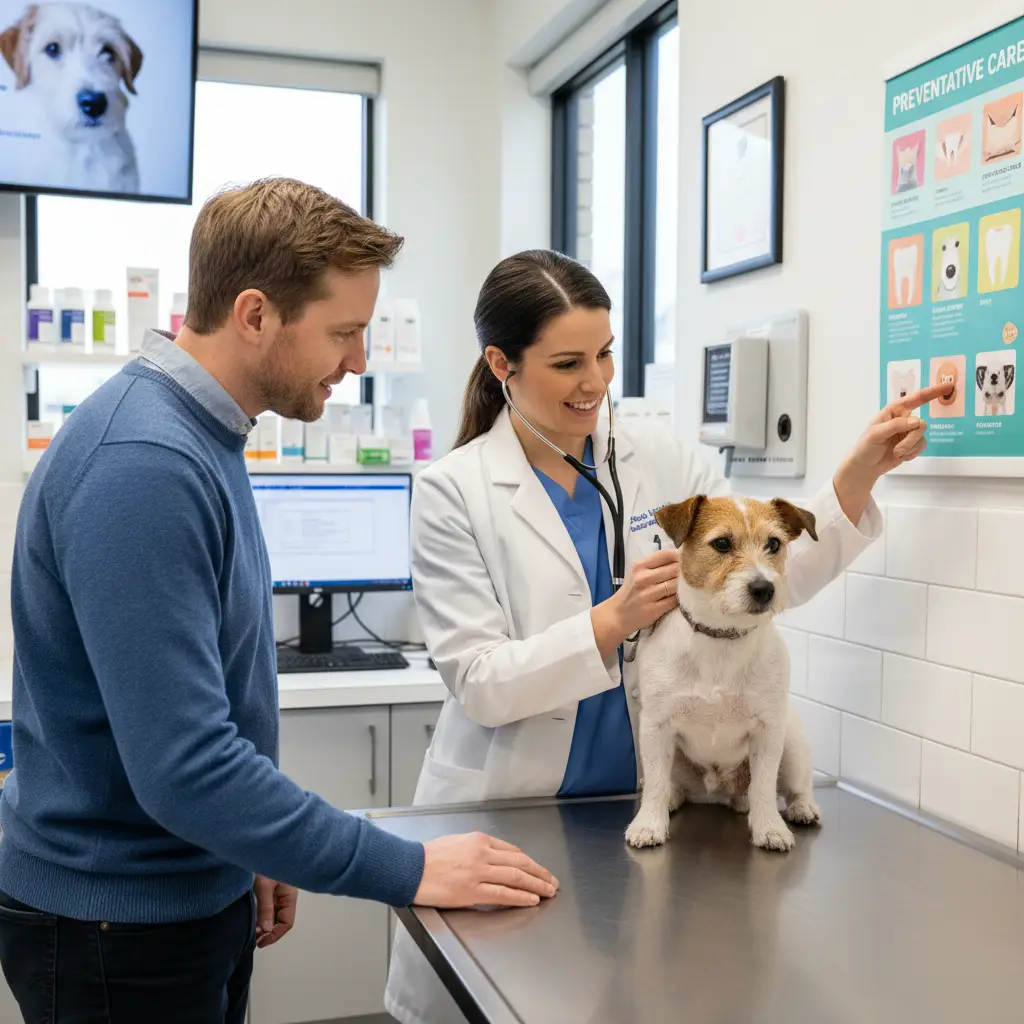
Beyond Vaccinations: A Holistic Approach to Pet Health
While vaccinations are indisputably critical for preventing infectious diseases, they are just one component of a comprehensive approach to your dog’s overall health and well-being. A truly healthy dog thrives on a combination of preventative care, proper nutrition, regular exercise, and mental stimulation.
Alongside maintaining an up-to-date vaccination schedule, ensure your dog receives regular deworming and flea/tick control, as parasites can significantly impact health and transmit diseases. A balanced, high-quality diet tailored to your dog’s age, breed, and activity level provides essential nutrients for a strong immune system and overall vitality. Consistent exercise not only helps maintain a healthy weight but also contributes to mental well-being and strengthens cardiovascular health. Regular grooming helps monitor skin and coat health, while dental care prevents painful and potentially serious oral health issues.
Most importantly, routine veterinary check-ups, typically annually, even for seemingly healthy dogs, are invaluable. These appointments allow your vet to detect subtle changes that might indicate early disease, address any emerging health concerns, and provide personalised advice on nutrition, behaviour, and preventative care. By combining essential vaccinations with a holistic approach to care, you provide your beloved canine companion with the best possible chance for a long, happy, and healthy life in New Zealand. Further information on responsible pet ownership can often be found through organisations like the New Zealand Veterinary Association (NZVA), which offers resources and guidance for pet owners.
In conclusion, understanding and adhering to the recommended dog vaccination schedule in New Zealand is a fundamental responsibility for every pet owner. From the critical primary puppy course to ongoing adult boosters, these preventative measures offer a shield against a range of severe and potentially fatal diseases. By working closely with your veterinarian to create a tailored vaccination and health plan, you ensure your dog receives optimal protection, enabling them to live a full, active, and healthy life, free from preventable illnesses.
People Also Ask
How often do dogs need vaccinations in NZ?
In New Zealand, puppies typically require a course of vaccinations at 6-8, 10-12, and 14-16 weeks of age. For adult dogs, core vaccines for Distemper, Hepatitis, and Parvovirus are often boostered every three years, while non-core vaccines like Leptospirosis and Kennel Cough usually require annual boosters. Your veterinarian will create a schedule tailored to your dog’s specific needs and risk factors.
What vaccinations are mandatory for dogs in New Zealand?
While no vaccinations are legally mandatory for dog ownership in New Zealand, ‘core’ vaccines are highly recommended for all dogs due to the severity and prevalence of the diseases they prevent. These include Canine Distemper, Infectious Canine Hepatitis, and Canine Parvovirus. Leptospirosis is also widely recommended as core due to its zoonotic nature and presence in NZ. Non-core vaccines, like Kennel Cough, are recommended based on lifestyle.
Can an adult dog start vaccinations if never vaccinated before?
Yes, an adult dog that has never been vaccinated or has an unknown vaccination history can and should start a vaccination course. This typically involves an initial primary course of two injections, usually 3-4 weeks apart, to establish immunity, followed by regular boosters as recommended by your veterinarian. It’s never too late to protect your dog.
How much do dog vaccinations cost in NZ?
The cost of dog vaccinations in New Zealand can vary depending on the veterinary clinic, the specific vaccines administered (e.g., core vs. non-core), and whether it’s part of a full health check-up. Generally, a puppy’s full primary course might range from NZD $150-$300, while adult annual boosters could be around NZD $80-$150. It’s best to contact your local vet for accurate pricing.
What happens if I miss my dog’s booster shot?
If you miss your dog’s booster shot, their immunity against specific diseases may wane, leaving them vulnerable to infection. For some vaccines, if the lapse is short, a single booster might be sufficient. However, for significant lapses, especially for annual vaccines, your vet might recommend restarting a primary course or taking specific steps to re-establish full protection. Always consult your veterinarian immediately if a booster is missed.
Are there any side effects to dog vaccinations?
Most dogs experience no side effects from vaccinations beyond mild, temporary discomfort at the injection site, slight lethargy, or reduced appetite for a day or two. More serious reactions, such as allergic responses (facial swelling, vomiting, difficulty breathing), are rare but possible. If you notice any concerning symptoms after vaccination, contact your veterinarian immediately. The benefits of vaccination far outweigh these minimal risks.