Vet checks for pet rehoming in NZ involve a comprehensive health assessment to ensure animals are fit for transfer. This includes updating core vaccinations, verifying microchip registration on the NZCAR, ensuring parasite control is current, and documenting medical history to provide transparency and security for the new owners.
Rehoming a beloved pet is one of the most difficult decisions an owner can make. Whether due to housing changes, financial constraints, or health issues, the process is often fraught with emotion. However, amidst the heartache, there is a critical logistical responsibility: ensuring the animal is medically prepared for their new life. In the context of ethical, home-to-home rehoming in New Zealand, presenting a transparent and healthy pet profile is not just a courtesy—it is the cornerstone of a successful adoption.
By conducting thorough vet checks and ensuring all vaccinations are up to date, you act as a responsible bridge between your home and the next. This guide outlines the essential veterinary steps required to facilitate a safe, legal, and trauma-free transition for your pet.
The Importance of a Healthy Pet Profile
In the world of private rehoming, trust is the currency of success. Unlike shelters that have dedicated veterinary teams, home-to-home rehoming relies entirely on the honesty and diligence of the current owner. A “Healthy Pet Profile” is more than just a list of vaccines; it is a declaration of the animal’s current state of well-being.
Providing a comprehensive health report serves three primary functions:
- Transparency: It prevents “surprise” medical bills for the new owners, which is a leading cause of failed adoptions and pets being returned or abandoned.
- Adoptability: A pet with a clean bill of health—or a well-managed condition—is significantly more attractive to potential adopters. It shows the pet has been cared for and loved.
- Peace of Mind: For you, the current owner, knowing you have handed over a healthy animal minimizes guilt and ensures the pet starts their new chapter on the best possible footing.
The Essential Vet Check Checklist
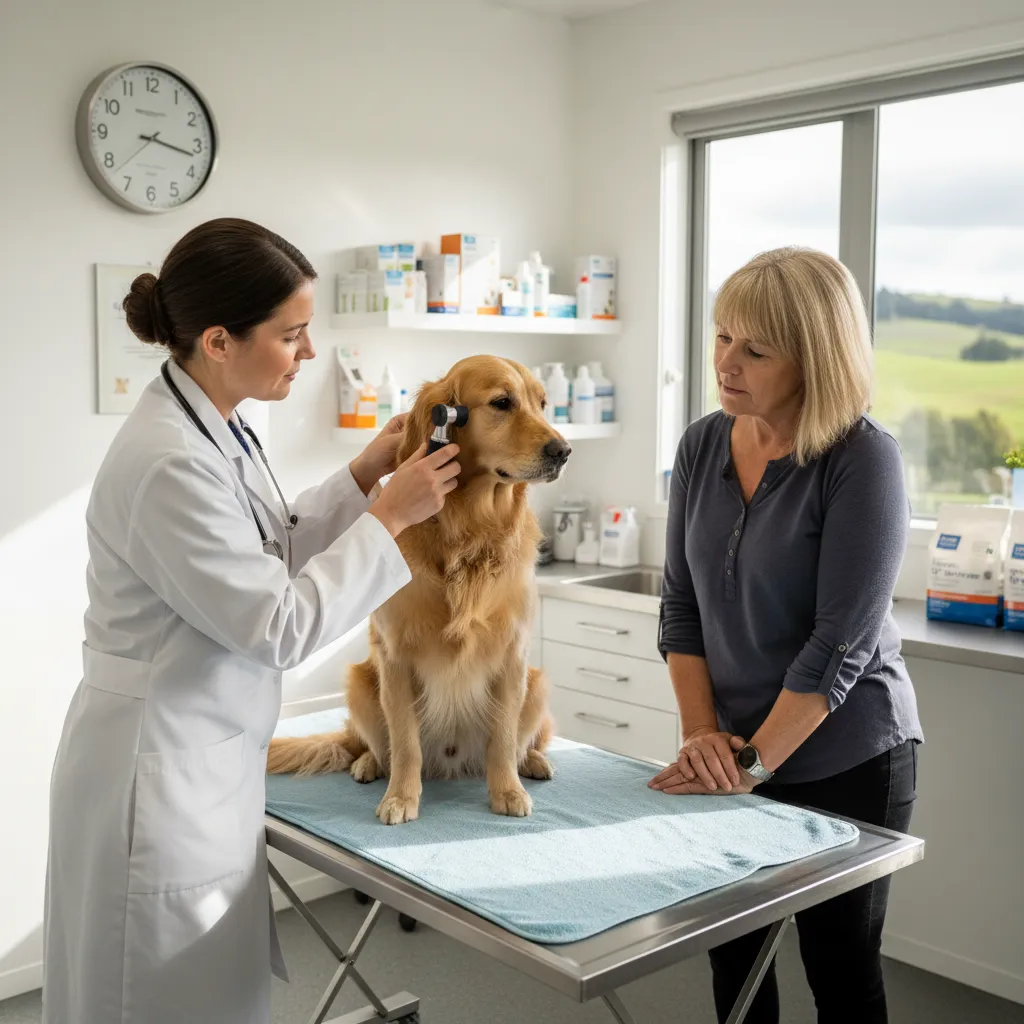
Before listing your pet on any rehoming platform, book a specific “pre-rehoming consultation” with your local veterinarian. This is different from a standard check-up; the goal is to certify the animal’s fitness for a new environment. A thorough exam should cover:
- Physical Examination: A nose-to-tail check including eyes, ears, teeth (dental disease is common and costly), heart, lungs, and skin condition.
- Parasite Control: Verification that flea and worm treatments are current. If not, administer them immediately so the pet is parasite-free upon transfer.
- Weight Assessment: Confirming the pet is at a healthy weight. If the pet is obese or underweight, a diet plan should be provided to the new owner.
- Mobility Check: Particularly for older pets, assessing for signs of arthritis or joint dysplasia is vital so the new owner understands the pet’s physical limitations.
Required Vaccinations in New Zealand
Vaccination protocols in New Zealand are designed to protect against specific local threats. Handing over an unvaccinated pet puts them at risk during the stress of moving, as stress can suppress the immune system. Below are the standards expected for ethical rehoming.
Essential Dog Vaccinations
For dogs in New Zealand, vaccinations are categorized into “Core” and “Non-Core.” To rehome responsibly, your dog should ideally have both, but Core vaccines are non-negotiable.
- Core Vaccines (DHP): Protects against Distemper, Hepatitis, and Parvovirus. Parvovirus is particularly prevalent in parts of NZ and is often fatal. Proof of a valid DHP vaccination (usually administered every 3 years after the initial puppy series) is essential.
- Leptospirosis: Highly recommended in NZ, especially for dogs in rural areas or north of Taupo. This bacterial infection can spread to humans.
- Kennel Cough (Canine Cough): Essential if the dog will be going into boarding or a multi-dog household.
Essential Cat Vaccinations
Cats are highly susceptible to respiratory viruses, which spread easily in stressful situations like moving houses.
- Core Vaccines (F3 or F4): Protects against Feline Panleukopenia (Enteritis), Feline Herpesvirus, and Feline Calicivirus (Cat Flu). These are vital for all cats, indoor or outdoor.
- FIV (Feline Immunodeficiency Virus): While not always a standard core vaccine, testing for FIV is strongly recommended if you are rehoming an outdoor cat or a cat with a history of fighting. Knowing a cat’s FIV status is crucial for the safety of other cats in the new home.
For authoritative guidelines on vaccination schedules, you can refer to the New Zealand Veterinary Association (NZVA), which sets the standards for veterinary care across the country.
Microchipping and Registration: Legal Obligations
In New Zealand, the laws regarding identification are strict, particularly for dogs. Failing to manage the administrative side of rehoming can lead to legal issues for both the previous and new owners.
The Two Databases
A common point of confusion for Kiwi pet owners is the difference between the New Zealand Companion Animal Register (NZCAR) and local council registration.
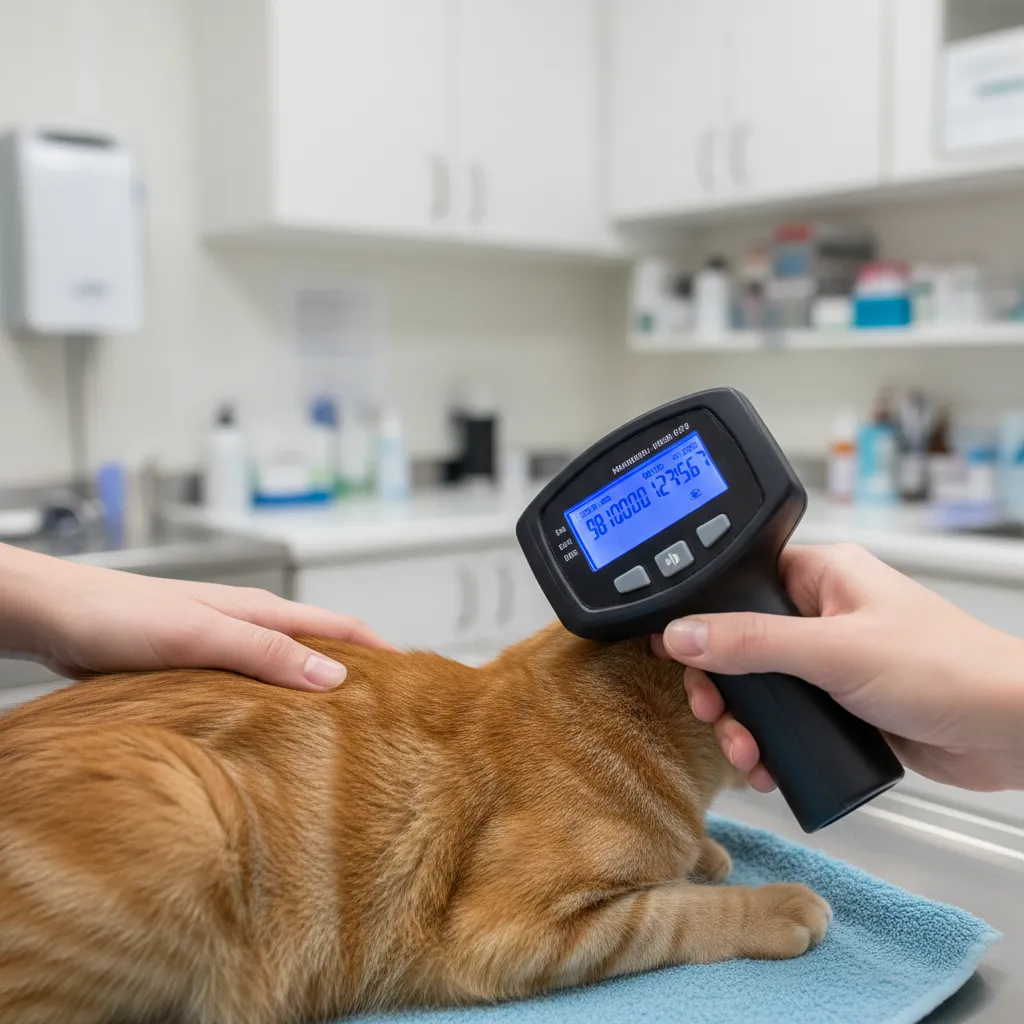
- NZCAR (Microchip Registry): This is a national database run by Companion Animals NZ. It applies to both cats and dogs. Before rehoming, you must ensure the microchip works (ask your vet to scan it) and that your details are current. Upon rehoming, you must initiate a transfer of ownership on the NZCAR to the new owner.
- Local Council Registration (Dogs Only): Under the Dog Control Act 1996, all dogs over 3 months old must be registered with their local council. This is an annual fee. When rehoming a dog, you must legally transfer the registration to the new owner. If the dog moves to a different district (e.g., from Auckland to Wellington), the new owner must register the dog with their new local council.
Action Step: Do not hand over the pet until you have provided the new owner with the microchip number and signed the necessary transfer forms. For dogs, ensure the current year’s council tag is attached to their collar.
Desexing: An Ethical Prerequisite
Ethical home-to-home rehoming platforms strongly advocate for—and often require—pets to be desexed (neutered or spayed) before transfer. This is to prevent backyard breeding and to reduce the population of unwanted animals in New Zealand.
If you are rehoming an intact (non-desexed) animal, you must consider the risks. Intact animals are often targeted by unscrupulous individuals looking for breeding stock rather than a family pet. Furthermore, desexed animals are generally calmer, less likely to roam (reducing the risk of being hit by cars), and less prone to certain cancers and infections (such as pyometra in females).
If financial constraints are the reason the pet is not desexed, be honest about this. Some rehoming charities or the SPCA may offer subsidized desexing vouchers to assist in the rehoming process, ensuring the cycle of unwanted litters is broken.
Managing and Disclosing Existing Health Conditions
Does your cat have diabetes? Does your dog have hip dysplasia? Rehoming a pet with pre-existing medical conditions is entirely possible, but it requires absolute honesty. Hiding a condition is unethical and unfair to the animal, who may suffer if treatment is interrupted.
Creating a Management Plan
Work with your vet to create a “Health Management Plan” document. This should include:
- Diagnosis: Clearly state what the condition is.
- Medication: List current medications, dosages, and costs.
- Dietary Needs: Specific prescription foods required.
- Prognosis: The expected long-term outlook for the pet.
When you present this information upfront, you filter for adopters who are financially and emotionally capable of handling the responsibility. This ensures the pet goes to a