Pet rehoming NZ refers to the responsible process of transferring a companion animal’s ownership from one guardian to another within New Zealand. This involves ensuring the animal’s welfare, legally updating microchip details on the New Zealand Companion Animal Register (NZCAR), and vetting potential adopters to secure a safe, permanent environment, rather than surrendering the animal to a shelter.
Understanding Home-to-Home Rehoming Benefits
Making the decision to rehome a pet is arguably one of the most heart-wrenching choices a pet owner in New Zealand can face. Whether due to housing crises, financial hardship, health issues, or behavioral challenges, the need to find a new home for a beloved companion is a reality for many. However, the traditional route of surrendering a pet to a shelter—such as the SPCA or local pound—is not the only option, nor is it always the best one for the animal.
Home-to-home rehoming is gaining significant traction across New Zealand as the preferred method for ethical transition. This process involves the current owner keeping the pet until a new adopter is found, bypassing the shelter system entirely. The benefits of this approach are multifaceted and impact the animal, the owner, and the wider rescue community.
Minimizing Animal Stress
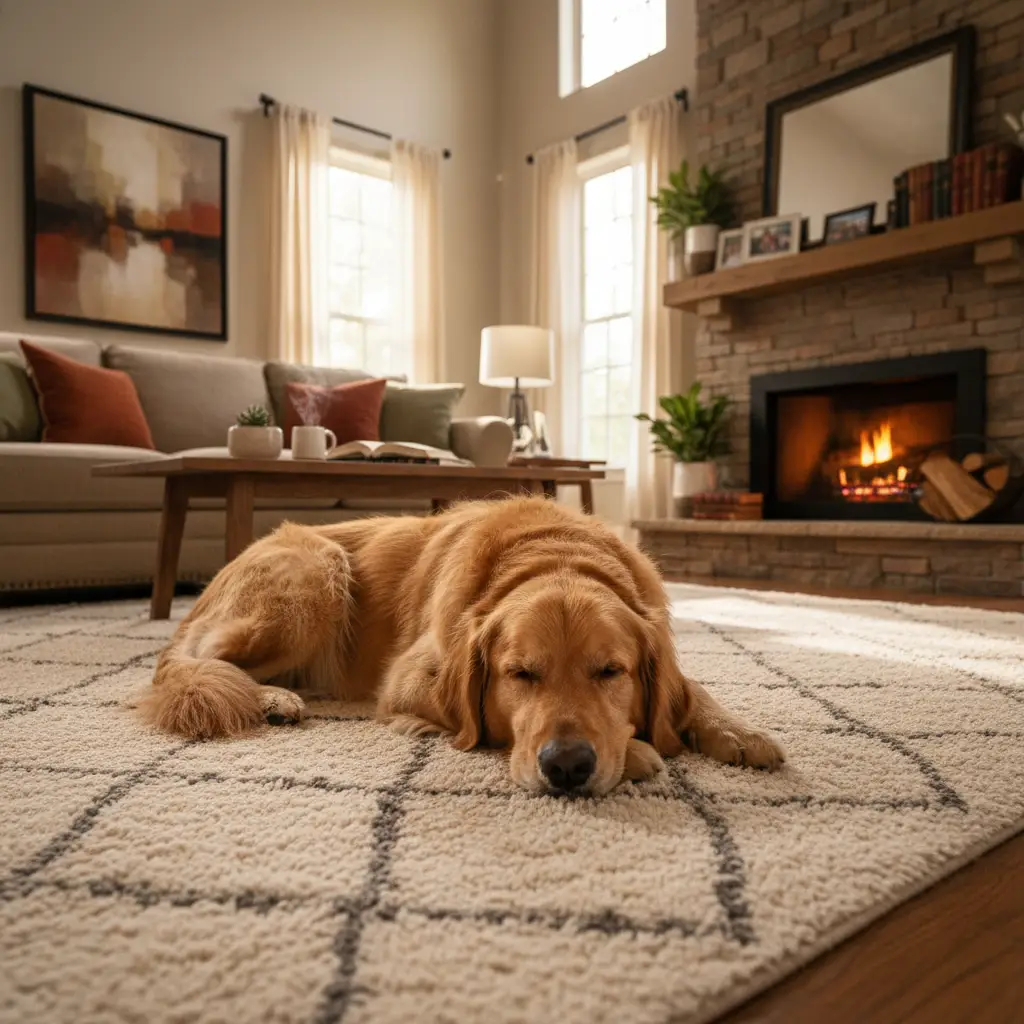
Shelters, despite the incredible work of staff and volunteers, are inherently stressful environments. The noise, smell of other animals, and confinement can cause significant anxiety, particularly for sensitive dogs and cats. This stress can lead to behavioral regression, making the animal appear less adoptable. By keeping the pet in their familiar home environment until a match is found, cortisol levels remain stable, ensuring the new owner meets the true personality of the pet, not a fearful version of them.
Transparency and Information Transfer
No one knows a pet better than their current owner. When you surrender a pet to a shelter, much of that institutional knowledge is lost or summarized into a brief form. In a direct rehoming scenario, the current owner can provide detailed information about the pet’s quirks, routine, medical history, and preferences. Does the cat hate closed doors? Does the dog have a specific fear of thunderstorms? This information is vital for a successful placement and drastically reduces the return rate of adopted animals.
Alleviating Pressure on NZ Shelters
New Zealand shelters are frequently at capacity. By taking responsibility for rehoming your pet directly, you free up a kennel or cage for an animal that truly has nowhere else to go—such as strays, abuse cases, or animals whose owners have passed away unexpectedly. This is a critical contribution to the wider animal welfare ecosystem in Aotearoa.
Legal and Ethical Considerations
Navigating the landscape of pet rehoming in New Zealand requires a solid understanding of both legal obligations and ethical duties. It is not merely a transaction; it is the transfer of a sentient being’s life and well-being.
The Animal Welfare Act 1999
Under the Animal Welfare Act 1999, owners have a legal duty of care to meet the physical, health, and behavioral needs of their animals. When rehoming, this duty of care extends to ensuring you are not knowingly placing the animal in a situation where these needs will not be met. While you cannot predict the future, you must exercise due diligence. Abandoning an animal without making provisions for its care is a criminal offense in New Zealand.
Microchipping and Registration
One of the most overlooked legal steps in rehoming is the transfer of registration. In New Zealand, dogs must be registered with the local council. When ownership changes, the local council must be notified within 14 days. Furthermore, for both cats and dogs, microchip details on the New Zealand Companion Animal Register (NZCAR) must be updated. Failure to do so can lead to heartbreaking situations where a lost pet is returned to a previous owner who no longer has the animal, delaying reunification with the new family.
The Dangers of “Free to Good Home”
Ethically, listing a pet as “Free to Good Home” is strongly discouraged by animal welfare experts. While the intention is often benevolent, free animals are at higher risk of being acquired for nefarious purposes, including use as bait animals in dog fighting rings (which, while rare, do exist in parts of NZ), snake food, or by hoarders who cannot afford to care for them. Charging a rehoming fee acts as a deterrent to these individuals and demonstrates that the new owner has the financial means to invest in the animal. If you are uncomfortable accepting money, you can request the adopter makes a donation of that amount to a registered charity like HUHA or the SPCA.
A Step-by-Step Guide to Rehoming Your Pet
To ensure the safety of your pet and the success of the rehoming process, follow this structured approach. This acts as a safeguard against failed adoptions and ensures your pet lands on their paws.
Step 1: The Veterinary Health Check
Before listing your pet, schedule a full check-up. Ensure vaccinations are up to date and the animal is desexed. Desexing is a non-negotiable ethical standard in NZ rehoming to prevent contributing to the overpopulation crisis. Providing a clean bill of health (or a clear explanation of existing conditions) builds trust with potential adopters.
Step 2: Writing an Honest Profile
When creating a listing on platforms like Trade Me or community boards, honesty is paramount. A “cute” profile that hides bite history or separation anxiety is dangerous. Structure your profile to include:
- The Good: Affection levels, tricks, toilet training status.
- The Needs: Exercise requirements, grooming needs, diet.
- The Challenges: Reactivity to other dogs, fear of children, health issues.
High-quality photos are essential. A blurry photo in a dark room implies neglect; a bright, happy photo implies a loved pet needing a new start.
Step 3: Screening Potential Adopters
Do not give your pet to the first person who responds. You should treat this as a job interview for the role of your pet’s guardian. Ask open-ended questions:
- “Describe your daily routine and how the pet fits into it.”
- “What are your views on indoor vs. outdoor access for cats?”
- “Do you rent or own? If renting, do you have written landlord consent?”
- “Who is your current veterinarian?”
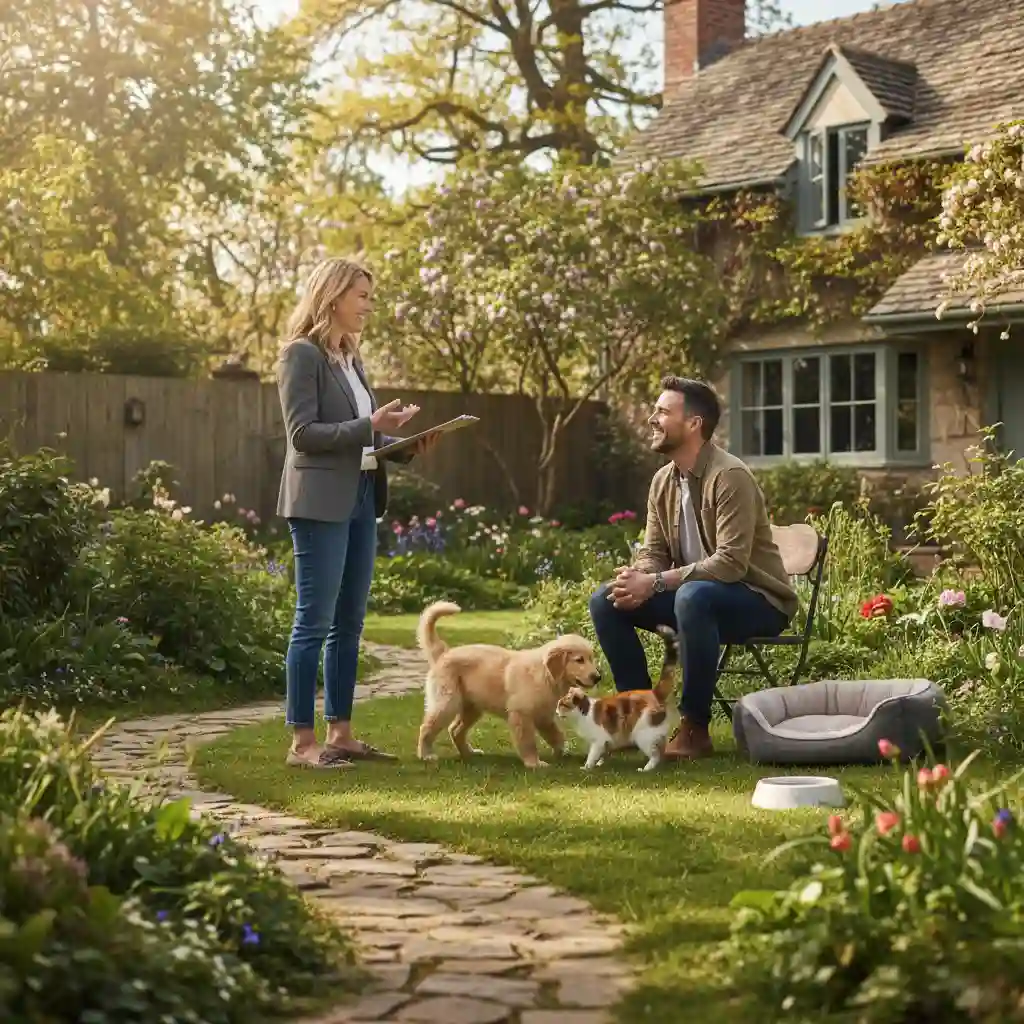
Request a home visit. Seeing where the animal will live is the only way to verify secure fencing and a safe environment.
Responsible Pet Adoption in New Zealand
For those on the other side of the equation—looking to adopt—the responsibility is equally high. Adopting a rehomed pet is different from buying a puppy. You are taking on an animal with a history.
The 3-3-3 Rule
Adopters must understand the “3-3-3 Rule” of decompression. In the first 3 days, the animal is overwhelmed and may not eat or be themselves. After 3 weeks, they start to settle and their true personality (and boundaries) emerge. After 3 months, they feel secure and trust is built. Patience is the currency of successful adoption.
The Rental Reality
In New Zealand’s current housing market, securing pet-friendly rentals is difficult. Before adopting, ensure you have explicit, written permission from your landlord. Many rehoming failures occur because a landlord issues a “no pets” notice shortly after adoption. This is traumatic for the animal.
Resources for Finding Forever Homes
If you need to rehome a pet or are looking to adopt, utilize reputable platforms and organizations. Avoid unregulated marketplaces like Facebook Marketplace for livestock/pets, as they often violate community standards and lack safety checks.
Reputable Platforms
- Trade Me Pets: While a general marketplace, Trade Me has stricter policies than social media. Always look for detailed listings and ask questions.
- My Family Pet (NZVA): Offers advice and links to reputable sources.
- Rescue Organizations: Groups like SPCA New Zealand, HUHA (Helping You Help Animals), and breed-specific rescues (e.g., Labrador Rescue NZ) are the gold standard. Even if they cannot take your animal, they often offer “courtesy listings” where the pet stays with you, but they advertise them on their high-traffic websites.
Rehoming a pet is a journey filled with emotional complexity, but by adhering to ethical standards and legal requirements, you can ensure a happy ending. It is not about “getting rid” of a problem; it is about loving an animal enough to find them the environment where they can truly thrive.
Frequently Asked Questions
How much does it cost to rehome a dog in NZ?
Adoption fees in NZ typically range from $200 to $400 for private rehoming and $300 to $600 for rescue organizations. This fee usually covers desexing, microchipping, vaccination, and registration costs. Private rehoming fees should reflect these medical costs rather than profit.
Can I surrender my dog to the SPCA?
Yes, you can surrender a dog to the SPCA, but acceptance depends on their capacity and the dog’s temperament. It is not a guaranteed drop-off service; you must contact your local centre to discuss the situation. They prioritize sick, injured, or vulnerable animals.
Is it illegal to sell pets on Facebook in NZ?
Facebook’s commerce policies globally prohibit the sale of live animals. While not strictly “illegal” under NZ criminal law (unless animal welfare laws are breached), Facebook will remove such listings. It is an unregulated environment with high scam risks, so it is not recommended for ethical rehoming.
How do I change ownership of a dog in NZ?
You must notify your local council of the change of ownership. Both the previous and new owners typically need to sign a transfer form. Additionally, you must update the microchip details on the NZ Companion Animal Register (NZCAR) to ensure the dog can be returned to the correct person if lost.
What is the best way to rehome a cat?
The best way is a home-to-home transfer where the cat stays with you while you vet new owners. Ensure the cat is desexed and vaccinated. Utilize platforms like Trade Me or ask local rescues for a courtesy listing. Avoid giving cats away for free due to safety risks.
Are rehoming fees ethical?
Yes, rehoming fees are considered ethical and necessary. They act as a safeguard to ensure the new owner is financially capable of caring for the pet and deter people looking for free animals for unethical purposes. The fee should cover veterinary expenses incurred.