
Expert Guidance on Rehoming Your Dog in NZ
Life changes fast. Sometimes, despite our absolute best intentions, keeping a dog simply isn’t possible anymore. Whether it is a forced move, a new baby, or sudden financial pressure, making the call to rehome is heartbreaking.
You might feel a heavy weight of guilt right now. That is completely normal and entirely understandable. However, seeking out Expert Guidance on Rehoming Your Dog in NZ is the first and most crucial step toward a positive outcome.
You are taking responsibility for your pet’s future. You are not alone in this journey. Recent data shows that one in six Kiwi pet owners have considered rehoming their animals due to financial strain over the last year.
Key Takeaways
Providing Expert Guidance on Rehoming Your Dog in NZ means keeping your pet out of overwhelmed shelters. By using safe, peer-to-peer platforms, you maintain legal control under the Animal Welfare Act, skip the cage time, and handpick a verified, loving family for your dog directly.
The Reality of Rehoming in Aotearoa Today
The 2026 Cost of Living Squeeze
The reality of pet ownership in 2026 is undeniably tough. Rising vet bills, expensive pet food, and a severe lack of pet-friendly rentals are pushing good families to their breaking point. Many owners are skipping household essentials just to afford basic pet care.
When the money runs out, the stress becomes unbearable. It is a deeply unfair situation for both you and your dog. Acknowledging that you can no longer provide the life your dog needs is an act of love, not a failure.
The Auckland Euthanasia Crisis
Historically, families turned to local pounds or charities when they could no longer keep their dog. Today, that safety net is completely buckling under the weight of the crisis. Institutional shelters are overwhelmed and physically maxed out.
In Auckland alone, council shelters impounded over 12,000 dogs in a recent twelve-month period. Heartbreakingly, the euthanasia rate surpassed 50 percent, with more than 6,000 dogs put down. There is simply nowhere for these animals to go.
This is exactly why traditional surrender is no longer the safest option for a beloved family pet. The system is broken, and alternative solutions are desperately needed.
The Zero Cage Time Movement: A Better Way
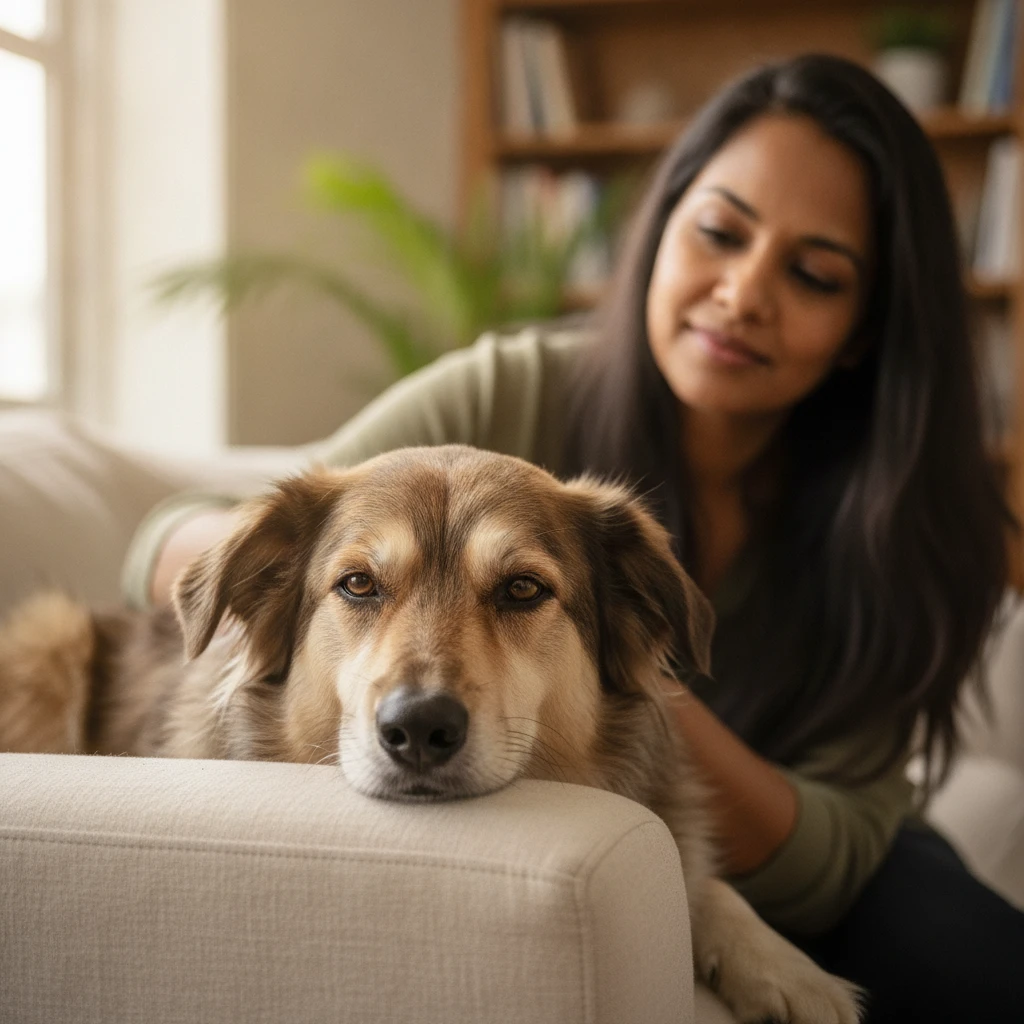
We believe in a fundamentally better way to handle pet adoptions. The Zero Cage Time approach means your dog stays exactly where they are — safe on their own couch — until the perfect new family is found.
This direct home-to-home adoption model completely bypasses the overwhelmed pound system. Your dog never has to experience the anxiety of cold concrete floors, barking strangers, or the threat of euthanasia.
They transition directly from your family to their new family, minimizing trauma for everyone involved.
Why Direct Home-to-Home Adoption Matters
Shelters are incredibly stressful environments, even the well-funded ones. Dogs can quickly develop behavioural issues due to the noise and confinement. By keeping your dog at home, they remain calm and relaxed.
It also means you stay firmly in the driver’s seat. You know your dog’s quirks, their favourite scratching spots, and what scares them. You are undoubtedly the best person to choose their next family.
No shelters. No middlemen. Just good people finding each other. This is the core philosophy behind safe pet adoption NZ.
Knowing Your Legal Obligations Before You Rehome
When you decide to find a new home for your dog, it is vitally important to understand where you stand legally. New Zealand has clear, strict rules regarding animal welfare and ownership.
You must protect yourself and your pet by following the law. Ignorance of these regulations can lead to fines or worse.
The Animal Welfare Act 1999
Under the Animal Welfare Act 1999, you have a strict legal Duty of Care. This responsibility remains entirely yours until the physical handover of the dog takes place.
You cannot simply abandon an animal or hand them off to a stranger without ensuring their safety. You must ensure your dog has adequate food, water, shelter, and medical care right up until they leave with their new family.
Platforms like Pet Rescue NZ do not take legal ownership of your pet. We simply provide the secure platform for you to connect with verified adopters.
The Dog Control Act 1996
Changing ownership isn’t just a casual handshake. Under Section 48 of the Dog Control Act 1996, both you and the new adopter must legally notify your local council within 14 days of the handover.
This is a non-negotiable legal requirement. This ensures the council’s dog registry is accurate and up to date.
It also protects you from being held legally or financially liable if the dog escapes or causes an issue under the new owner’s watch.
Don’t forget to update the New Zealand Companion Animal Register (NZCAR) with the new owner’s details so the microchip scans correctly.
Comparing Your Dog Rehoming Options in NZ
Kiwis have a few different avenues when looking for Expert Guidance on Rehoming Your Dog in NZ. However, not all platforms or methods are created equal.
Some treat pets like commodities, while others offer absolutely no protection from bad actors. Here is a clear, honest breakdown of your main choices in Aotearoa today.
| Platform / Method | Cage Time? | Owner Control | Scam Protection |
|---|---|---|---|
| Pet Rescue NZ | Zero. Dog stays at home. | 100% control over who adopts. | High. Moderated listings and scam awareness hubs. |
| SPCA / Shelters | High. Often weeks or months in a kennel. | Zero. The shelter makes the final decision. | High. Institutional vetting. |
| Trade Me Pets | Zero. | High, but highly transactional. | Low. Plagued by advance-fee scams. |
| Facebook Groups | Zero. | High, but chaotic and unorganized. | Zero. Completely unmoderated and dangerous. |
Crafting a Listing That Attracts the Right Family
Your dog’s online profile is their resume. It is your best tool for attracting a family that matches their energy level and personality.
A rushed listing will attract the wrong people, while a thoughtful one will draw in genuine, caring adopters. Take your time to get this right.
Writing with Honesty and Warmth
When you write your listing, radical honesty is your best friend. Do not hide the fact that your dog digs holes in the garden or barks at the postman.
The right family will appreciate knowing exactly what they are taking on. Share their favourite treats, their sleeping habits, and the little quirks that make them special.
Speak from the heart. Every pet has a story — let’s help write the next chapter together.
Taking Great Photos
A blurry photo taken from across the room won’t capture your dog’s true spirit. Get down on their level and take clear, bright photos in natural daylight.
Show them doing what they love, whether that is sleeping on a rug or chasing a ball. Include at least one clear shot of their face and eyes.
Adopters connect emotionally with photos first. A great image can drastically speed up the time it takes to find the perfect forever home.
How to Safely Screen Adopters (And Avoid Scams)
Finding the right Kiwi family requires a bit of detective work and patience. Trust your gut. You will know when it feels right, but you still need to ask the hard questions to protect your dog.
Spotting Trade Me and Facebook Scams
Unfortunately, the internet is full of opportunists looking to exploit emotional situations. Unmoderated spaces like Facebook and highly transactional sites like Trade Me are currently plagued by advance-fee scams and phantom adoption schemes.
Be highly wary of anyone who refuses to meet in person or asks to send a courier to pick up your dog. A genuine adopter will always want to meet you, ask about the dog’s history, and build a real connection.
Learning to identify pet scams NZ is a critical part of the rehoming process.
Never hand over your dog or pay transport fees without meeting the adopters in person first. Scammers often use high-pressure tactics to force quick decisions.
Essential Questions to Ask Potential Families
When you connect with an interested adopter, treat it like a friendly but firm interview. You are the sole advocate for your dog’s future.
Do not be afraid to politely dig into their lifestyle. Here are the core questions you must ask:
- Do you currently rent or own your home? (If renting, ask to see written landlord permission for a dog).
- What is your daily routine like, and how many hours will the dog be left alone each day?
- Have you owned a dog before, and what happened to them?
- Are you financially prepared for unexpected vet bills?
Navigating the Meet and Greet
Once you have screened an applicant and feel good about them, it is time for the all-important meet and greet. This is where you see how the dog and the potential new owners interact in real life.
The First Meeting
Always arrange the first meet-and-greet in a quiet, neutral public space. A local park is perfect for this. It allows the dog to feel relaxed without the territorial pressure of defending their own home or backyard.
Watch closely how the potential adopters interact with your dog. Do they let the dog come to them at their own pace? Are they patient and gentle?
If your dog seems unusually fearful or the people seem impatient, it is perfectly okay to walk away. You owe them nothing.
Always arrange the first meet-and-greet in a quiet, public space before inviting anyone to your private home. This protects your privacy and keeps the dog calm.
The Home Trial (Optional but Recommended)
If the first meeting goes well, consider arranging a short home trial before making the adoption final. A weekend stayover allows the dog to experience the new environment safely.
It also gives the adopters a realistic taste of pet ownership. Keep in touch during the trial.
If it doesn’t work out, your pet simply stays home with you until the right family says yes. There is no rush, and you retain complete control over the process.
Preparing Your Dog for Handover Day
A successful handover is all about meticulous preparation. You want to set the new family — and your dog — up for absolute success from day one.
A sudden change in environment is jarring, so minimize the shock as much as possible.
Organizing Vet Records and Microchip Details
Gather all your physical and digital paperwork. This includes vaccination booklets, microchip numbers, and any medical history printed from your vet clinic.
Transparency regarding health is crucial for building trust with the new owners. If your dog isn’t desexed, be completely honest about it.
Currently, over 221,000 dogs in New Zealand remain un-desexed, contributing heavily to the shelter crisis. Encourage the new owners to consult their vet about booking the procedure soon.
Packing Their Go-Bag
Saying goodbye is intensely emotional. Keep the handover as calm and positive as possible, as your dog will easily pick up on your stress and anxiety.
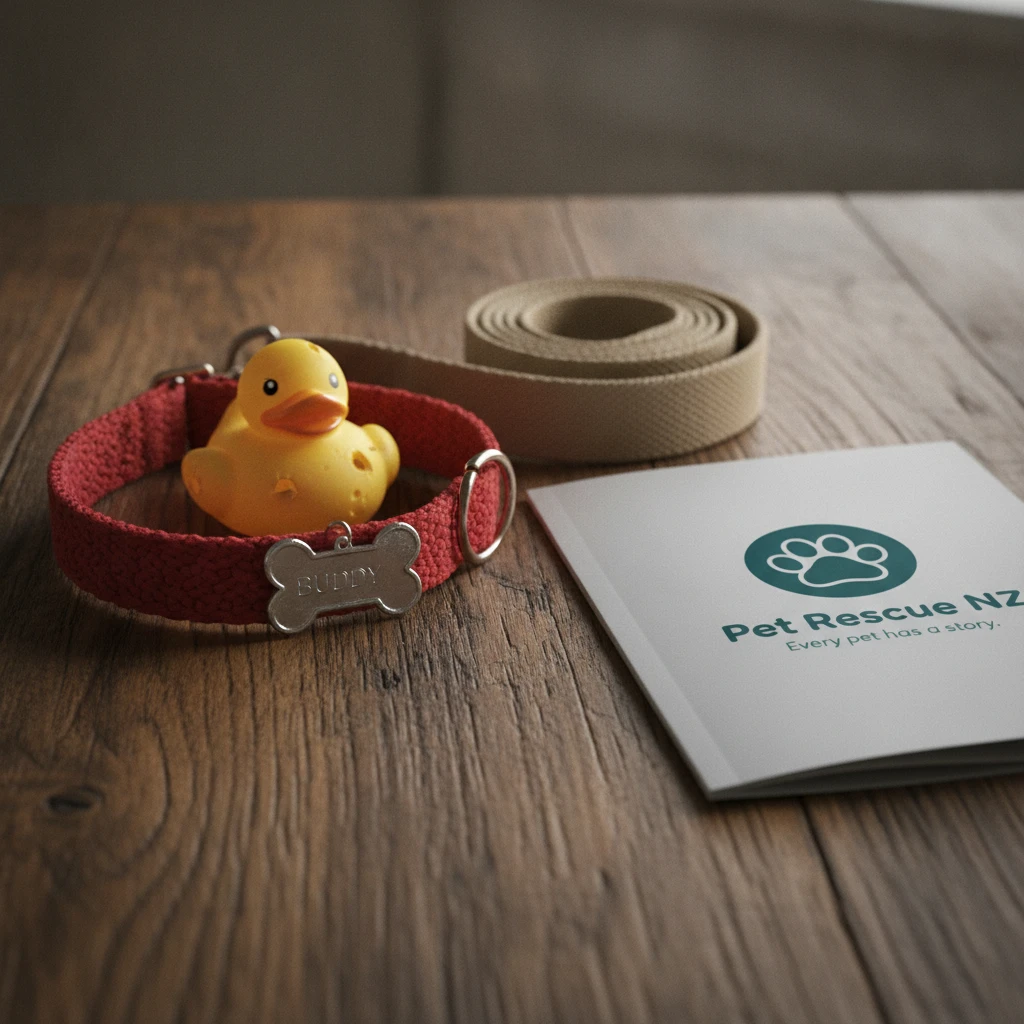
Pack a go-bag for your dog to take with them. Include their unwashed bed, favourite chew toys, and enough of their current food to transition them slowly over a week.
Familiar smells will deeply comfort them during their first few nights in a strange house.
Managing Your Emotions Post-Handover
The drive home after handing over your dog is often the hardest part of the entire journey. The house will feel quiet, and the guilt may temporarily flare up again.
Allow yourself to grieve the change. Rehoming a dog in Auckland or anywhere in NZ is a massive life event.
Setting Boundaries with the New Family
It is healthy to ask for a few photo updates during the first week to ensure the dog is settling in. However, you must also establish clear boundaries.
You have passed the baton, and the new family needs space to bond with the dog without feeling crowded.
Trust the rigorous process you went through. By following Expert Guidance on Rehoming Your Dog in NZ, you made a selfless, responsible choice. You kept them out of a cage, and you gave them a second chance at a beautiful life.
Finding the right family takes time. Do not rush the process. Your dog is safe at home with you while you search, which is the ultimate luxury in animal welfare.